Master the art of safely canning jalapeno jam with this comprehensive expert guide, designed for both novice and seasoned canners. This resource covers essential recipes, step-by-step procedures, and safety protocols to ensure your jalapeno jam is not only delicious but also safe for preservation. Following the right canning techniques is crucial to prevent spoilage and ensure the longevity of your flavorful creations.
What This Guide Covers (And What It Doesn’t)
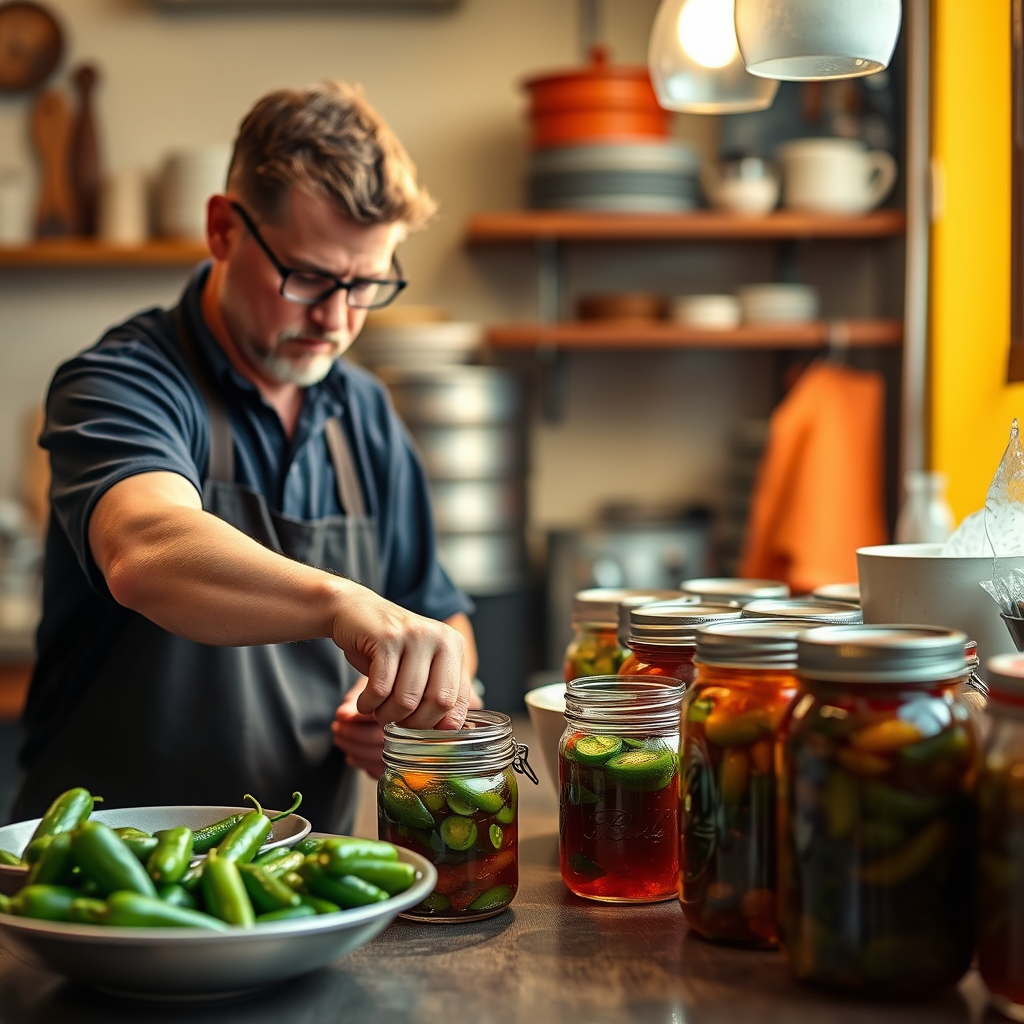
This guide offers comprehensive instructions for canning jalapeno jam, detailing ingredient specifications, processing times, and essential safety considerations to ensure a safe and delicious product. It focuses exclusively on traditional canning methods that cater to both novice and seasoned canners alike. Key techniques and the importance of following tested recipes are emphasized throughout. However, this guide does not address alternative preservation methods such as freezing or refrigerator storage, nor does it explore non-canning recipes that exclude jalapeno jam.
Who Should Read This
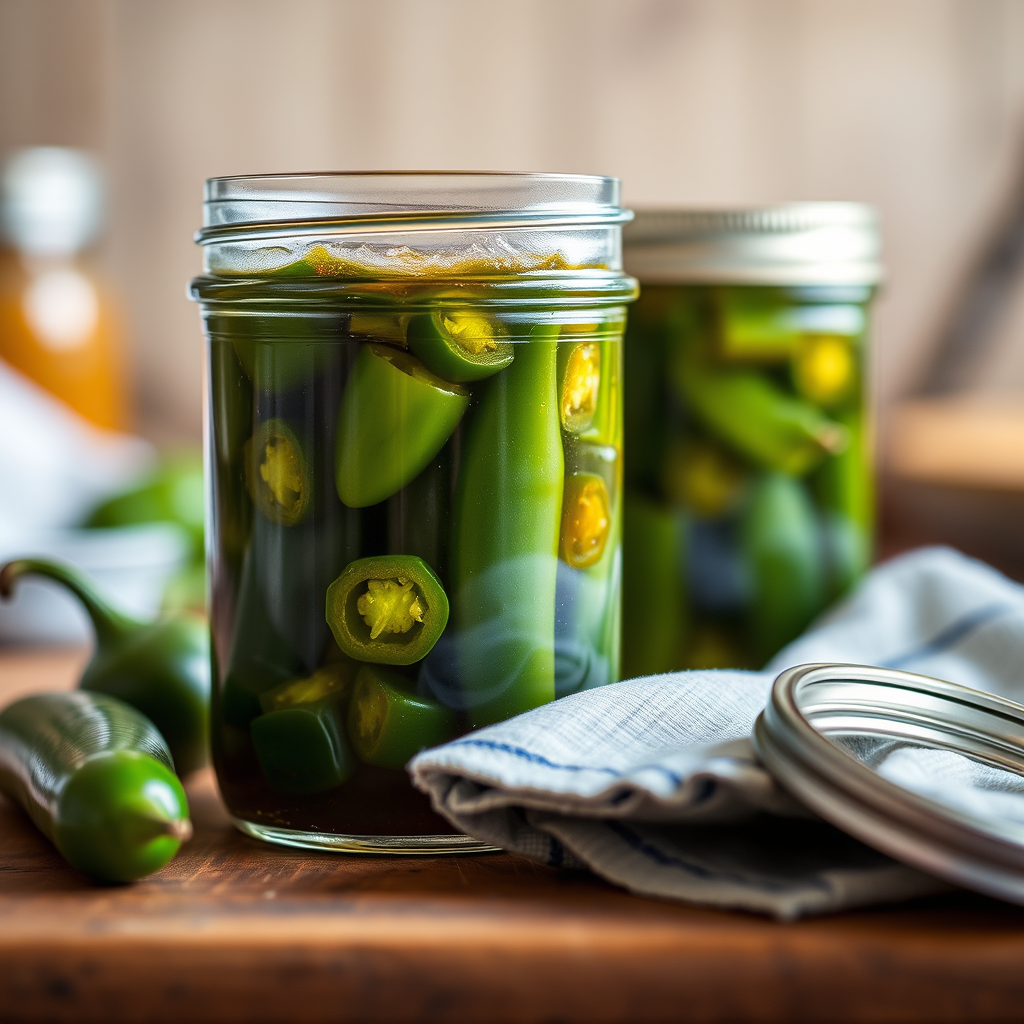
This guide is ideal for home canners, especially those with a basic understanding of food preservation techniques who are eager to create unique jams. If you’re looking to enhance your canning skills by incorporating spicy flavors, particularly jalapenos, into your preserves, this guide is for you. However, readers with no prior experience in canning may find some sections challenging, as this guide assumes familiarity with sterilization and pressure cooking.
The Step-by-Step Protocol
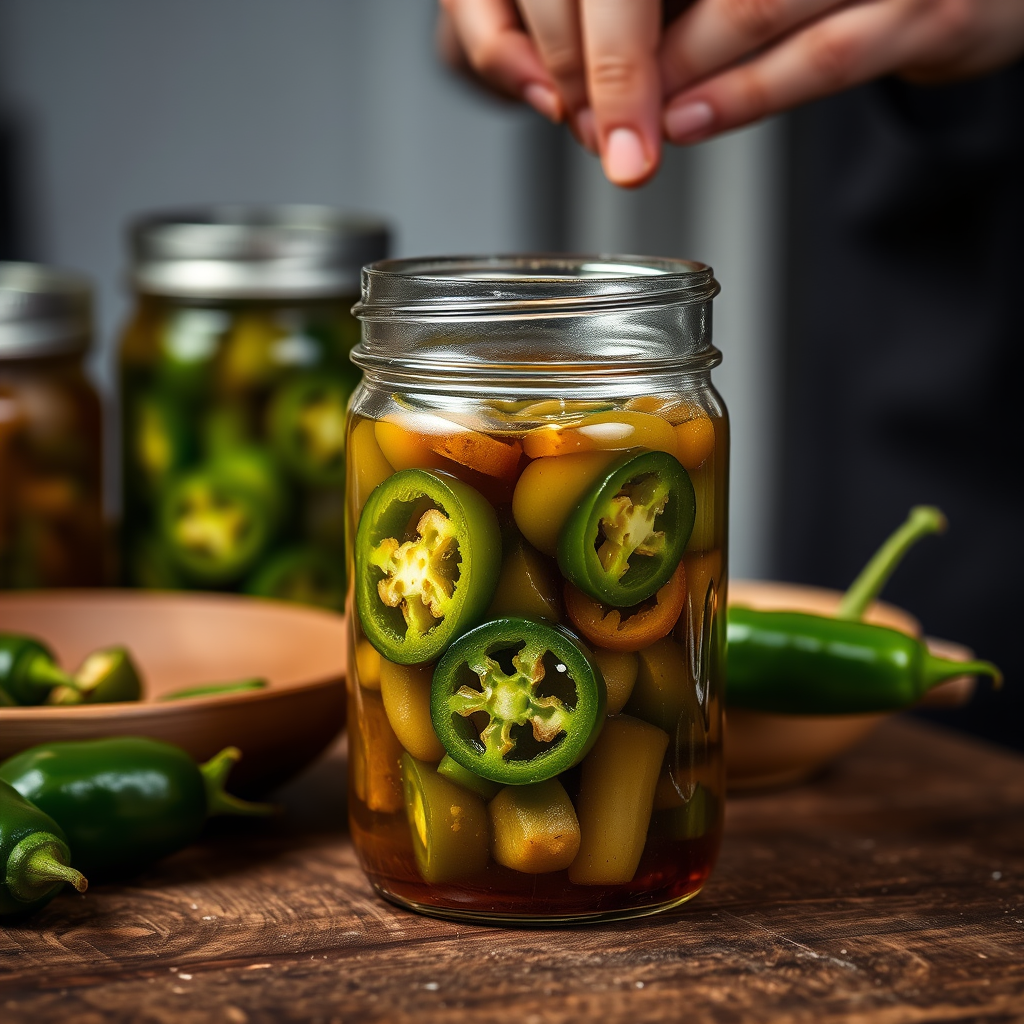
1. Gather Necessary Ingredients: Collect 6 cups of finely chopped jalapenos (approximately 12-15 peppers), 4 cups of granulated sugar, 1 cup of apple cider vinegar, 1 packet of pectin (low-sugar or regular), and optional spices such as garlic powder or cumin for flavor enhancement.
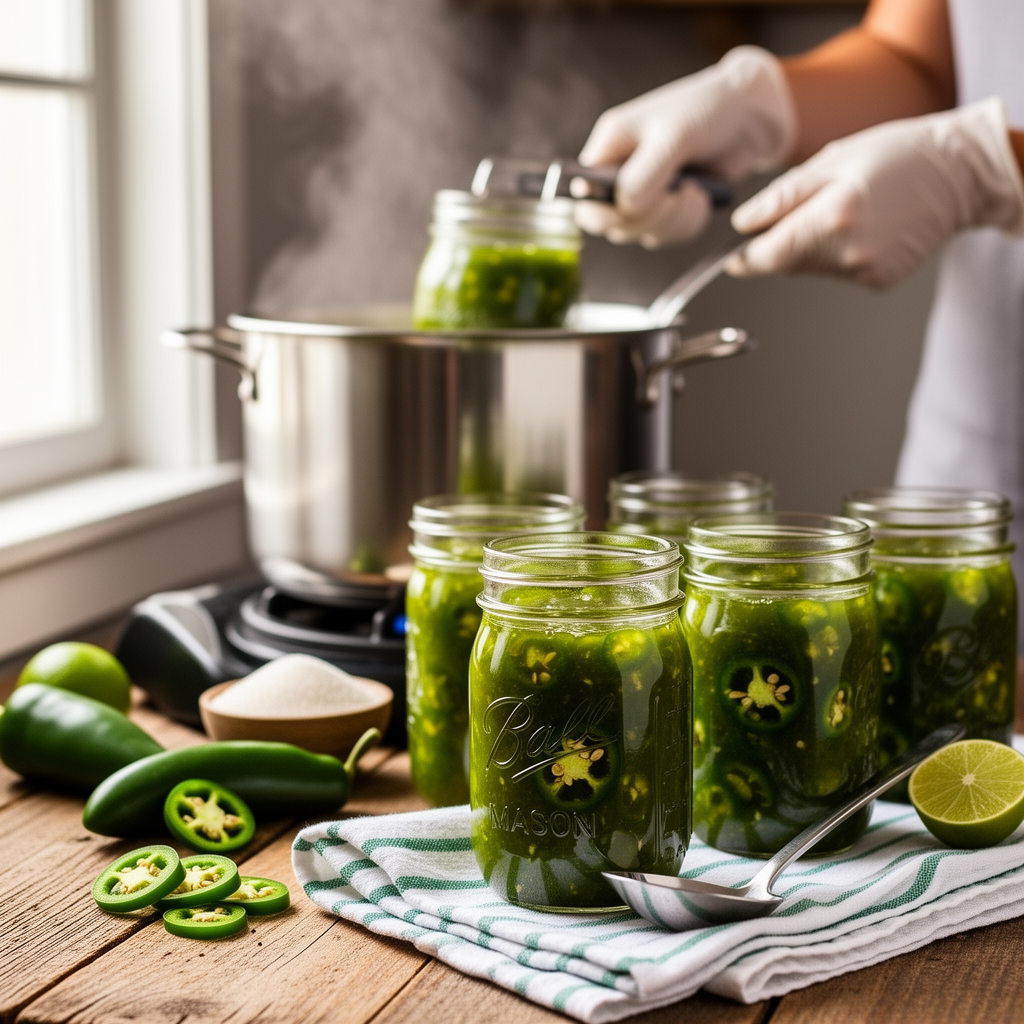
2. Prepare Jars and Lids: Sterilize 6-8 half-pint canning jars and lids by boiling them in water for 10 minutes or running them through a dishwasher cycle. Keep them warm until ready to fill to help create a vacuum seal.
3. Cook the Jalapeno Mixture: In a large pot, combine the chopped jalapenos, apple cider vinegar, and sugar. Bring the mixture to a rapid boil, stirring constantly for about 5 minutes until the sugar is fully dissolved.
4. Add Pectin: Stir in the pectin and return the mixture to a full boil for 1-2 minutes, ensuring it thickens appropriately. To test the jam’s consistency, place a spoonful on a cold plate; it should form a gel-like texture. If it does not set, you may need to add more pectin and boil again.
5. Fill the Jars: Using a ladle, fill the prepared jars with the hot jalapeno jam, leaving about 1/4 inch of headspace at the top of each jar. Wipe the rims with a clean, damp cloth to remove any residue that could prevent a proper seal.
6. Seal the Jars: Place the sterilized lids on the jars and screw on the metal rings until fingertip-tight. Do not overtighten, as this can hinder the jar’s ability to vent during processing.
7. Process the Jars: Place the jars in a boiling water bath canner. Ensure that the jars are covered by at least an inch of water. Process the jars for 10-15 minutes, adjusting for altitude as necessary (add 5 additional minutes for elevations above 1,000 feet).
8. Cool and Store: After processing, carefully remove the jars from the water bath and allow them to cool on a clean towel or wire rack for 12-24 hours. Once cooled, check the seals by pressing the center of each lid; it should not pop back. Store sealed jars in a cool, dark place.
Nutritional Information for Jalapeno Jam (per 1 tablespoon)
| # | Nutrient | Value | % Daily Value |
|---|---|---|---|
| 1 | Calories | 50 | 2% |
| 2 | Total Fat | 0g | 0% |
| 3 | Sodium | 5mg | 0% |
| 4 | Total Carbohydrates | 13g | 4% |
| 5 | Sugars | 12g | N/A |
| 6 | Protein | 0g | 0% |
| 7 | Vitamin C | 1mg | 2% |
Warning Signs: When Not to Follow This
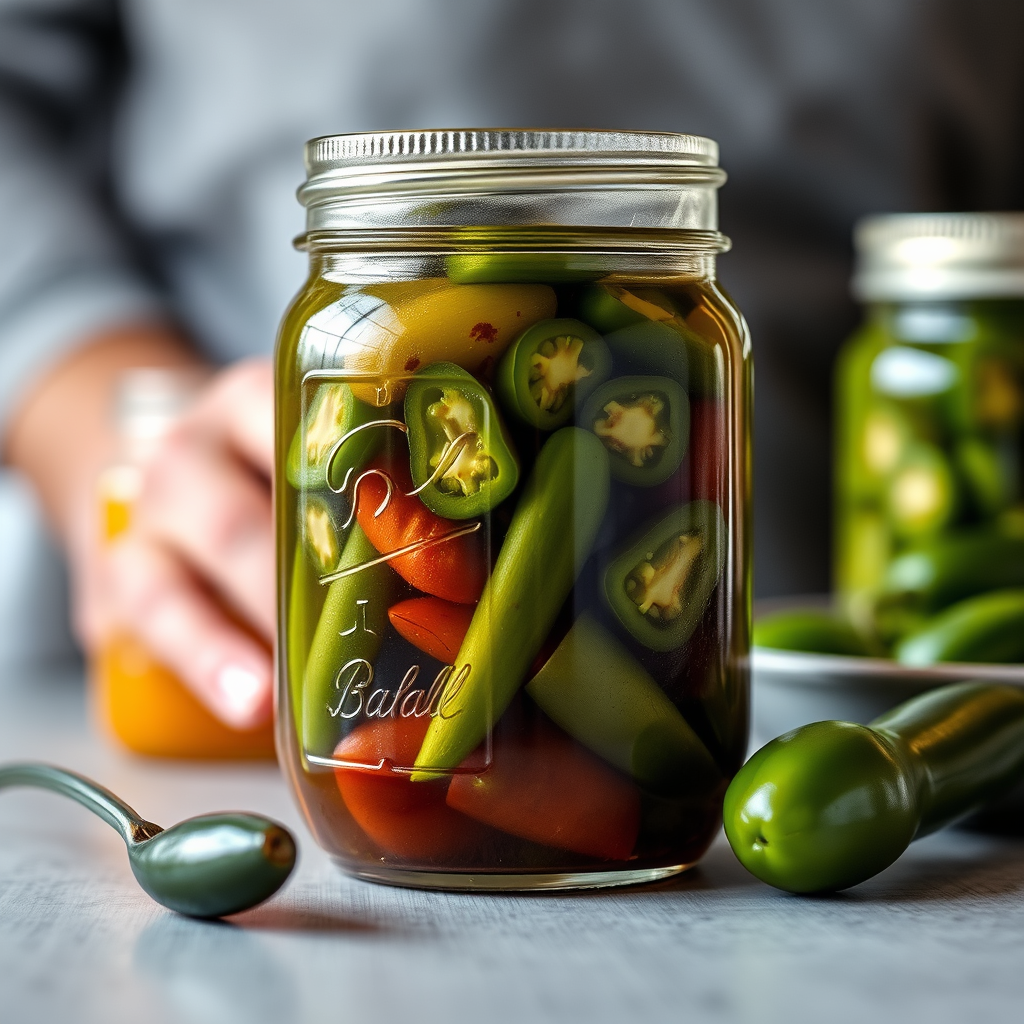
Avoid attempting this canning process if you have allergies or sensitivities to jalapenos or any other ingredients used in the jam, as this could result in adverse health effects. Do not proceed with canning if you lack access to proper equipment, including a water bath canner, as this method is essential for ensuring the safety of the final product. Additionally, steer clear of untested recipes or variations that deviate from established canning guidelines, as these could jeopardize food safety and lead to spoilage or foodborne illness.
The Most Common Mistakes (And Their Consequences)
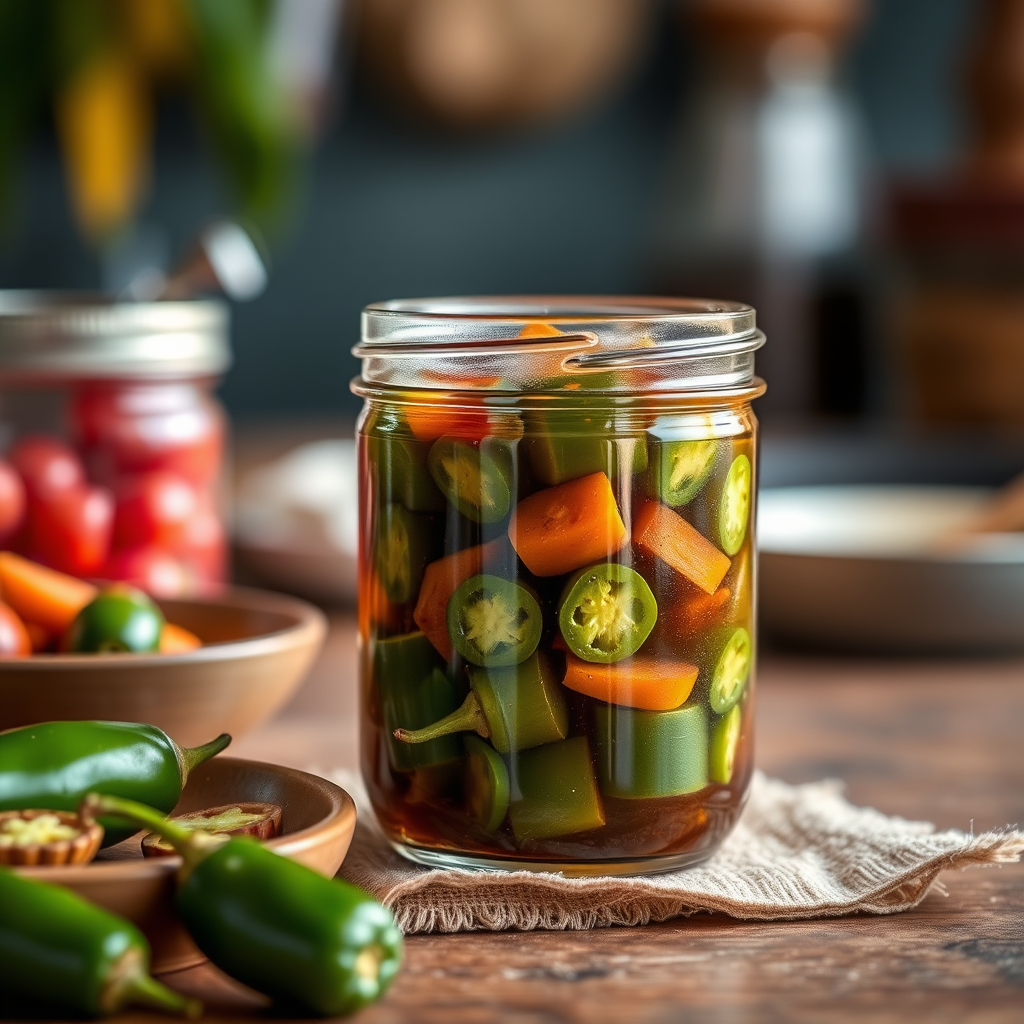
One of the most frequent errors is miscalculating the acidity; using insufficient vinegar can result in unsafe pH levels, allowing harmful bacteria to thrive and increasing the risk of botulism. Neglecting to properly sterilize jars can introduce contaminants that lead to spoilage, creating unsafe food products. Overcooking the jam can also cause it to thicken too much or caramelize, which alters both flavor and texture, potentially preventing it from setting correctly.
Moreover, failing to leave adequate headspace can result in sealing failures, leading to spoilage. Always adhere strictly to the exact measurements and methods outlined in tested recipes to achieve the best results.
Special Cases That Need a Different Approach
If you’re using extremely hot varieties of jalapenos, consider reducing their quantity or blending them with milder peppers to create a balanced heat level that is enjoyable for all consumers. For those with dietary restrictions, you can substitute granulated sugar with a suitable sweetener, such as agave syrup, that can be safely canned without compromising the integrity of the recipe. When canning at high altitudes (above 1,000 feet), remember to adjust processing times and acidity levels according to local guidelines to ensure proper preservation.
Additionally, if you choose to incorporate fresh herbs or spices, proceed with caution. Some herbs may alter the acidity of the jam, so it is advisable to stick with tested recipes or consult reputable sources such as the National Center for Home Food Preservation for guidance.
When You Need a Professional
If you notice any signs of spoilage in your canned jalapeno jam, such as off smells, bulging lids, or discoloration, seek professional guidance immediately, as these may indicate a failure in the canning process. If there are uncertainties regarding the safety of your ingredients or the reliability of your equipment, consult a food preservation expert or your local extension service for advice before proceeding. For those considering distributing their canned jalapeno jam commercially, consulting a licensed nutritionist or food safety expert is crucial to ensure compliance with local and federal regulations.
Sources and Further Reading
– USDA Complete Guide to Home Canning, a comprehensive resource for safe canning practices and tested recipes.
– National Center for Home Food Preservation, offering research-based recommendations for home canning and food safety.
– Ball Blue Book Guide to Preserving, a trusted guide for home canners, featuring recipes and techniques specifically for making jams and jellies.
Frequently Asked Questions
What ingredients do I need for a basic jalapeno jam canning recipe?
A basic jalapeno jam canning recipe typically requires fresh jalapenos, sugar, apple cider vinegar, pectin, and water. The combination of these ingredients creates a sweet and spicy flavor profile, perfect for spreading on bread or serving with cheese. Make sure to choose ripe, firm jalapenos for the best results.
How do I safely can jalapeno jam at home?
To safely can jalapeno jam at home, start by sterilizing your jars and lids in boiling water. Cook your jalapeno mixture according to the recipe, then pour it into the hot, sterilized jars, leaving appropriate headspace. Process the jars in a boiling water bath for the recommended time to ensure they seal properly and are safe for long-term storage.
Why did my jalapeno jam not set properly?
If your jalapeno jam did not set properly, it could be due to insufficient pectin or inadequate cooking time. Ensure you follow the recipe measurements closely and allow the mixture to boil for the recommended time. If needed, you can reprocess the jam with additional pectin to achieve the desired consistency.
What is the best way to store homemade jalapeno jam?
The best way to store homemade jalapeno jam is to keep it in a cool, dark place, such as a pantry or cupboard. Once opened, transfer it to the refrigerator and consume it within a few weeks for optimal freshness. Properly canned jalapeno jam can last for up to a year when stored correctly.
Which types of jalapenos are best for making jam?
For making jalapeno jam, it’s best to use fresh, firm jalapenos that are bright in color and free from blemishes. Varieties like the classic Jalapeño M or Early Jalapeño are popular due to their balanced heat and flavor, which enhance the jam’s overall taste. If you prefer milder jam, consider using fewer seeds or mixing in some bell peppers.
References
- Fruit preserves
https://en.wikipedia.org/wiki/Jam - https://extension.illinois.edu/food/preserving-jalapeno-jelly
https://extension.illinois.edu/food/preserving-jalapeno-jelly - https://www.nal.usda.gov/sites/default/files/fnic_uploads/foodpreservation.pdf
https://www.nal.usda.gov/sites/default/files/fnic_uploads/foodpreservation.pdf - https://www.foodsafety.gov/foodpreservation/index.html
https://www.foodsafety.gov/foodpreservation/index.html - https://www.cornell.edu/
https://www.cornell.edu/ - Google Scholar Google Scholar
https://scholar.google.com/scholar?q=jalapeno+jam+canning+recipes - Google Scholar Google Scholar
https://scholar.google.com/scholar?q=canning+jalapeno+jelly - https://pubmed.ncbi.nlm.nih.gov/
https://pubmed.ncbi.nlm.nih.gov/ - Treatment results and prognostic factors of pediatric neuroblastoma: a retrospective study – PMC
https://www.ncbi.nlm.nih.gov/pmc/articles/PMC3018370/ - https://www.sciencedirect.com/topics/food-science/jam
https://www.sciencedirect.com/topics/food-science/jam