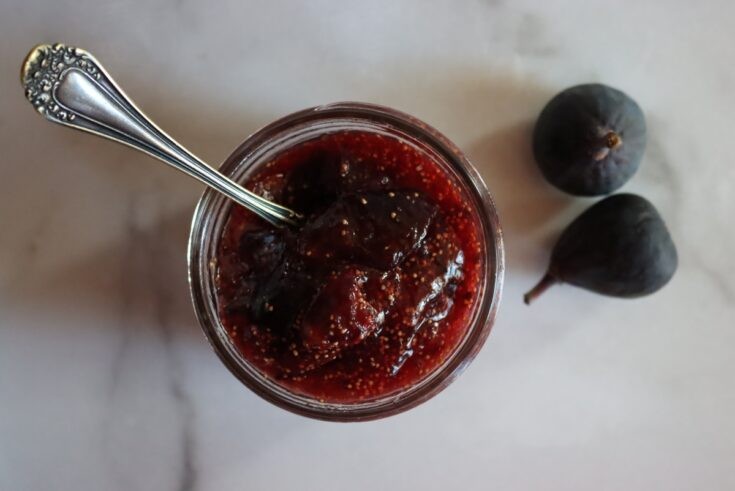
Master the art of safely canning fig jam with this expert guide, designed for both novice and seasoned preservers. This comprehensive resource covers essential protocols, ensuring that your homemade fig jam is both delicious and safe for long-term storage. Following the right canning procedures is crucial to prevent spoilage and maintain flavor, making this guide indispensable for anyone serious about food preservation.
What This Guide Covers (And What It Doesn’t)
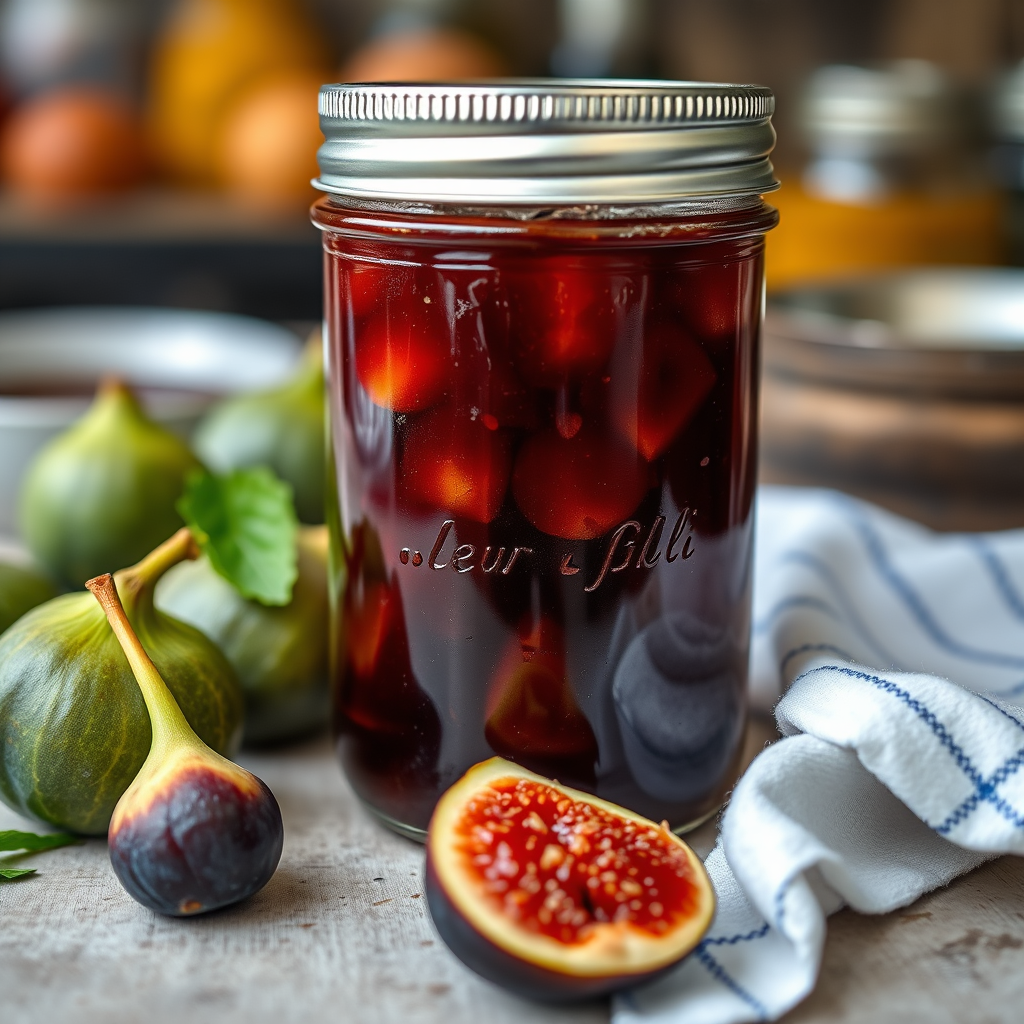
This guide presents a comprehensive recipe for crafting fig jam that is safe for canning, detailing ingredient proportions, canning methods, and essential safety protocols. You will discover the necessary equipment, sterilization processes, and recommended techniques to ensure the safe and effective canning of fig jam. Specifically, this guide adheres to USDA guidelines for home canning, prioritizing safety and quality for consumers. However, it does not address alternative jam recipes or variations that do not involve figs, nor does it cover freezing or other preservation methods.
Who Should Read This
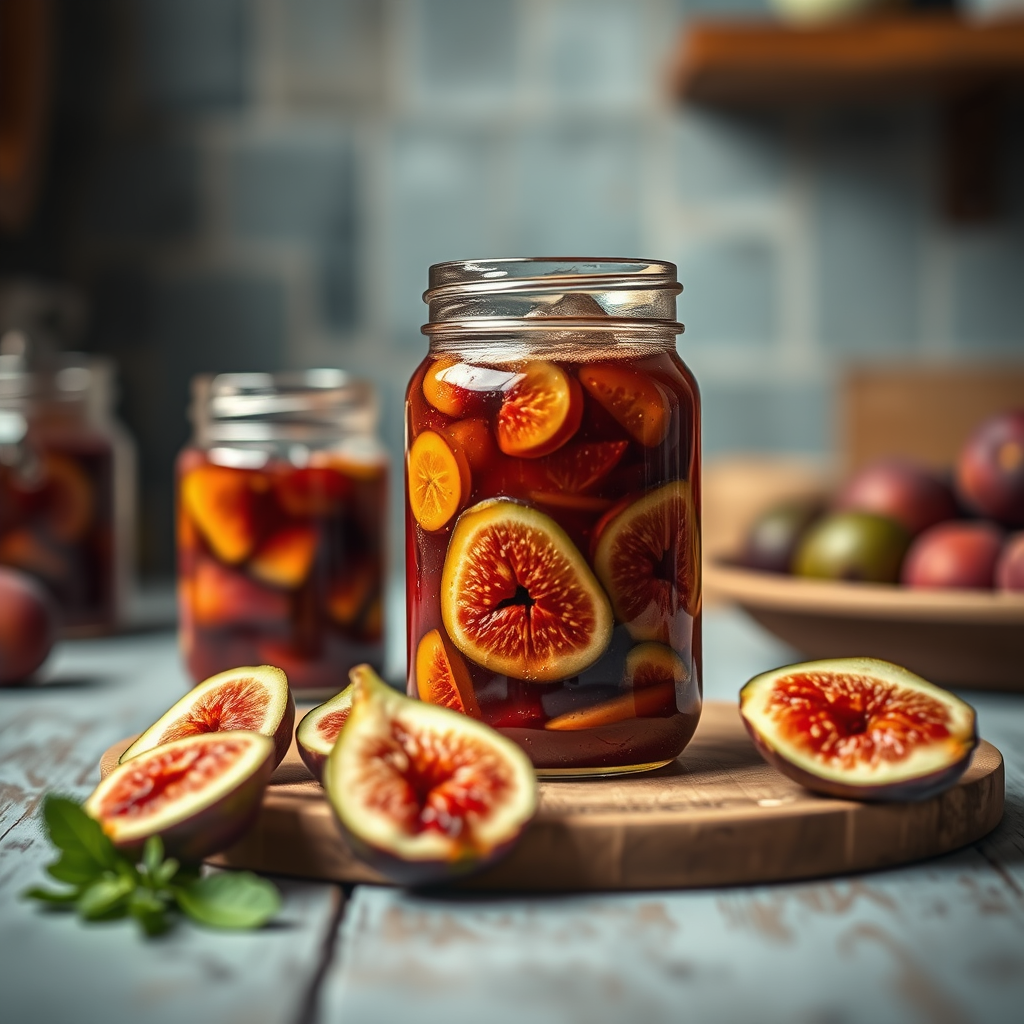
This guide is designed for home canners who possess a basic understanding of food preservation techniques and wish to enhance their skills by making fig jam. It is particularly suited for those eager to preserve seasonal fruits or create homemade gifts using fig jam. Readers should have access to essential canning equipment, including jars, lids, and a water bath canner, and be aware of the importance of sanitation in food preparation. While those without prior canning experience may find this guide useful, they should seek additional foundational resources on basic canning techniques before diving in.
The Step-by-Step Protocol
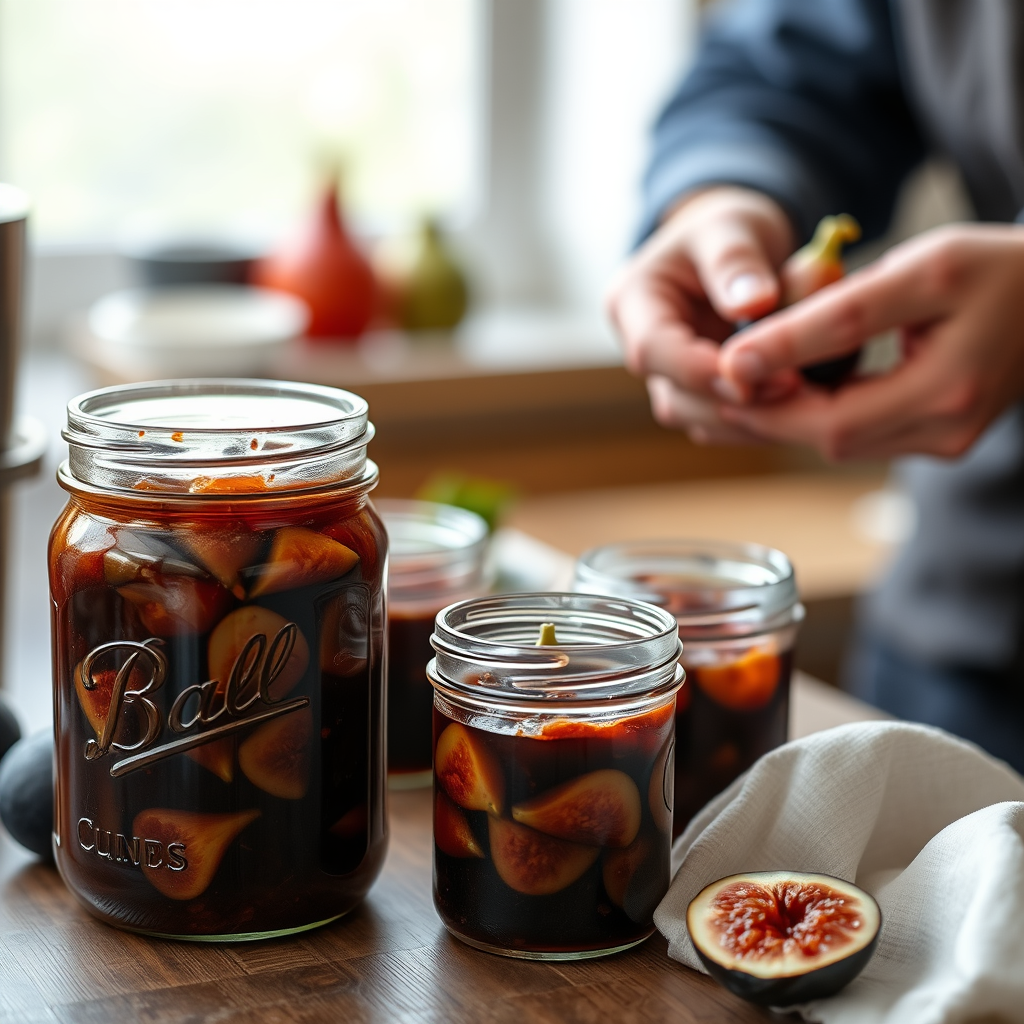
1. Gather Ingredients: Use 4 cups of ripe figs, 2 cups of granulated sugar, 1/4 cup of lemon juice, and 1/2 teaspoon of cinnamon (optional).
2. Prepare Figs: Wash figs thoroughly to eliminate any dirt or contaminants. Remove stems and chop them into quarters for even cooking.
3. Cook Mixture: In a large, heavy-bottomed pot, combine figs, sugar, lemon juice, and cinnamon. Cook over medium heat, stirring frequently, until the mixture reaches a rolling boil. This should take approximately 15-20 minutes.
4. Test for Doneness: Use the plate test to determine if the jam is set. Place a spoonful of the jam on a chilled plate and tilt it. If the jam holds its shape without pooling, it is ready for canning.
5. Sterilize Jars: While the jam cooks, sterilize your canning jars and lids. Submerge them in boiling water for at least 10 minutes to eliminate any bacteria.
6. Fill Jars: Pour the hot fig jam into the sterilized jars, leaving a 1/4 inch headspace at the top. Wipe the rims of the jars with a clean cloth to ensure a proper seal, then place the lids on.
7. Process in Water Bath: Place the jars in a boiling water bath canner. Process the jars for 10 minutes, adjusting for altitude as needed (add 5 minutes for elevations above 1,000 feet).
8. Cool and Store: After processing, carefully remove the jars from the water bath and place them on a clean towel to cool. Once cool, check that the lids have sealed properly by pressing the center of each lid; it should not pop back. Store the sealed jars in a cool, dark place.
Nutritional Information for Fig Jam (Per Serving)
| Nutrient | Amount | % Daily Value |
|---|---|---|
| Calories | 120 | 6% |
| Total Fat | 0g | 0% |
| Sodium | 0mg | 0% |
| Total Carbohydrate | 31g | 10% |
| Dietary Fiber | 1g | 4% |
| Sugars | 28g | Not a significant source |
| Protein | 0g | 0% |
| Calcium | 20mg | 2% |
| Iron | 0.1mg | 1% |
| Potassium | 120mg | 3% |
Warning Signs: When Not to Follow This
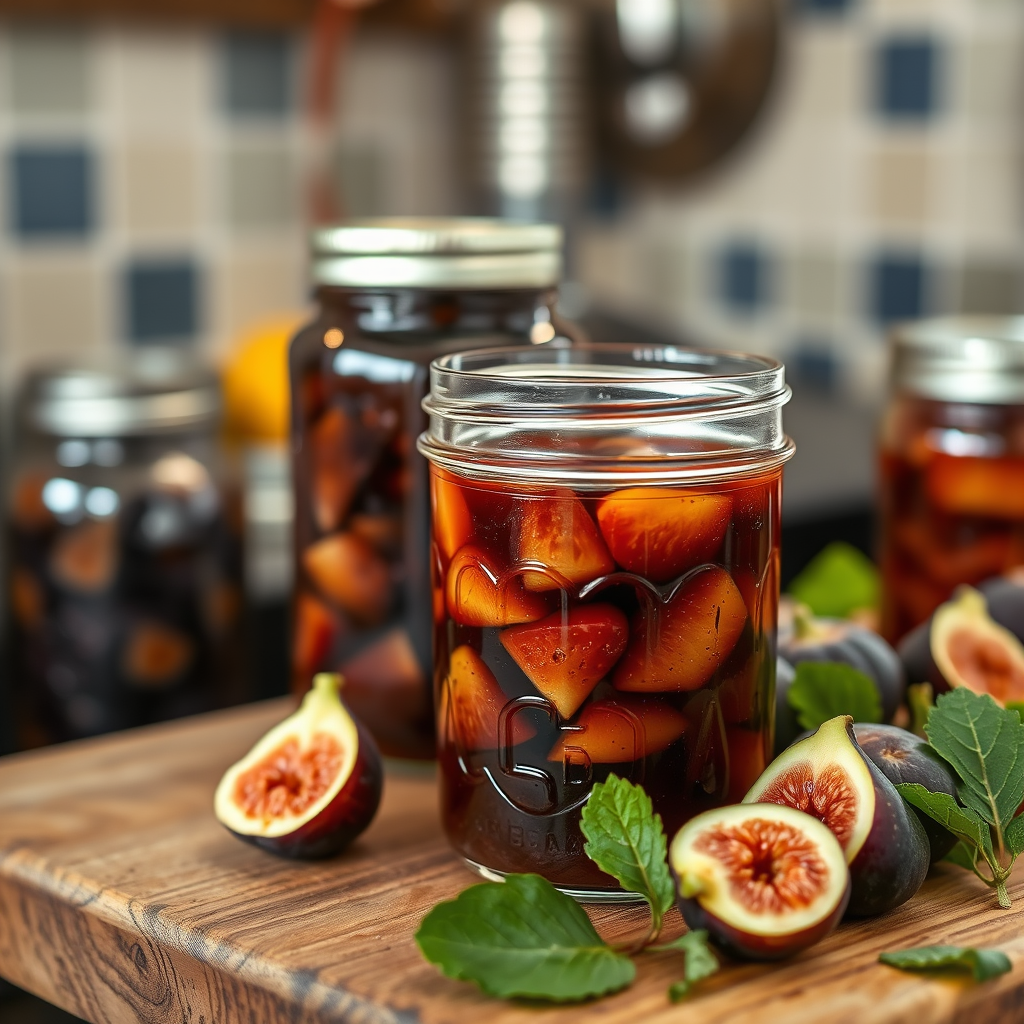
Avoid canning fig jam if the figs are overripe, moldy, or exhibit any signs of spoilage, as this could compromise preservation safety. Do not proceed with this recipe if you lack the proper canning equipment, such as a water bath canner, since this can jeopardize the safety of the process. If you have a compromised immune system or are canning for individuals with food safety concerns, it is wise to seek professional guidance before moving forward. Additionally, refrain from using this guide if you cannot strictly adhere to the precise measurements and processing times outlined, as deviations could lead to unsafe products.
The Most Common Mistakes (And Their Consequences)
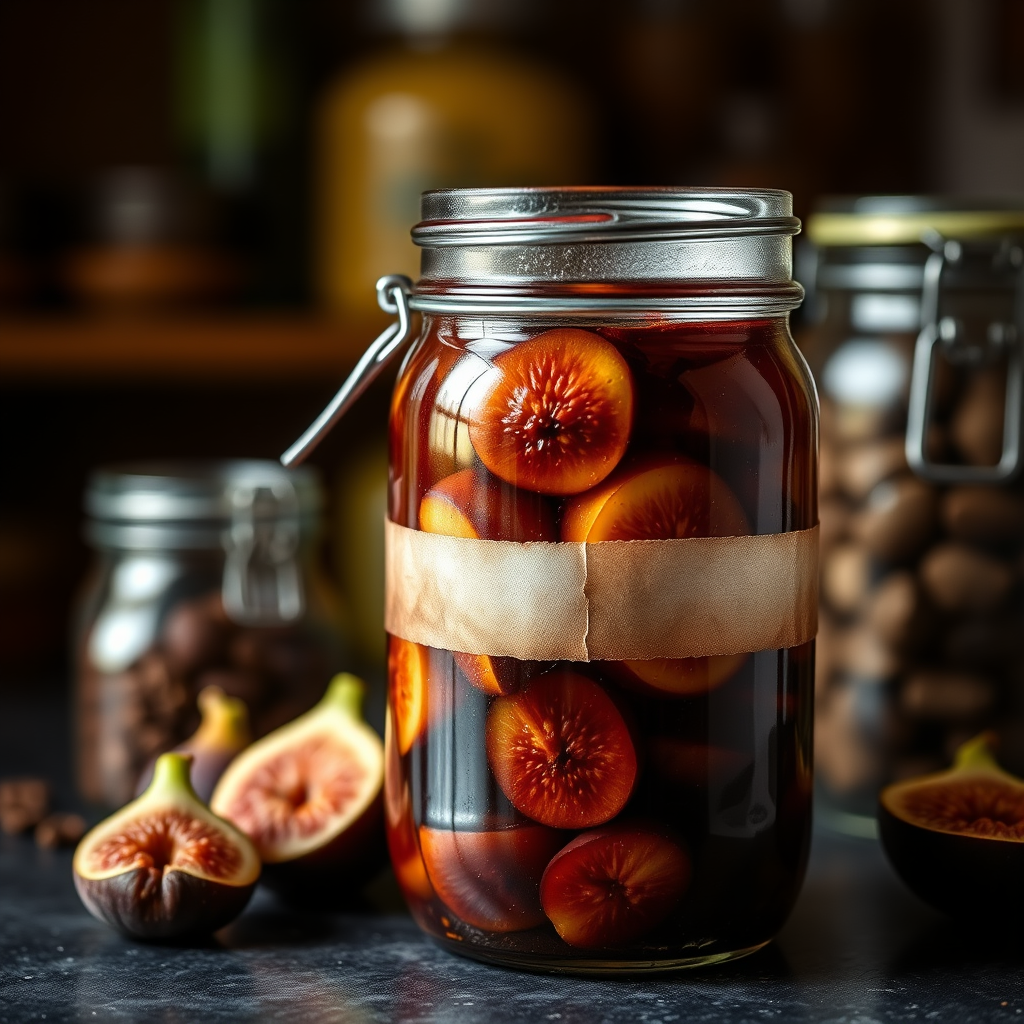
One frequent mistake is neglecting to properly sterilize jars and lids, which heightens the risk of bacterial growth and spoilage. Inaccurate ingredient measurements can disrupt the sugar-to-fruit ratio, adversely affecting the jam’s consistency and safety. Overlooking the significance of processing time in the water bath can result in under-processed jars, risking spoilage or the growth of harmful bacteria. Ignoring the headspace requirement may lead to jar breakage during processing or improper sealing, ultimately compromising the jam’s shelf life.
Special Cases That Need a Different Approach
If using low-sugar or sugar-free pectin, follow specific instructions for adjusting sugar amounts and cooking time, as these products often require different processing protocols. For those with dietary restrictions or preferences, consider alternative sweeteners like honey or agave; however, ensure that these substitutions meet canning safety standards. When canning large batches, process smaller increments to guarantee that all jars are filled and sealed correctly without compromising the jam’s quality. If using figs from non-commercial sources, such as a personal garden, test for acidity levels; low acidity may necessitate additional lemon juice or citric acid for safety.
When You Need a Professional
If you discover a batch of figs that shows signs of spoilage or unusual fermentation, consult a food preservation expert before attempting to can. Should you be uncertain about the acidity levels of your figs or the safety of your canning methods, it’s essential to reach out to a local extension office or food safety expert for guidance. In cases of canning mishaps, such as jars not sealing properly or signs of spoilage post-canning, seek professional advice to evaluate the safety of the product before consumption. If you intend to can fig jam for resale, consult with a licensed food safety professional to ensure compliance with local regulations and safety standards.
Sources and Further Reading
– USDA Complete Guide to Home Canning, which provides detailed guidelines on safe canning practices and recipes.
– National Center for Home Food Preservation, offering research-based information on food preservation methods and safety protocols.
– “Canning and Preserving For Dummies” by Amelia Jeanroy, which outlines essential techniques and troubleshooting tips for home canners.
– Local Cooperative Extension Services, which provide resources and support for safe home food preservation practices and canning workshops.
Frequently Asked Questions
What ingredients do I need for a fig jam recipe for canning?
To make a delicious fig jam for canning, you’ll need fresh figs, sugar, lemon juice, and pectin. The fresh figs provide the base flavor, while sugar balances the sweetness and helps with preservation. Lemon juice adds acidity, which is essential for safe canning, and pectin helps the jam to set properly.
How do I properly prepare figs for canning jam?
To prepare figs for canning jam, start by washing them thoroughly under cold water. Remove the stems and any blemished parts, then chop the figs into small pieces to help them cook down evenly. This preparation ensures that your fig jam has a smooth texture and rich flavor.
Why is pectin important in a fig jam recipe for canning?
Pectin is crucial in a fig jam recipe for canning because it acts as a thickening agent, helping the jam to achieve the desired consistency. Without enough pectin, your fig jam may turn out runny and won’t set properly. Additionally, using the right amount of pectin ensures that your jam has the right balance of sweetness and tartness.
What is the best way to can fig jam safely?
The best way to can fig jam safely is to use the water bath canning method. Start by sterilizing your jars and lids, then fill them with hot fig jam, leaving appropriate headspace. Process the jars in boiling water for the recommended time based on your altitude, ensuring a proper seal for long-term storage.
Which types of figs are best for making jam?
The best types of figs for making jam include Black Mission, Kadota, and Brown Turkey figs, as they have a high sugar content and rich flavor. These varieties not only yield a sweeter jam but also contribute to a more complex taste profile. Choosing ripe, fresh figs will enhance the overall quality of your canned fig jam.
References
- Fruit preserves
https://en.wikipedia.org/wiki/Jam - https://www.extension.purdue.edu/extmedia/FS/FS-12-W.pdf
https://www.extension.purdue.edu/extmedia/FS/FS-12-W.pdf - https://www.foodsafety.gov/keep/charts/canning.html
https://www.foodsafety.gov/keep/charts/canning.html - https://www.nal.usda.gov/legacy/legacy/food-preservation-jams-jellies
https://www.nal.usda.gov/legacy/legacy/food-preservation-jams-jellies - https://www.uga.edu/extension/food/canning-and-preserving.html
https://www.uga.edu/extension/food/canning-and-preserving.html - Efficacy of lumacaftor-ivacaftor for the treatment of cystic fibrosis patients homozygous for the…
https://www.ncbi.nlm.nih.gov/pmc/articles/PMC4963025/ - https://www.extension.iastate.edu/vegetablegardening/jam-and-jelly-canning
https://www.extension.iastate.edu/vegetablegardening/jam-and-jelly-canning - https://www.cdc.gov/foodsafety/communication/canning.html
https://www.cdc.gov/foodsafety/communication/canning.html - Google Scholar Google Scholar
https://scholar.google.com/scholar?q=fig+jam+recipe+canning - Google Scholar Google Scholar
https://scholar.google.com/scholar?q=canning+figs+homemade+preserves