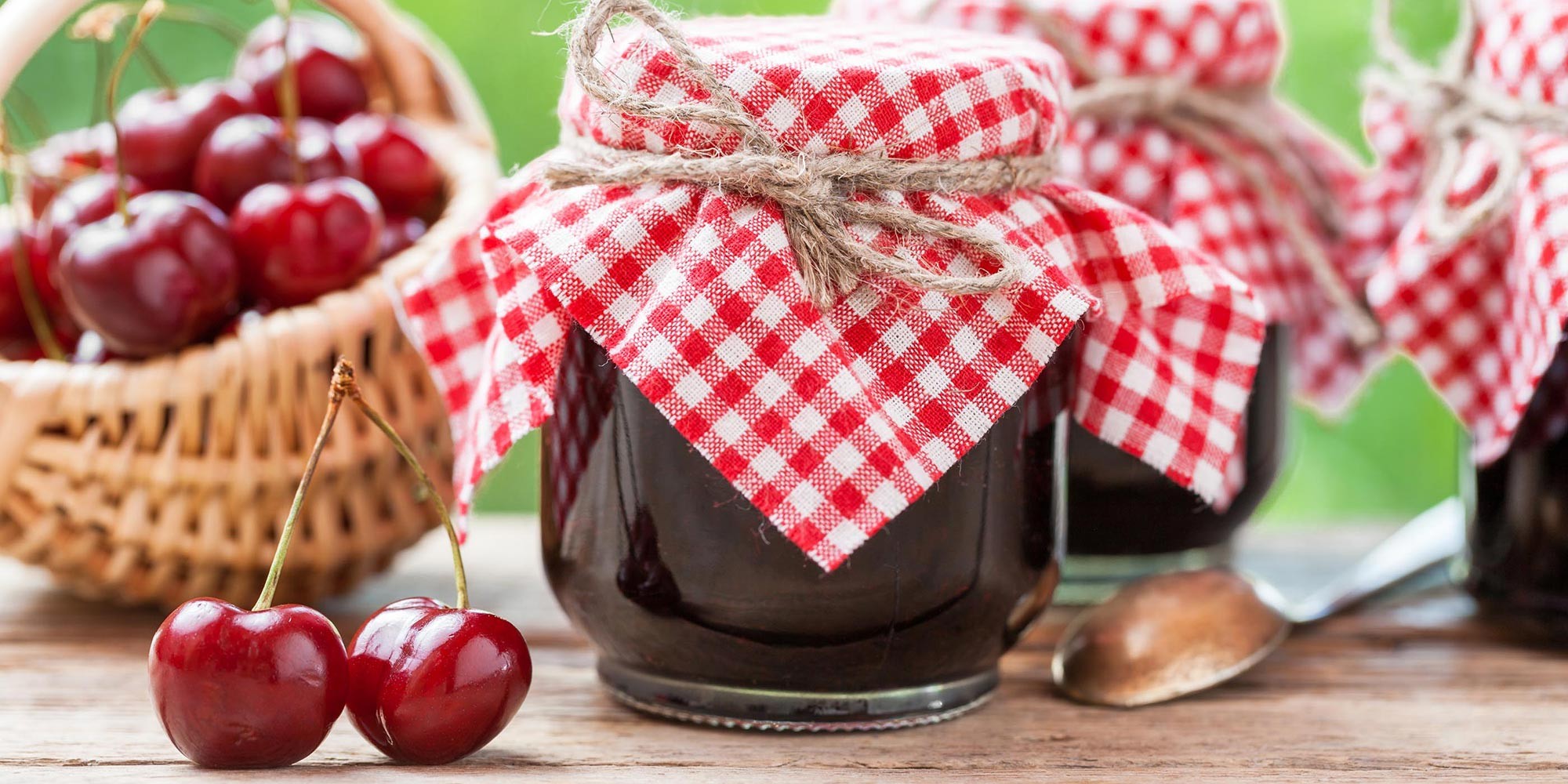
Master the art of making cherry jam with pectin using this complete expert guide, designed for both novice and seasoned home canners. This guide provides precise, step-by-step instructions, ensuring your jam achieves the perfect balance of flavor and consistency. Following the right protocol is crucial for food safety and optimal taste, making this resource indispensable for anyone looking to create delicious, homemade cherry jam.
What This Guide Covers (And What It Doesn’t)
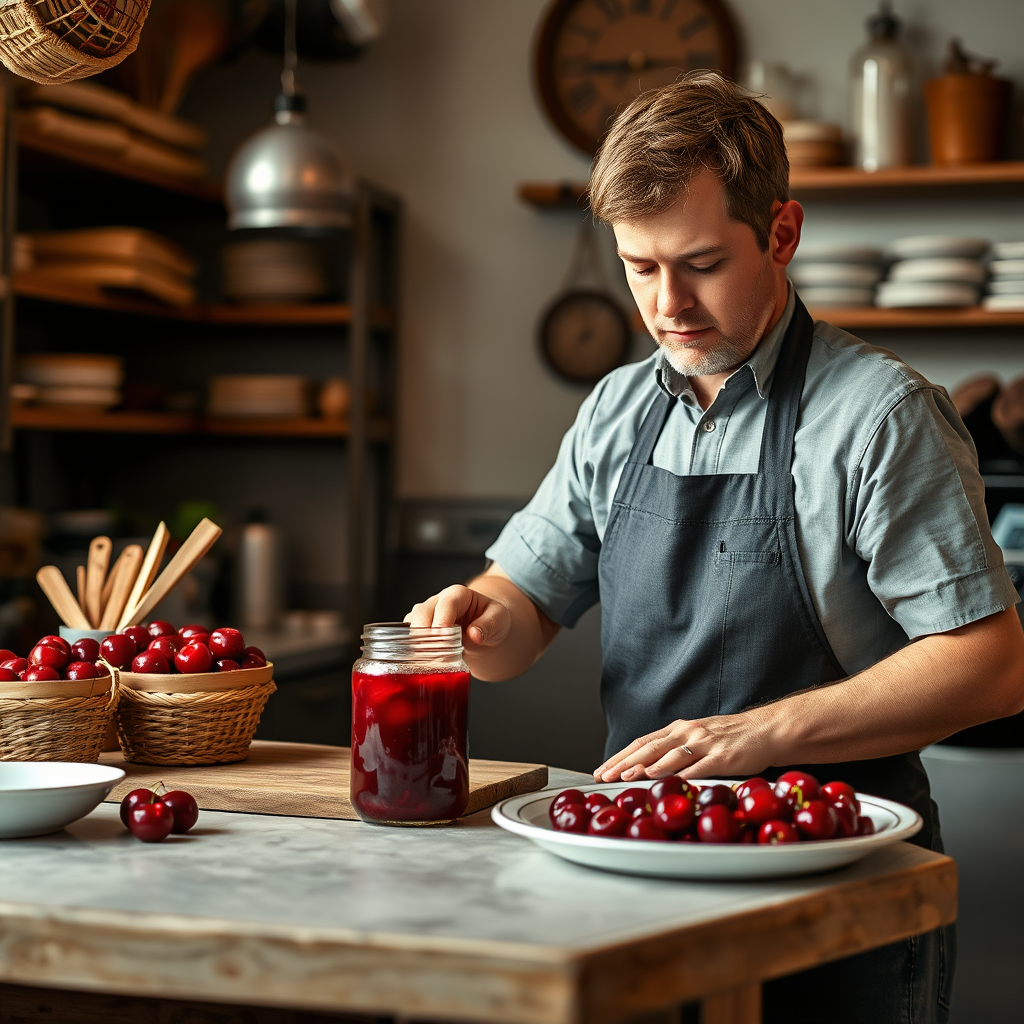
This guide offers a thorough, step-by-step cherry jam recipe that utilizes pectin as a gelling agent, guaranteeing a smooth and well-set jam. You will find detailed information on selecting the right ingredients, measuring accurately, and the necessary equipment for successful jam-making. However, it does not address alternative jam-making techniques that do not use pectin or variations of cherry jam that incorporate additional fruits or flavorings.
Who Should Read This
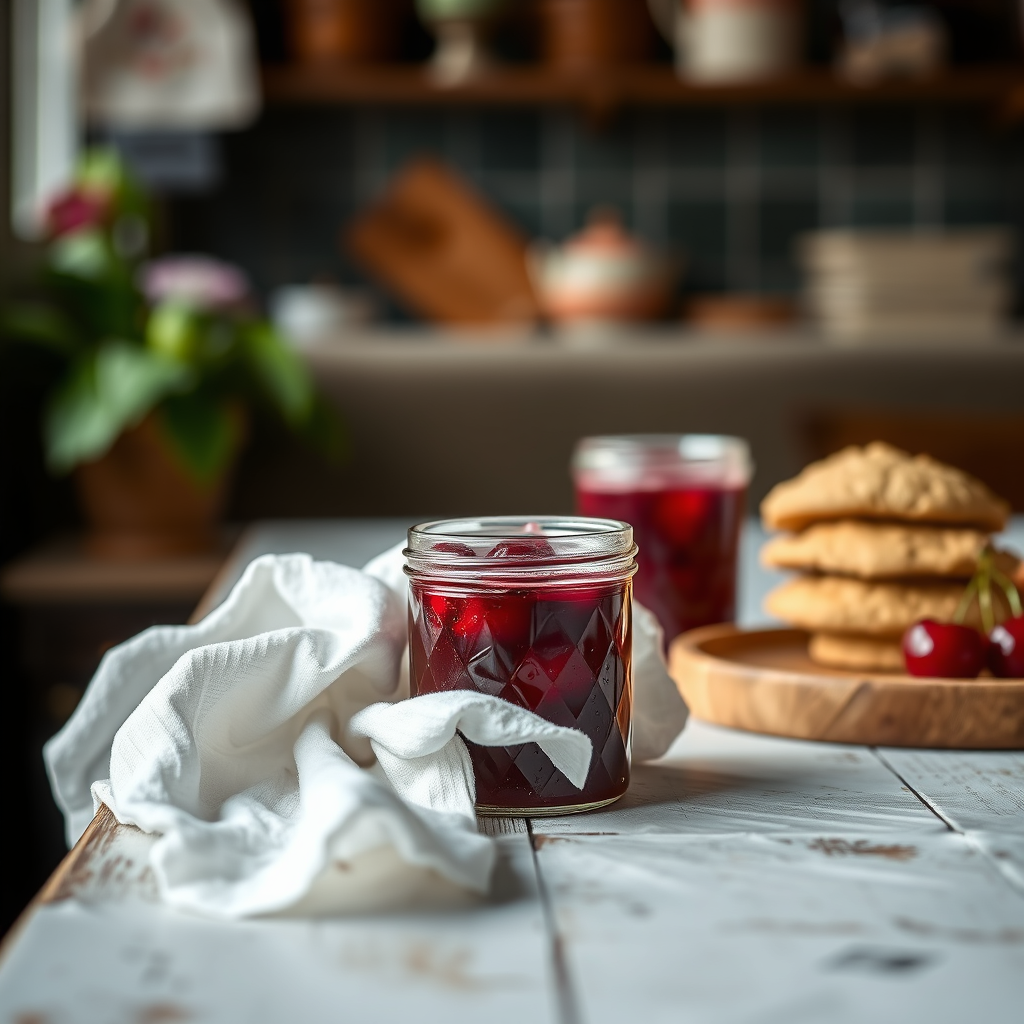
This guide is ideal for home cooks eager to preserve seasonal fruits and craft homemade cherry jam using a reliable, tested recipe. Beginners in canning and jam-making, who may be unfamiliar with pectin and its role in achieving the desired consistency, will find the clear instructions particularly beneficial. However, those with dietary restrictions or preferences, such as low-sugar diets, may find this guide less suitable, as it focuses on traditional methods that utilize standard sugar quantities.
The Step-by-Step Protocol
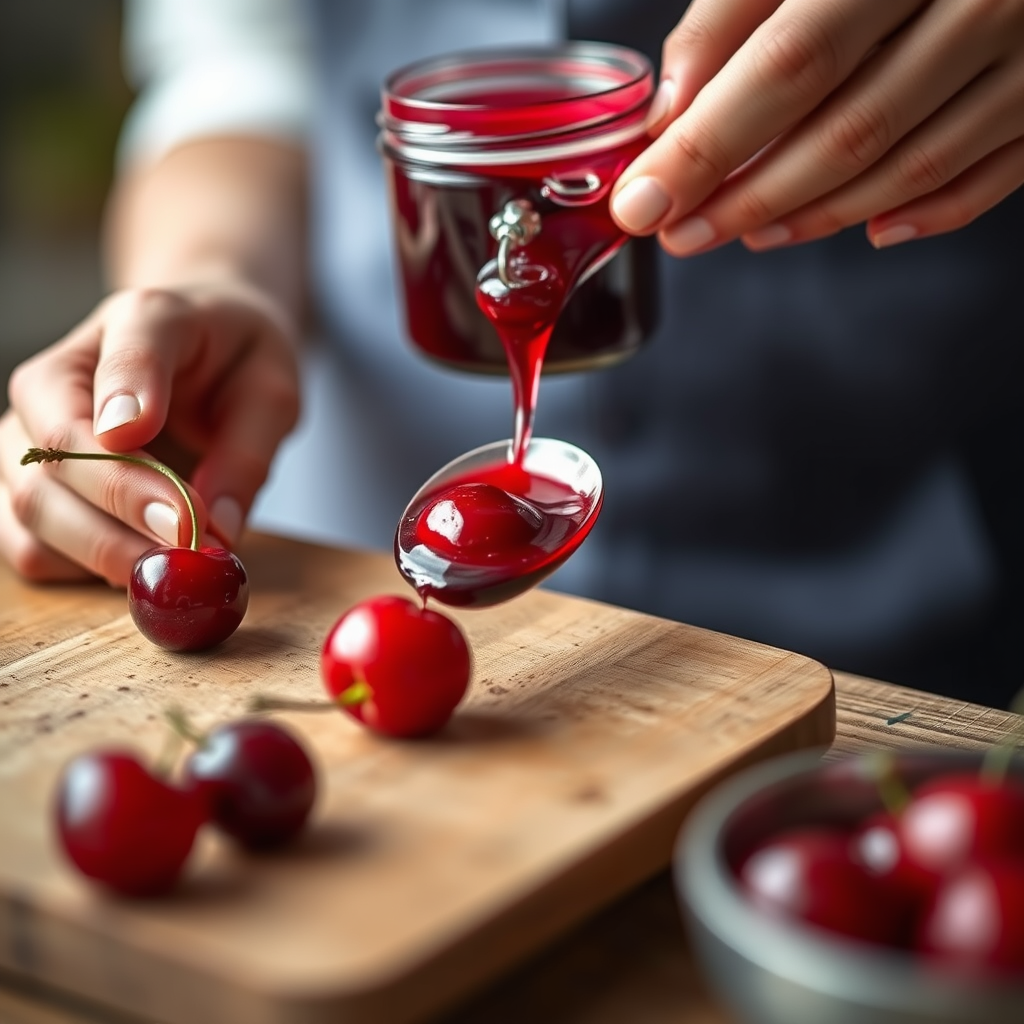
1. Gather Ingredients: Measure 4 cups of pitted, crushed fresh cherries, 1/4 cup of lemon juice, 1 package (1.75 oz) of fruit pectin, and 5 cups of granulated sugar. Ensure your cherries are ripe but not overripe for the best flavor and consistency.
2. Prepare Equipment: Sterilize 6 to 8 half-pint jars and lids by boiling them in water for 10 minutes. Set up a water bath canner, making sure it has enough water to cover the jars by at least 1 inch during processing.
3. Cook the Jam: In a large pot, combine the crushed cherries, lemon juice, and pectin. Bring this mixture to a full boil over medium heat, stirring constantly to prevent sticking.
4. Add Sugar and Boil: Once boiling, add the sugar all at once. Stir continuously and return to a rolling boil. Maintain this boil for 1-2 minutes until the sugar is completely dissolved, ensuring the mixture does not stick to the bottom of the pot.
5. Check for Set: Use a candy thermometer to ensure the mixture reaches 220°F (104°C). This temperature is critical for pectin-based recipes to confirm proper gel formation. If you do not have a thermometer, use the “spoon test”: dip a spoon into the jam; if it sheets off and holds its shape, it’s ready.
6. Fill Jars: Ladle the hot jam into the prepared jars, leaving 1/4 inch of headspace. Wipe the rims of the jars with a clean cloth to remove any residue before placing the sterilized lids on top.
7. Process in Water Bath: Process the jars in the water bath for 10 minutes. Adjust for altitude; add 1 additional minute for every 1,000 feet above sea level. This step is crucial to ensure the jam is sealed properly and safe for storage.
8. Cool and Store: After processing, allow the jars to cool completely on a clean towel. After 24 hours, check the seals by pressing the center of each lid; if it doesn’t pop back, the jar is sealed. Store the sealed jars in a cool, dark place.
Top 7 Cherry Varieties for Jam Making
| # | Cherry Variety | Flavor Profile | Sugar Content (g/100g) | Best For |
|---|---|---|---|---|
| 1 | Bing | Sweet, Juicy | 10 | Jam |
| 2 | Rainier | Sweet, Mild | 9 | Jelly |
| 3 | Sour Cherry | Tart, Bold | 6 | Preserves |
| 4 | Lapins | Sweet, Firm | 10 | Jam |
| 5 | Stella | Sweet, Juicy | 9 | Jelly |
| 6 | Morello | Tart, Rich | 5 | Preserves |
| 7 | Tart Cherry | Sour, Tangy | 7 | Jam |
Warning Signs: When Not to Follow This
If you have allergies to cherries or pectin, it is essential to avoid this recipe, as adverse reactions can occur. Additionally, do not attempt this recipe with cherries that are overly ripe, moldy, or starting to spoil, as this can lead to food safety issues and compromise the quality of your jam. Furthermore, if you lack the proper canning equipment—such as a water bath canner and sterilized jars—do not proceed, as these are critical for safe preservation.
The Most Common Mistakes (And Their Consequences)
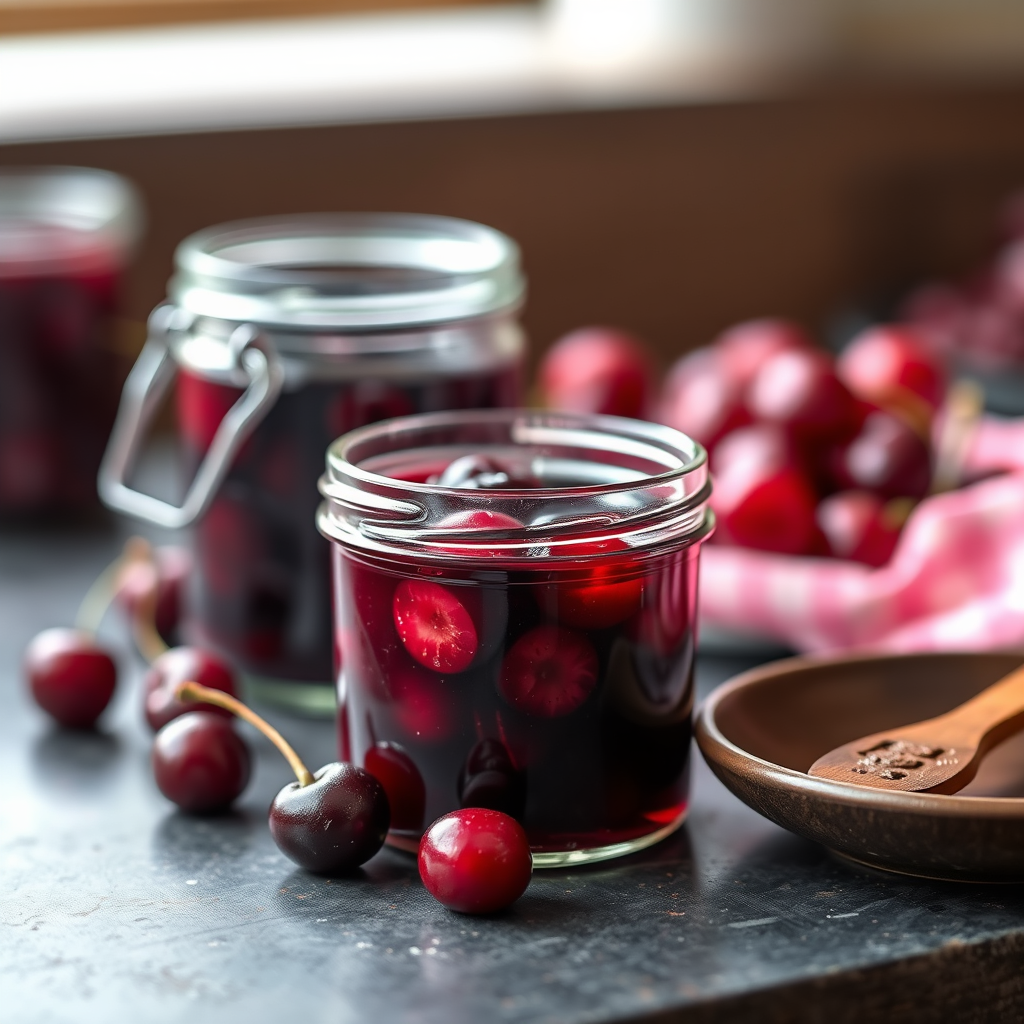
Neglecting to sterilize jars can introduce harmful bacteria, leading to spoilage or foodborne illness in your cherry jam. Inaccurate pectin measurement can result in a runny or overly stiff jam that fails to set correctly. Moreover, not bringing the mixture to a full rolling boil may prevent the jam from reaching the necessary temperature for proper gelling, resulting in an unsatisfactory texture.
Special Cases That Need a Different Approach
If you opt for frozen cherries instead of fresh, ensure you thaw and drain any excess moisture before measuring to prevent a watery jam. For those looking to reduce sugar, utilize a pectin product specifically designed for low-sugar recipes, as traditional pectin requires a higher sugar ratio for effective gelling. Additionally, if making cherry jam in a high-altitude area, be sure to adjust processing times and confirm that the boiling point is reached to achieve the desired set and seal.
When You Need a Professional
If you’re uncertain about the safety of your ingredients or have specific health conditions that may impact food preservation, consulting a food safety specialist is advisable. In cases of significant preservation failures—such as jars not sealing properly or jam spoiling—seek guidance from a licensed canning expert to troubleshoot these issues. Furthermore, if you plan to sell homemade cherry jam, consult local food regulations and a food safety expert to ensure compliance with commercial canning standards.
Sources and Further Reading
– USDA Complete Guide to Home Canning, which provides the foundational guidelines for safe home canning practices.
– The National Center for Home Food Preservation, offering research-based information on preserving fruits, including cherry jam.
– Pectin manufacturer instructions, such as those from Certo or Ball, for specific recipes and usage guidelines tailored to their products.
Frequently Asked Questions
What ingredients do I need for a cherry jam recipe with pectin?
To make cherry jam with pectin, you’ll need fresh or frozen cherries, granulated sugar, pectin (either powdered or liquid), and lemon juice. The cherries should be pitted and crushed, while the sugar helps to balance the tartness of the cherries and aids in the gelling process with pectin.
How do I prepare cherries for a cherry jam recipe with pectin?
Start by washing the cherries thoroughly, then remove the stems and pits. Once pitted, crush the cherries using a potato masher or food processor to release their juices, which is essential for creating a smooth jam texture. Measure the crushed cherries to ensure you have the right amount for your cherry jam recipe.
Why is pectin important in a cherry jam recipe?
Pectin is a natural thickening agent that helps the jam set properly, giving it a desirable consistency. Without pectin, cherry jam may not achieve the right firmness and could end up runny. Using pectin also allows for a quicker cooking time, making the jam-making process easier and more efficient.
What is the best type of pectin to use for cherry jam?
The best type of pectin for cherry jam is often a high-methoxyl pectin, as it works well with the sugar and acidity in the cherries. Brands like Sure-Jell or Ball offer reliable options that provide consistent results. For low-sugar recipes, look for pectin specifically designed for that purpose to achieve the best texture without excess sweetness.
Which common mistakes should I avoid when making cherry jam with pectin?
One common mistake is not measuring ingredients accurately, which can lead to improper gelling. Additionally, failing to properly sterilize jars can cause spoilage, so ensure jars are washed and heated before filling. Lastly, do not skip the boiling step after adding pectin, as it is crucial for activating the gelling properties and achieving the perfect jam consistency.
References
- Fruit preserves
https://en.wikipedia.org/wiki/Jam - https://www.ars.usda.gov/ARSUserFiles/np/CherryJam.pdf
https://www.ars.usda.gov/ARSUserFiles/np/CherryJam.pdf - https://www.extension.purdue.edu/extmedia/FNR/FNR-487-W.pdf
https://www.extension.purdue.edu/extmedia/FNR/FNR-487-W.pdf - https://www.extension.umn.edu/food/food-safety/food-preservation/jams-and-jellies/
https://www.extension.umn.edu/food/food-safety/food-preservation/jams-and-jellies/ - https://www.foodsafety.gov/keep/charts/jam.html
https://www.foodsafety.gov/keep/charts/jam.html - https://pubmed.ncbi.nlm.nih.gov/27333382/
https://pubmed.ncbi.nlm.nih.gov/27333382/ - Cases of Brainstem Infarcts after Cessation of Heparin Treatment: is it a Rebound Effect? – PMC
https://www.ncbi.nlm.nih.gov/pmc/articles/PMC4261389/ - https://www.google.com/search?q=cherry+jam+recipe+with+pectin&tbm=scholar
https://www.google.com/search?q=cherry+jam+recipe+with+pectin&tbm=scholar - Google Scholar Google Scholar
https://scholar.google.com/scholar?q=cherry+jam+recipe+with+pectin - Google Scholar Google Scholar
https://scholar.google.com/scholar?q=pectin+in+jam+making