Canning strawberry jam requires precision and adherence to safety protocols to ensure a delicious and safe product. This expert guide provides a step-by-step recipe, highlighting essential techniques and tips for preserving the vibrant flavor of strawberries while preventing spoilage. Following the correct procedures is crucial for both taste and food safety, making this guide indispensable for home canners aiming for perfection.
What This Guide Covers (And What It Doesn’t)
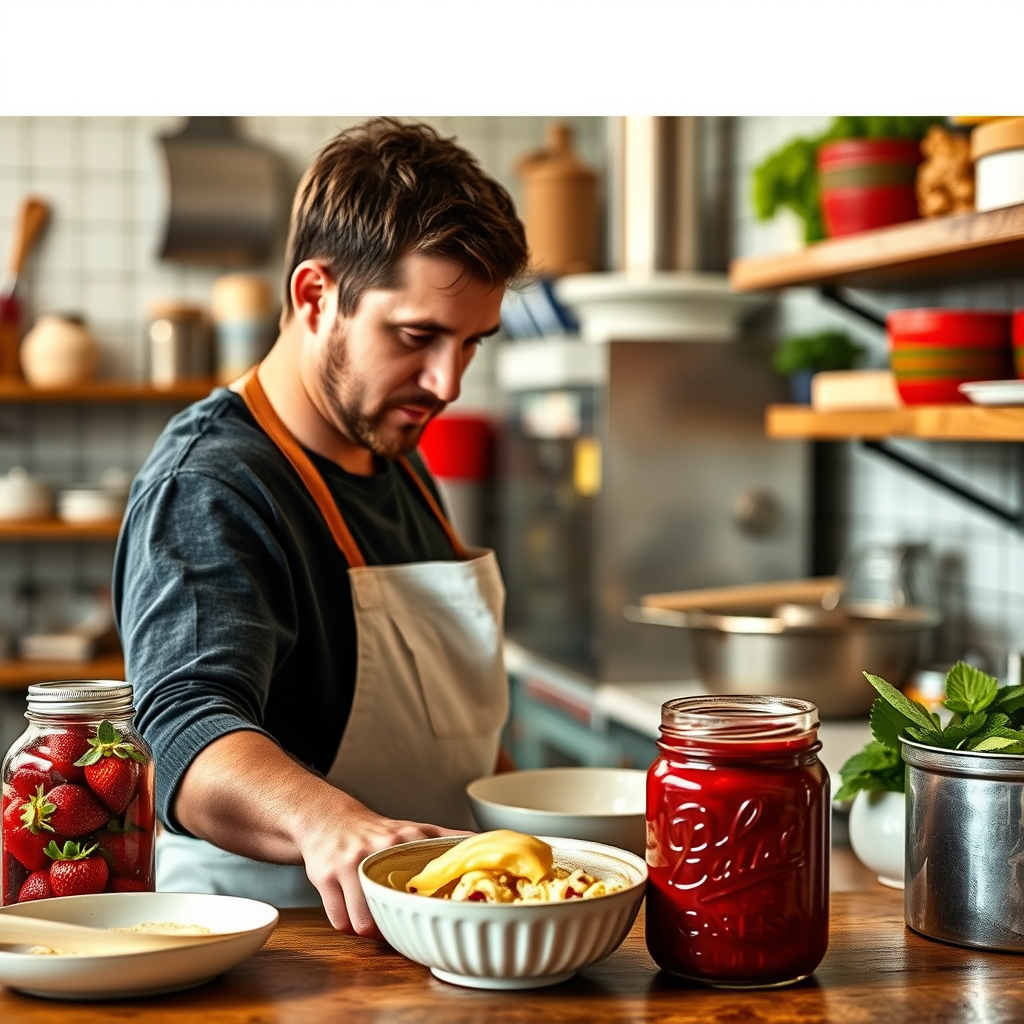
This guide offers a thorough procedure for safely canning strawberry jam using fresh strawberries, sugar, and pectin. Emphasizing preservation methods that adhere to USDA canning standards, it details the necessary equipment, ingredients, and techniques to ensure both flavor and safety. Following precise measurements and timings is crucial for success. Please note that this guide does not explore alternative jam recipes, fruit preservation methods, or canning techniques beyond strawberry jam, allowing for a focused approach on this specific recipe.
Who Should Read This
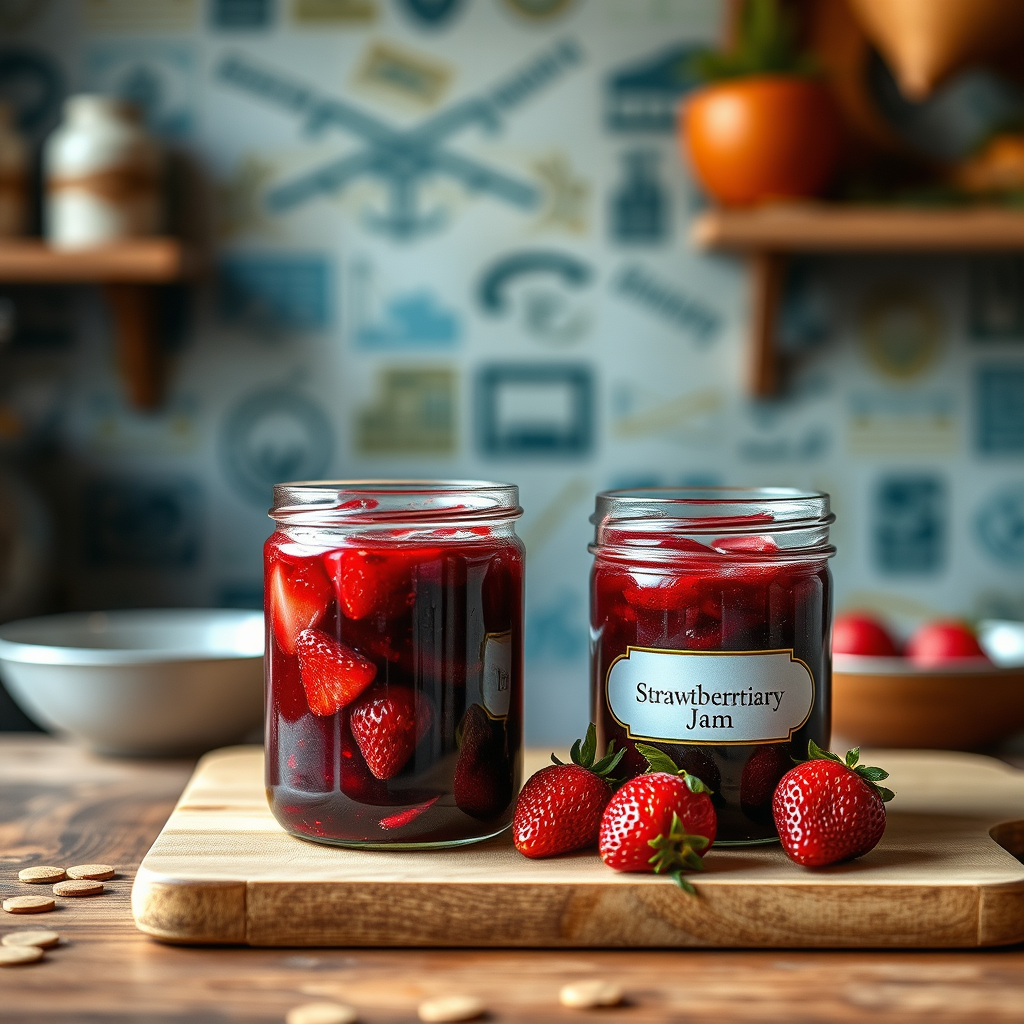
This guide is designed for home canners and food enthusiasts who possess a basic understanding of food safety and canning principles, such as the importance of sterilization and acidity levels. Those aiming to preserve seasonal strawberries at their peak ripeness for enjoyment throughout the year will find this guide particularly valuable. While beginners can benefit from the information provided, individuals with severe food allergies, medical conditions affecting food preservation, or specialized dietary needs should seek tailored guidance from professionals.
The Step-by-Step Protocol
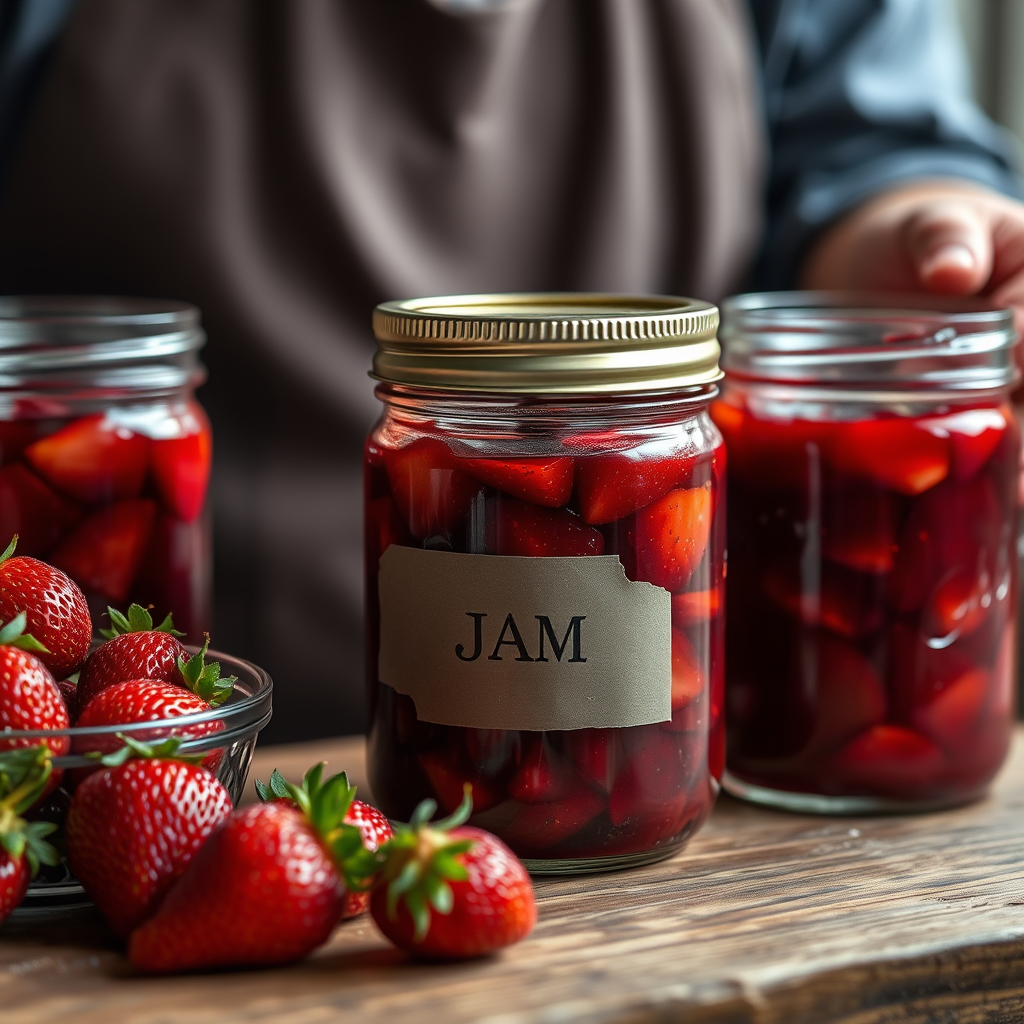
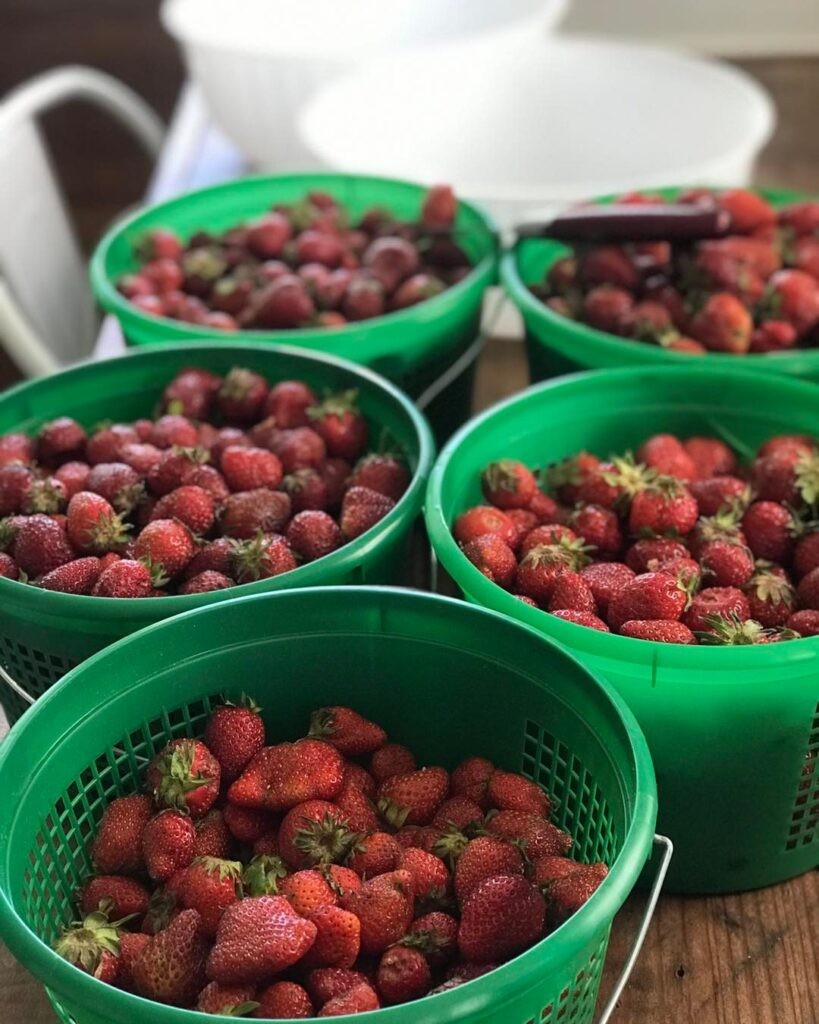
1. Gather Ingredients: Measure out 4 cups of crushed fresh strawberries, 5 cups of granulated sugar, and 1 box (1.75 oz) of fruit pectin (such as Sure-Jell) to ensure proper ratios for the jam.
2. Prepare Equipment: Sterilize canning jars and lids by boiling them for 10 minutes, then keep them hot. Fill a water bath canner with water, ensuring it covers the jars by at least 1 inch when submerged.
3. Cook the Jam: In a large pot, combine the crushed strawberries and pectin. Bring the mixture to a boil over medium-high heat, stirring constantly. Once boiling, add the sugar all at once and return to a rolling boil for 1 minute, stirring continuously to ensure the sugar dissolves completely.
4. Fill Jars and Process: Ladle the hot jam into sterilized jars, leaving a 1/4 inch headspace. Wipe the rims with a clean cloth, place lids on the jars, and screw on the bands until fingertip tight. Process the jars in a boiling water bath for 10 minutes, adjusting for altitude if necessary.
Nutritional Information for Strawberry Jam (per 1 tablespoon)
| # | Nutrient | Amount | % Daily Value* |
|---|---|---|---|
| 1 | Calories | 50 | 2% |
| 2 | Total Sugars | 13g | NA |
| 3 | Total Fat | 0g | 0% |
| 4 | Sodium | 0mg | 0% |
| 5 | Protein | 0g | 0% |
| 6 | Vitamin C | 10% DV | 10% |
| 7 | Calcium | 0% DV | 0% |
| 8 | Iron | 0% DV | 0% |
| 9 | Potassium | 15mg | 0% |
| 10 | Fiber | 0g | 0% |
Warning Signs: When Not to Follow This
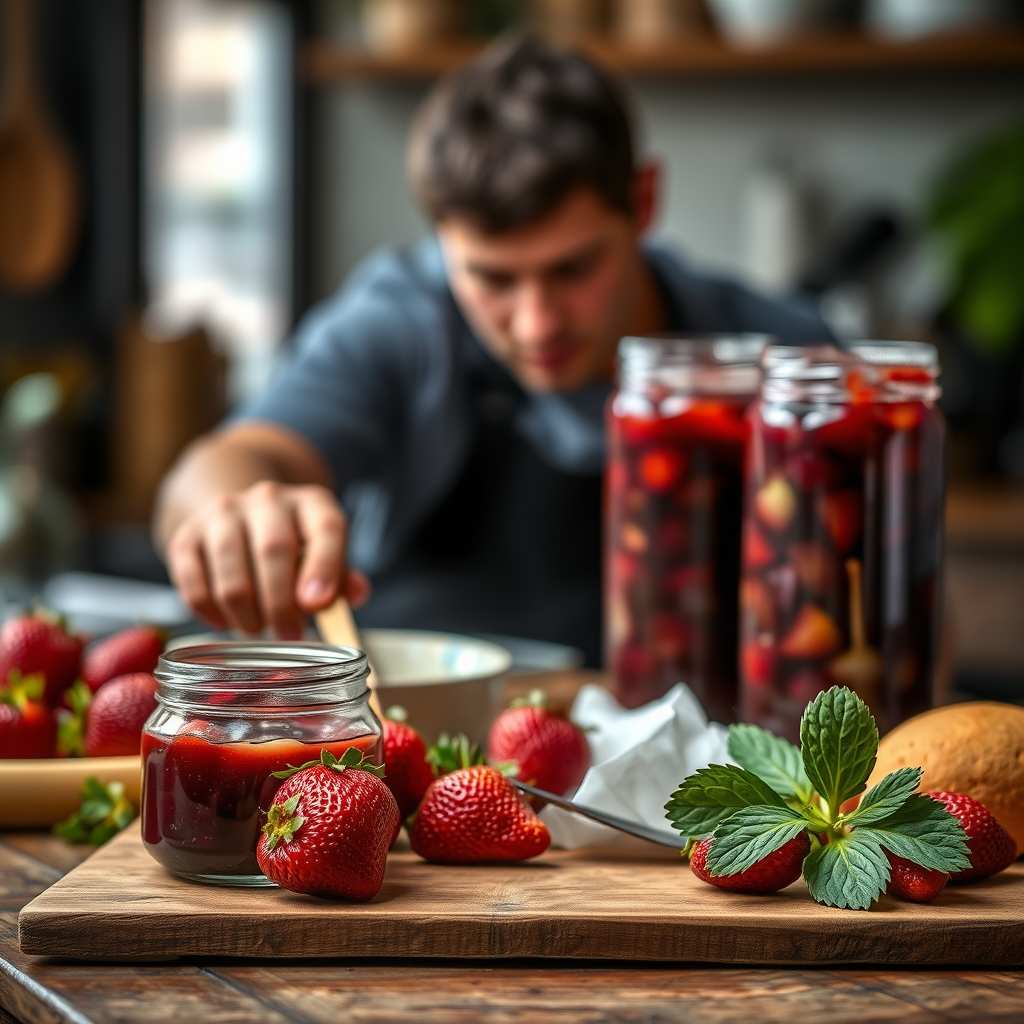
Avoid canning strawberry jam if your strawberries are overripe or moldy, as this can lead to spoilage or unsafe products. It’s also crucial not to can if you cannot achieve a rolling boil during the cooking process; this indicates insufficient heat to properly set the jam and kill harmful bacteria. If you notice any signs of spoilage in the finished jars — such as bubbling, off smells, or lid deformation — do not consume the jam; instead, discard it immediately.
The Most Common Mistakes (And Their Consequences)
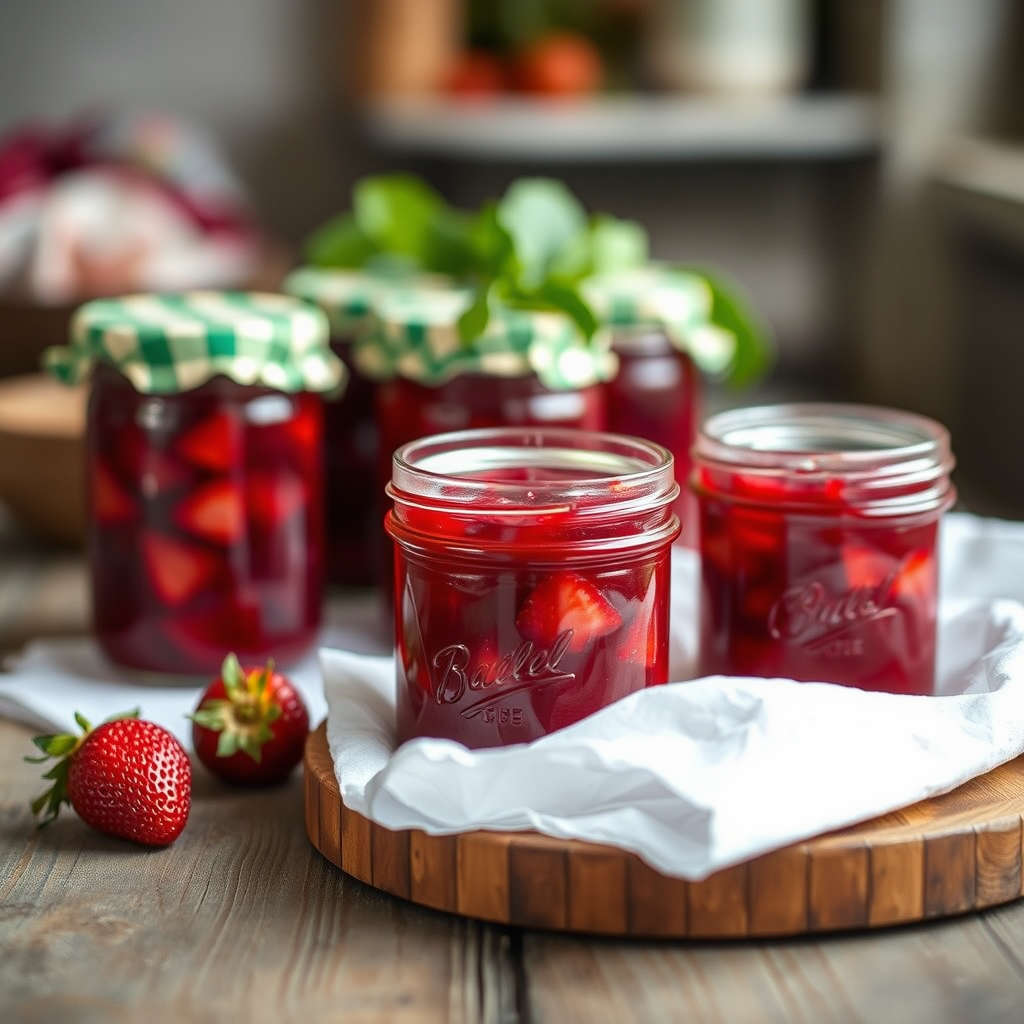
Many novice canners fall into the trap of using incorrect ratios of sugar to fruit, resulting in jam that fails to set properly or develops an off-flavor. Inadequate sterilization of jars can lead to contamination, risking spoilage and potential foodborne illness. Additionally, neglecting to adjust processing times for higher altitudes can result in jars that do not seal correctly, increasing the chances of spoilage and unsafe consumption.
Special Cases That Need a Different Approach
When using frozen strawberries, ensure they are thawed and drained of excess water while maintaining the same ratio of fruit to sugar and pectin to achieve the desired consistency. For those following low-sugar diets, opt for low or no-sugar pectin products and adjust sugar levels accordingly, adhering to the specific instructions provided on the pectin box. If adding flavors like vanilla or herbs, introduce these after the sugar has dissolved to avoid interfering with the gelling process.
When You Need a Professional
If you are uncertain about the acidity level of your jam — particularly when using non-standard ingredients — it’s wise to consult a licensed extension agent or certified canning professional. For persistent issues with jar sealing or spoilage, seeking expert advice can help assess your methods and equipment for safety compliance. If you experience any symptoms of foodborne illness related to your canned goods, contact a health professional immediately for guidance and potential testing.
Sources and Further Reading
– USDA Complete Guide to Home Canning, which outlines safety standards for home canning and provides specific details on fruit preservation.
– National Center for Home Food Preservation, offering extensive resources on canning techniques, recipes, and safety tips.
– Ball Canning’s official website, which includes reliable recipes, canning equipment recommendations, and troubleshooting advice for home canners.
Frequently Asked Questions
What ingredients do I need for a simple canned strawberry jam recipe?
To make a simple canned strawberry jam, you’ll need fresh strawberries, granulated sugar, lemon juice, and pectin. The strawberries should be ripe and washed thoroughly, while the sugar will help preserve the jam and enhance its sweetness. Pectin is crucial as it helps the jam set properly.
How do I properly can strawberry jam to ensure it lasts?
Properly canning strawberry jam involves sterilizing your jars and lids before filling them with hot jam. After sealing the jars with lids, process them in a boiling water bath for about 10-15 minutes to create a vacuum seal, which prevents spoilage and allows the jam to last for up to a year when stored in a cool, dark place.
Why is my canned strawberry jam too runny and how can I fix it?
If your canned strawberry jam is too runny, it may be due to insufficient cooking time or not using enough pectin. To fix this, you can reheat the jam, add a bit more pectin, and boil it for a few more minutes until it reaches the desired consistency. Always check the setting point by using the plate test to ensure it thickens appropriately.
What is the best method for making strawberry jam without added pectin?
The best method for making strawberry jam without added pectin is to use the natural pectin present in the fruit. Combine crushed strawberries with sugar and lemon juice, then cook the mixture over medium heat, stirring frequently until it thickens. This method may take longer, but it produces a rich, flavorful jam that highlights the strawberries’ natural sweetness.
Which types of strawberries are best for making canned jam?
The best types of strawberries for making canned jam are those that are ripe, sweet, and flavorful, such as June-bearing strawberries or ever-bearing varieties like Albion and Seascape. Look for strawberries that are vibrant red, firm, and fragrant, as these will yield a more delicious jam. Avoid overripe or mushy berries to ensure a better texture and taste in your final product.
References
- Fruit preserves
https://en.wikipedia.org/wiki/Jam - https://www.extension.purdue.edu/extmedia/HHS/HHS-809-W.pdf
https://www.extension.purdue.edu/extmedia/HHS/HHS-809-W.pdf - https://www.foodsafety.gov/food-safety-charts/jam-and-jelly-making
https://www.foodsafety.gov/food-safety-charts/jam-and-jelly-making - https://www.nal.usda.gov/legacy/legacy/food-preservation
https://www.nal.usda.gov/legacy/legacy/food-preservation - https://www.bhg.com/recipes/how-to/preserving/how-to-make-jam/
https://www.bhg.com/recipes/how-to/preserving/how-to-make-jam/ - Google Scholar Google Scholar
https://scholar.google.com/scholar?q=canned+strawberry+jams - Google Scholar Google Scholar
https://scholar.google.com/scholar?q=strawberry+jam+recipe - Google Scholar Google Scholar
https://scholar.google.com/scholar?q=preserving+strawberries+jam - https://www.extension.umn.edu/food/food-safety/food-preservation/
https://www.extension.umn.edu/food/food-safety/food-preservation/ - Page not found
https://www.clemson.edu/extension/food-safety/food-preservation/canning/jams-jellies.html