Master the art of making boysenberry jam with this complete expert guide that provides detailed, step-by-step instructions for achieving perfect results. This guide covers essential techniques, safety protocols, and ingredient tips to ensure your homemade jam not only tastes amazing but is also safe for consumption. Following these expert methods is crucial to avoid common pitfalls and to preserve the vibrant flavor of boysenberries. Elevate your canning skills and enjoy a delicious, homemade jam that stands out.
What This Guide Covers (And What It Doesn’t)
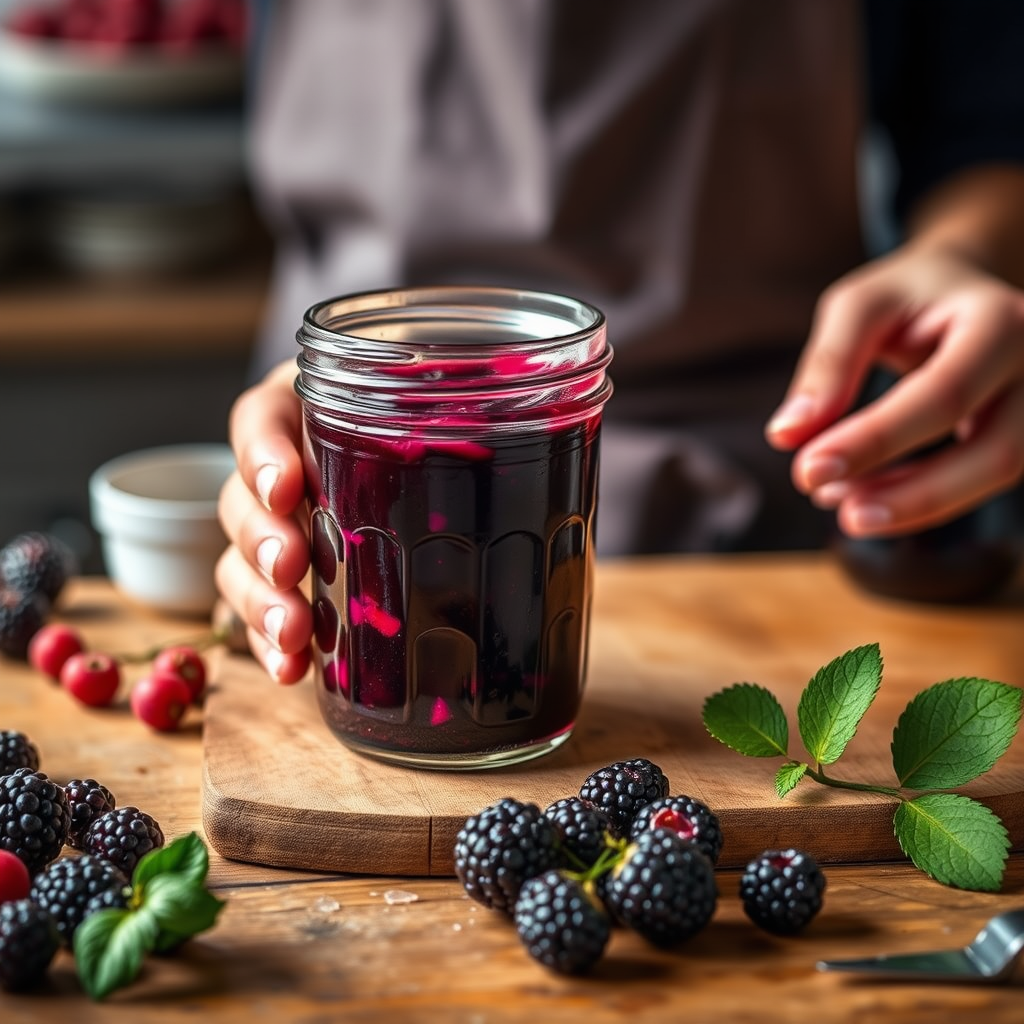
This guide presents an expert recipe for crafting boysenberry jam, complete with detailed ingredient lists, precise measurements, and cooking times. It emphasizes essential safety protocols, canning methods, and storage recommendations to guarantee the jam’s safety for consumption. However, this guide does not delve into alternative jam recipes or other uses for boysenberries, maintaining a clear focus on the traditional jam-making process.
Who Should Read This
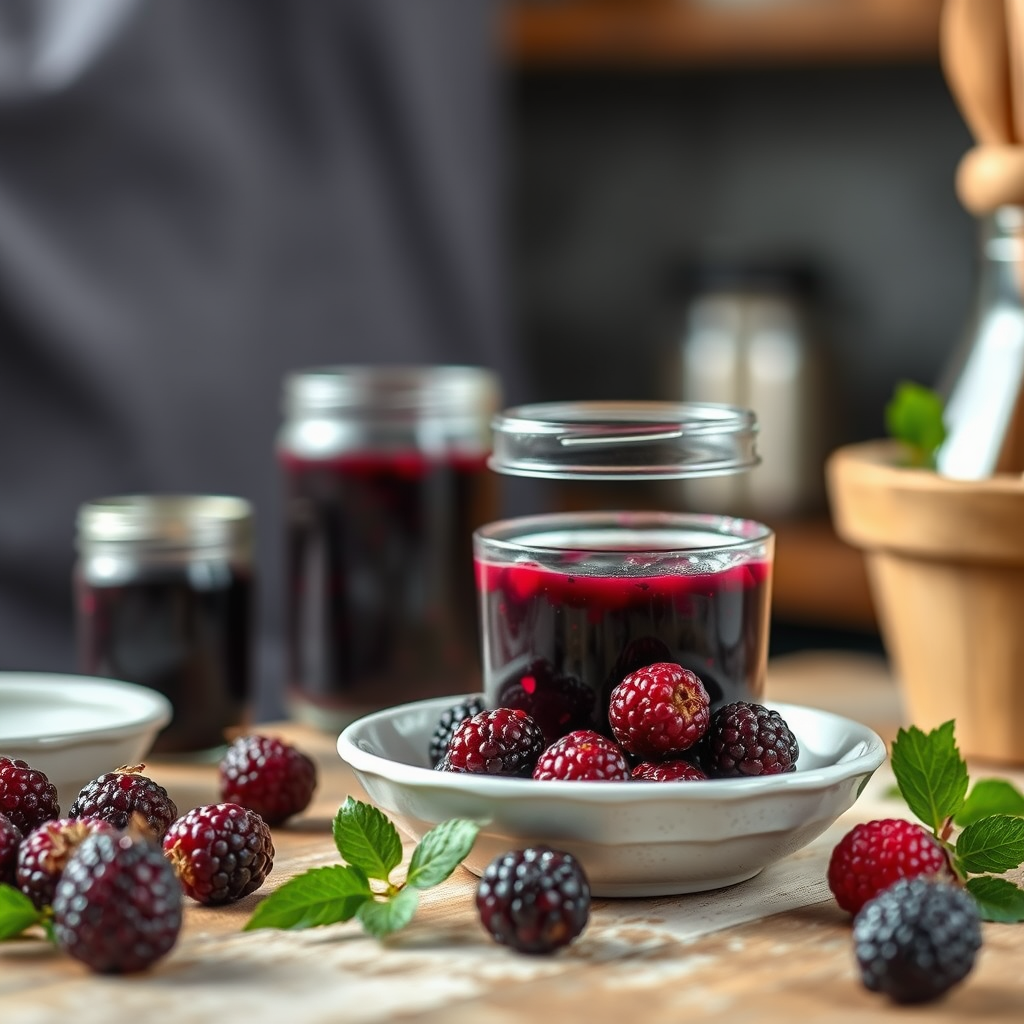
This guide is designed for home cooks who possess a foundational understanding of food preservation and wish to refine their skills specifically in making boysenberry jam. Those with prior canning or fruit preservation experience will find the information particularly useful, as it assumes familiarity with kitchen equipment and safety practices. This guide is not tailored for complete beginners, as the techniques discussed require a certain level of culinary knowledge.
The Step-by-Step Protocol
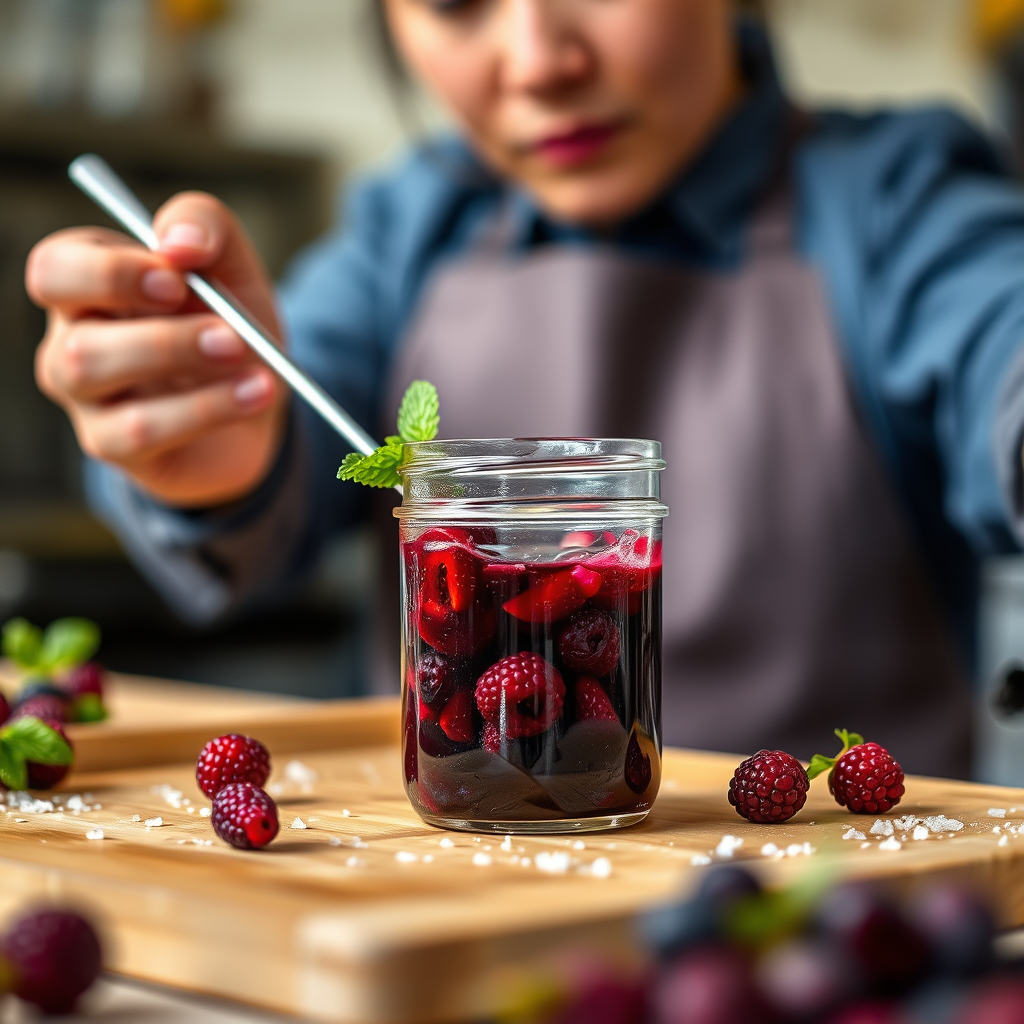
1. Prepare the Boysenberries: Gather 4 cups of fresh boysenberries. Wash them thoroughly under cold water, removing any stems or leaves. Carefully inspect the berries for any signs of spoilage.
2. Macerate the Berries: In a large pot, combine the boysenberries with 1 cup of granulated sugar and 2 tablespoons of lemon juice. Stir gently to ensure even mixing. Let the mixture sit for 30 minutes. This maceration process draws out the juices from the berries, enhancing their flavor and ensuring proper gel formation.
3. Cook the Mixture: After macerating, place the pot over medium heat and bring the mixture to a boil. Stir frequently to prevent the jam from sticking to the bottom of the pot. Cook for about 15-20 minutes until the mixture thickens. The sugar should dissolve completely, and the berries will break down.
4. Test for Consistency: To check if the jam is ready for canning, place a spoonful of the mixture on a cold plate. Allow it to cool for about one minute. If it holds its shape and does not run when tilted, the jam is ready. If it appears too runny, continue cooking for an additional 5 minutes and retest.
5. Prepare for Canning: While the jam is cooking, sterilize your canning jars and lids by boiling them in water for 10 minutes. This step is critical to prevent contamination and spoilage.
6. Fill the Jars: Once the jam reaches the desired consistency, carefully ladle it into the sterilized jars, leaving about 1/4 inch of headspace at the top. Wipe the rims of the jars with a clean cloth to eliminate any residue that could hinder a proper seal.
7. Seal and Process: Place the sterilized lids on the jars and screw on the metal bands until they are fingertip-tight. Process the jars in a water bath canner for 10 minutes to ensure a proper seal and eliminate any remaining bacteria. Adjust the processing time for altitude if necessary—add 5 minutes for every 1,000 feet above sea level.
8. Cool and Store: After processing, remove the jars from the water bath and let them cool completely on a clean towel or cooling rack. Once cooled, check the seals—if the lid does not flex up and down when pressed, the jar is sealed properly. Store the sealed jars in a cool, dark place for up to a year.
Top 7 Boysenberry Jam Brands by Popularity (2024)
| # | Brand | Net Weight | Sugar Content | Price |
|---|---|---|---|---|
| 1 | Smucker’s | 12 oz | 12g | $3.99 |
| 2 | Polaner | 10 oz | 10g | $4.29 |
| 3 | Bonne Maman | 13 oz | 11g | $5.49 |
| 4 | Frog Jam | 8 oz | 9g | $2.99 |
| 5 | Trappist Preserves | 12 oz | 11g | $4.99 |
| 6 | Crofter’s | 10 oz | 8g | $6.29 |
| 7 | Chivers | 11 oz | 10g | $3.49 |
Warning Signs: When Not to Follow This
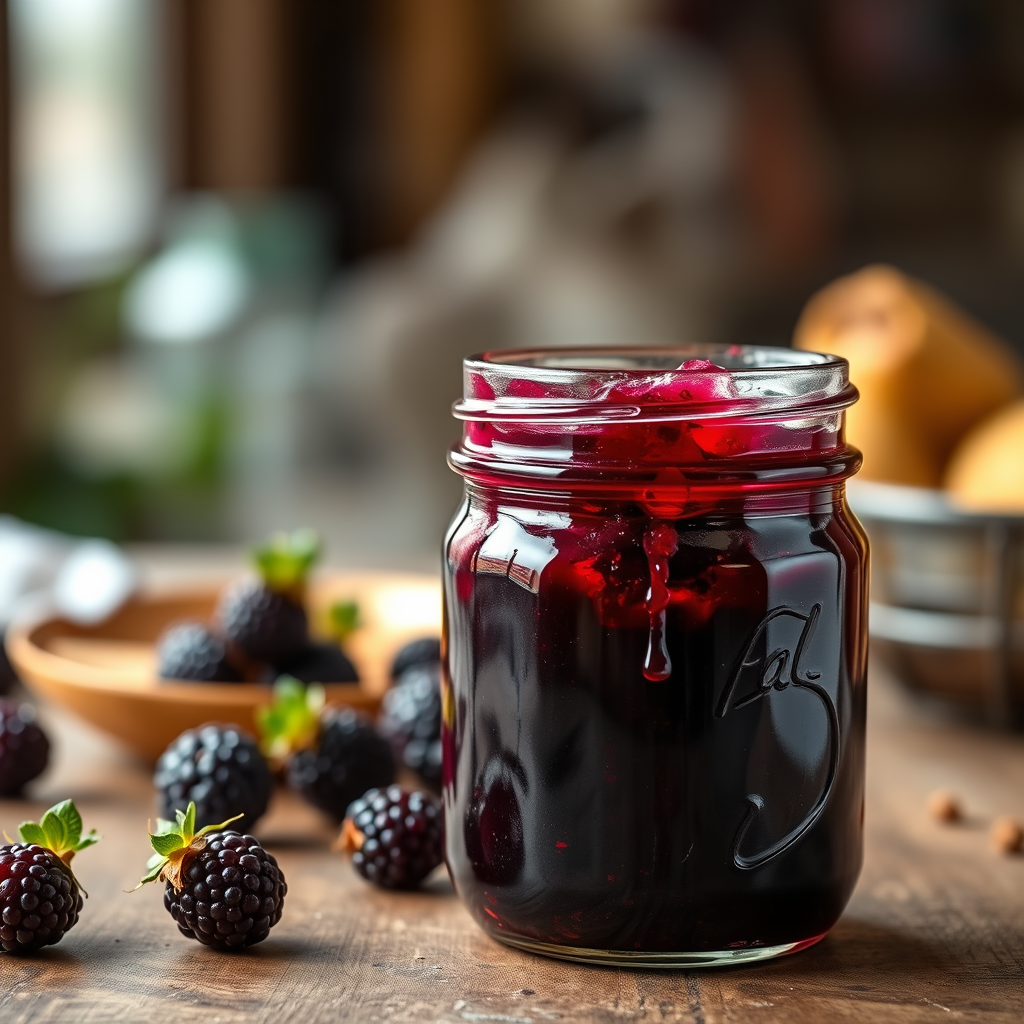
– Avoid making boysenberry jam if your boysenberries show signs of mold or spoilage, as this can compromise the safety of the final product.
– Do not proceed with this recipe if you cannot maintain a consistent boiling temperature throughout the cooking process, as this is crucial for proper gel formation.
– If you lack the necessary canning equipment, such as a water bath canner or jars with sealing lids, do not attempt to can the jam, as this could lead to foodborne illness.
The Most Common Mistakes (And Their Consequences)
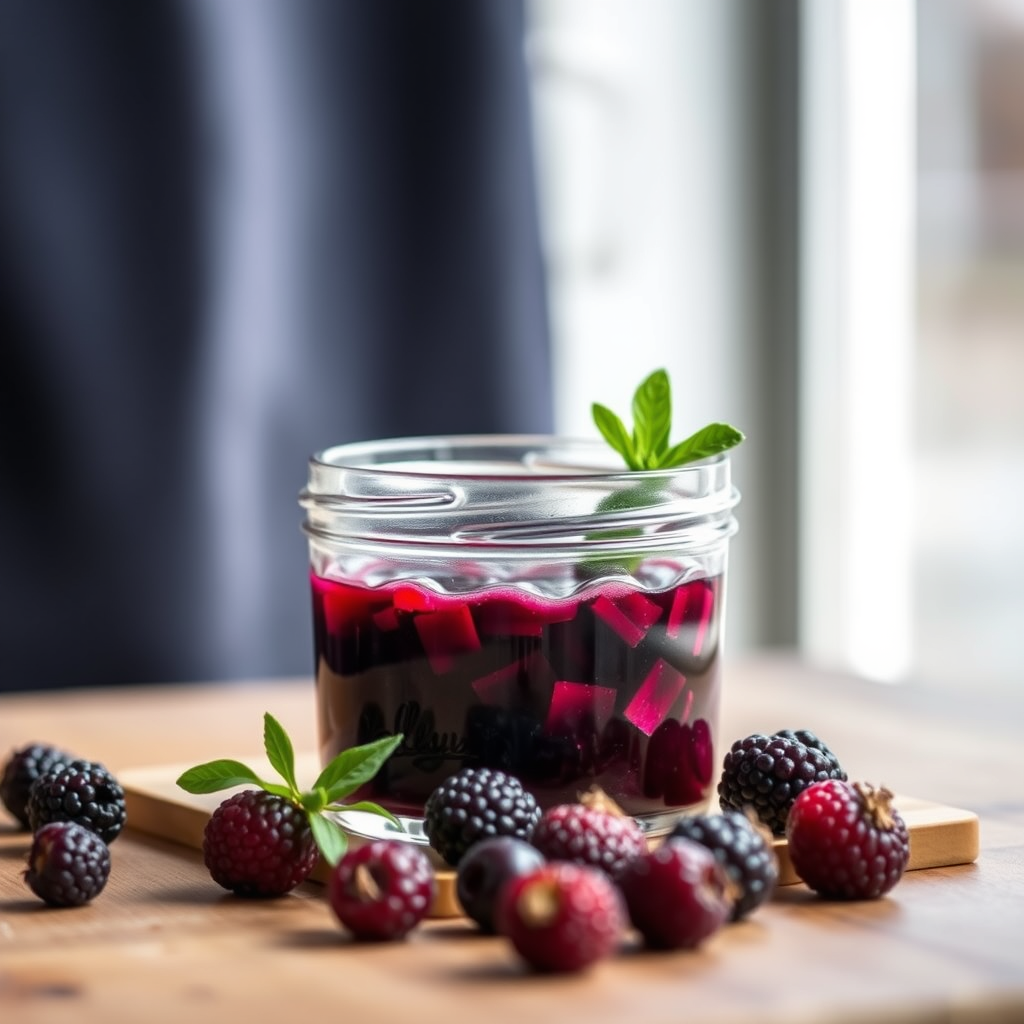
– Many novice jam makers underestimate the importance of precise measurements. Using too little sugar can result in a jam that fails to set properly. Insufficient sugar may also lead to fermentation or spoilage during storage.
– Failing to sterilize jars correctly can lead to contamination, resulting in spoilage or even botulism. Always boil jars and lids in water for 10 minutes before use.
– Skipping the maceration step can yield a jam that is overly tart or too runny, as it prevents the release of pectin from the fruit needed for proper thickening. This can result in a jam that lacks the desired texture and flavor balance.
Special Cases That Need a Different Approach
– If using frozen boysenberries, thaw them completely and drain excess liquid to avoid issues with the jam’s consistency. This ensures that the jam sets properly without becoming overly watery.
– For those with dietary restrictions, substituting granulated sugar with pectin-based sweeteners may require adjustments to the cooking time and method to achieve the same gel-like texture. Always refer to the sweetener’s packaging for specific guidance on substituting sugar.
– To infuse flavors, consider adding a sprig of rosemary or a dash of vanilla extract during the cooking process, but be prepared to adjust the sugar levels accordingly. Infused flavors can enhance the complexity of the jam but may alter the sweetness and acidity balance.
When You Need a Professional
– Consult a food preservation expert when experimenting with low-sugar or no-sugar recipes, as these can significantly alter the safety and preservation of the jam. The USDA recommends following established recipes that ensure safe acidity levels.
– If you notice any unusual odors or textures in your boysenberry jam during cooking or storage, seek professional advice before consumption to avoid potential health risks. An off smell or unusual texture may indicate spoilage or fermentation.
– In cases of severe allergies to components in the ingredients used (like pectin or citrus), it is advisable to work with a registered dietitian or a food safety professional for tailored advice. This can help ensure that any substitutions or modifications are both safe and effective.
Sources and Further Reading
– “The Complete Book of Home Preserving” by Ball Corporation provides in-depth guidelines on safe canning practices and recipes.
– The National Center for Home Food Preservation website offers research-based recommendations and safety information for home canning and preserving fruit jams.
– Reference USDA guidelines on home canning, ensuring adherence to safety standards and best practices for preserving boysenberry jam.
Frequently Asked Questions
What ingredients do I need for a simple boysenberry jam recipe?
To make a simple boysenberry jam, you will need 4 cups of fresh boysenberries, 1/4 cup of lemon juice, 5 cups of granulated sugar, and 1 package of pectin. This combination will ensure a balanced sweetness and the perfect texture for your homemade jam.
How do I make boysenberry jam without it being too runny?
To prevent boysenberry jam from being too runny, ensure you use the correct amount of pectin as indicated in your recipe. Additionally, cooking the jam until it reaches the proper gel stage, which can be tested by placing a spoonful on a cold plate and checking if it sets, will help achieve the desired consistency.
Why is my boysenberry jam not setting properly?
If your boysenberry jam is not setting, it may be due to insufficient pectin or not cooking it long enough. Make sure to follow the instructions on the pectin package and consider adding a bit more pectin or cooking the mixture for a longer time to help it gel properly.
What is the best way to store homemade boysenberry jam?
The best way to store homemade boysenberry jam is to place it in sterilized jars while still hot, then seal them tightly. Store the jars in a cool, dark place for long-term storage, and once opened, keep the jam in the refrigerator to maintain freshness.
Which types of pectin work best for making boysenberry jam?
Both powdered and liquid pectin work well for making boysenberry jam, but the choice depends on your preference and the specific recipe you’re following. Powdered pectin typically requires cooking the fruit mixture longer, while liquid pectin is often added at the end of the cooking process, making it a quicker option for jam-making.
References
- Boysenberry
https://en.wikipedia.org/wiki/Boysenberry - https://www.britannica.com/plant/boysenberry
https://www.britannica.com/plant/boysenberry - Google Scholar Google Scholar
https://scholar.google.com/scholar?q=boysenberry+jam+recipe - Google Scholar Google Scholar
https://scholar.google.com/scholar?q=boysenberry+preservation - Google Scholar Google Scholar
https://scholar.google.com/scholar?q=boysenberry+canning+recipes - https://www.sciencedirect.com/topics/agricultural-and-biological-sciences/boysenberry
https://www.sciencedirect.com/topics/agricultural-and-biological-sciences/boysenberry - A Computed Tomography Study of the Association Between Increased Patellar Tilt Angle and Femoral …
https://www.ncbi.nlm.nih.gov/pmc/articles/PMC6585535/ - IL-4-induced caveolin-1-containing lipid rafts aggregation contributes to MUC5AC synthesis in bro…
https://www.ncbi.nlm.nih.gov/pmc/articles/PMC5607571/ - The forensic lens: Bringing elder neglect into focus in the emergency department – PMC
https://www.ncbi.nlm.nih.gov/pmc/articles/PMC5003723/ - https://www.fda.gov/food/food-labeling-nutrition/food-safety-and-preservation-home-canning-and-preservation
https://www.fda.gov/food/food-labeling-nutrition/food-safety-and-preservation-home-canning-and-preservation