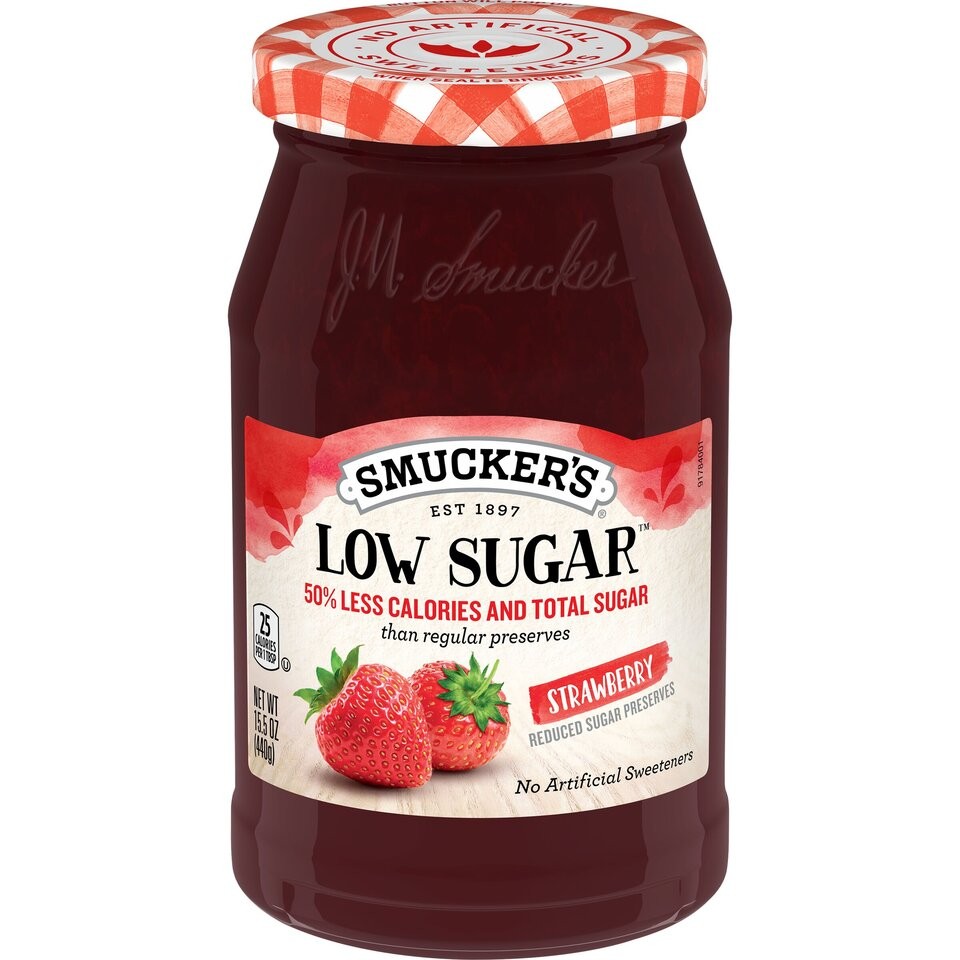
Master the art of making strawberry low sugar jam with this comprehensive step-by-step protocol designed for both novice and experienced cooks. This guide provides precise measurements, essential techniques, and expert tips to ensure your jam is not only delicious but also health-conscious. Following the correct protocol is crucial for achieving the perfect texture and flavor while minimizing sugar content, making it a must-have staple in your kitchen.
What This Guide Covers (And What It Doesn’t)
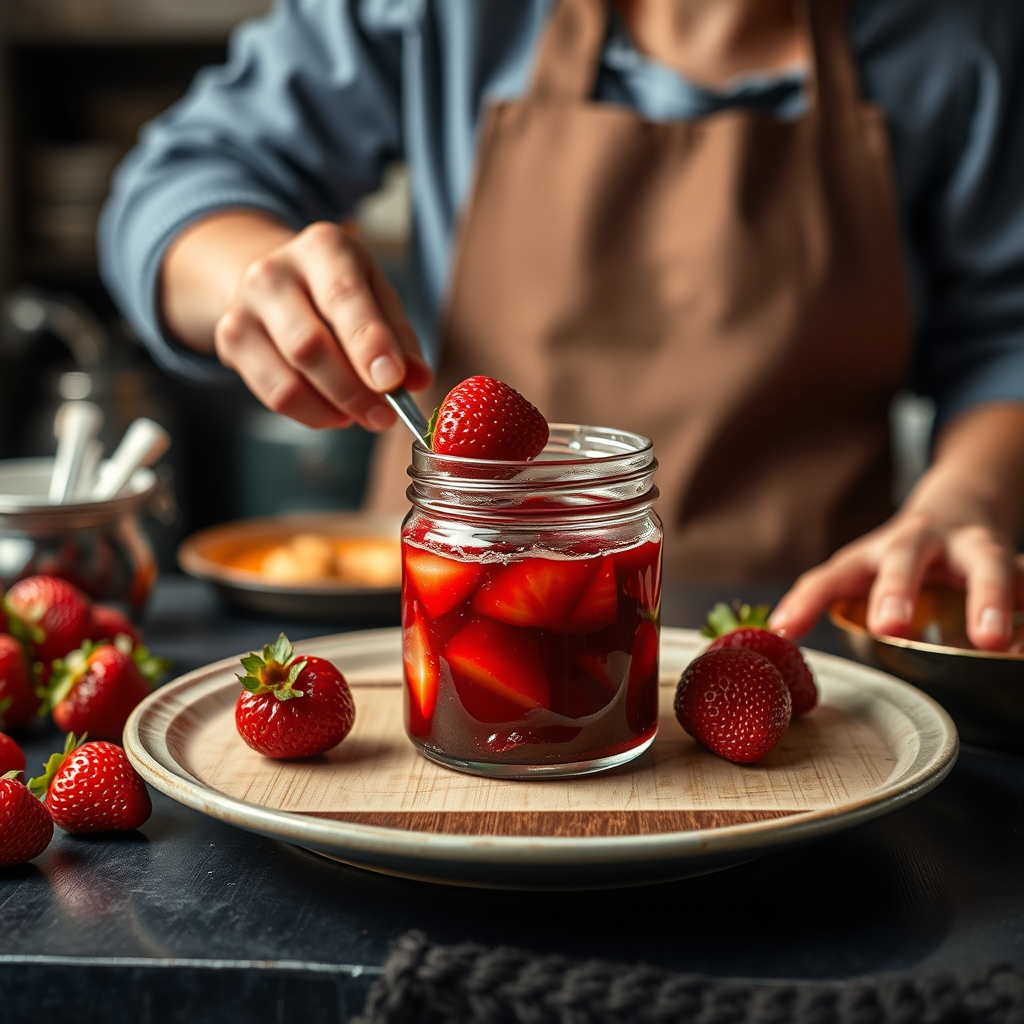
This guide offers a comprehensive, step-by-step protocol for crafting strawberry low sugar jam, focusing on techniques that ensure both flavor retention and proper preservation. You’ll find precise ingredient measurements, cooking times, and essential tools, making it easy for home cooks to replicate this healthier jam option. However, this guide does not address high-sugar jam recipes or alternative fruit jams, concentrating solely on strawberries and low sugar methods.
Who Should Read This
This guide is designed for home cooks with basic kitchen skills, including the ability to measure ingredients and use stovetops and canning equipment. It is particularly beneficial for those looking to reduce sugar intake without sacrificing the pleasure of homemade preserves, such as individuals with diabetes or those on low-sugar diets. If you’re unfamiliar with canning processes or low sugar ingredients, you may find this guide less useful, as it assumes a certain level of comfort with both the canning process and ingredient selection.
The Step-by-Step Protocol
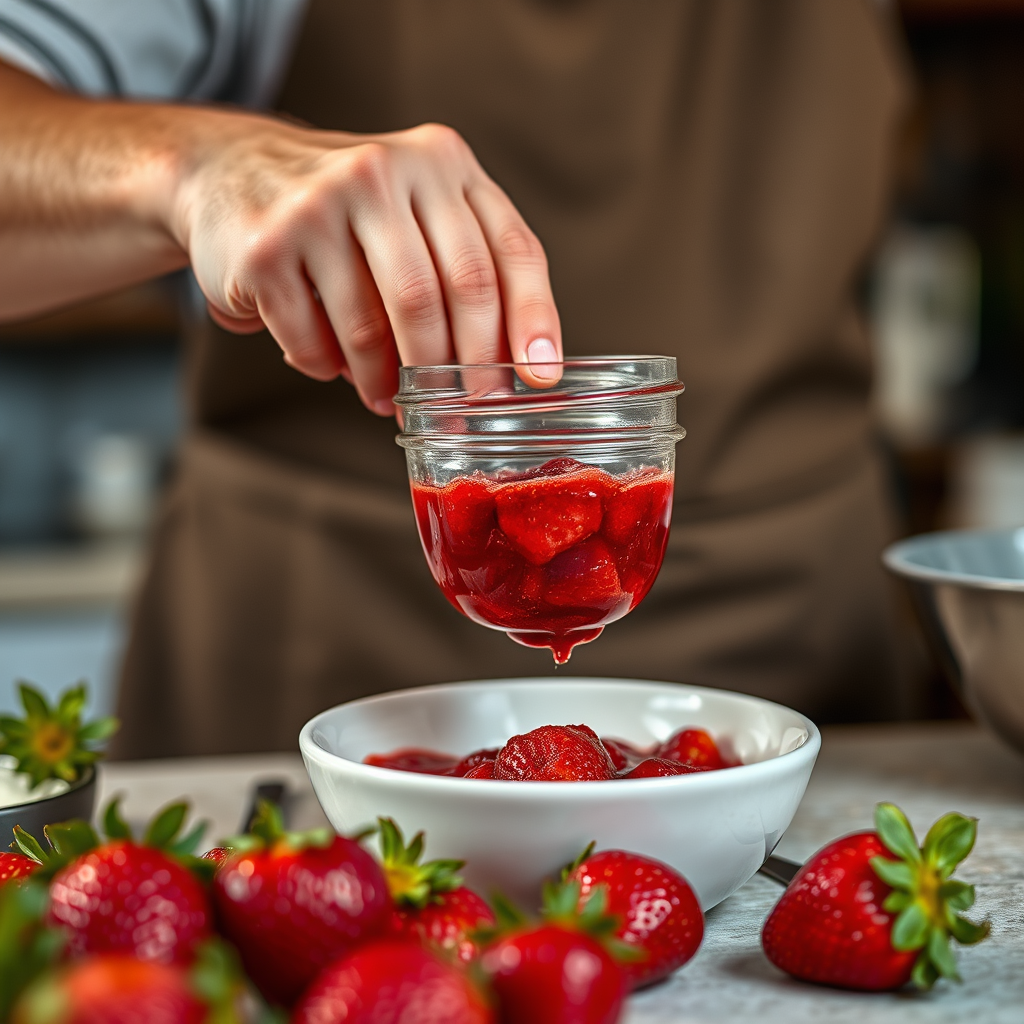
1. Gather Ingredients: Collect 2 pounds of fresh strawberries, 1 cup of low-sugar pectin (like Sure-Jell), ¾ cup of granulated sugar or a suitable sugar substitute, and 2 tablespoons of lemon juice.
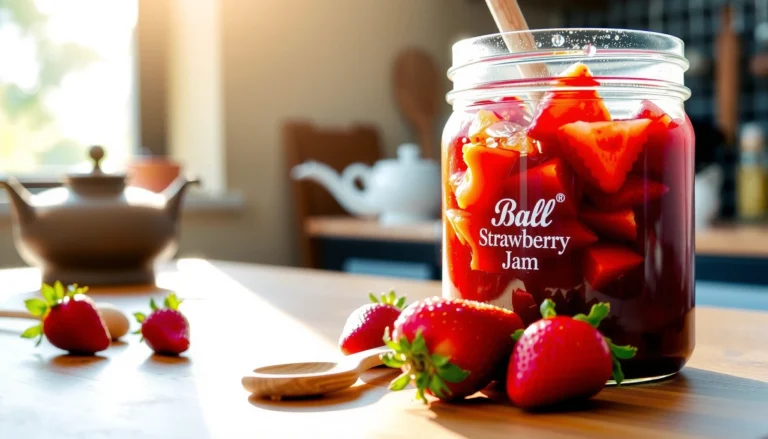
2. Prepare Strawberries: Rinse the strawberries thoroughly under cool running water. Remove the stems and any blemished areas. Mash the strawberries in a large mixing bowl until you have approximately 4 cups of crushed fruit. A potato masher or a fork works well for this.
3. Cook the Mixture: In a large, heavy-bottomed pot, combine the crushed strawberries, lemon juice, and low-sugar pectin. Stir the mixture well to ensure the pectin is evenly distributed. Heat over medium heat, stirring frequently, until it reaches a full boil. This process should take about 5-7 minutes.
4. Add Sugar Substitute: Once boiling, add the granulated sugar or sugar substitute of your choice. Stir continuously to ensure the sweetener dissolves completely. Continue boiling for an additional 1-2 minutes until the mixture thickens and reaches the desired consistency. Use a candy thermometer to ensure it reaches 220°F (104°C) for proper setting.
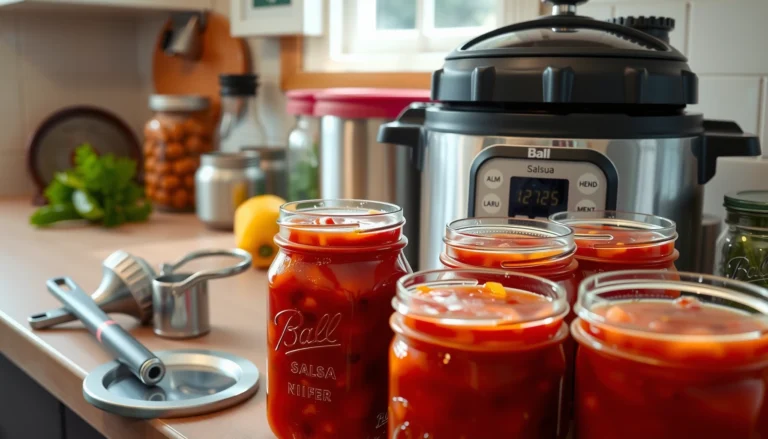
5. Canning Process: Ladle the hot jam into sterilized canning jars, leaving a ¼-inch headspace at the top. Wipe the rims of the jars with a clean, damp cloth to remove any residue. Seal with sterilized lids, ensuring they fit snugly. Process the jars in a boiling water bath for 5-10 minutes to ensure proper sealing. The water should cover the jars by at least an inch.
6. Cool and Store: After processing, carefully remove the jars from the water bath and place them on a clean towel or cooling rack. Allow the jars to cool for 24 hours. After this time, check the seals by pressing down in the center of each lid; it should not pop back. Label the jars with the date and store them in a cool, dark place for up to one year.
Nutritional Comparison of Strawberry Low Sugar Jam vs. Regular Jam
| # | Nutrient | Low Sugar Jam (per tbsp) | Regular Jam (per tbsp) | Difference |
|---|---|---|---|---|
| 1 | Calories | 30 | 50 | -20 |
| 2 | Total Sugars | 6g | 12g | -6g |
| 3 | Total Fat | 0g | 0g | 0g |
| 4 | Sodium | 0mg | 1mg | -1mg |
| 5 | Dietary Fiber | 0g | 0g | 0g |
| 6 | Protein | 0g | 0g | 0g |
| 7 | Vitamin C | 5% DV | 5% DV | 0% |
Warning Signs: When Not to Follow This

If you have an allergy to strawberries or any of the listed ingredients, do not attempt this recipe, as it poses serious health risks. Additionally, refrain from making this jam if your kitchen environment lacks proper sanitation, as this could lead to foodborne illnesses. If you do not have access to the required canning equipment, such as jars and lids, or if you are uncertain about your canning skills, it is best to avoid this recipe.
The Most Common Mistakes (And Their Consequences)
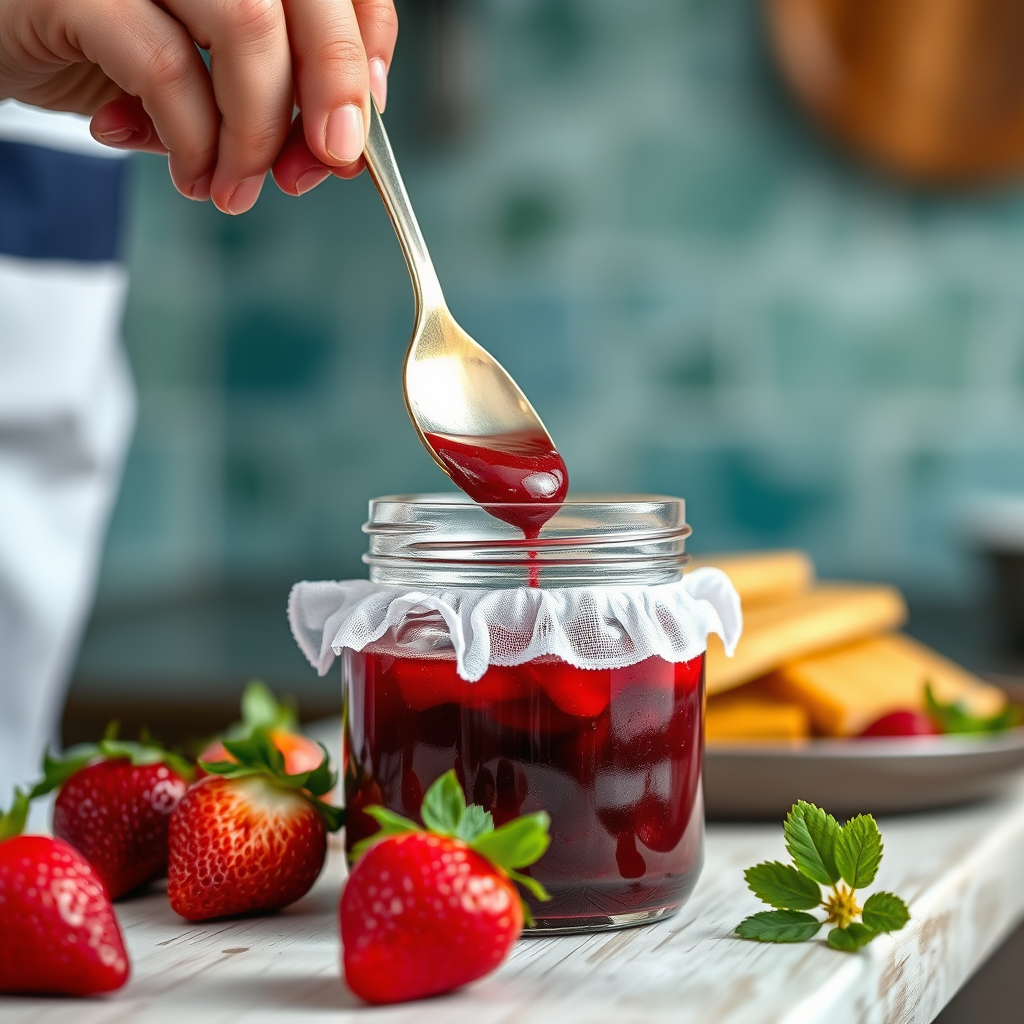
– Incorrect Pectin Usage: Using the wrong type of pectin (e.g., regular pectin instead of low-sugar) can result in a runny jam that fails to set properly. Always verify that you have the correct type of pectin specified for low-sugar recipes.
– Skipping Sterilization: Neglecting to sterilize jars before filling can introduce bacteria, leading to spoilage or mold growth in the jam. Always ensure jars are boiled for at least 10 minutes prior to use.
– Improper Cooking Time: Boiling the jam too long can cause it to caramelize, altering both flavor and consistency. Conversely, boiling for too short a duration may not adequately preserve the jam. Use a timer to monitor boiling duration.
Special Cases That Need a Different Approach
– If you opt for frozen strawberries, make sure they are completely thawed and drained of excess liquid before mashing to maintain the jam’s desired consistency.
– For those wishing to incorporate additional flavors, such as vanilla or herbs, do so carefully, adding small amounts gradually during cooking to prevent overpowering the strawberry flavor.
– If you need to avoid certain artificial sweeteners, consider natural low-sugar alternatives like stevia or monk fruit, adjusting quantities according to their specific sweetness levels.
When You Need a Professional
If you have concerns regarding food allergies or dietary restrictions that could affect ingredient choice, consult a nutritionist or dietitian for personalized guidance. If you are unfamiliar with the canning process, consider reaching out to a local extension office or a certified canning expert for a workshop or consultation to ensure safety and quality. For those planning to make large batches of jam for sale or distribution, it is crucial to consult local food safety regulations or a licensed food safety expert to ensure compliance.
Sources and Further Reading
– USDA Complete Guide to Home Canning – a comprehensive resource for safe canning practices and recipes.
– National Center for Home Food Preservation – featuring guidelines on low-sugar preserves and canning techniques.
– “The Joy of Cooking” – a classic cookbook with sections dedicated to low-sugar jam recipes, providing additional insights into flavor combinations and preservation methods.
Frequently Asked Questions
What ingredients do I need for a strawberry low sugar jam recipe?
To make a delicious strawberry low sugar jam, you’ll need fresh strawberries, a low sugar pectin (like Sure-Jell), lemon juice, and a sweetener of your choice, such as stevia or erythritol. This combination allows you to enjoy the fruity flavor while keeping the sugar content low.
How do I prepare strawberries for low sugar jam?
Start by washing the strawberries thoroughly and removing the stems. Then, chop them into small pieces or mash them slightly, depending on your preferred texture. This preparation will help release their natural juices, which are essential for making a flavorful low sugar jam.
Why should I use low sugar pectin for my jam?
Low sugar pectin is specifically designed to set jams and jellies with less sugar than traditional recipes require. Using low sugar pectin will help achieve the desired consistency while allowing you to maintain a healthier profile for your strawberry jam, making it enjoyable for those watching their sugar intake.
What is the best method for canning strawberry low sugar jam?
The best method for canning strawberry low sugar jam involves sterilizing your jars in boiling water, filling them with the hot jam, and sealing them with lids. After filling, process the jars in a water bath for about 10-15 minutes to ensure proper preservation, allowing you to enjoy your homemade jam for months.
Which sweeteners are best for a low sugar strawberry jam?
The best sweeteners for low sugar strawberry jam include stevia, erythritol, and monk fruit sweetener, as they provide sweetness without the calories and carbs of traditional sugar. Each of these options has its unique flavor profile, so you can choose one that best suits your taste preferences while keeping your jam low in sugar.
References
- https://www.healthline.com/nutrition/low-sugar-jam-recipe
https://www.healthline.com/nutrition/low-sugar-jam-recipe - Checking your browser – reCAPTCHA
https://www.ncbi.nlm.nih.gov/pmc/articles/PMC7390454/ - https://www.nutrition.gov/topics/food-safety/food-preservation/jam-and-jelly
https://www.nutrition.gov/topics/food-safety/food-preservation/jam-and-jelly - https://www.cdc.gov/nutrition/food-safety.html
https://www.cdc.gov/nutrition/food-safety.html - Google Scholar Google Scholar
https://scholar.google.com/scholar?q=strawberry+low+sugar+jam+recipe - Google Scholar Google Scholar
https://scholar.google.com/scholar?q=low+sugar+preserves+strawberry - Google Scholar Google Scholar
https://scholar.google.com/scholar?q=benefits+of+low+sugar+jam - https://www.sciencedirect.com/topics/agricultural-and-biological-sciences/strawberry-jam
https://www.sciencedirect.com/topics/agricultural-and-biological-sciences/strawberry-jam - strawberry low sugar jam recipe – Search results
https://en.wikipedia.org/wiki/Special:Search?search=strawberry+low+sugar+jam+recipe - https://www.ncbi.nlm.nih.gov/search/research-articles/?term=strawberry+low+sugar+jam+recipe
https://www.ncbi.nlm.nih.gov/search/research-articles/?term=strawberry+low+sugar+jam+recipe