Master the art of making rose petal jam with this complete expert guide, designed for both novice and experienced cooks. This comprehensive recipe covers everything from selecting the right petals to ensuring food safety during preparation. Following the proper protocols not only enhances flavor but also guarantees a safe and enjoyable preserve, making your culinary creation a delightful addition to any pantry.
What This Guide Covers (And What It Doesn’t)
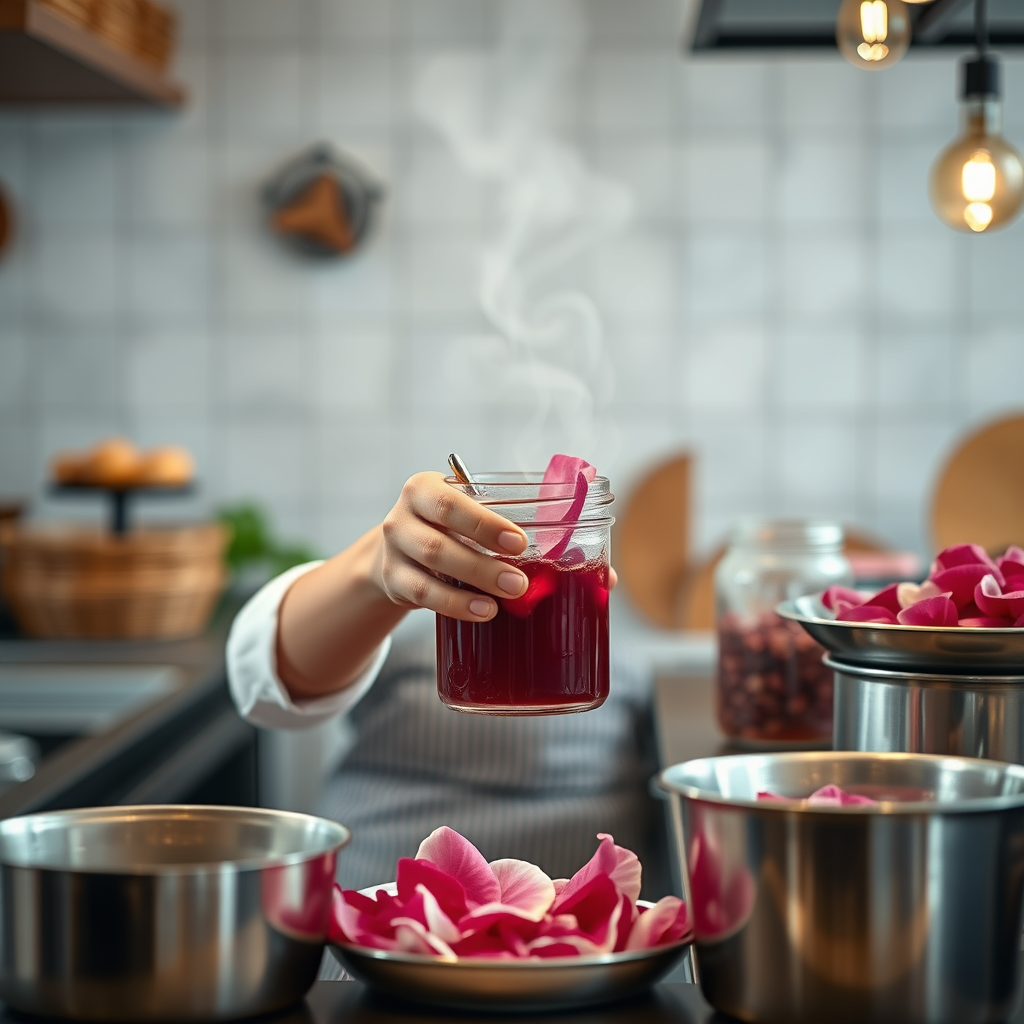
This guide offers a detailed recipe for crafting rose petal jam, featuring precise measurements, cooking techniques, and essential safety tips for handling rose petals. It emphasizes the use of edible rose varieties, specifically Rosa damascena and Rosa gallica, while providing guidance on identifying and harvesting them safely. However, this guide does not include alternative jam recipes or variations beyond rose petal jam, nor does it explore advanced canning techniques outside basic preservation methods.
Who Should Read This
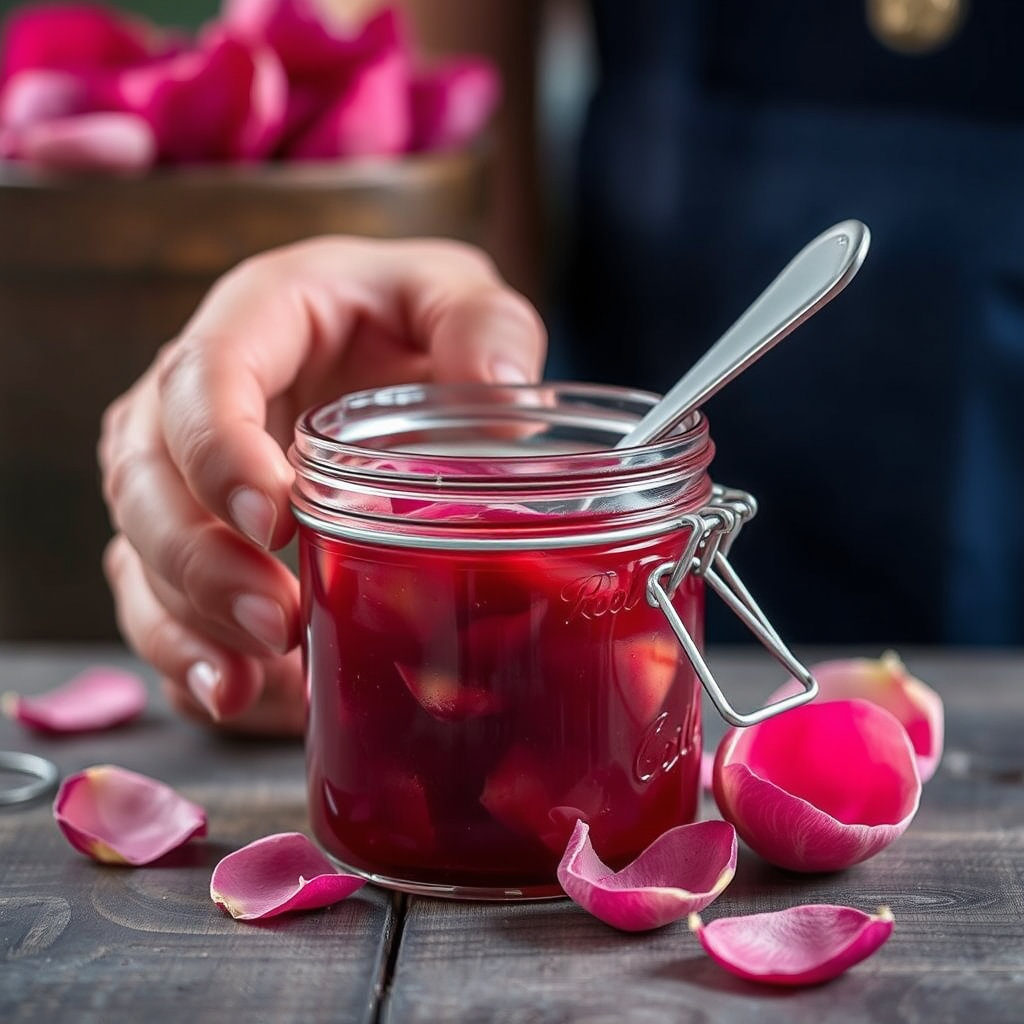
Home cooks with a basic understanding of jam and jelly preparation will find this guide particularly valuable. It caters to those eager to explore unique flavor profiles and incorporate flowers into their culinary creations. Readers should be familiar with essential kitchen tools, including pots, jars, and canning equipment, to effectively follow the outlined procedures. Additionally, this guide appeals to individuals interested in foraging and utilizing natural ingredients, with a focus on the safe preparation of rose petals.
The Step-by-Step Protocol
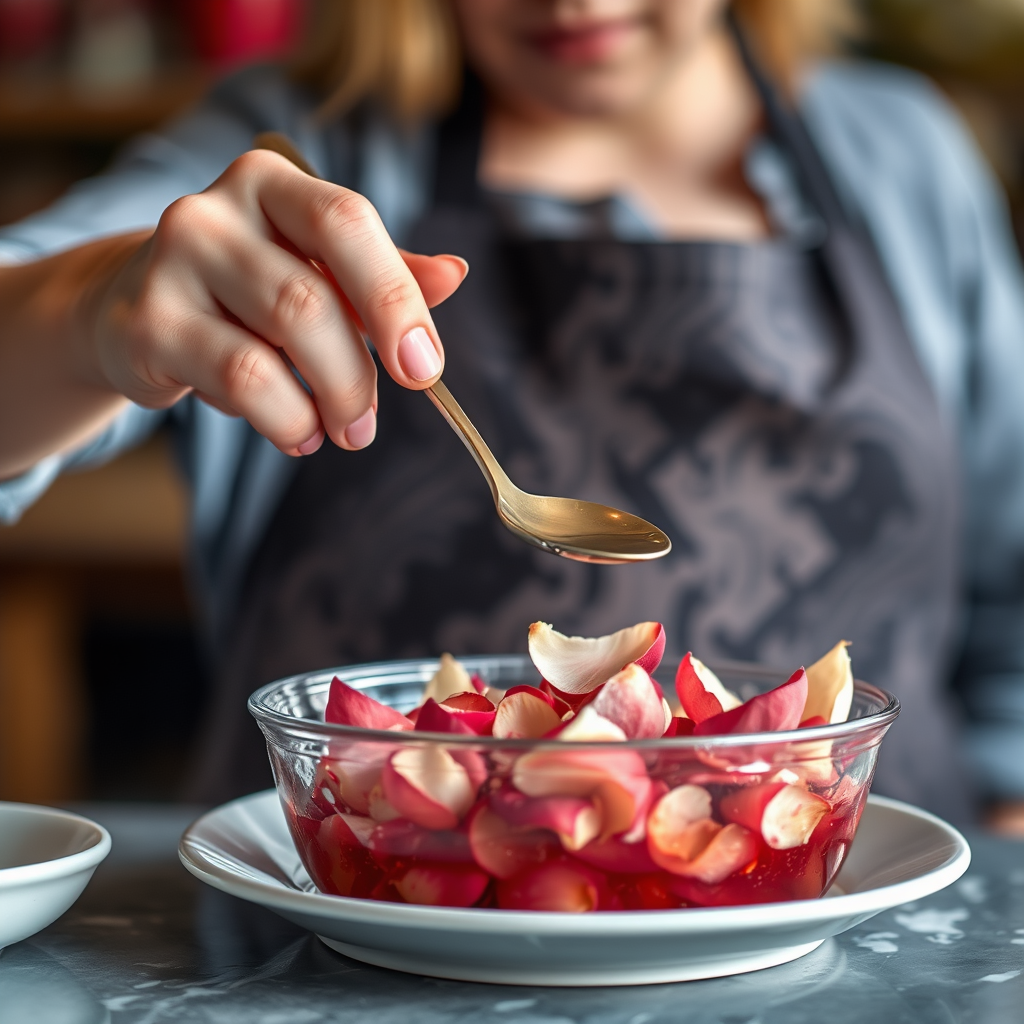
1. Gather Ingredients: Collect 2 cups of fresh, organic rose petals, 1 cup of granulated sugar, 1/2 cup of water, and the juice of one lemon. Ensure the petals are from edible varieties and free from pesticides.
2. Prepare Petals: Rinse the rose petals gently under cool water to remove any dirt or insects. After rinsing, pat them dry with a clean towel to prevent excess water from affecting the jam.
3. Cook Mixture: In a medium saucepan, combine the water and sugar over medium heat. Stir until the sugar is completely dissolved. Add the rose petals and lemon juice, ensuring that the petals are fully submerged in the liquid.
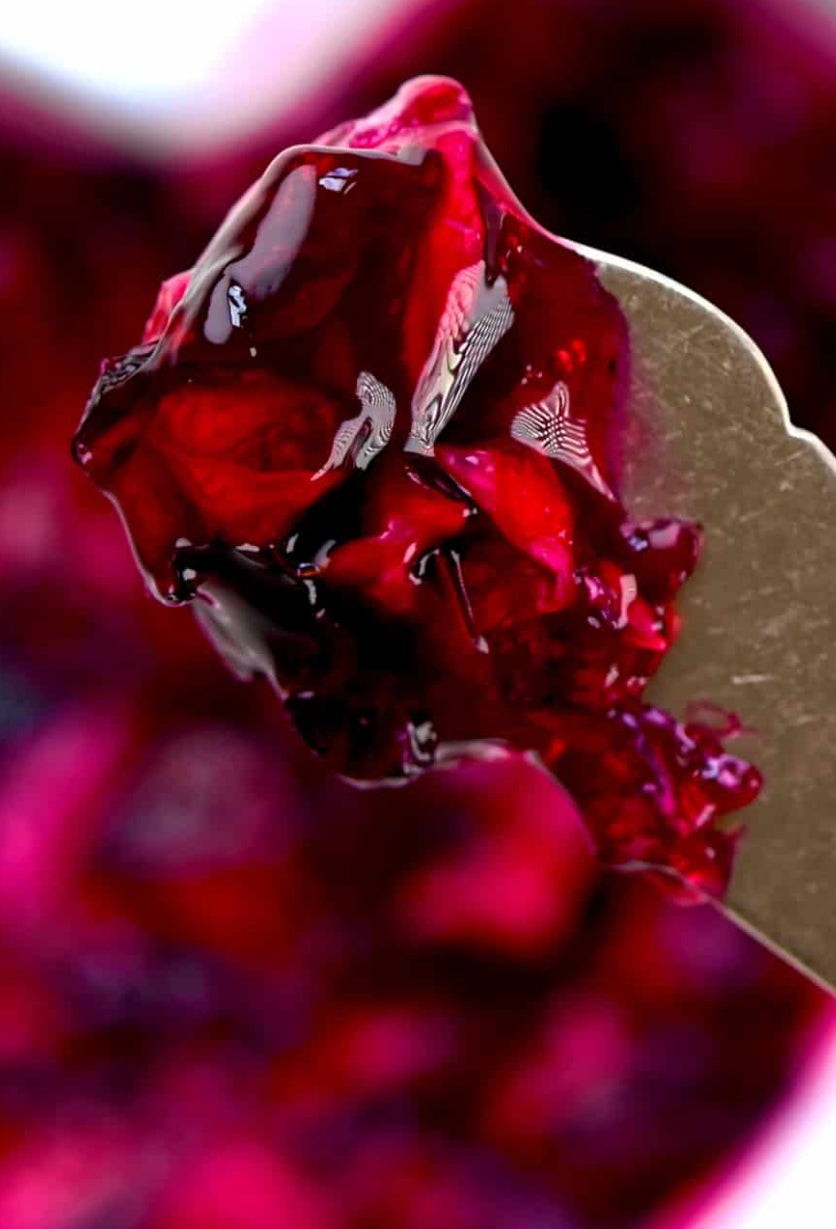
4. Simmer and Thicken: Bring the mixture to a gentle boil, then reduce to a simmer for about 20-25 minutes. Stir occasionally and monitor the mixture closely, checking for a gel-like consistency by dipping a spoon into it.
5. Jar and Seal: Once the jam has thickened, remove it from the heat. Carefully ladle the hot jam into sterilized jars, leaving about 1/4 inch of headspace at the top. Wipe the rims of the jars with a clean cloth to remove any residue, then seal with sterilized lids.
6. Cool and Store: Allow the jars to cool at room temperature. Once cool, verify that the lids have sealed properly by pressing down in the center of each lid. Store the sealed jars in a cool, dark place. Unsealed jars can be refrigerated and used immediately.
Nutritional Information for Rose Petal Jam (Per 1 Tbsp)
| # | Nutrient | Amount | % Daily Value |
|---|---|---|---|
| 1 | Calories | 50 | 2% |
| 2 | Total Fat | 0g | 0% |
| 3 | Sugars | 13g | 15% |
| 4 | Sodium | 0mg | 0% |
| 5 | Carbohydrates | 13g | 5% |
| 6 | Fiber | 0g | 0% |
| 7 | Protein | 0g | 0% |
| 8 | Vitamin C | 1mg | 2% |
| 9 | Calcium | 1mg | 0% |
| 10 | Iron | 0mg | 0% |
Warning Signs: When Not to Follow This
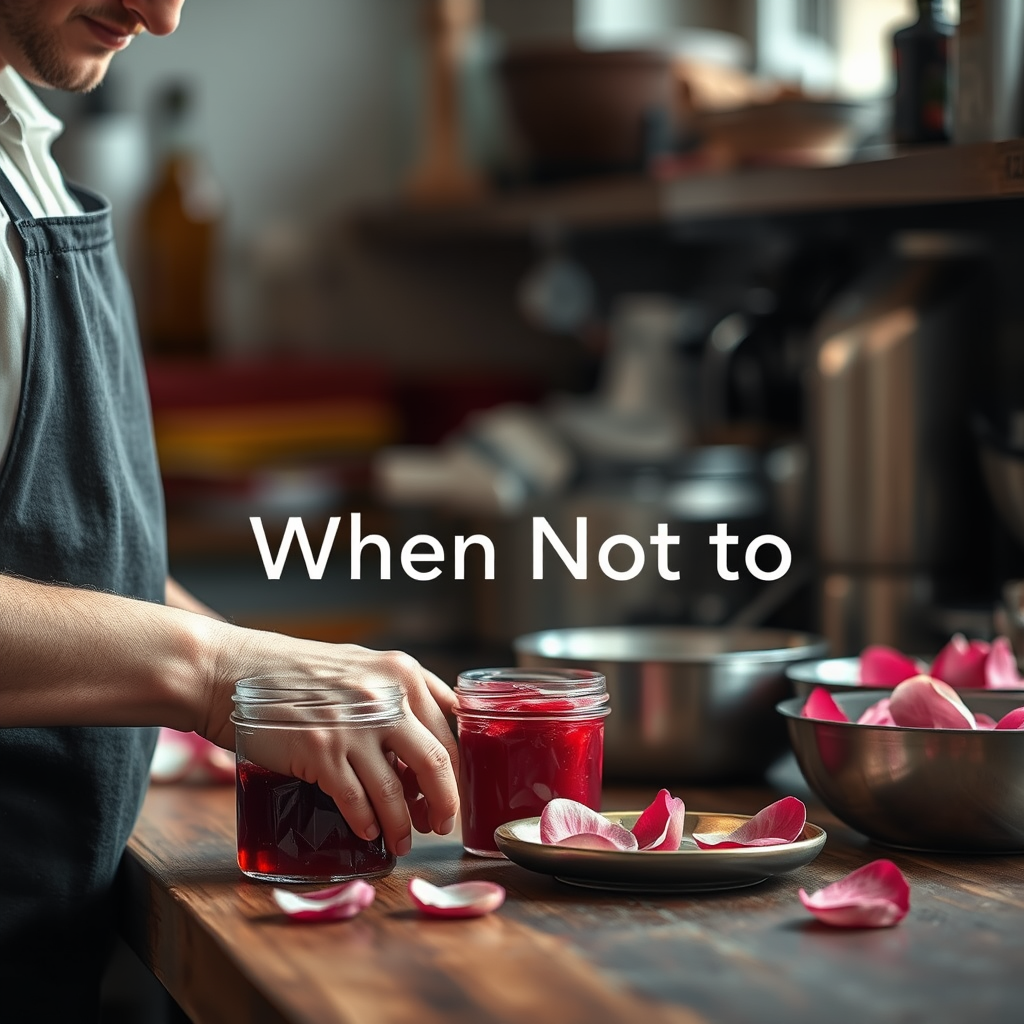
Avoid making rose petal jam if you are allergic to roses or have a known sensitivity to floral ingredients, as this could result in adverse reactions. Do not use rose petals from florists or commercially grown flowers unless they are specifically labeled as edible; they may be treated with harmful pesticides or chemicals. If the rose petals appear wilted or emit an off smell, discard them, as these signs indicate spoilage or improper storage.
The Most Common Mistakes (And Their Consequences)
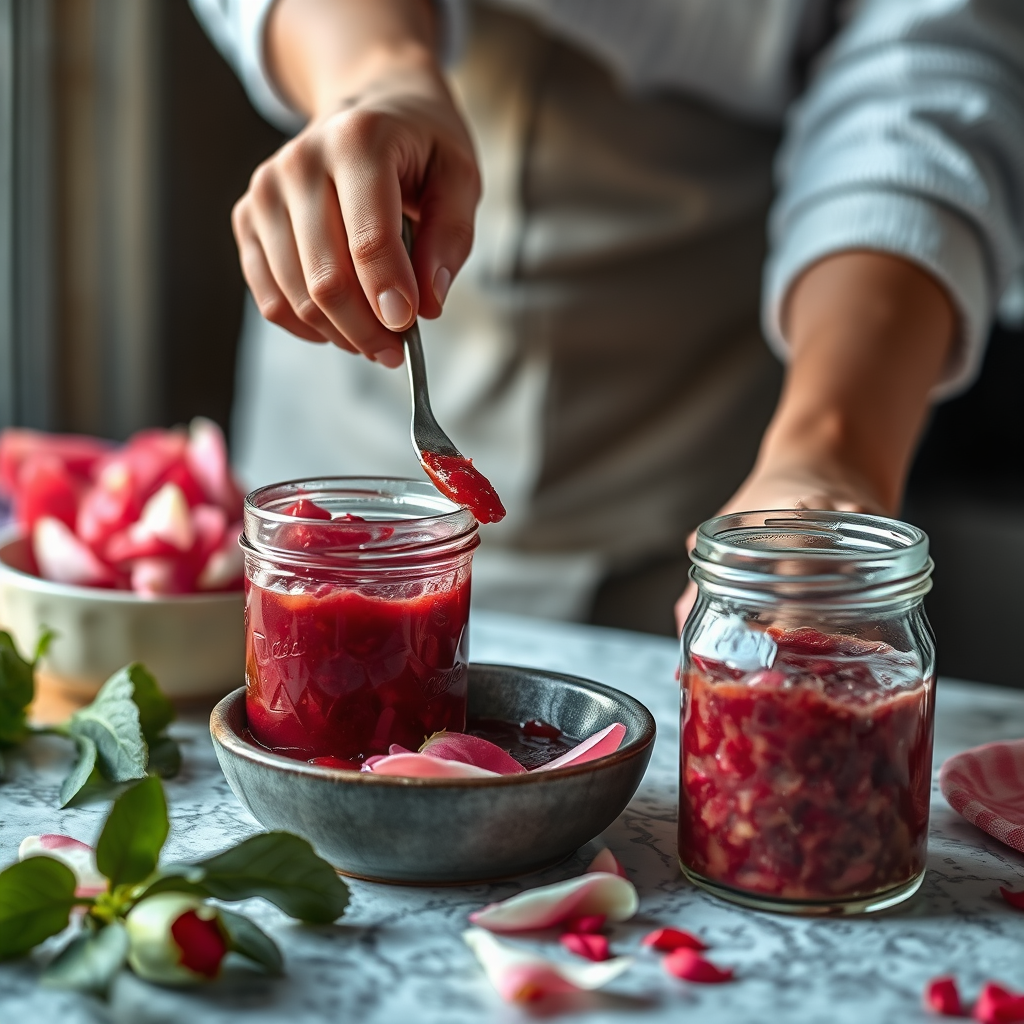
One prevalent mistake is using non-edible rose varieties, which can lead to toxic reactions and spoil the jam. Always confirm that the source of the roses is safe for consumption. Inaccurate measurements can result in a jam that is either too runny or overly sweet, compromising both texture and flavor. Additionally, neglecting the simmering time can lead to burnt rose petals or insufficient gel formation, resulting in a jam that fails to set properly.
Special Cases That Need a Different Approach
When making rose petal jam with dried petals, use only 1 cup of dried petals and rehydrate them in the water before cooking, as they absorb more liquid than fresh petals. For those monitoring their sugar intake, consider a sugar substitute designed for jam making, but be aware that this may alter the flavor and consistency. If you wish to infuse additional flavors, such as cardamom or vanilla, add them during the simmering stage; keep the amounts small to avoid overpowering the delicate rose flavor.
When You Need a Professional
If you’re uncertain about the safety of your ingredients or plan to store the jam for an extended period, consult a food preservation expert. Should you experience any allergic reactions or adverse side effects after consuming rose petal jam, seek medical attention immediately. Furthermore, if you lack familiarity with canning or preserving techniques and wish to store the jam long-term, a licensed expert can offer guidance on safe practices to prevent spoilage or contamination.
Sources and Further Reading
Refer to the USDA guidelines on food preservation for safe canning practices and storage recommendations. The National Center for Home Food Preservation provides comprehensive information on various preservation methods and techniques for safely making fruit jams. For additional recipes and techniques for crafting jams with a range of ingredients, consult “The Book of Jams and Jellies: A Complete Guide to Preserving” by Barbara J. Harris.
Frequently Asked Questions
What ingredients do I need for a homemade rose petal jam recipe?
To make a delicious homemade rose petal jam, you’ll need fresh rose petals (preferably from organic roses), sugar, lemon juice, and water. It’s important to use edible rose varieties, such as Damask or Tea roses, to ensure the best flavor and safety.
How do I properly prepare rose petals for making jam?
Start by gently rinsing the fresh rose petals under cool water to remove any dirt or insects. After rinsing, pat them dry with a soft cloth and remove the white base of the petals, as it can add bitterness to the jam. This careful preparation ensures a sweeter and more aromatic final product.
Why is lemon juice important in a rose petal jam recipe?
Lemon juice plays a crucial role in a rose petal jam recipe as it acts as a natural preservative and helps to balance the sweetness of the sugar. Additionally, the acidity from the lemon juice enhances the flavor of the rose petals, making the jam more vibrant and refreshing.
What is the best way to store homemade rose petal jam?
The best way to store homemade rose petal jam is in sterilized glass jars with airtight lids, kept in a cool, dark place. Once opened, keep the jam refrigerated and consume it within a few weeks for optimal freshness and flavor.
Which types of roses are best for making rose petal jam?
The best types of roses for making rose petal jam are those with a strong fragrance and vibrant color, such as Damask roses, Bourbon roses, or Rosa gallica. These varieties not only provide an intense floral flavor but also ensure a beautiful hue in your finished jam.
References
- Gulkand
https://en.wikipedia.org/wiki/Rose_petal_jam - Checking your browser – reCAPTCHA
https://www.ncbi.nlm.nih.gov/pmc/articles/PMC4702241/ - https://www.sciencedirect.com/topics/agricultural-and-biological-sciences/rose-petal-jam
https://www.sciencedirect.com/topics/agricultural-and-biological-sciences/rose-petal-jam - https://www.britannica.com/topic/jam
https://www.britannica.com/topic/jam - Checking your browser – reCAPTCHA
https://www.ncbi.nlm.nih.gov/pmc/articles/PMC5439821/ - Google Scholar Google Scholar
https://scholar.google.com/scholar?q=rose+petal+jam+recipe - https://scholar.google.com/scholar?q=rose+jam+health+benefits Google Scholar
https://scholar.google.com/scholar?q=rose+jam+health+benefits - Google Scholar Google Scholar
https://scholar.google.com/scholar?q=rose+petal+jam+making+process - https://pubmed.ncbi.nlm.nih.gov/29593169/
https://pubmed.ncbi.nlm.nih.gov/29593169/ - https://www.theguardian.com/lifeandstyle/2021/may/21/how-to-make-rose-petal-jam
https://www.theguardian.com/lifeandstyle/2021/may/21/how-to-make-rose-petal-jam