Mastering the art of making rhubarb jam requires adherence to expert protocols to ensure safety and flavor. This comprehensive guide provides step-by-step instructions, essential tips, and critical safety measures for crafting delicious rhubarb jam at home. Following these guidelines not only enhances your culinary skills but also helps prevent foodborne illnesses, making your jam-making experience both enjoyable and secure.
What This Guide Covers (And What It Doesn’t)
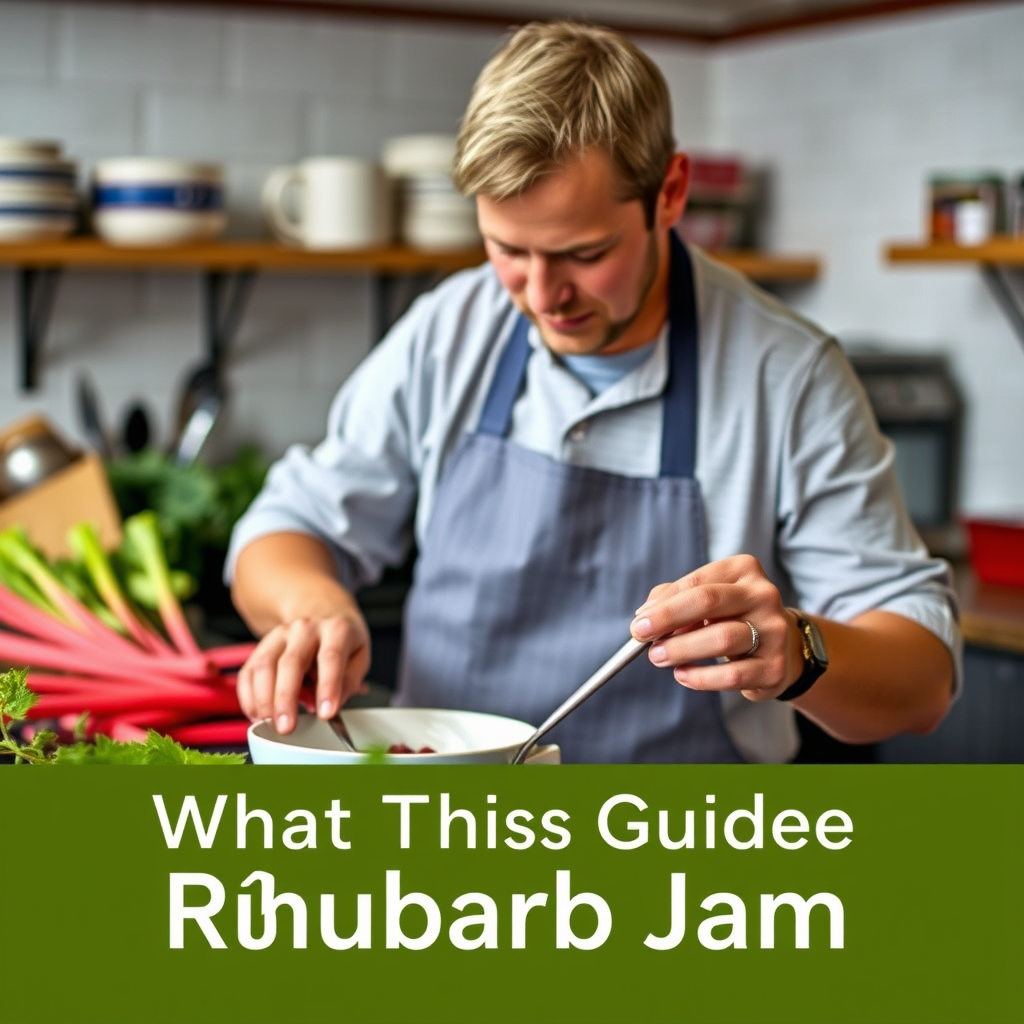
This guide offers a thorough exploration of safely making rhubarb jam, detailing specific recipes, safety protocols, and proper canning techniques. It walks you through each essential step, from selecting ingredients to the canning process, ensuring you can preserve rhubarb effectively while adhering to food safety standards. However, this guide does not delve into other fruit jam recipes or alternative preservation methods beyond standard canning practices for rhubarb jam. It is specifically tailored for home cooks eager to preserve rhubarb through jam-making while prioritizing food safety and quality. If you’re looking for advanced canning techniques or professional-grade recipes, you may want to consult specialized resources or culinary experts.
Who Should Read This
This guide is perfect for home cooks with a basic understanding of canning and food preservation who want to create delicious rhubarb jam. It also serves those looking to make the most of seasonal rhubarb, particularly individuals who grow their own or frequent local farmers’ markets. Novice cooks will appreciate the detailed step-by-step instructions, while more experienced canners can refine their techniques in rhubarb jam preparation. However, individuals with specific dietary needs—such as low-sugar or gluten-free diets—may find this guide less relevant, as it focuses on traditional rhubarb jam recipes.
The Step-by-Step Protocol
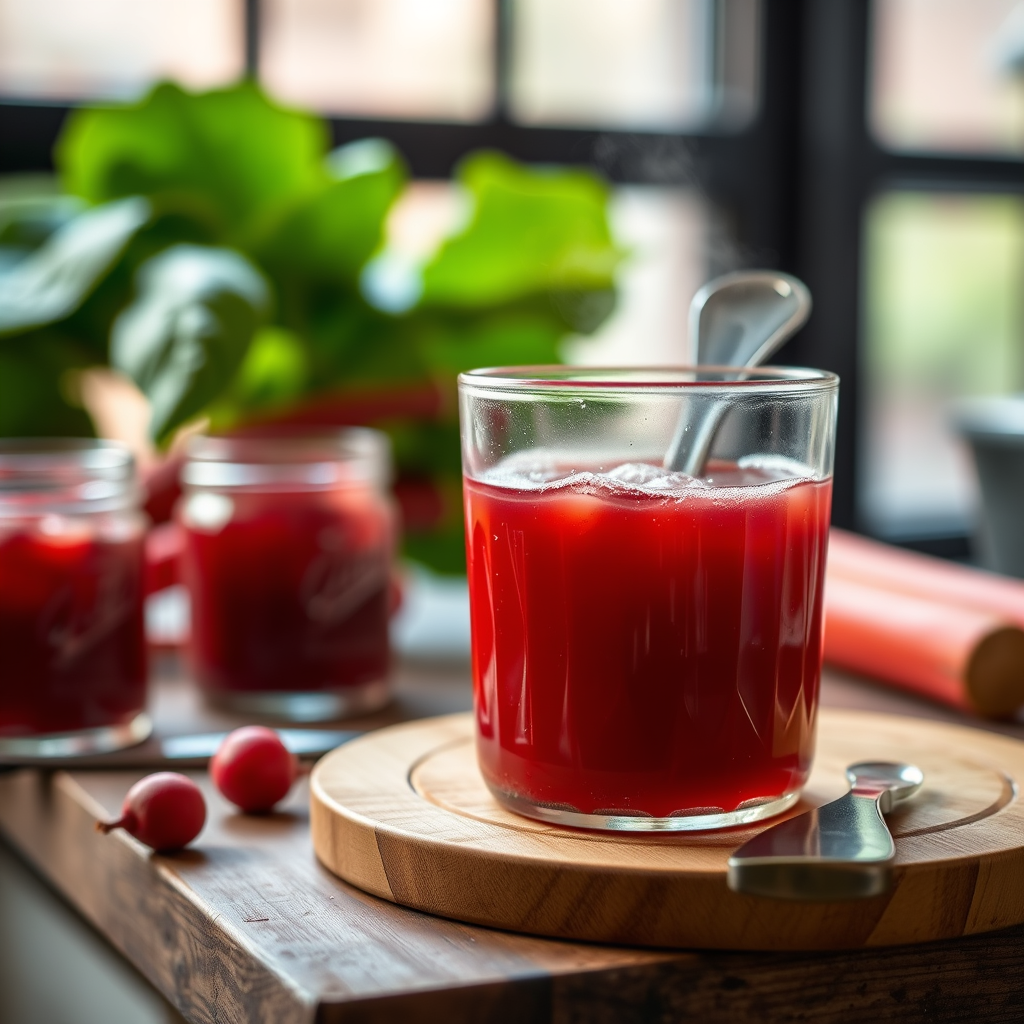
1. Gather Your Ingredients: Use 4 cups of fresh rhubarb, 1 ½ cups of granulated sugar, 1/4 cup of lemon juice, and 1 packet of pectin.
2. Prepare the Rhubarb: Wash the rhubarb thoroughly under cool running water. Chop it into 1-inch pieces, measuring out exactly 4 cups for consistent results. Discard any leaves, as they are toxic.
3. Cook the Mixture: In a large, heavy-bottomed pot, combine the rhubarb, sugar, and lemon juice. Heat over medium until the mixture comes to a full boil, stirring frequently to prevent sticking.
4. Add Pectin: Once the mixture reaches a rapid boil, add the pectin and stir continuously for 1-2 minutes until fully dissolved. Return to a rapid boil and keep boiling for an additional minute.
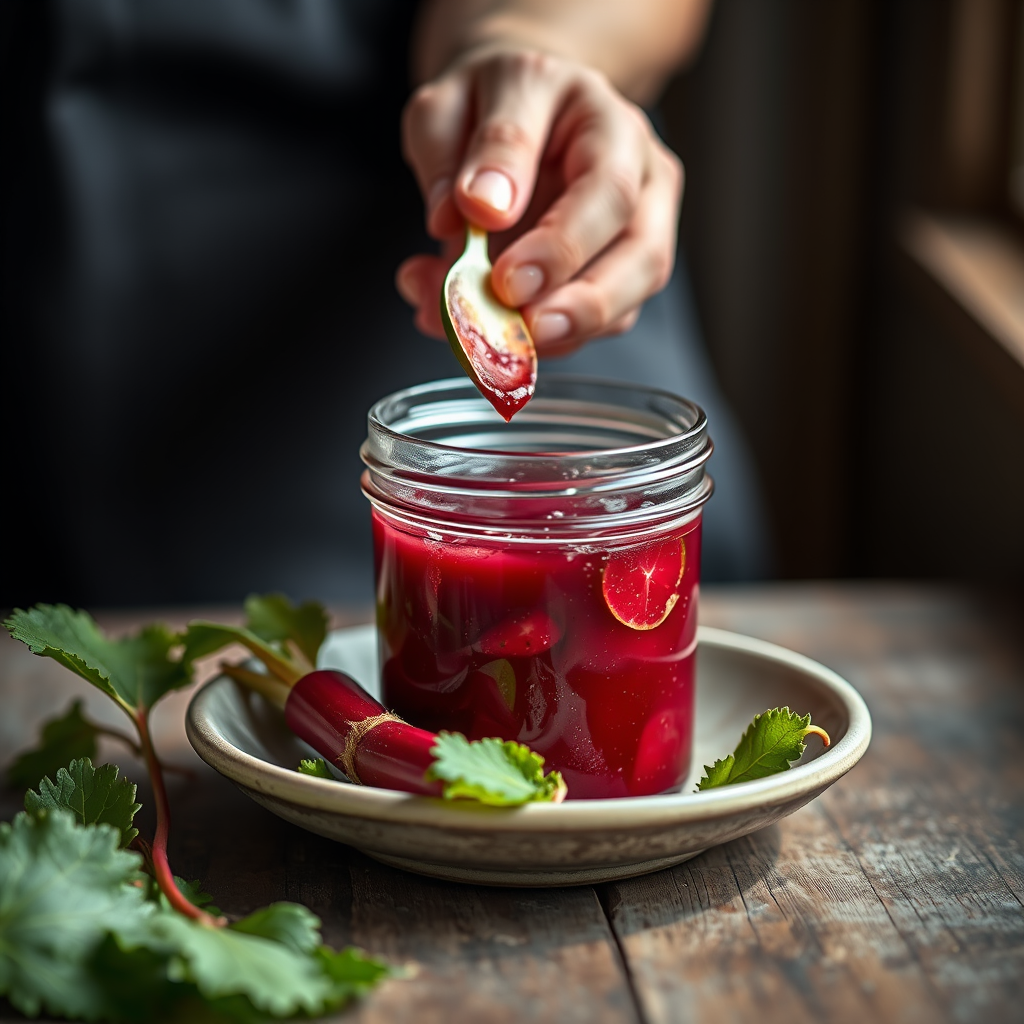
5. Test for Consistency: To check for proper gelling, drop a small spoonful of the mixture onto a cold plate. Wait a minute; if it gels and holds its shape, it is ready for canning.
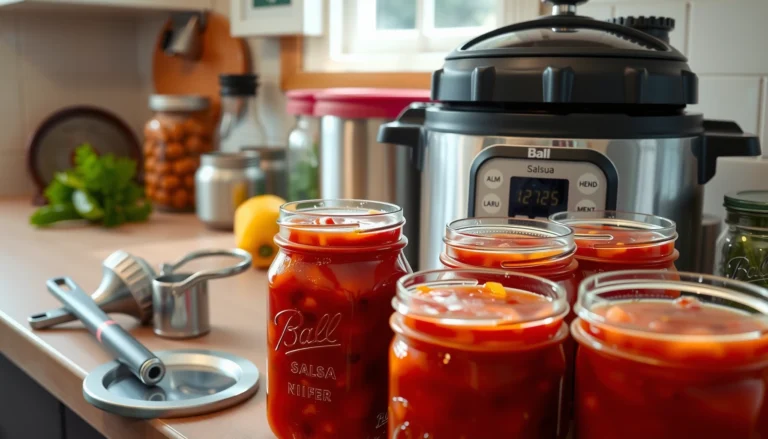
6. Canning Process: Carefully pour the hot jam into pre-sterilized jars, leaving 1/4 inch headspace at the top. Wipe the rims of the jars clean to ensure a proper seal, place lids on, and process in a boiling water bath for 10 minutes.
7. Cool and Store: After processing, remove the jars from the water bath and allow them to cool at room temperature for 12-24 hours. Check that the seals are tight before storing in a cool, dark place.
Key Ingredients for Rhubarb Jam (2024)
| # | Ingredient | Quantity | Calories Per Serving | Preservation Time |
|---|---|---|---|---|
| 1 | Fresh Rhubarb | 4 cups | 80 | 1 year |
| 2 | Granulated Sugar | 1.5 cups | 774 | Indefinite |
| 3 | Lemon Juice | 1/4 cup | 15 | Indefinite |
| 4 | Pectin | 1 packet | 0 | Indefinite |
| 5 | Canning Jars | Required | 0 | Indefinite |
| 6 | Water | As needed | 0 | Indefinite |
| 7 | Sugar Substitute (optional) | As needed | 0 | Indefinite |
Warning Signs: When Not to Follow This
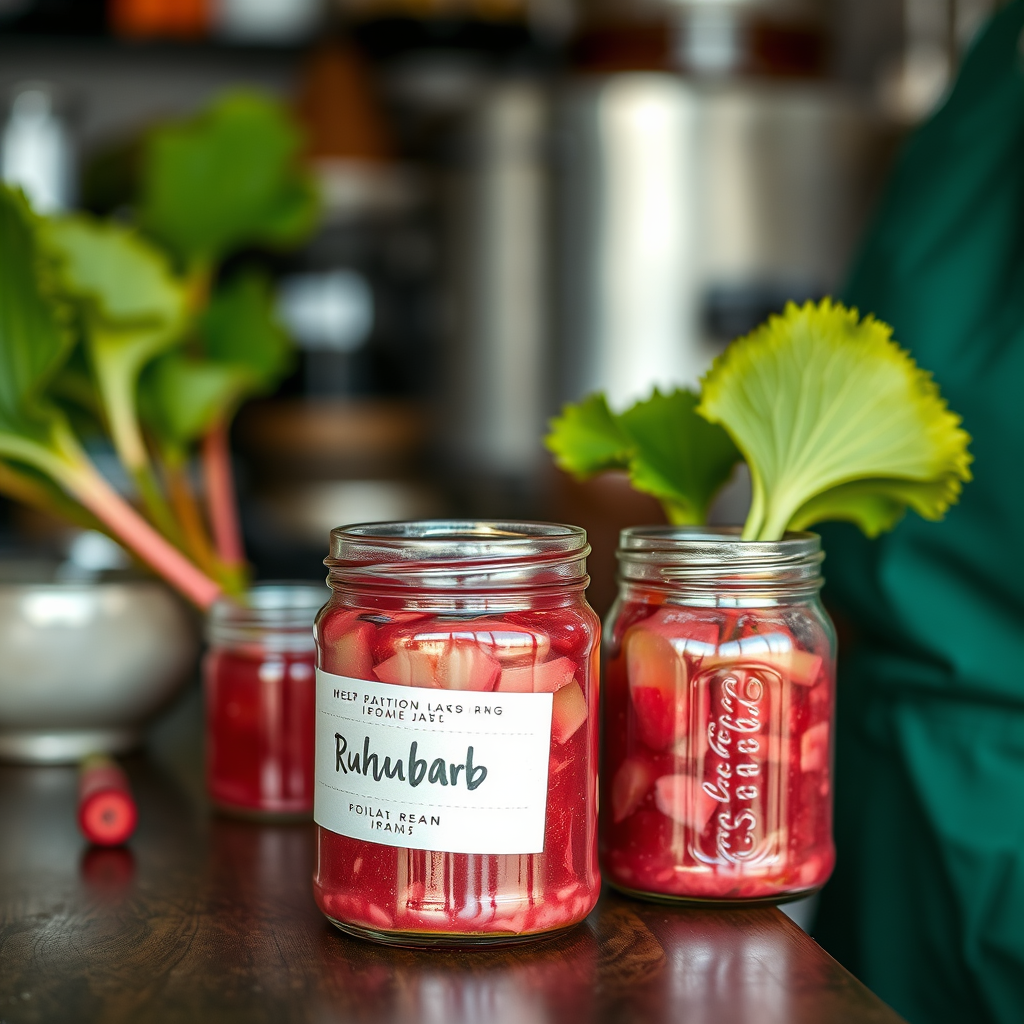
– If your rhubarb displays signs of spoilage, such as discoloration, a soft texture, or an off smell, do not use it for jam.
– Homemade pectin substitutes can compromise safety and texture; avoid using them to ensure your jam remains safe for consumption.
– Stick to the recommended quantities of sugar and pectin; insufficient sugar can lead to spoilage, while excessive sugar may negatively affect flavor and texture.
– If you have food allergies related to rhubarb or any other ingredients, consult a healthcare provider before attempting to make this jam.
The Most Common Mistakes (And Their Consequences)
– Using Frozen Rhubarb: Opting for frozen rhubarb instead of fresh can result in a watery jam with poor texture, as frozen fruit releases excess moisture during cooking.
– Skipping the Water Bath: Neglecting to process the jars in a boiling water bath can create unsafe jam that may harbor harmful bacteria, increasing the risk of foodborne illness.
– Imprecise Measurements: Failing to measure ingredients accurately can alter the jam’s gelling properties, leading to a runny or overly thick consistency that may not set properly.
– Improper Sterilization: Not sterilizing jars adequately can introduce contaminants, jeopardizing the shelf life and safety of the jam.
Special Cases That Need a Different Approach
– Older Rhubarb Varieties: If you’re using older or more tart rhubarb varieties, adjust sugar levels accordingly; a taste test before adding sugar can help achieve the desired sweetness.
– Lower-Sugar Rhubarb Jam: For a lower-sugar option, consider using a sugar substitute compatible with canning, and carefully follow the manufacturer’s instructions for appropriate ratios.
– Incorporating Other Fruits: If you wish to add other fruits, such as strawberries or apples, adjust the amount of pectin, as different fruits may require varying gelling agents.
– Dietary Restrictions: For those with specific dietary needs, such as low-FODMAP diets, make recipe modifications cautiously, ensuring all ingredients are compatible.
When You Need a Professional
– Should you notice any signs of fermentation, such as bubbling or foul odors from the jam, do not taste or consume it. Discard the jam immediately and consult a food safety expert.
– If you have concerns about the safety of your canning equipment or methods, especially with older canning jars or lids, seek professional advice.
– If you’re uncertain about the acidity levels in your rhubarb or other ingredients, consult a professional to prevent spoilage and ensure safety.
– When canning in large batches or experimenting with new recipes, consider seeking guidance from a food preservation expert to maintain safety standards.
Sources and Further Reading
– National Center for Home Food Preservation: Jam Making Guidelines
– USDA Complete Guide to Home Canning: Canning Fruit and Jams Section
– “The Complete Book of Home Preserving” by Ball: Techniques for Safe Canning
– Local Extension Services: Resources for Food Safety and Canning Practices
By following this comprehensive guide, you can confidently create rhubarb jam that will delight your family and friends while preserving the seasonal bounty of this unique vegetable. Enjoy the rewarding process and the delicious results of your efforts!
Frequently Asked Questions
What are the best ingredients for making rhubarb jam?
The best ingredients for making rhubarb jam include fresh rhubarb, sugar, and a source of pectin like lemon juice or commercial pectin. You can also enhance the flavor by adding strawberries, ginger, or vanilla, which complement the tartness of rhubarb. Always use ripe, firm rhubarb for the best texture and taste in your jam.
How do I properly prepare rhubarb for jam making?
To properly prepare rhubarb for jam making, start by thoroughly washing the stalks to remove any dirt. Trim the ends and peel off any stringy fibers before chopping the rhubarb into small, even pieces, which helps them cook down evenly. This ensures a smoother texture in your finished rhubarb jam.
Why does my rhubarb jam not set properly?
If your rhubarb jam does not set properly, it may be due to insufficient pectin or cooking time. Ensure you are using the right ratio of rhubarb to sugar and pectin, and allow the mixture to boil for a sufficient time to activate the pectin. Conducting a gel test by placing a spoonful on a cold plate can help determine if the jam has reached the right consistency.
What is the best way to store homemade rhubarb jam?
The best way to store homemade rhubarb jam is by using sterilized jars and sealing them tightly. Keep the jam in a cool, dark place such as a pantry, and once opened, store it in the refrigerator to maintain freshness. Properly canned rhubarb jam can last up to a year, while opened jars should be consumed within a few weeks.
Which rhubarb jam recipes are easiest for beginners?
Easy rhubarb jam recipes for beginners often involve just three ingredients: rhubarb, sugar, and lemon juice. A simple recipe includes cooking chopped rhubarb and sugar together until thickened, then adding lemon juice for flavor and preservation. Look for no-cook recipes that use pectin for a quick and straightforward method if you’re just starting out.
References
- Rhubarb
https://en.wikipedia.org/wiki/Rhubarb - Checking your browser – reCAPTCHA
https://www.ncbi.nlm.nih.gov/pmc/articles/PMC5724790/ - https://pubmed.ncbi.nlm.nih.gov/28895655/
https://pubmed.ncbi.nlm.nih.gov/28895655/ - Rhubarb recipes – BBC Food
https://www.bbc.co.uk/food/rhubarb - https://www.theguardian.com/food/2020/may/02/rhubarb-recipes
https://www.theguardian.com/food/2020/may/02/rhubarb-recipes - https://www.sciencedirect.com/topics/agricultural-and-biological-sciences/rhubarb
https://www.sciencedirect.com/topics/agricultural-and-biological-sciences/rhubarb - Google Scholar Google Scholar
https://scholar.google.com/scholar?q=rhubarb+jam+recipes - Google Scholar Google Scholar
https://scholar.google.com/scholar?q=rhubarb+preservation+methods - Google Scholar Google Scholar
https://scholar.google.com/scholar?q=how+to+make+rhubarb+jam - rhubarb jam recipes – Search results
https://en.wikipedia.org/wiki/Special:Search?search=rhubarb+jam+recipes