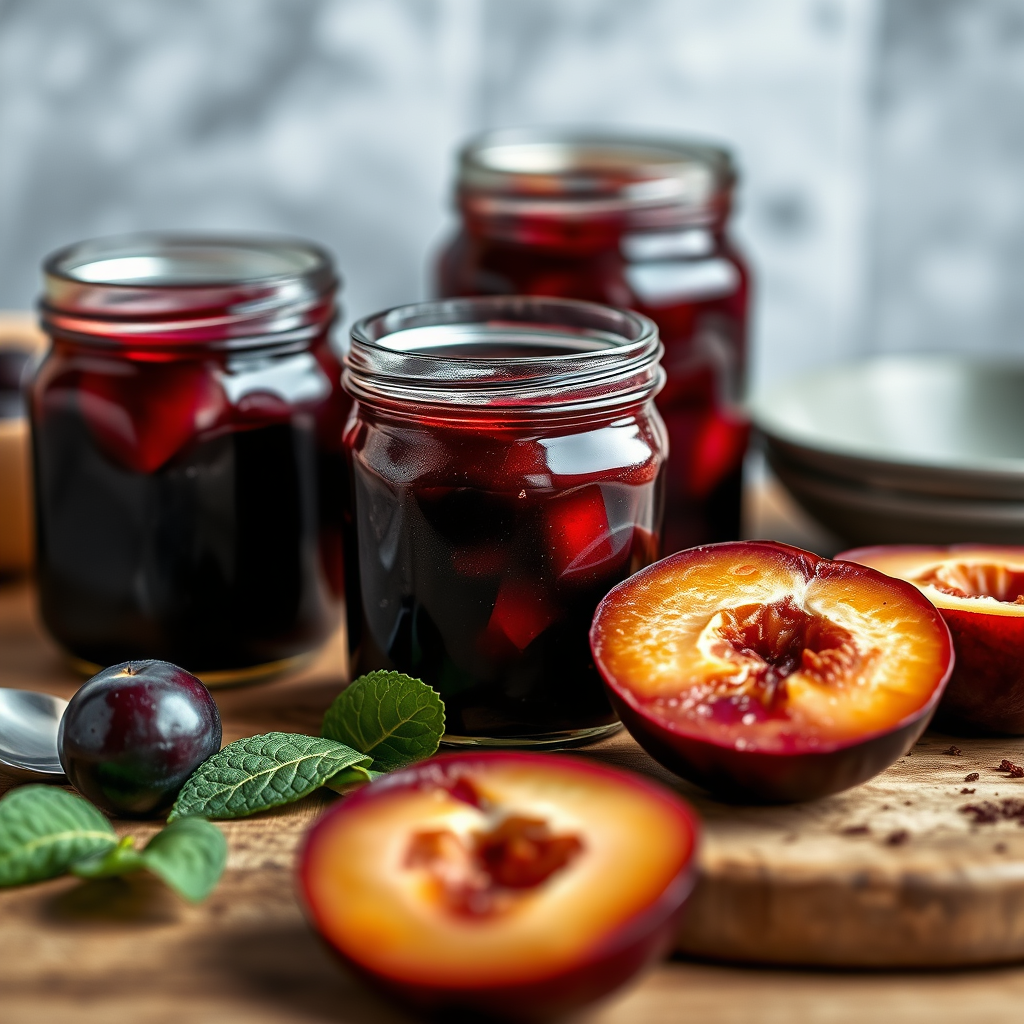
Making plum jam without pectin can result in a deliciously rich spread, but it’s essential to follow safe canning protocols to avoid spoilage. This expert guide provides you with precise recipes and step-by-step instructions to ensure your homemade plum jam is both flavorful and safe for long-term storage. Understanding the right techniques not only enhances the taste but also protects your health and ensures your jam lasts. Master these methods to enjoy the fruits of your labor with confidence.
What This Guide Covers (And What It Doesn’t)
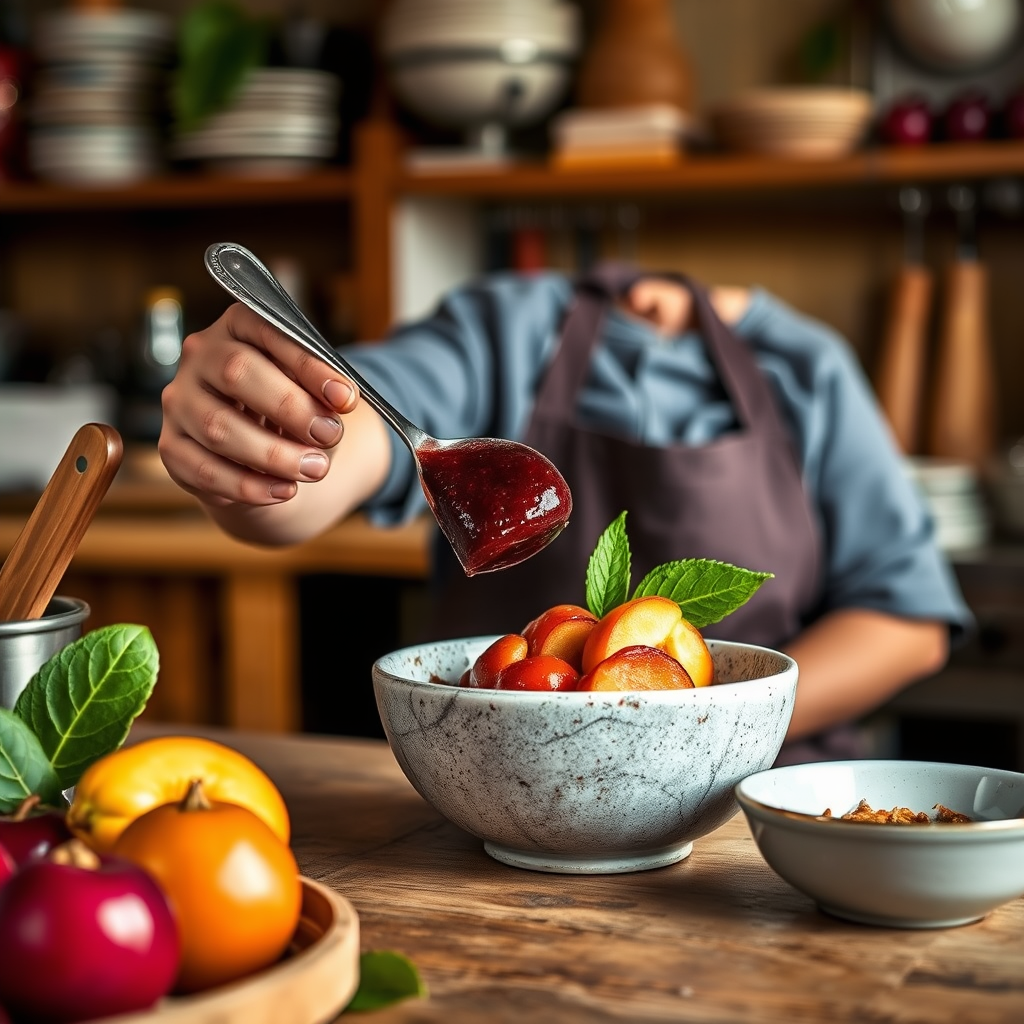
This guide offers detailed recipes and methods for crafting plum jam without pectin, emphasizing the use of natural fruit sugars and a balanced acidity to achieve the perfect gel consistency. You’ll find essential safety measures for home canning, including sterilization, acidity levels, and sealing techniques to prevent spoilage. However, this guide does not delve into pectin-based recipes or alternative fruit preserves, as it focuses exclusively on traditional methods that highlight the fruit’s natural properties.
Who Should Read This
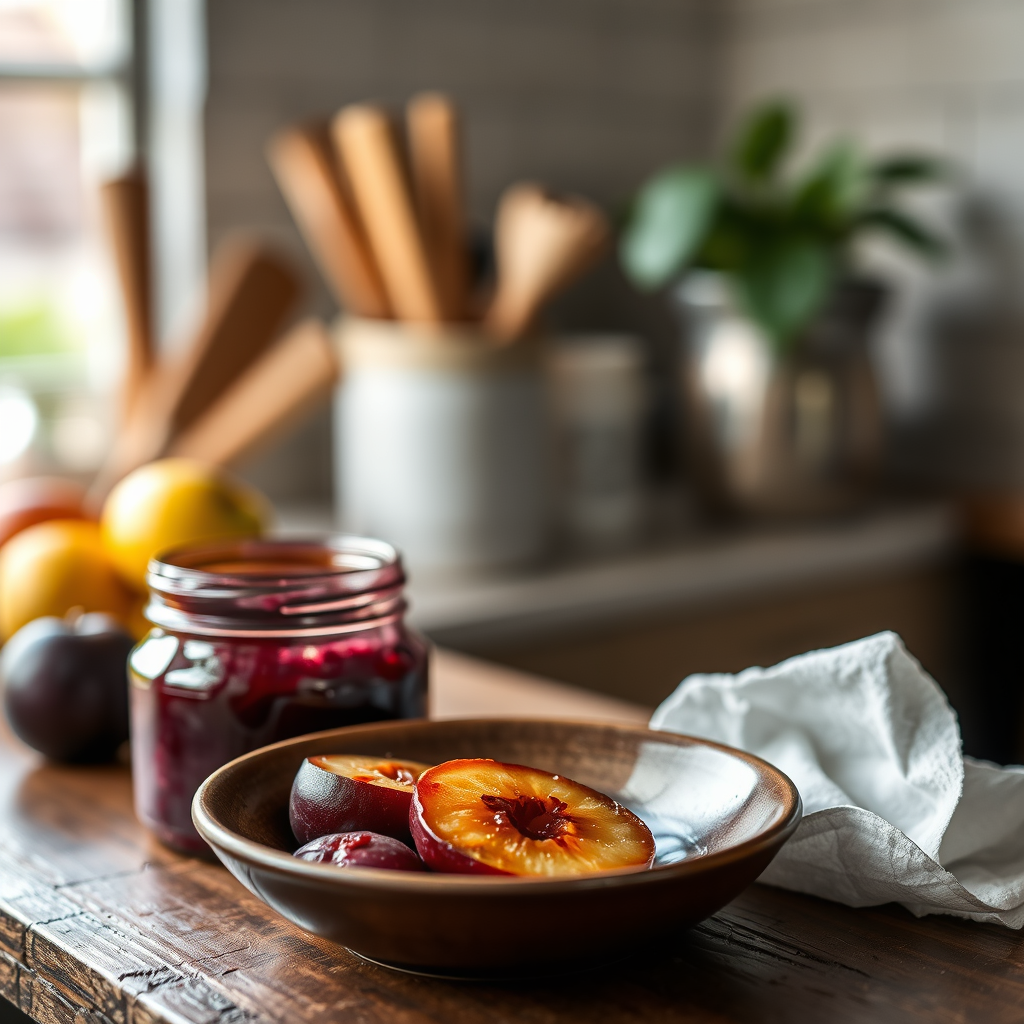
This guide is designed for home canners and food preservation enthusiasts who possess a basic understanding of canning techniques and feel comfortable in the kitchen. It caters to those eager to explore natural jam-making options, particularly individuals with dietary restrictions that limit the use of commercial pectin products. Ideal readers include anyone with access to fresh plums, whether homegrown or purchased, who wishes to create homemade preserves free from additives.
The Step-by-Step Protocol
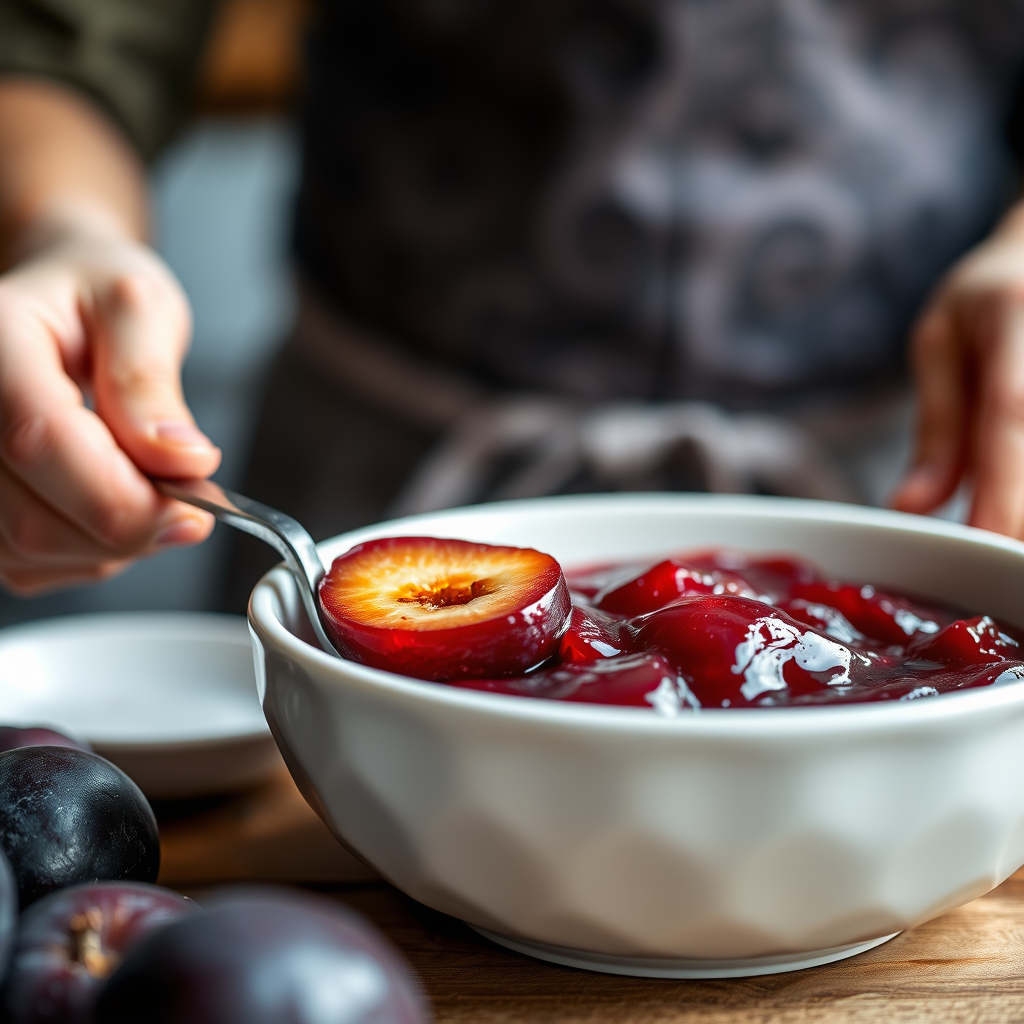
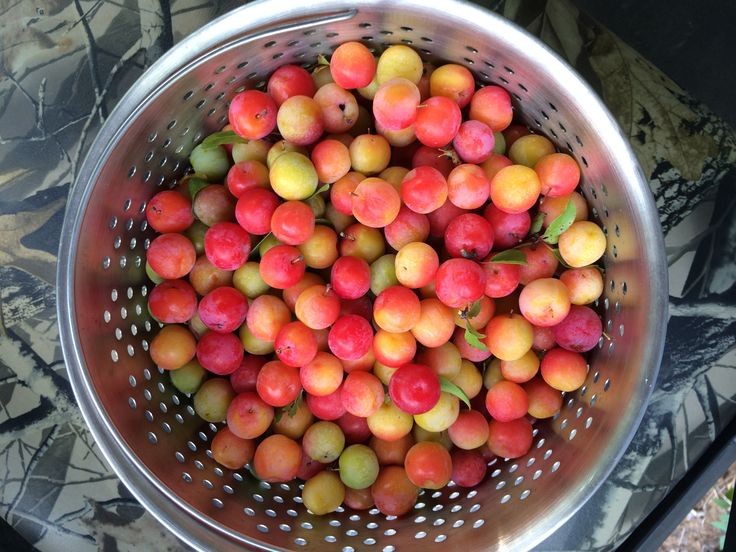
1. Select and Prepare Plums: Choose 2 pounds of ripe plums. Wash them thoroughly to remove any pesticides or dirt. Remove the pits and chop the plums into small pieces, leaving the skins on for added flavor and color.
2. Cook the Plums: In a large, heavy-bottomed pot, combine the chopped plums with 1 cup of granulated sugar and the juice from 1 lemon. Cook over medium heat, stirring frequently until the mixture begins to bubble. This should take about 5-7 minutes.
3. Simmer and Mash: Reduce the heat to low and let the mixture simmer for approximately 30 minutes. Use a potato masher to break down the larger pieces of plum while stirring to ensure even cooking. Keep an eye on the consistency; it should start to thicken.
4. Test for Doneness: To check if your jam is ready for canning, perform the plate test. Place a spoonful of the jam on a chilled plate and let it sit for a minute. Run your finger through the jam; if it holds its shape and does not run back together, it’s ready for canning. If not, continue simmering for another 5-10 minutes and test again.
5. Prepare Jars: While the jam is cooking, prepare your canning jars by sterilizing them. Submerge the jars in boiling water for 10 minutes, then let them dry completely before filling them with jam.
6. Fill Jars: Once the jam has reached the desired consistency, ladle it into the sterilized jars, leaving about a quarter-inch headspace at the top. Wipe the rims of the jars with a clean cloth to remove any residue.
7. Seal and Process: Place the sterilized lids on the jars and screw on the metal bands until they are fingertip-tight. Process the jars in a boiling water bath for 10 minutes to ensure that they are sealed properly. Allow the jars to cool completely on a clean towel or rack.
8. Store: Once cooled, check that the lids have sealed properly by pressing down in the center of each lid. If it pops back, it hasn’t sealed, and you should refrigerate that jar and use it promptly. Store sealed jars in a cool, dark place for up to one year.
Essential Ingredients for Plum Jam Without Pectin
| # | Ingredient | Quantity | Purpose | Notes |
|---|---|---|---|---|
| 1 | Ripe Plums | 2 lbs | Base ingredient | Choose ripe, fresh plums |
| 2 | Granulated Sugar | 1 cup | Sweetener | Essential for gelling |
| 3 | Lemon Juice | Juice of 1 | Acidifier | Enhances flavor and safety |
| 4 | Water | As needed | Cooking aid | Optional, to adjust consistency |
| 5 | Canning Jars | 5-6 jars | Storage | Must be sterilized |
| 6 | Lids and Bands | 5-6 sets | Sealing | New or properly reused |
| 7 | Potato Masher | 1 | Mashing | For breaking down fruit |
Warning Signs: When Not to Follow This
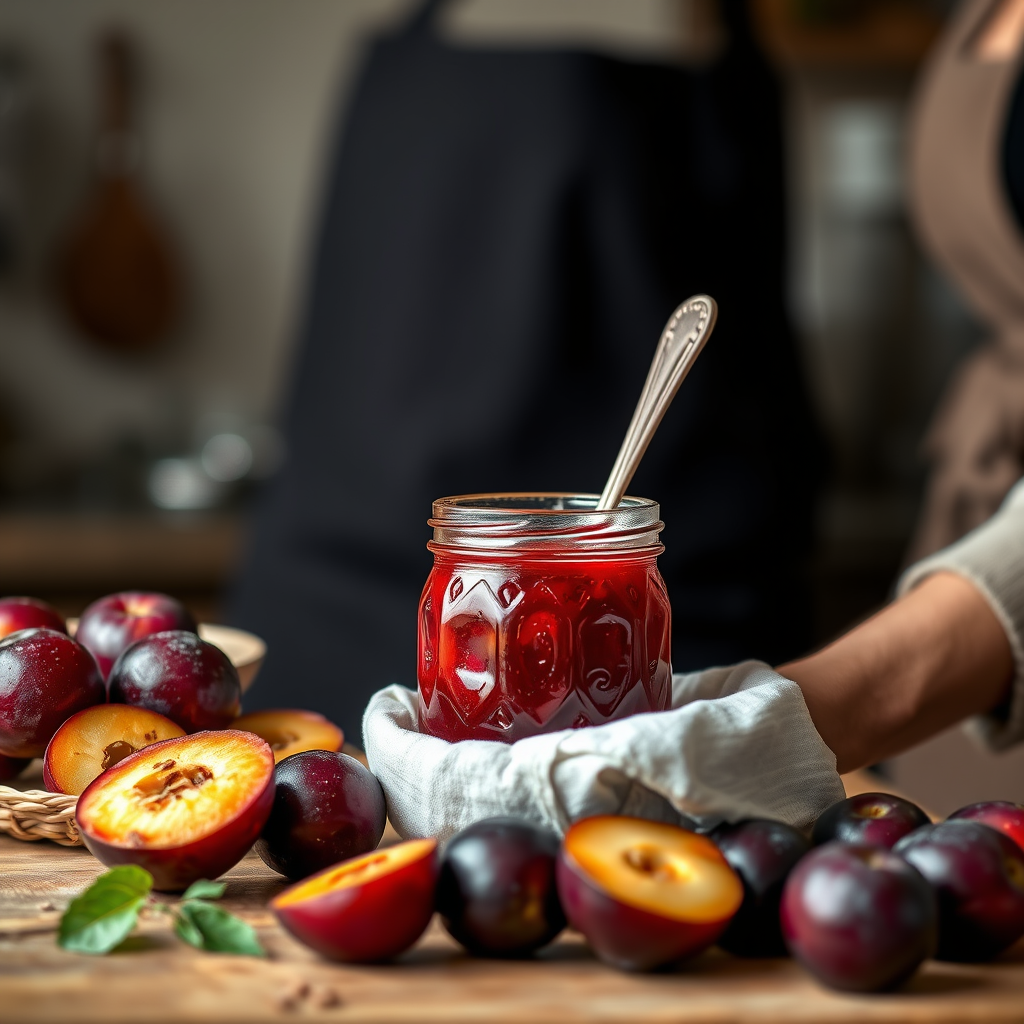
– If the plums are overripe, fermented, or show signs of mold, do not proceed. These conditions can compromise the safety and quality of the jam. Overripe fruit may introduce off-flavors, while mold can harbor harmful mycotoxins.
– Avoid making plum jam if you lack proper canning equipment, such as a water bath canner or sterilized jars. These tools are crucial for preventing bacterial growth and ensuring a safe product.
– Do not attempt this recipe if you are unfamiliar with basic canning safety protocols, as neglecting these can lead to foodborne illnesses, including botulism.
The Most Common Mistakes (And Their Consequences)
– Not Measuring Ingredients Accurately: Using too little sugar can result in jam that doesn’t set properly, leading to a runny texture. Always adhere to the specified sugar-to-fruit ratio to ensure proper gelling.
– Skipping Sterilization: Failing to properly sterilize jars and lids can introduce bacteria, risking spoilage and potential food safety hazards. Always sterilize your canning jars before use.
– Ignoring Acidity Levels: Not adding enough lemon juice can result in a jam that is too low in acidity, increasing the risk of botulism. It is essential to measure lemon juice accurately, as sufficient acidity is critical for safe preservation.
Special Cases That Need a Different Approach
– If using under-ripe plums, consider adjusting the sugar content to compensate for the lower natural sweetness and acidity. You may need to increase the sugar by an additional half cup and possibly extend the cooking time to achieve the desired consistency.
– For those allergic to citrus, substitute lemon juice with white vinegar or apple cider vinegar, ensuring that the acidity level remains adequate for safe canning. Use 1 tablespoon of vinegar per cup of fruit to maintain proper acidity.
– If making large batches, divide the mixture into smaller pots to ensure even cooking and prevent burning. This method allows for better heat distribution and more consistent results, adjusting cooking times as necessary.
When You Need a Professional
– If you are unsure about the acidity of your plums or the safety of your canning practices, consult a local extension office or a food preservation expert for advice tailored to your situation.
– If you notice any signs of spoilage in your canned jam, such as off-smells, discoloration, or bulging lids, discard the product immediately and seek guidance from a food safety professional. Consumption of spoiled preserves can lead to serious health risks.
– For unique dietary needs or specialized recipes, especially those involving alternative sweeteners or preservation methods, seek advice from a certified food scientist or nutritionist to ensure safety and efficacy.
Sources and Further Reading
– “So Easy to Preserve” by the University of Georgia Cooperative Extension: A comprehensive guide to food preservation, including canning methods.
– USDA Complete Guide to Home Canning: Official guidelines on safe canning practices and recipes.
– National Center for Home Food Preservation: Offers research-based recommendations for home canning and preserving foods safely.
By following these guidelines, you can successfully create delicious, safe plum jam without pectin, harnessing the natural flavors and qualities of this wonderful fruit. Enjoy your canning venture!
Frequently Asked Questions
What are some easy recipes for plum jam without pectin?
Easy recipes for plum jam without pectin typically involve just a few simple ingredients: ripe plums, sugar, and lemon juice. Start by pitting and chopping the plums, then simmer them with sugar and lemon juice until they reach your desired consistency. This method allows the natural pectin in the fruit to help thicken the jam without the need for additional pectin.
How do I ensure my plum jam thickens properly without using pectin?
To ensure your plum jam thickens properly without pectin, it’s essential to use ripe, high-quality plums, as they naturally contain pectin. Cook the jam slowly, allowing it to simmer for at least 30-45 minutes, stirring often, until it reaches the desired thickness. Testing the jam on a cold plate can help confirm if it has set to your liking.
Why should I consider making plum jam without pectin?
Making plum jam without pectin is a great choice for those who prefer a more natural approach to preserving fruit flavors. It allows for a fresher taste and a more authentic texture, as the natural pectin in the fruit is utilized. Additionally, avoiding pectin can reduce the overall cost and simplify the jam-making process.
What are the best types of plums to use for making jam without pectin?
The best types of plums for making jam without pectin are those that are naturally high in pectin, such as Italian plums or Damson plums. These varieties not only contribute to a thicker consistency but also offer a rich flavor that enhances the overall taste of the jam. Using ripe and sweet plums will also result in a more delicious final product.
Which tips can help improve the flavor of my homemade plum jam without pectin?
To enhance the flavor of your homemade plum jam without pectin, consider adding spices like cinnamon or ginger, or incorporating citrus zest to elevate the taste profile. You can also mix in other fruits, such as apples or pears, which naturally contain more pectin and can add complexity to the flavor. Lastly, adjust the sugar levels to balance the sweetness according to your preference.
References
- How to Make Plum Jam (with Pictures) – wikiHow Life
https://www.wikihow.com/Make-Plum-Jam - https://www.extension.iastate.edu/publications/pm1906.pdf
https://www.extension.iastate.edu/publications/pm1906.pdf - https://pubmed.ncbi.nlm.nih.gov/28067095/
https://pubmed.ncbi.nlm.nih.gov/28067095/ - https://www.ncbi.nlm.nih.gov/pmc/articles/PMC7211251/
https://www.ncbi.nlm.nih.gov/pmc/articles/PMC7211251/ - https://www.sciencedirect.com/topics/agricultural-and-biological-sciences/plum-jam
https://www.sciencedirect.com/topics/agricultural-and-biological-sciences/plum-jam - https://www.healthline.com/nutrition/homemade-jam-recipe
https://www.healthline.com/nutrition/homemade-jam-recipe - Google Scholar Google Scholar
https://scholar.google.com/scholar?q=plum+jam+without+pectin - Google Scholar Google Scholar
https://scholar.google.com/scholar?q=homemade+plum+jam+recipes - Google Scholar Google Scholar
https://scholar.google.com/scholar?q=making+jam+without+pectin - Google Scholar Google Scholar
https://scholar.google.com/scholar?q=recipes+for+plum+jam+without+pectin