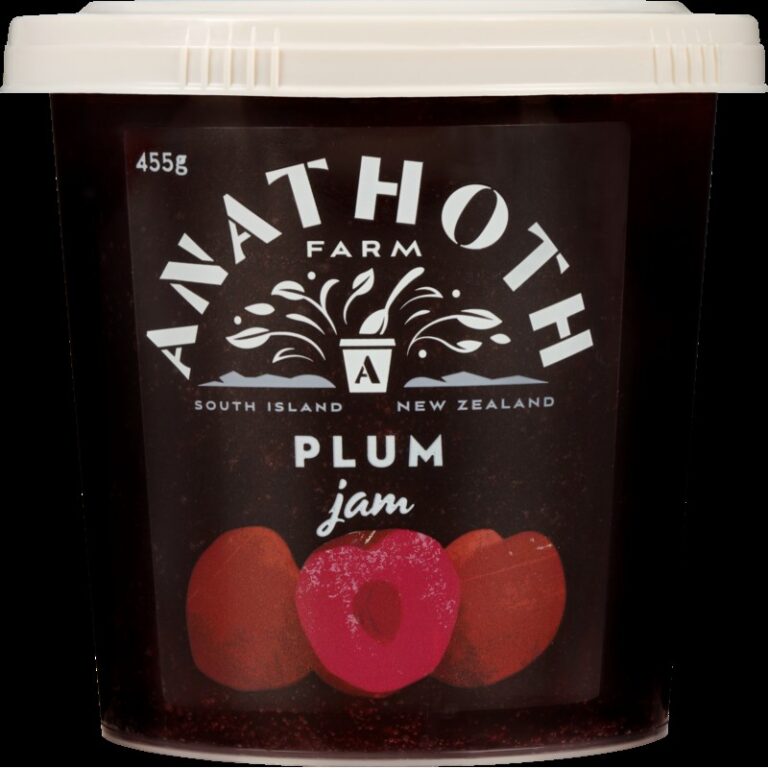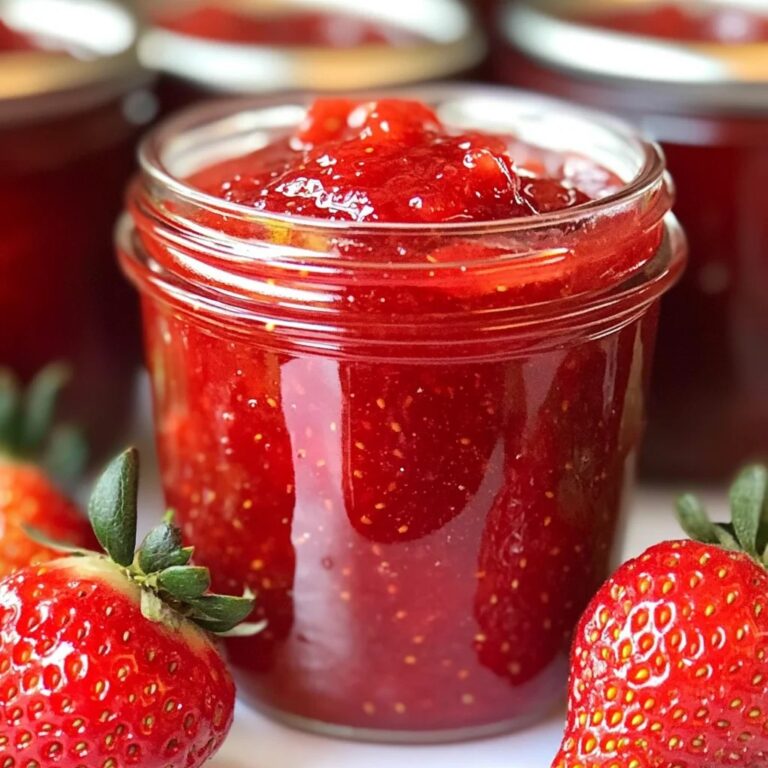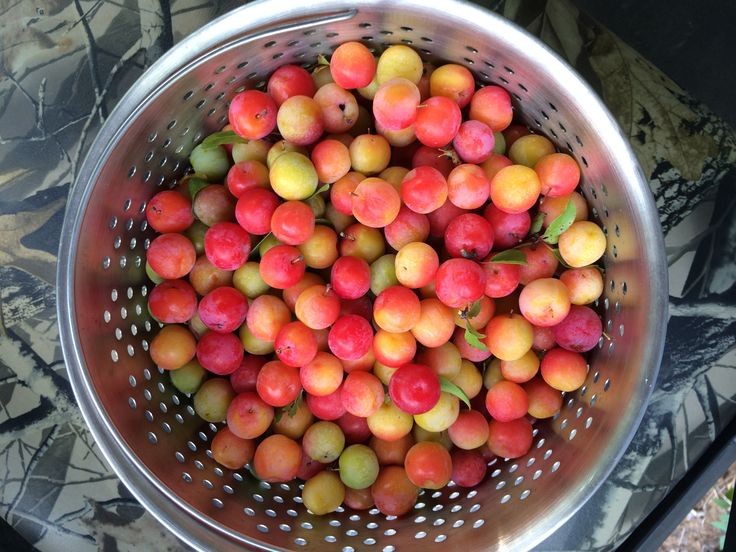
Making plum jam without pectin can yield delicious, naturally thick preserves, and this complete expert guide provides precise instructions for safely crafting your own. With a focus on proper techniques and safety protocols, you’ll learn how to harness the natural sugars and flavors of plums while ensuring a successful canning process. Following these expert steps not only enhances your culinary skills but also guarantees the quality and safety of your homemade jam.
What This Guide Covers (And What It Doesn’t)
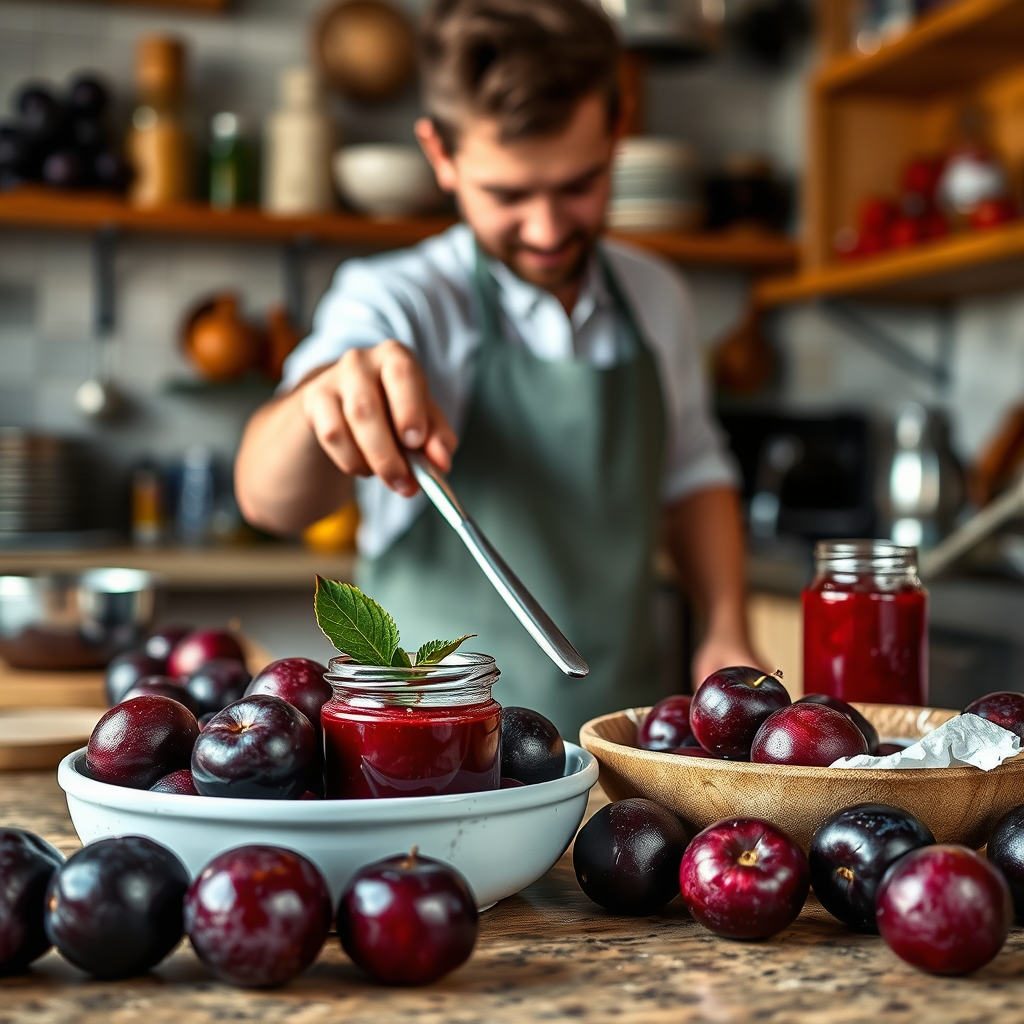
This guide offers a detailed, step-by-step method for crafting plum jam without pectin, emphasizing the natural thickening properties of plums and sugar. It details the necessary ingredients, tools, and safety precautions for home canning, ensuring that your final product is safe to enjoy. However, this guide does not include recipes that use pectin, other fruit jams, or advanced canning techniques beyond the basics of jam-making. If you’re seeking commercial-grade preservation methods or industrial equipment, you will need to explore other resources, as this guide is specifically designed for home cooks.
Who Should Read This
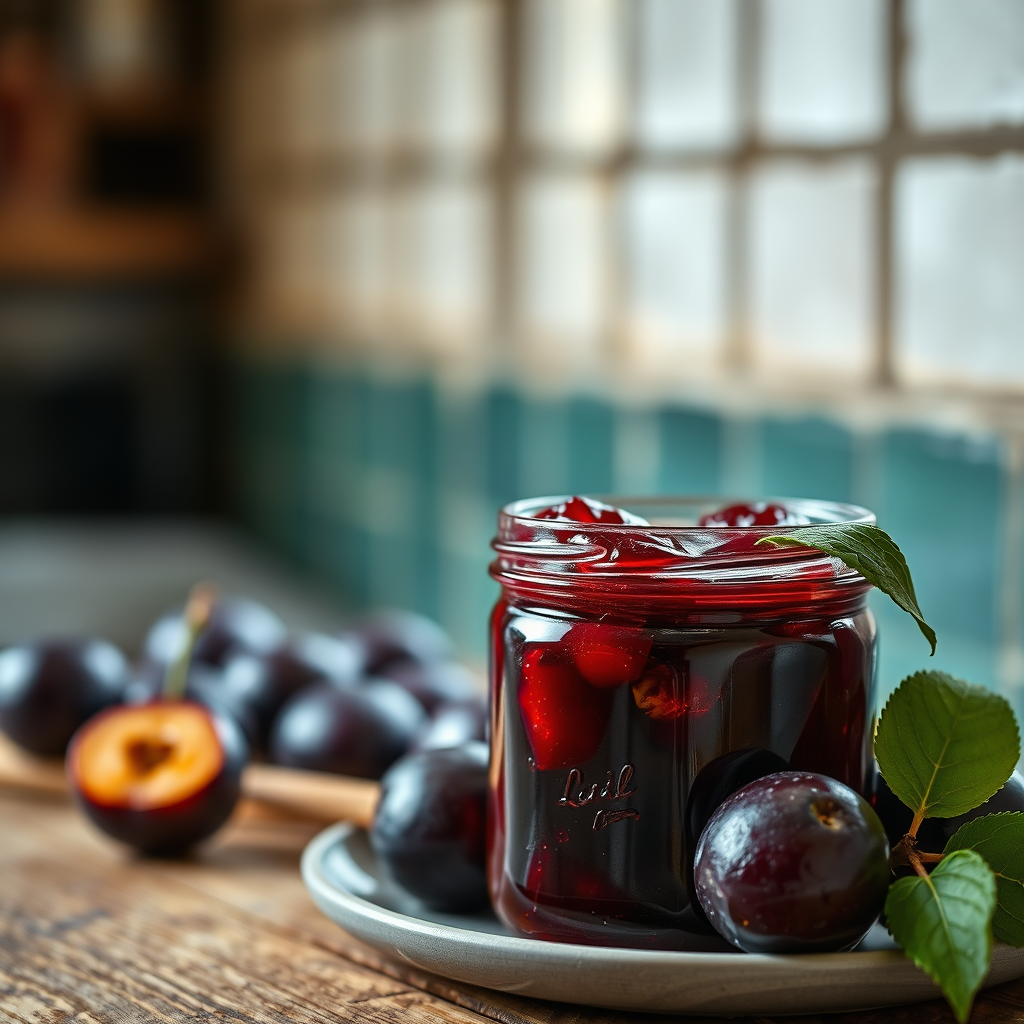
This guide is aimed at home cooks who possess a basic understanding of food preservation and want to make fruit preserves without additives like pectin. It is perfect for individuals who prefer natural ingredients and those eager to utilize seasonal plums from their gardens or local markets. Beginners in jam-making will appreciate the straightforward approach that avoids overwhelming jargon, while experienced canners looking to expand their repertoire with a simple, natural recipe will also find valuable insights here.
The Step-by-Step Protocol
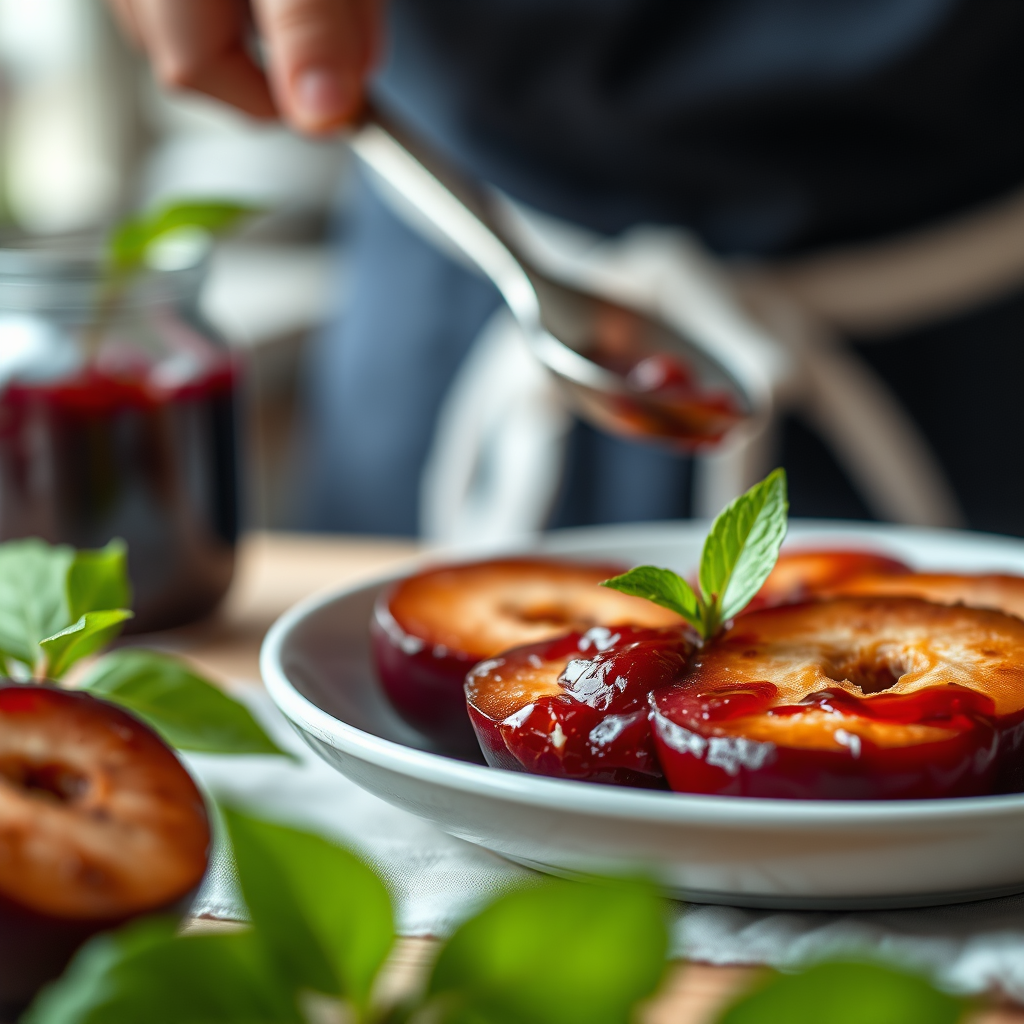
1. Select and Prepare Plums: Choose ripe, firm plums (approximately 2 pounds). Wash them thoroughly to remove any pesticides or dirt. Remove the pits and chop the fruit into small, uniform pieces for even cooking.
2. Measure Ingredients: In a large, heavy-bottomed pot, combine the chopped plums with 2 cups of granulated sugar and the juice of one lemon. The addition of lemon juice is essential as it boosts acidity, which is crucial for safe preservation and helps the jam set naturally.
3. Cook the Mixture: Place the pot over medium heat and bring the mixture to a boil, stirring frequently to prevent sticking. Once boiling, reduce the heat slightly and continue to cook for approximately 30-40 minutes. Monitor the temperature closely until it reaches 220°F (104°C), the gel point for fruit preserves without pectin.
4. Test for Doneness: To check if your jam is ready, perform the plate test. Spoon a small amount of the jam onto a chilled plate and tilt it. If it holds its shape and does not run, it is ready for canning. If it runs, continue cooking and check every few minutes until it reaches the desired consistency.
5. Prepare Jars for Canning: While the jam is cooking, sterilize your canning jars and lids. This can be done by placing them in a boiling water bath or running them through a dishwasher on a hot cycle. Ensure they are completely dry before filling.
6. Fill the Jars: Once the jam has reached the proper consistency, remove it from the heat. Carefully ladle the hot jam into the prepared jars, leaving about 1/4 inch headspace at the top. Wipe the rims of the jars with a clean cloth to remove any residue that could prevent proper sealing.
7. Seal and Process: Place the sterilized lids on the jars and screw on the metal bands until they are fingertip-tight. Process the jars in a boiling water bath for 10-15 minutes to ensure a proper seal and eliminate any potential bacteria. Adjust the processing time if you are at an altitude of over 1,000 feet.
8. Cool and Store: After processing, carefully remove the jars from the water bath and set them on a clean towel or cooling rack. Allow them to cool completely for 12-24 hours. Once cooled, check the seals by pressing down in the center of each lid. If it pops back, it has not sealed properly and should be refrigerated for use within a week. Properly sealed jars can be stored in a cool, dark place for up to one year.
Plum Jam Ingredients and Process Summary
| # | Ingredient/Process | Quantity | Notes |
|---|---|---|---|
| 1 | Ripe Plums | 2 lbs | Chopped, pitted |
| 2 | Granulated Sugar | 2 cups | Adjust for sweetness preference |
| 3 | Lemon Juice | Juice of 1 | Enhances acidity |
| 4 | Cooking Time | 30-40 min | Until reaching 220°F |
| 5 | Water Bath Processing | 10-15 min | Ensure a seal |
| 6 | Headspace | 1/4 inch | Prevents overflow |
| 7 | Cooling Time | 12-24 hours | Check for seals |
Warning Signs: When Not to Follow This
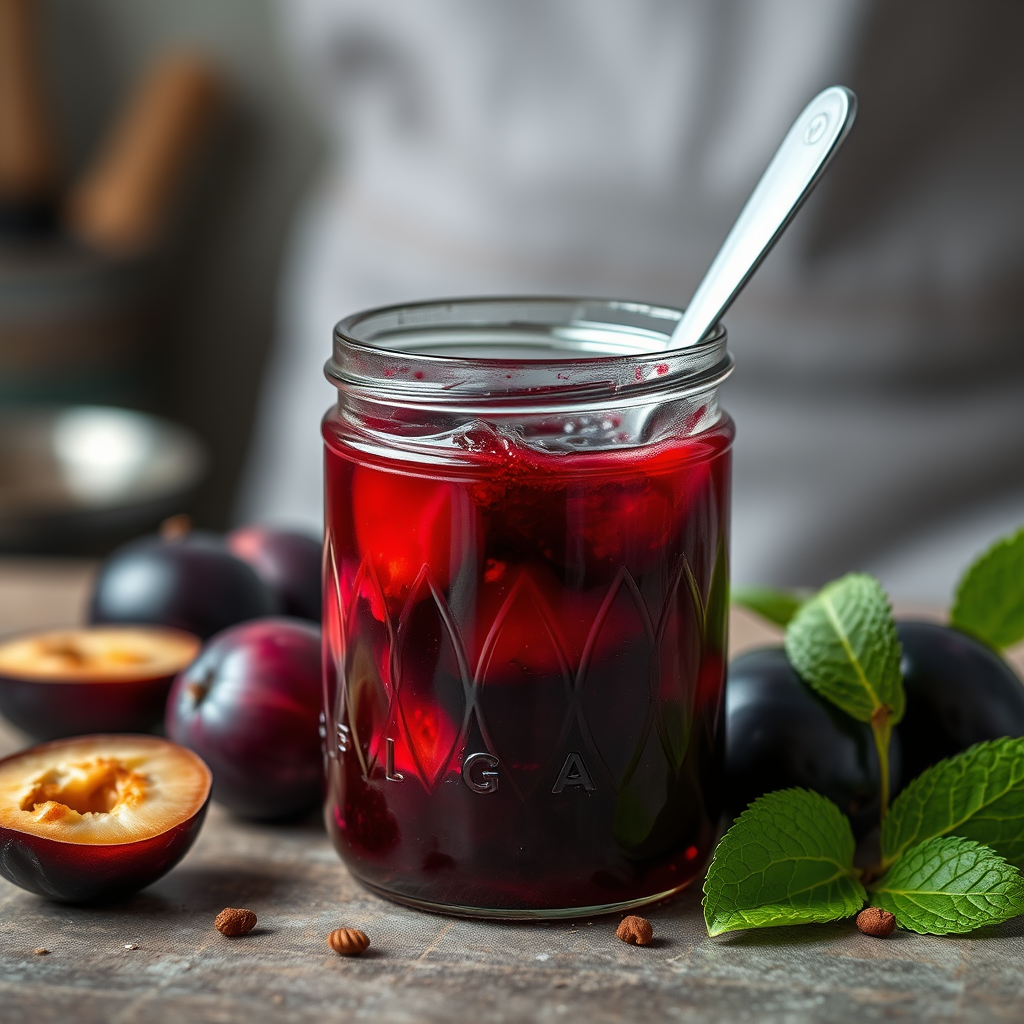
Avoid this recipe if the plums are overly ripe, bruised, or moldy, as this may compromise the safety and quality of the jam. Do not proceed if you lack the necessary canning equipment, such as sterilized jars, lids, and a water bath canner, since improper canning can lead to foodborne illnesses. If you have a compromised immune system or are preparing food for someone who does, consult a food safety expert before making homemade preserves. Additionally, if you’re unfamiliar with safe canning practices, it’s best to skip this method, as improper sealing can result in spoilage or botulism.
The Most Common Mistakes (And Their Consequences)
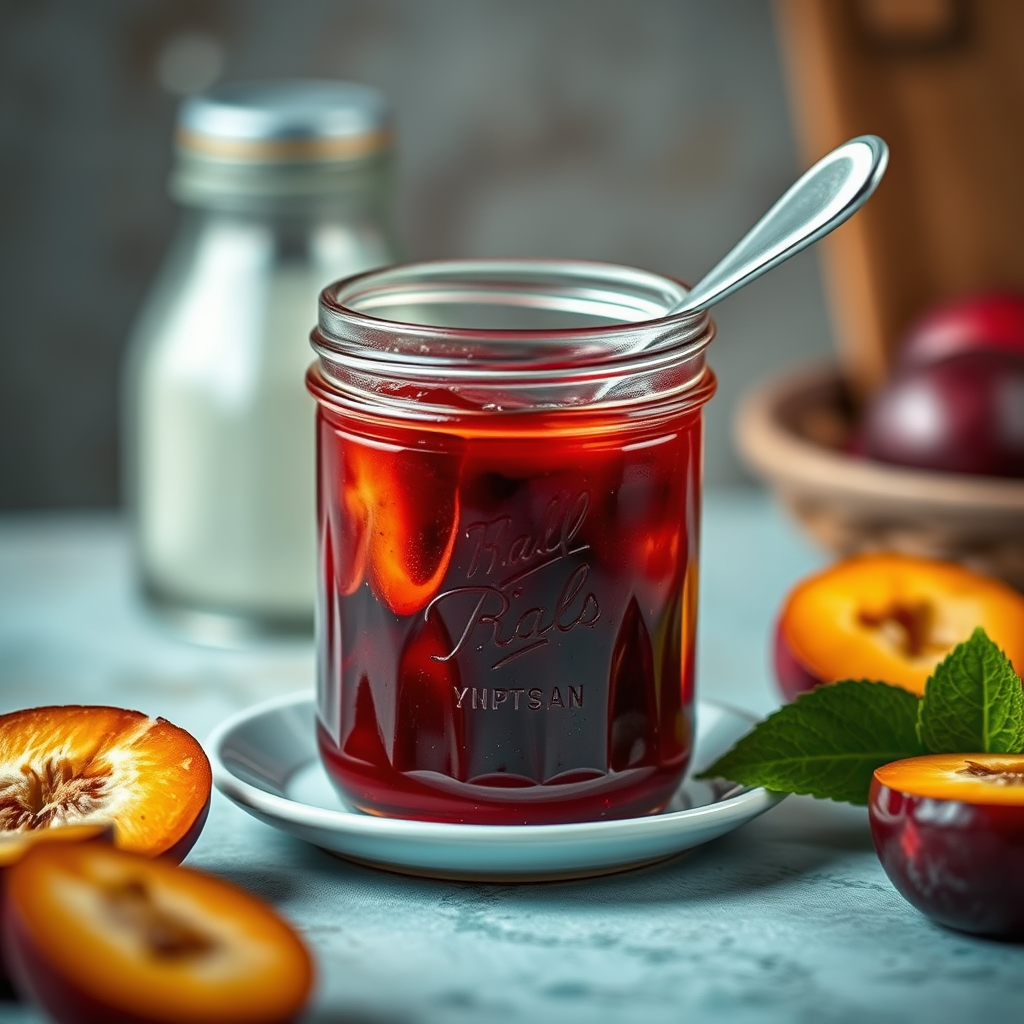
– Skipping the Lemon Juice: Omitting lemon juice can lead to a jam with insufficient acidity, increasing the risk of spoilage and potential bacterial growth.
– Under-Cooking the Jam: Not cooking the jam long enough can yield a runny consistency, preventing proper setting and preservation, which may result in a product that spoils quickly.
– Using Non-Sterilized Jars: Failure to properly sterilize jars can result in bacterial growth, causing spoilage or foodborne illness and putting consumers at risk.
– Ignoring the Temperature: Neglecting to monitor the cooking temperature may lead to either burnt jam or an unsafe product that doesn’t gel properly, resulting in an undesirable texture.
Special Cases That Need a Different Approach
– Low-Sugar Diets: For those requiring a lower sugar option, consider reducing sugar to 1 cup and adding a natural sweetener like honey. However, be cautious, as this may alter both the shelf life and texture of the jam.
– Allergies: If anyone has allergies to certain fruits, replace plums with compatible fruits, such as peaches or apricots, while maintaining the same ratios for sugar and acidity.
– High-Altitude Canning: Adjust the cooking time and processing method if you are at a high altitude (over 1,000 feet) to ensure the jam sets properly and is safe for consumption. Typically, increase the boiling water bath processing time by 1 minute for each additional 1,000 feet.
– Flavored Variations: For those wishing to infuse flavors, add spices like cinnamon or vanilla during cooking, but remember this may affect the final product’s preservation characteristics.
When You Need a Professional
If you observe any signs of spoilage, such as off-smells, bubbles, or mold after canning, discard the jam and consult a food safety expert to understand the issue. Reach out to a licensed food preservationist if you have questions about safety standards or need advice on advanced canning techniques beyond this guide. It’s wise to seek professional assistance if you’re unsure about the safety of your home canning practices, especially if you plan to gift or sell the jam. If you suspect foodborne illness after consuming homemade jam, consult a healthcare provider for guidance and treatment.
Sources and Further Reading
– National Center for Home Food Preservation: Offers guidelines on safe food preservation practices and detailed canning recommendations.
– USDA Complete Guide to Home Canning: A comprehensive resource that covers safe canning practices, including recipes and safety standards.
– The Ball Blue Book Guide to Preserving: A trusted resource for home canners, providing recipes and canning techniques specifically for fruits and jams.
– Local Cooperative Extension Services: Often provide workshops and resources related to food preservation and canning safety in your area.
Frequently Asked Questions
What are the essential ingredients for making plum jam without pectin?
To make plum jam without pectin, you’ll need ripe plums, sugar, and lemon juice. The ripe plums provide natural pectin, while the sugar helps with preservation and sweetness. Lemon juice not only adds flavor but also balances the sweetness and aids in the gelling process.
How do I ensure my plum jam thickens properly without using pectin?
To ensure your plum jam thickens without pectin, cook the mixture slowly over low heat, allowing the natural pectin in the plums to activate. You can also mash the plums slightly to release more juices and consider cooking until the mixture reaches a temperature of about 220°F, which is the point where it typically gels.
Why should I choose to make plum jam without pectin?
Making plum jam without pectin is a great option for those looking for a more natural preserve without added thickeners. It allows the true flavor of the plums to shine through and can be a healthier choice since it requires less sugar than traditional recipes with pectin.
What is the best way to store homemade plum jam without pectin?
The best way to store homemade plum jam without pectin is to use sterilized glass jars with tight-fitting lids. Once cooled, store the jars in a cool, dark place, and if you want to increase shelf life, consider processing them in a water bath canner for 10-15 minutes to ensure they are sealed properly.
Which plums are best for making jam without pectin?
The best plums for making jam without pectin are those that are ripe and slightly soft, such as Santa Rosa, Damson, or Italian plums. These varieties have a higher natural sugar content and pectin levels, resulting in a deliciously sweet and well-textured jam.
References
- Fruit preserves
https://en.wikipedia.org/wiki/Jam - https://www.ncbi.nlm.nih.gov/pmc/articles/PMC4743135/
https://www.ncbi.nlm.nih.gov/pmc/articles/PMC4743135/ - https://www.fda.gov/food/food-labeling-nutrition/food-safety-and-preservation
https://www.fda.gov/food/food-labeling-nutrition/food-safety-and-preservation - Google Scholar Google Scholar
https://scholar.google.com/scholar?q=recipe+plum+jam+without+pectin - https://www.britannica.com/topic/jam
https://www.britannica.com/topic/jam - https://www.sciencedirect.com/topics/agricultural-and-biological-sciences/jam
https://www.sciencedirect.com/topics/agricultural-and-biological-sciences/jam - Google Scholar Google Scholar
https://scholar.google.com/scholar?q=plum+jam+recipes - https://www.ncbi.nlm.nih.gov/pmc/articles/PMC5540253/
https://www.ncbi.nlm.nih.gov/pmc/articles/PMC5540253/ - https://www.ars.usda.gov/pacific-west-area/stoneville-ms/food-quality-assurance-research/
https://www.ars.usda.gov/pacific-west-area/stoneville-ms/food-quality-assurance-research/ - https://www.nutrition.gov/topics/food-safety/preservation-techniques
https://www.nutrition.gov/topics/food-safety/preservation-techniques