Mastering the art of making blackcurrant jam requires precision and expert knowledge to ensure both flavor and safety. This comprehensive guide walks you through each step of the process, from selecting the best blackcurrants to proper canning techniques. Adhering to these protocols not only enhances the quality of your jam but also safeguards against foodborne illnesses, making your homemade preserves both delicious and safe to enjoy.
What This Guide Covers (And What It Doesn’t)
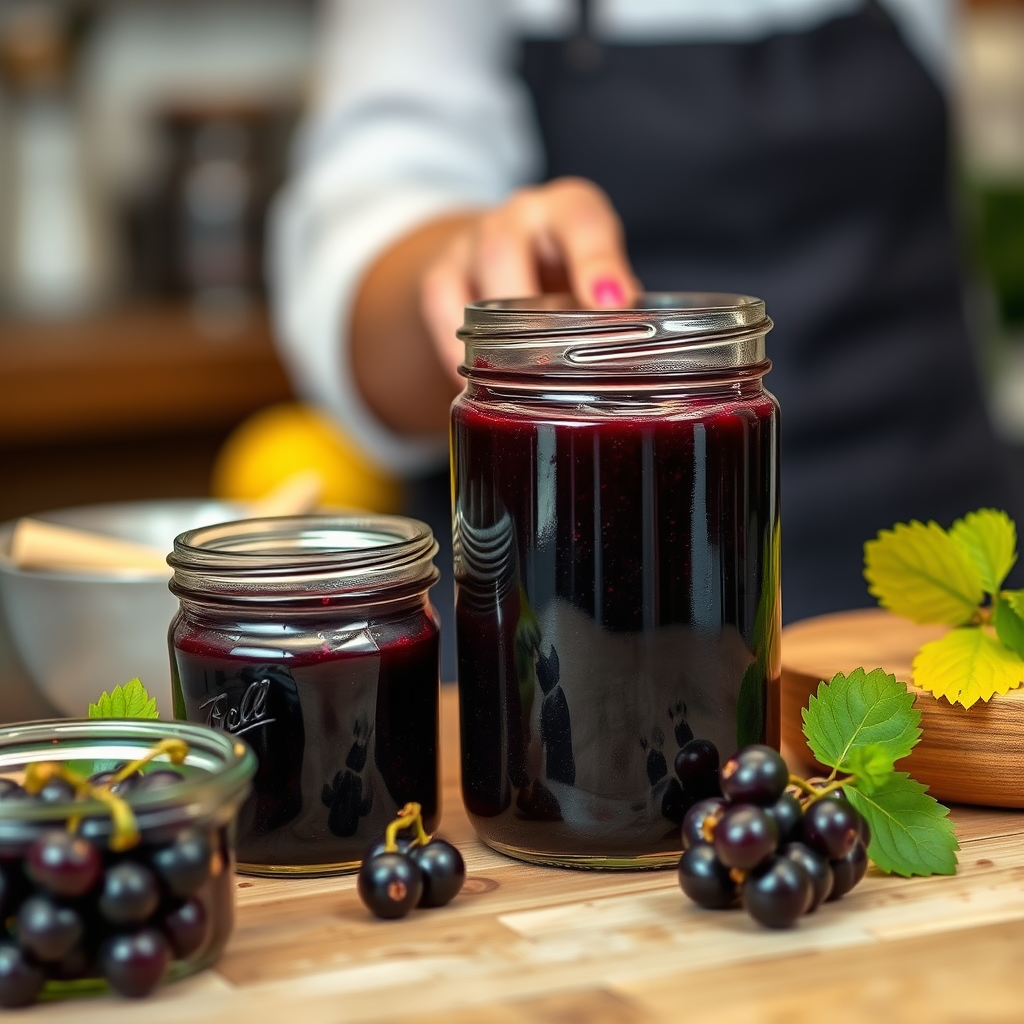
This guide provides a comprehensive recipe for crafting blackcurrant jam, detailing ingredient measurements, cooking techniques, and preservation methods. It emphasizes home canning procedures to ensure both safety and quality, particularly focusing on the acidity levels necessary for secure preservation. However, it does not delve into other types of jams or jellies, nor does it explore variations using different fruits or ingredients outside of blackcurrants.
Who Should Read This
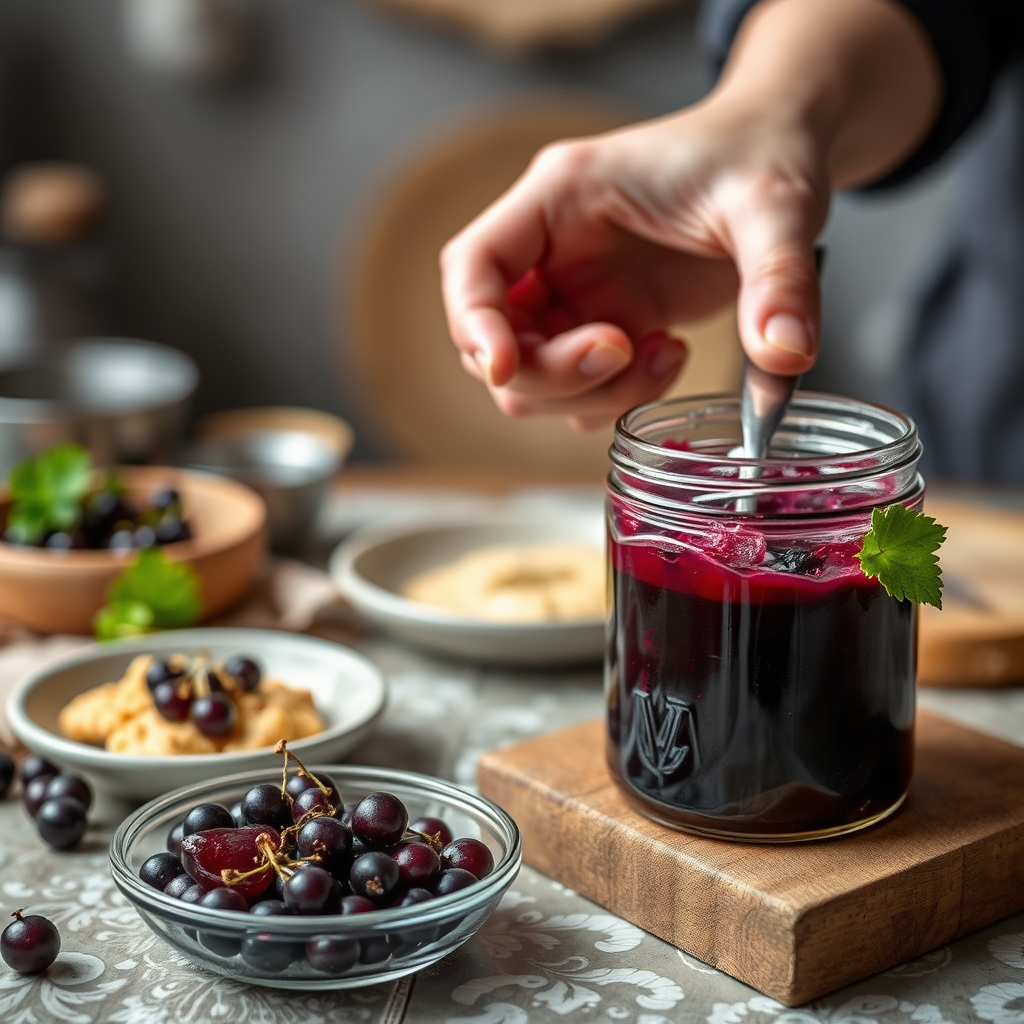
This guide is designed for home cooks who possess a basic understanding of canning and food preservation techniques and are eager to enhance their skills in making fruit preserves. It is especially beneficial for those looking to use blackcurrants, whether fresh or frozen, and seeking a reliable method to create delicious and safe jam. However, readers who are new to canning or lack the essential kitchen equipment and knowledge of food safety practices should consider simpler recipes or seek guidance before attempting this process.
The Step-by-Step Protocol
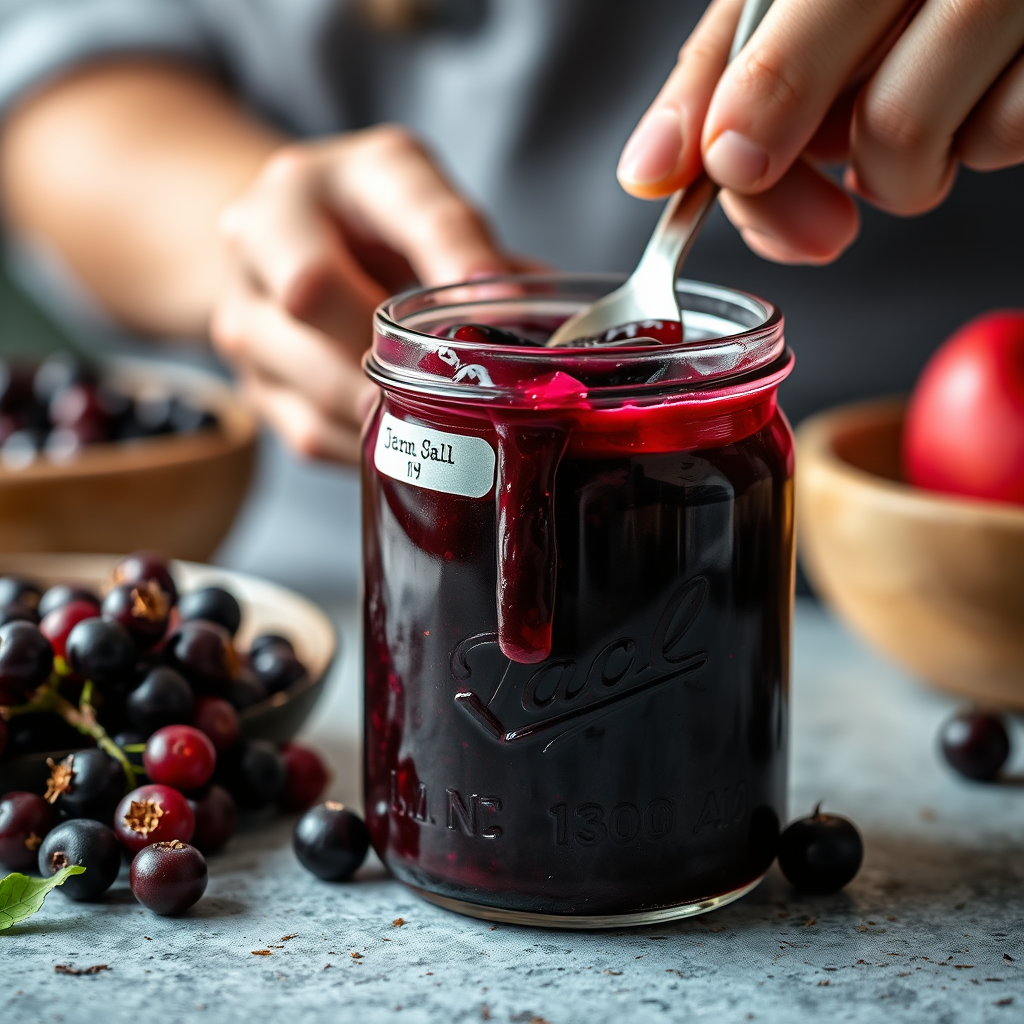
1. Gather Ingredients and Equipment: Assemble 1 kg of ripe blackcurrants, 750 g of granulated sugar, the juice of 1 lemon, and sterilized jars with lids. Ensure you have a large saucepan, a wooden spoon, and a sugar thermometer or a chilled plate for testing the jam’s setting point.
2. Prepare the Blackcurrants: Wash the blackcurrants thoroughly under cold running water, removing stems and any damaged fruit. Drain them well to avoid excess water in the jam, which can affect the final texture.
3. Cook the Jam Mixture: In a large saucepan, combine the cleaned blackcurrants, lemon juice, and sugar. Heat over medium until the sugar has completely dissolved. Once dissolved, increase the heat to bring the mixture to a rolling boil. Maintain this boil for 10-15 minutes, stirring frequently to prevent sticking and burning.
4. Check for Setting Point: Use a sugar thermometer to monitor the temperature, aiming for 105°C (220°F). Alternatively, utilize the plate test: place a spoonful of jam on a chilled plate, allow it to cool for a few seconds, then run your finger through it. If it holds its shape and wrinkles slightly, it has reached the setting point.
5. Jar and Seal: Once at the setting point, remove the jam from heat. Pour the hot jam into the prepared sterilized jars, leaving about 1 cm of headspace at the top. Seal the jars with lids while the jam is still hot. Invert each jar for 5 minutes to create a vacuum seal, then return them to an upright position.
Nutritional Information for Blackcurrant Jam (per 100g)
| # | Nutrient | Amount | Daily Value (%) |
|---|---|---|---|
| 1 | Calories | 250 | 12.5% |
| 2 | Total Fat | 0 g | 0% |
| 3 | Sugars | 60 g | 66.7% |
| 4 | Sodium | 5 mg | 0.2% |
| 5 | Total Carbohydrates | 60 g | 20% |
| 6 | Protein | 0 g | 0% |
| 7 | Vitamin C | 50 mg | 83% |
Warning Signs: When Not to Follow This
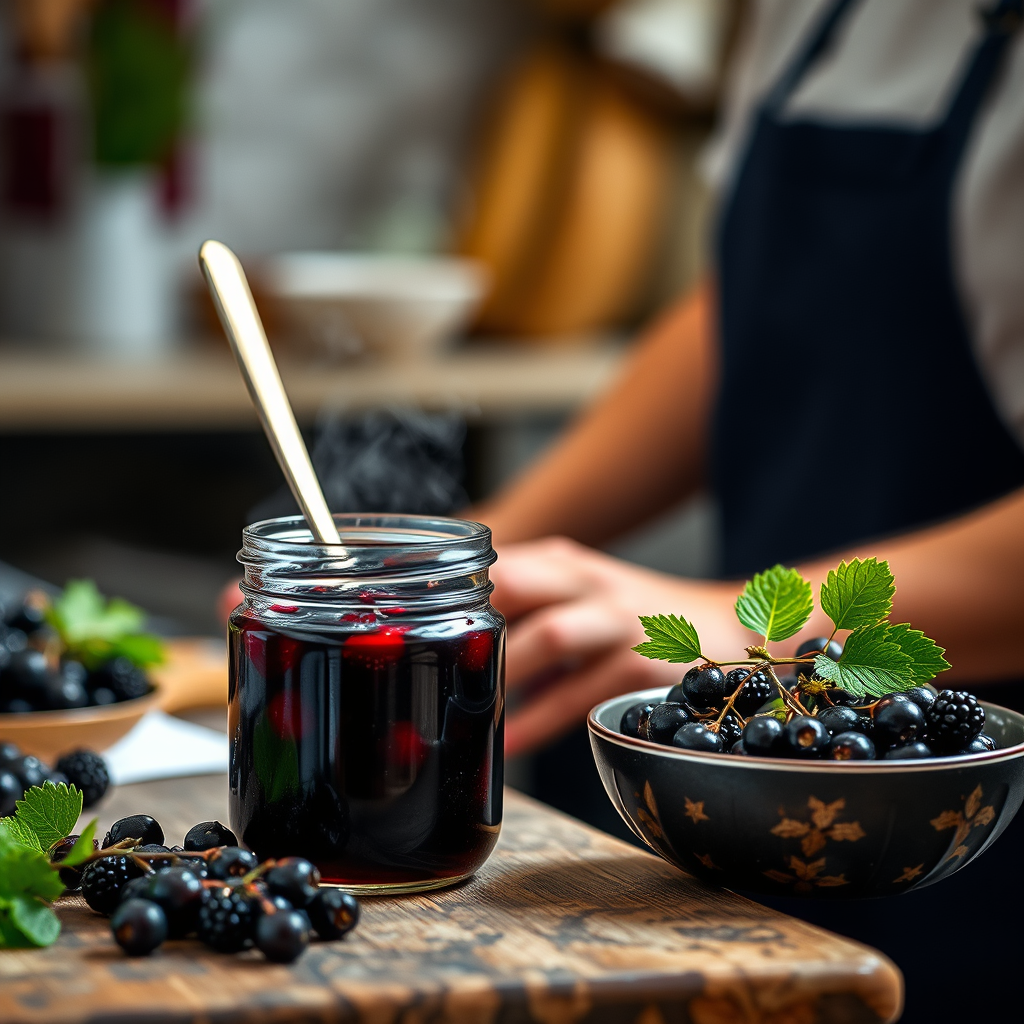
Avoid proceeding with this recipe if the blackcurrants show any signs of mold or spoilage, as this can compromise the safety of the jam. Additionally, if your kitchen environment is not clean or if the canning equipment hasn’t been properly sterilized, it’s best to postpone the process until everything can be adequately sanitized. Also, refrain from making this jam if you do not have the necessary pH testing equipment to confirm that the acidity levels are safe for preservation in jars.
The Most Common Mistakes (And Their Consequences)
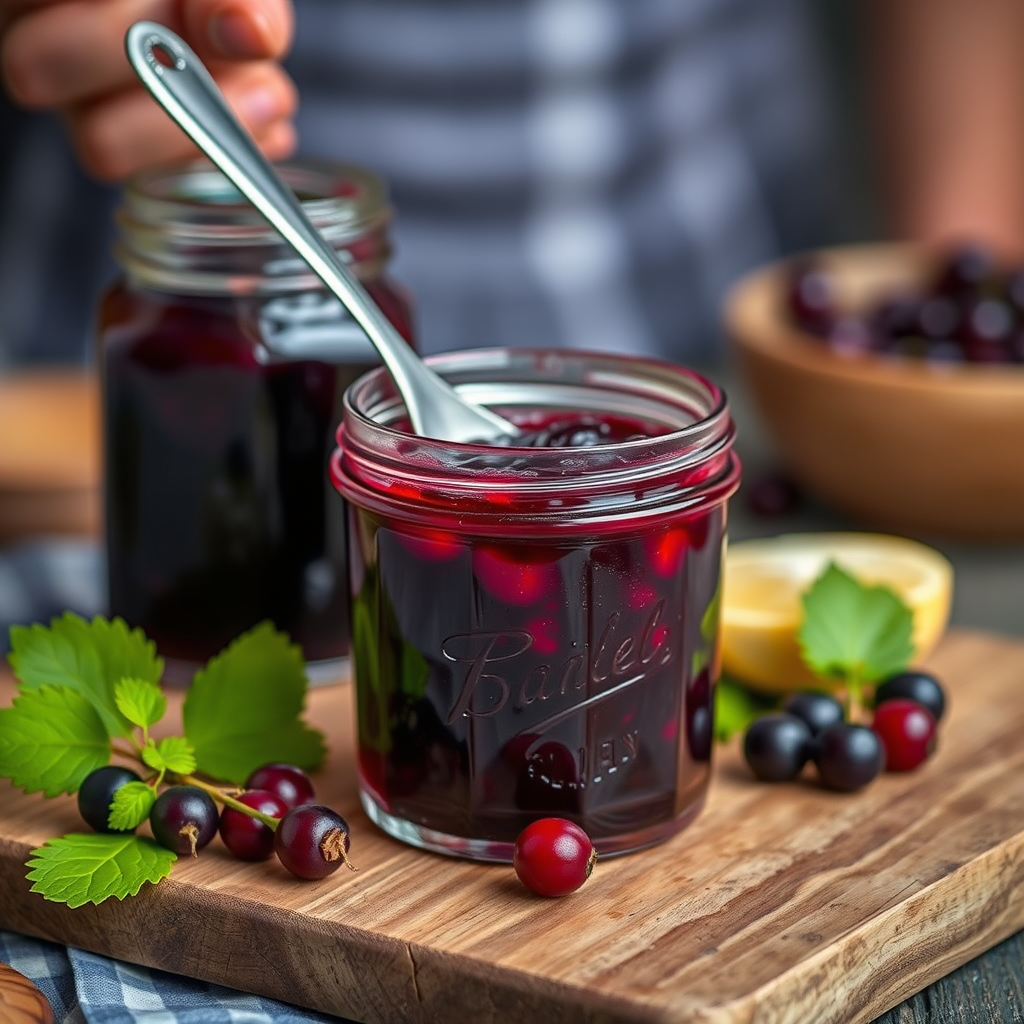
Neglecting to sterilize jars can lead to contamination, resulting in spoilage or foodborne illness; always ensure jars are properly sterilized before use. Inaccurate measurement of sugar can disrupt the jam’s ability to set and preserve, potentially yielding a runny texture or spoilage. Moreover, not testing for the setting point properly can result in either overcooked jam, which may taste burnt, or undercooked jam, which won’t preserve well and may ferment.
Special Cases That Need a Different Approach
When using frozen blackcurrants, thaw them completely and drain any excess liquid before proceeding, as the added water can affect the jam’s consistency. For those with dietary restrictions, consider using low-sugar pectin as an alternative to granulated sugar, adjusting quantities according to package instructions. If the blackcurrants are particularly tart, you may need to increase the sugar slightly to achieve a balanced flavor and proper preservation.
When You Need a Professional
Consult a food preservation expert if you have any uncertainty about the acidity levels of your blackcurrants and their suitability for canning without further acidification. If you detect any signs of spoilage or botulism—such as bulging lids or off-smells during storage—seek immediate professional guidance on safe disposal and food safety protocols. For large-scale production, hiring a food safety consultant can ensure compliance with local food preservation regulations and standards.
Sources and Further Reading
The National Center for Home Food Preservation offers essential guidelines on canning and making jams and jellies, focusing on tested recipes and safety protocols. The USDA Complete Guide to Home Canning provides comprehensive information on safe canning practices and preserving high-acid foods like blackcurrants. Additionally, “Preserving with Pomona’s Pectin: Simple Recipes for Fruit Jams and Jellies” serves as a valuable resource for understanding pectin and its role in jam-making, including low-sugar options.
Frequently Asked Questions
What ingredients do I need for making blackcurrant jam?
To make blackcurrant jam, you’ll need fresh blackcurrants, sugar, and lemon juice. A typical ratio is about 1 kg of blackcurrants to 750 grams of sugar and the juice of one lemon, which helps enhance the flavor and acts as a natural preservative.
How do I properly prepare blackcurrants for jam making?
Start by rinsing the blackcurrants under cold water to remove any dirt or debris. Remove the stems and any damaged berries, then place them in a large pot. You can mash the berries slightly to release their juices, which will help in the cooking process.
Why is lemon juice important in blackcurrant jam recipes?
Lemon juice is crucial in blackcurrant jam recipes because it adds acidity, which balances the sweetness of the sugar and enhances the overall flavor. Additionally, the acid helps to set the jam by assisting in the gelling process, ensuring a proper consistency.
What is the best method for preserving blackcurrant jam?
The best method for preserving blackcurrant jam is to use sterilized jars and a water bath canning technique. After filling the jars with hot jam, seal them tightly and process them in boiling water for about 10-15 minutes to ensure they are airtight and can be stored safely for several months.
Which spices can I add to enhance the flavor of blackcurrant jam?
To enhance the flavor of blackcurrant jam, consider adding spices like cinnamon, cloves, or even a hint of ginger. These spices can add depth and warmth to the jam, creating a unique taste that complements the tartness of the blackcurrants.
References
- Blackcurrant
https://en.wikipedia.org/wiki/Blackcurrant - https://www.bbc.co.uk/food/recipes/blackcurrant_jam_85359
https://www.bbc.co.uk/food/recipes/blackcurrant_jam_85359 - https://www.royalbotanicgarden.org.au/science/blackcurrant-jam-recipe
https://www.royalbotanicgarden.org.au/science/blackcurrant-jam-recipe - https://www.extension.purdue.edu/extmedia/FNR/FNR-480-W.pdf
https://www.extension.purdue.edu/extmedia/FNR/FNR-480-W.pdf - https://www.fruitsandveggiesmorematters.org/blackcurrant-jam-recipe
https://www.fruitsandveggiesmorematters.org/blackcurrant-jam-recipe - https://www.nrcs.usda.gov/wps/portal/nrcs/detail/national/home/?cid=nrcs142p2_052390
https://www.nrcs.usda.gov/wps/portal/nrcs/detail/national/home/?cid=nrcs142p2_052390 - https://www.jstor.org/stable/10.5325/jhughes.4.1.0013
https://www.jstor.org/stable/10.5325/jhughes.4.1.0013 - https://pubmed.ncbi.nlm.nih.gov/25981409/
https://pubmed.ncbi.nlm.nih.gov/25981409/ - Google Scholar Google Scholar
https://scholar.google.com/scholar?q=recipe+for+making+blackcurrant+jam - Google Scholar Google Scholar
https://scholar.google.com/scholar?q=blackcurrant+jam+recipe+nutritional+value