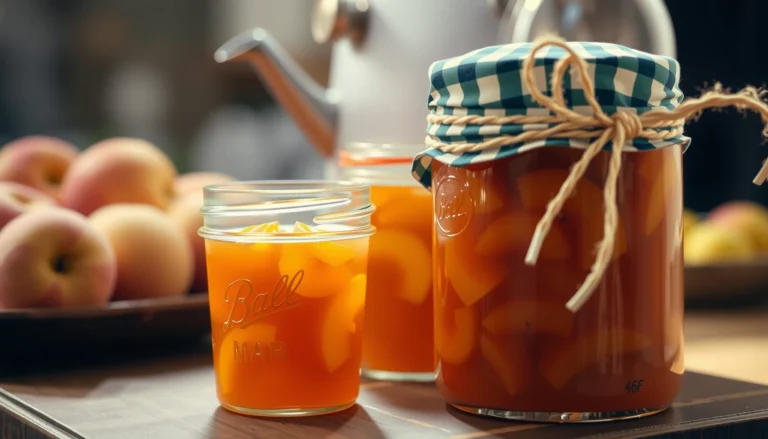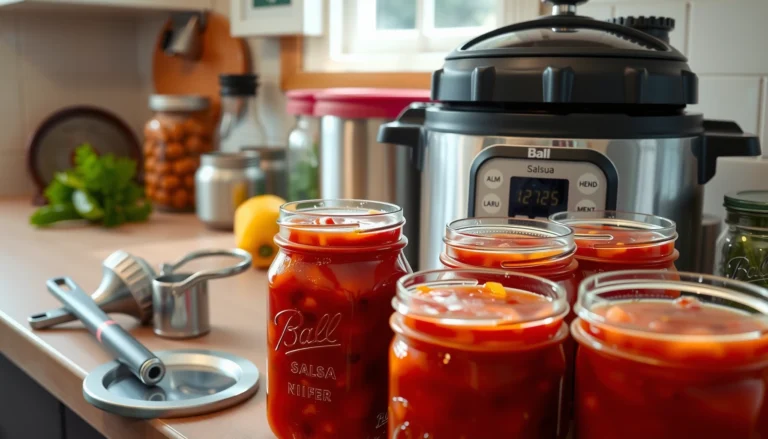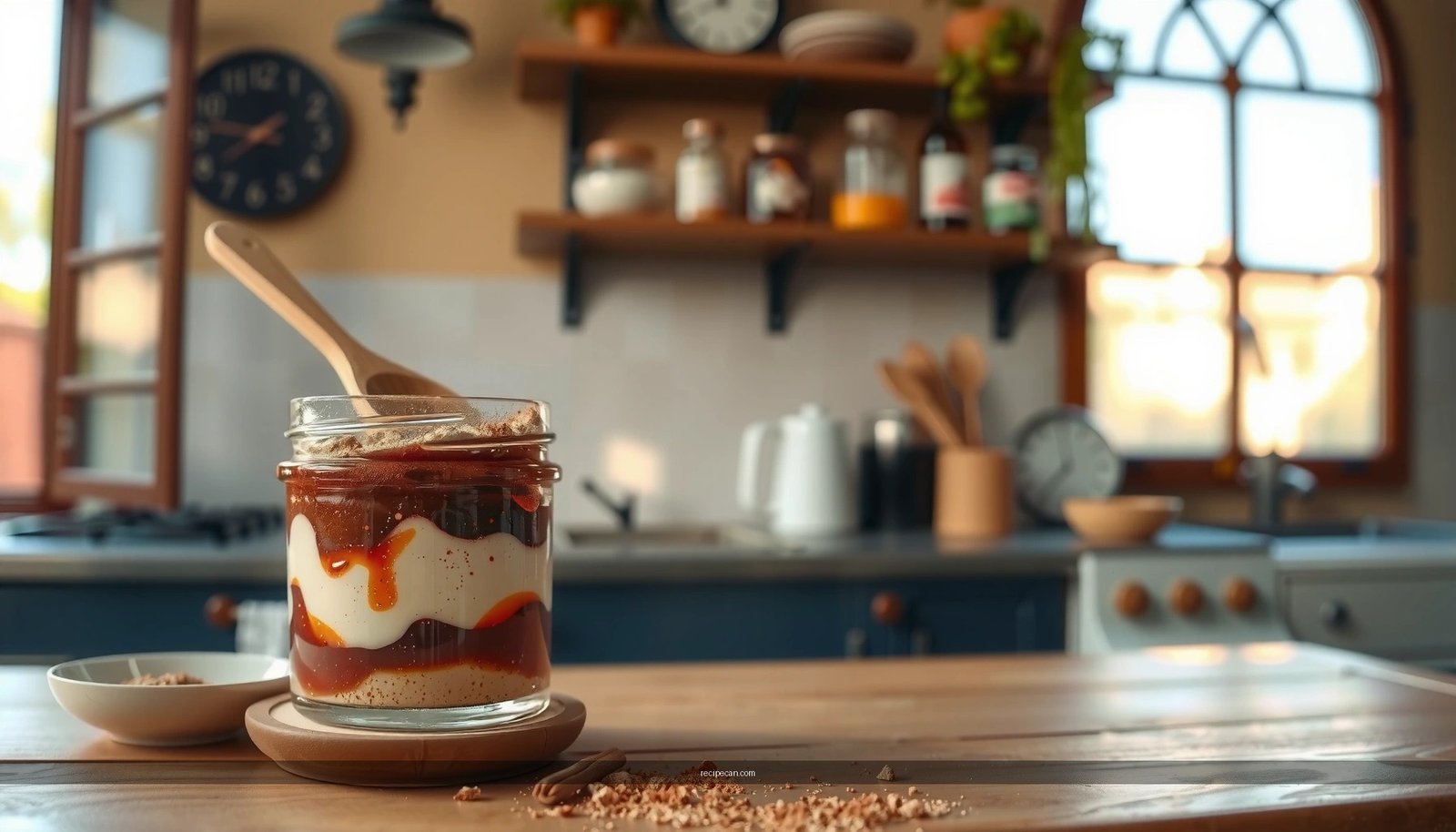
Master the art of making quick jam at home with this complete expert guide, tailored for both novice and experienced cooks. This guide covers essential techniques, safe practices, and foolproof recipes to ensure your jam is delicious and safe for consumption. Following the right protocol not only enhances flavor but also prevents spoilage, making your homemade preserves a reliable addition to your pantry. Dive into the world of quick jams and elevate your culinary skills today.
What This Guide Covers (And What It Doesn’t)
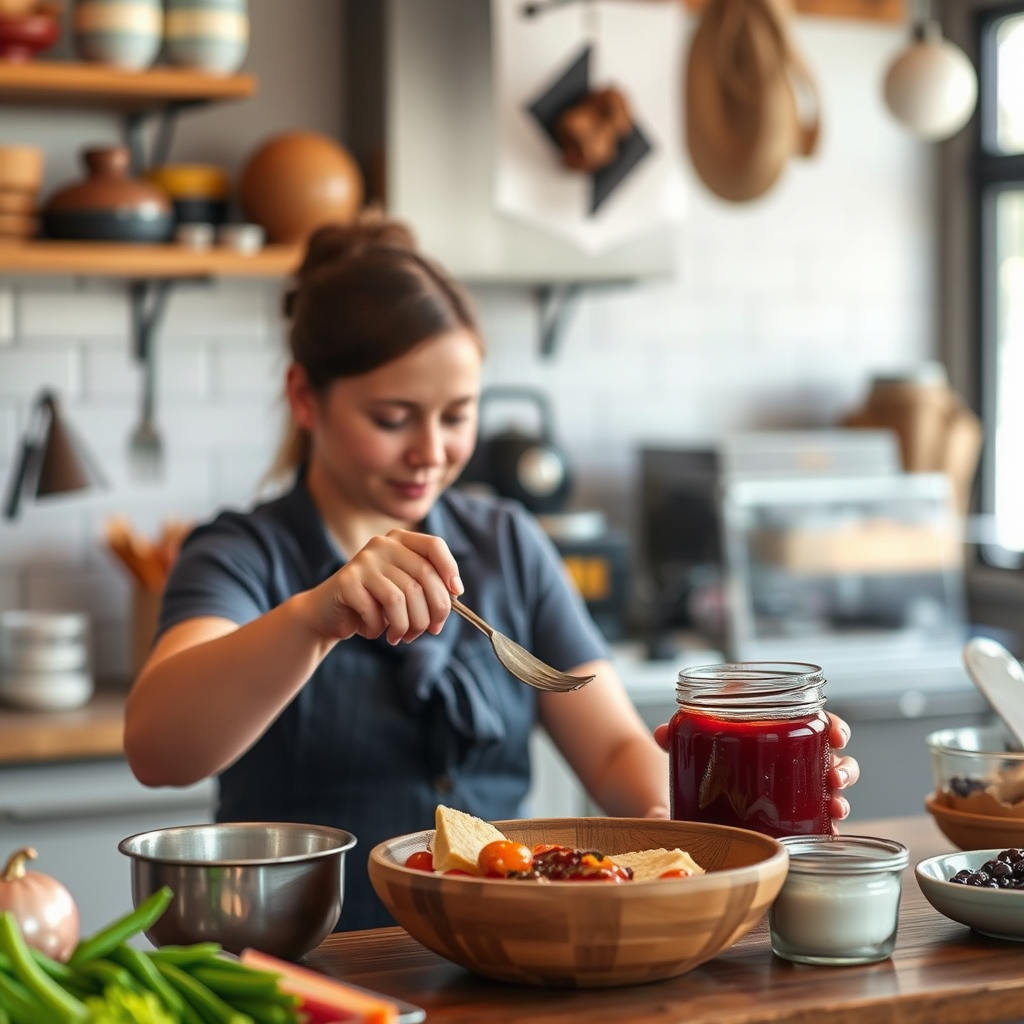
This guide offers a comprehensive method for crafting quick jam at home, emphasizing fresh fruit-based recipes that can be prepared in under 30 minutes. You’ll find detailed instructions on the necessary ingredients, equipment, and safety precautions to ensure your quick jam is both delicious and safe for consumption. However, it does not delve into traditional canning methods or long-term preservation techniques; instead, it focuses specifically on short-term, refrigerator-stable quick jams meant for immediate enjoyment.
Who Should Read This
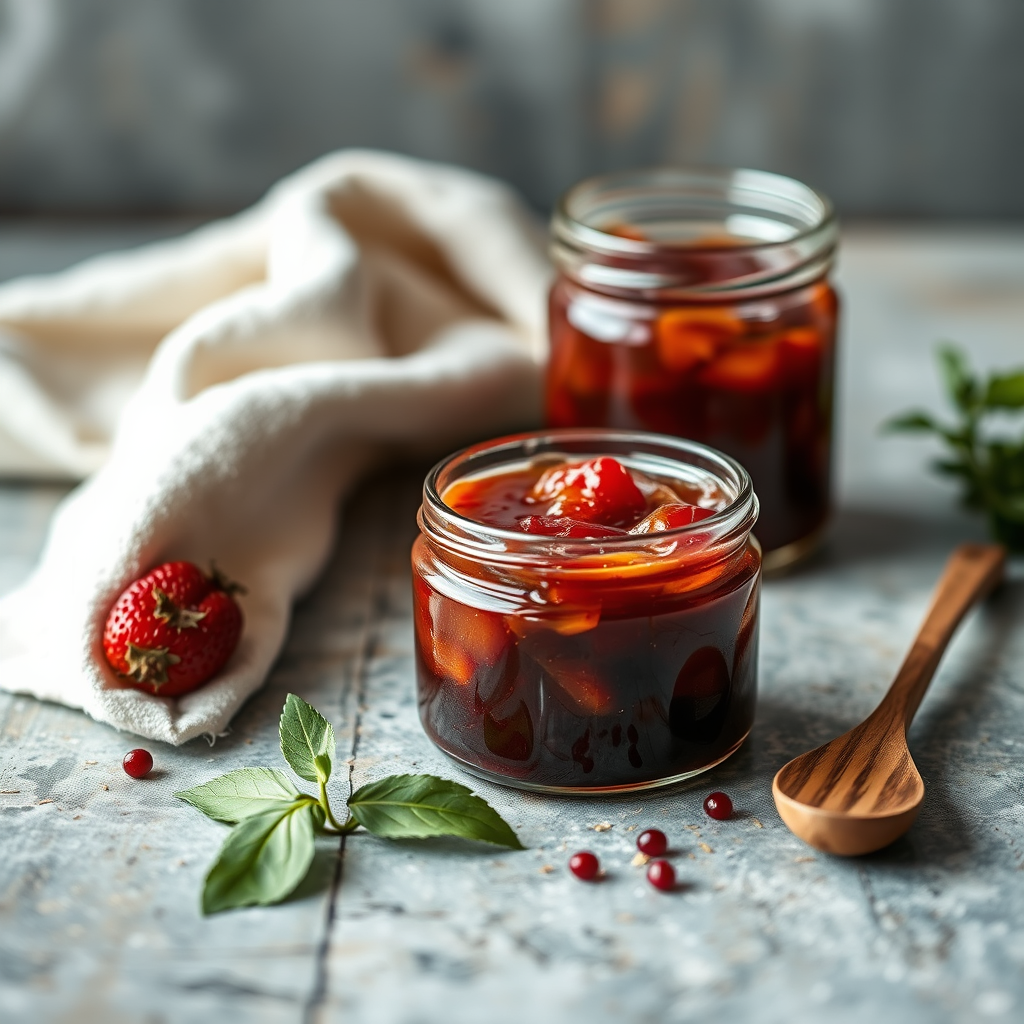
This guide is perfect for beginner to intermediate home cooks eager to explore the art of quick jam making with minimal time and effort. Those who love experimenting with seasonal fruits and wish to create homemade spreads without the complexity of traditional canning will find it especially beneficial. Busy professionals and families with children looking for straightforward instructions on preserving fruit flavors in a quick and easy manner will also appreciate the insights provided here.
The Step-by-Step Protocol
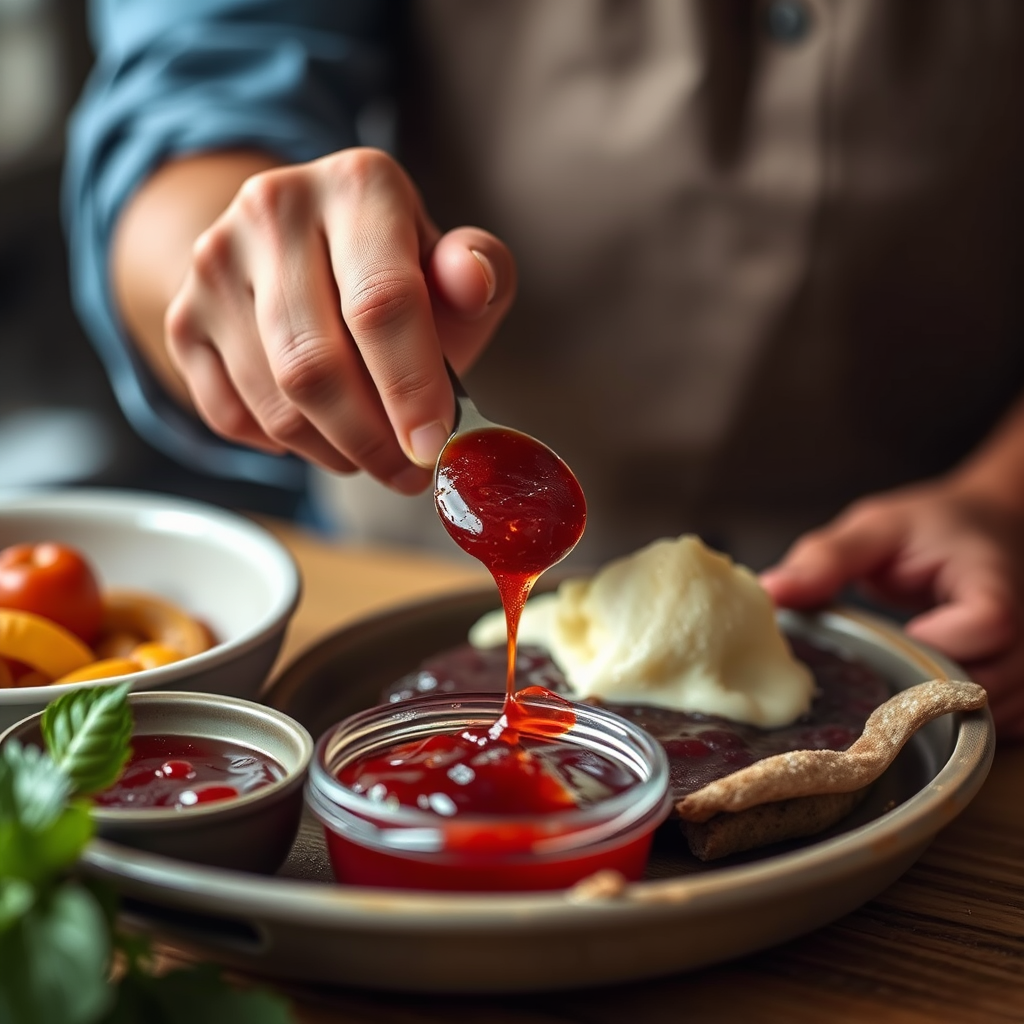
1. Choose Your Fruit: Select 2 cups of ripe fruit, such as strawberries, peaches, or raspberries. Ensure they are free from blemishes or mold.
2. Prep the Fruit: Wash the fruit thoroughly, remove any stems or pits, and chop into smaller pieces if necessary for even cooking.
3. Combine Ingredients: In a medium saucepan, combine the prepared fruit, 1 cup of granulated sugar, and 1 tablespoon of lemon juice. Stir well to coat the fruit.
4. Cook the Mixture: Heat the saucepan over medium heat, stirring occasionally until the mixture comes to a simmer. Allow it to cook for about 10 to 15 minutes until thickened, checking for a gel-like consistency.
5. Test for Doneness: Use a spoon to drop a small amount on a cold plate; if it holds its shape after cooling for a minute, your jam is ready. If not, continue cooking for an additional 2 to 3 minutes.
6. Cool and Store: Remove from heat, let the jam cool to room temperature, then transfer to a sterilized jar. Store in the refrigerator for up to 2 weeks.
Top 7 Fruits for Quick Jam Making
| # | Fruit | Sugar Content (per cup) | Acidity Level (pH) | Best For |
|---|---|---|---|---|
| 1 | Strawberries | 7.5g | 3.5 | Spreads and Toppings |
| 2 | Raspberries | 5.4g | 3.2 | Desserts and Sauces |
| 3 | Peaches | 8.3g | 3.6 | Breakfast Spreads |
| 4 | Blackberries | 6.2g | 3.4 | Pastries and Tarts |
| 5 | Figs | 9.5g | 4.1 | Gourmet Spreads |
| 6 | Cherries | 8.0g | 3.3 | Desserts and Cocktails |
| 7 | Plums | 7.0g | 3.5 | Savory Dishes |
Warning Signs: When Not to Follow This
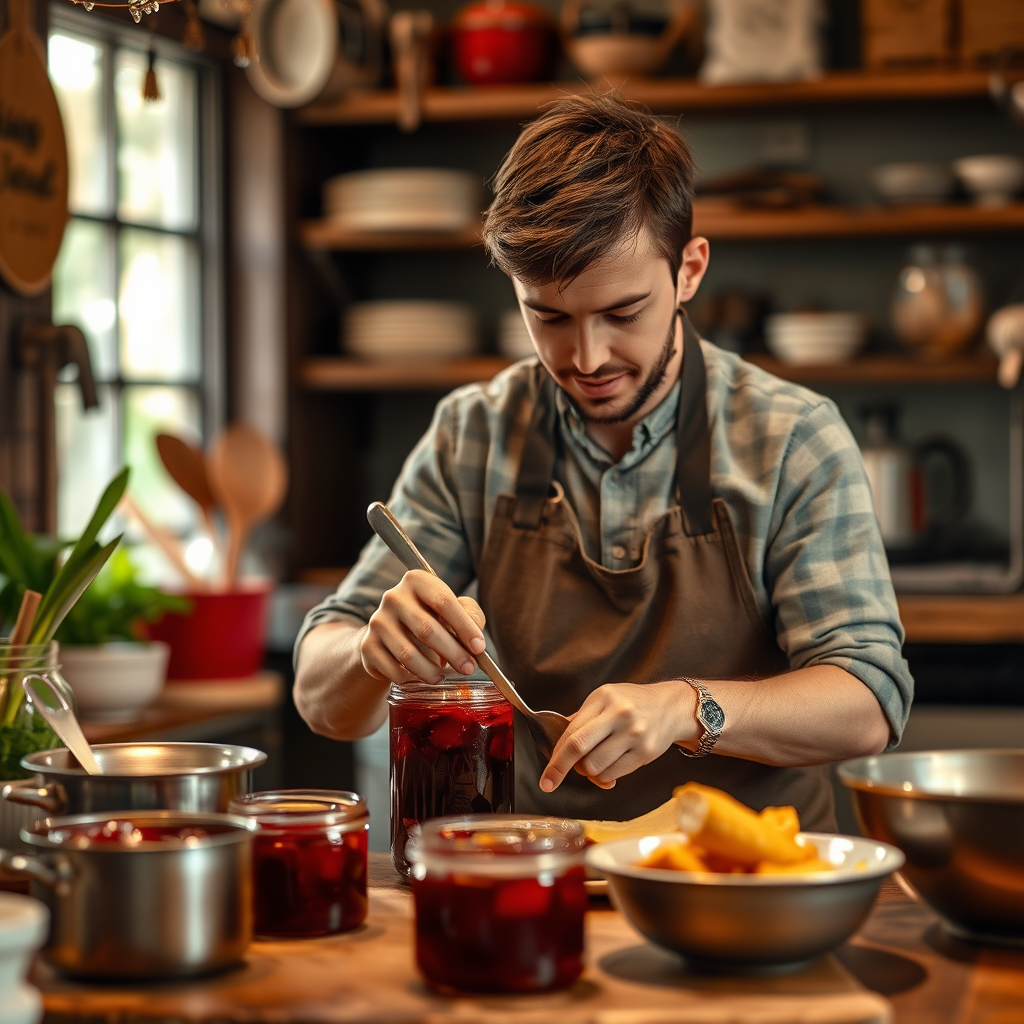
Certain precautions are essential when making quick jam. Avoid using overripe or fermented fruit, as this can lead to spoilage and unsafe consumption. If you have known allergies to any of the ingredients listed, including fruit or common preservatives, it is best to refrain from making jam. Additionally, maintaining proper hygiene practices during preparation—such as using clean utensils and containers—is crucial; if you cannot do this, it’s wise to hold off on the jam-making process to prevent contamination.
The Most Common Mistakes (And Their Consequences)
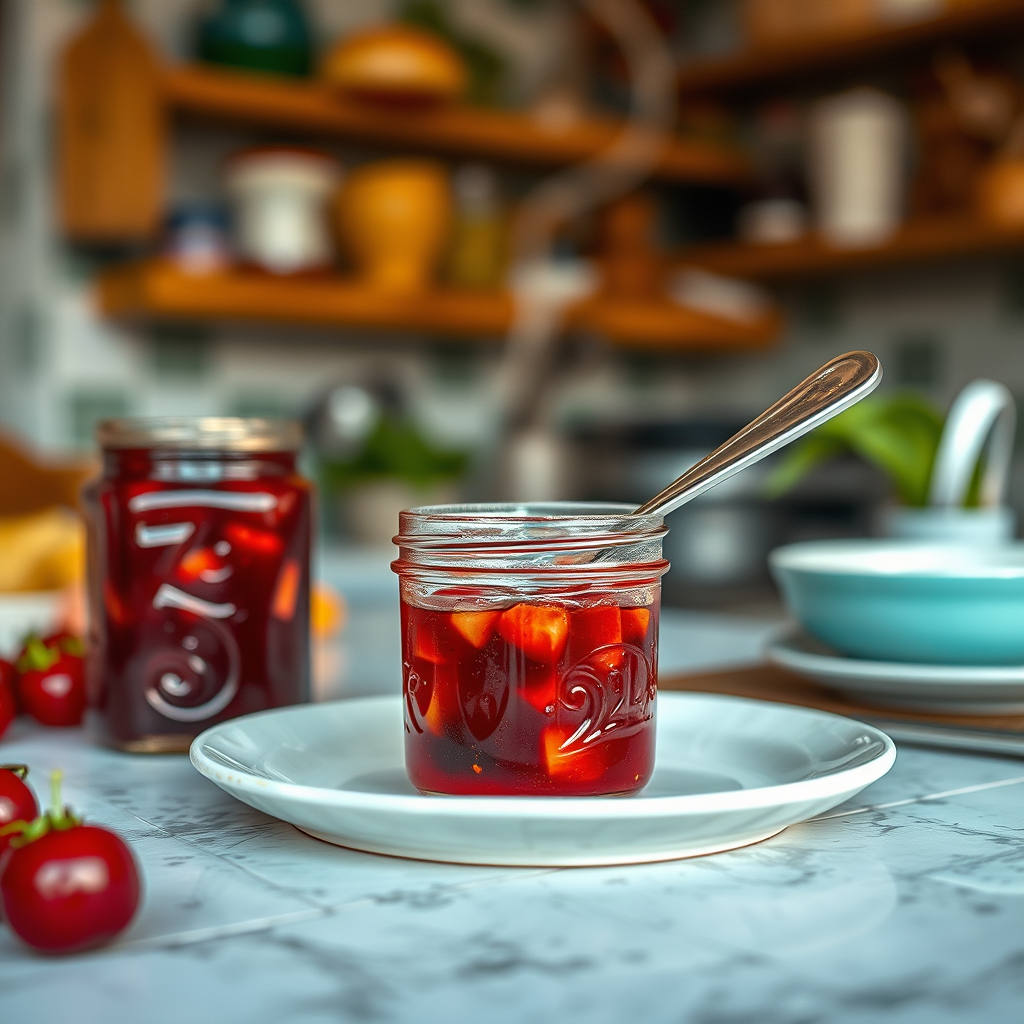
One of the most frequent errors is inaccurately measuring the sugar. Using too little can result in runny jam, while too much can create an overly sweet product that masks the fruit flavors. Skipping the lemon juice is another mistake; it can lead to insufficient acidity, crucial for flavor balance and preservation, resulting in a flat-tasting jam. Finally, neglecting the cooling test may produce a jam that is either too runny or excessively gelatinous, ultimately affecting its texture and usability.
Special Cases That Need a Different Approach
If you’re interested in low-sugar options, consider using pectin specifically designed for such recipes and adjust the cooking time accordingly to achieve the desired thickness. For particularly fibrous fruits like figs or blackberries, you may need to blend them before cooking to ensure a smoother consistency in the final product. When using frozen fruit, allow it to thaw and drain excess liquid before combining it with sugar, as overly watery fruit can lead to a diluted jam consistency.
When You Need a Professional
If you’re uncertain about the safety of your ingredients or notice any signs of spoilage, such as unusual odors or discoloration, consult a food safety expert before proceeding. It’s also wise to seek guidance from a nutritionist or allergist if you have severe allergies or dietary restrictions, particularly regarding potential cross-contamination with allergens. Lastly, if you plan to scale up your quick jam production for commercial purposes, consulting with a food safety professional or local health department is essential to ensure compliance with food safety regulations.
Sources and Further Reading
– USDA Complete Guide to Home Canning, which provides authoritative guidelines on food preservation and safety practices.
– “The Joy of Cooking,” a classic reference that includes various fruit preservation techniques and recipes, including quick jams.
– National Center for Home Food Preservation website, offering tips and research-based methods for safe food preservation, including quick jam recipes and troubleshooting advice.
Frequently Asked Questions
What are the ingredients needed for a quick jam recipe?
A basic quick jam recipe typically requires fresh or frozen fruit, sugar, and lemon juice. Depending on the fruit, you may also need pectin to help the jam set. Using ripe fruit ensures the best flavor and sweetness in your quick jam.
How do you make a quick jam without pectin?
To make quick jam without pectin, simply mash your chosen fruit and cook it with sugar and a bit of lemon juice over medium heat. Stir the mixture until it thickens, which usually takes about 10-15 minutes. The natural pectin in the fruit will help the jam set as it cools.
Why is my quick jam not setting properly?
If your quick jam isn’t setting properly, it may be due to insufficient cooking time or not enough sugar. Ensure you’re using the right ratio of fruit to sugar and allow the mixture to boil for long enough to reach the desired thickness. Additionally, using overly ripe or low-pectin fruits can affect the setting process.
What is the best fruit for making quick jam?
The best fruits for making quick jam include strawberries, raspberries, blueberries, and peaches due to their natural sweetness and pectin content. These fruits not only provide excellent flavor but also create a beautifully vibrant color in your quick jam. Experimenting with combinations can yield delightful results.
Which kitchen tools do I need for making quick jam?
To make quick jam, you’ll need a large pot for cooking, a wooden spoon for stirring, and a potato masher or food processor for mashing the fruit. Additionally, having jars ready for storage is essential; make sure they are clean and sterilized to preserve your quick jam effectively.
References
- Fruit preserves
https://en.wikipedia.org/wiki/Jam - https://www.verywellfit.com/how-to-make-jam-5190722
https://www.verywellfit.com/how-to-make-jam-5190722 - https://www.fda.gov/food/food-labeling-nutrition/food-safety-education
https://www.fda.gov/food/food-labeling-nutrition/food-safety-education - https://www.ncbi.nlm.nih.gov/pmc/articles/PMC5002270/
https://www.ncbi.nlm.nih.gov/pmc/articles/PMC5002270/ - https://pubmed.ncbi.nlm.nih.gov/19920462/
https://pubmed.ncbi.nlm.nih.gov/19920462/ - Google Scholar Google Scholar
https://scholar.google.com/scholar?q=quick+jam+recipe - Google Scholar Google Scholar
https://scholar.google.com/scholar?q=jams+preservation+techniques - https://www.nature.com/articles/s41598-018-21338-1
https://www.nature.com/articles/s41598-018-21338-1 - https://www.sciencedirect.com/science/article/abs/pii/S2212670817300067
https://www.sciencedirect.com/science/article/abs/pii/S2212670817300067 - quick jam recipe – Search results
https://en.wikipedia.org/wiki/Special:Search?search=quick+jam+recipe