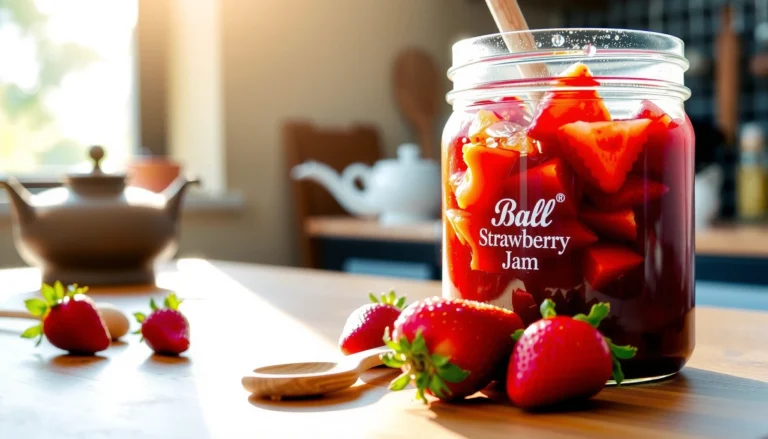
Master the art of making classic strawberry jam with this expert guide, designed for both novice and seasoned preservers. This comprehensive resource details essential techniques, precise measurements, and safety protocols to ensure your jam is not only delicious but also safely preserved. Following the right procedures matters greatly to avoid spoilage and ensure a flavorful result that captures the essence of fresh strawberries. Get ready to transform your kitchen into a jam-making haven.
What This Guide Covers (And What It Doesn’t)
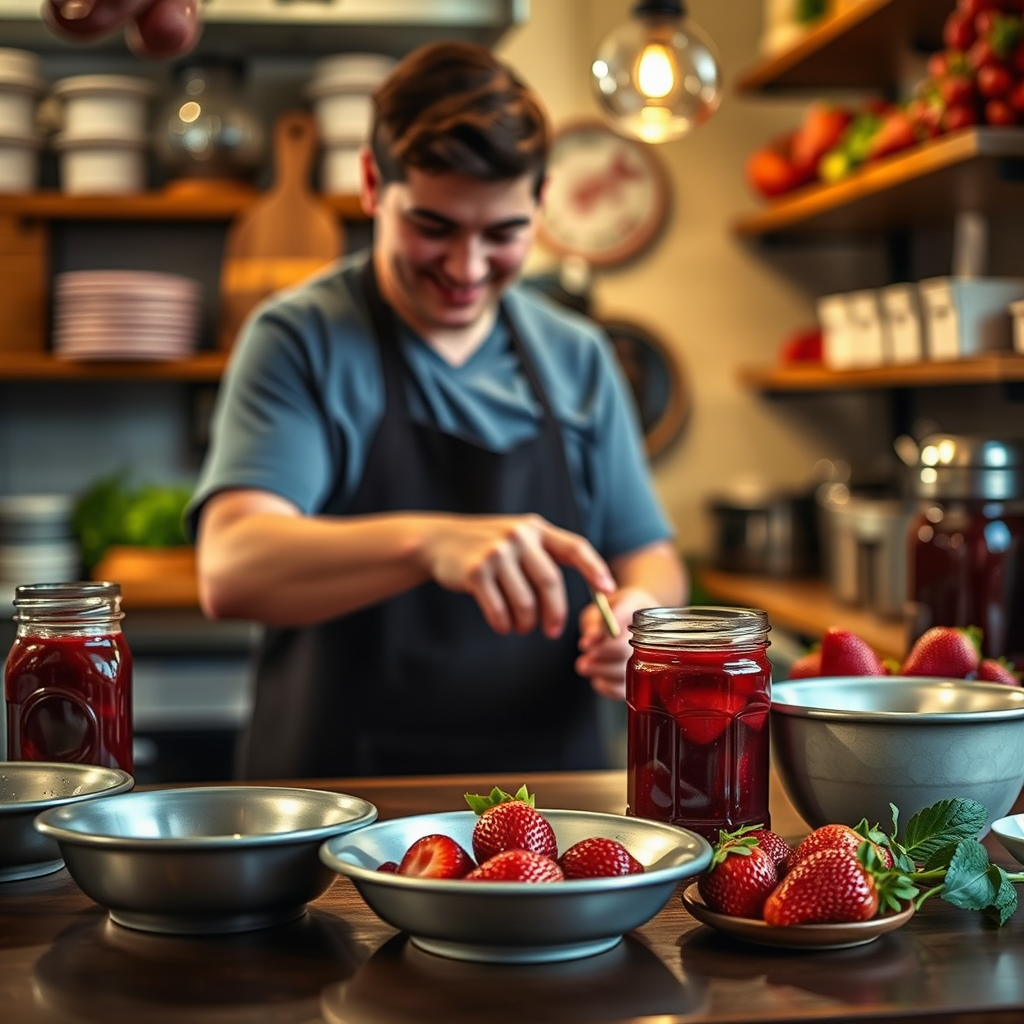
This guide offers a comprehensive, step-by-step approach to safely making classic strawberry jam. It emphasizes the essential ingredients, tools, and techniques necessary for successful preservation. You’ll find traditional methods that highlight the right pectin and sugar ratios, along with tips for achieving the perfect texture and flavor balance in your jam. However, this guide does not include recipes for other fruit jams or jellies, nor does it explore non-traditional or experimental jam-making methods that lack established safety protocols.
Who Should Read This
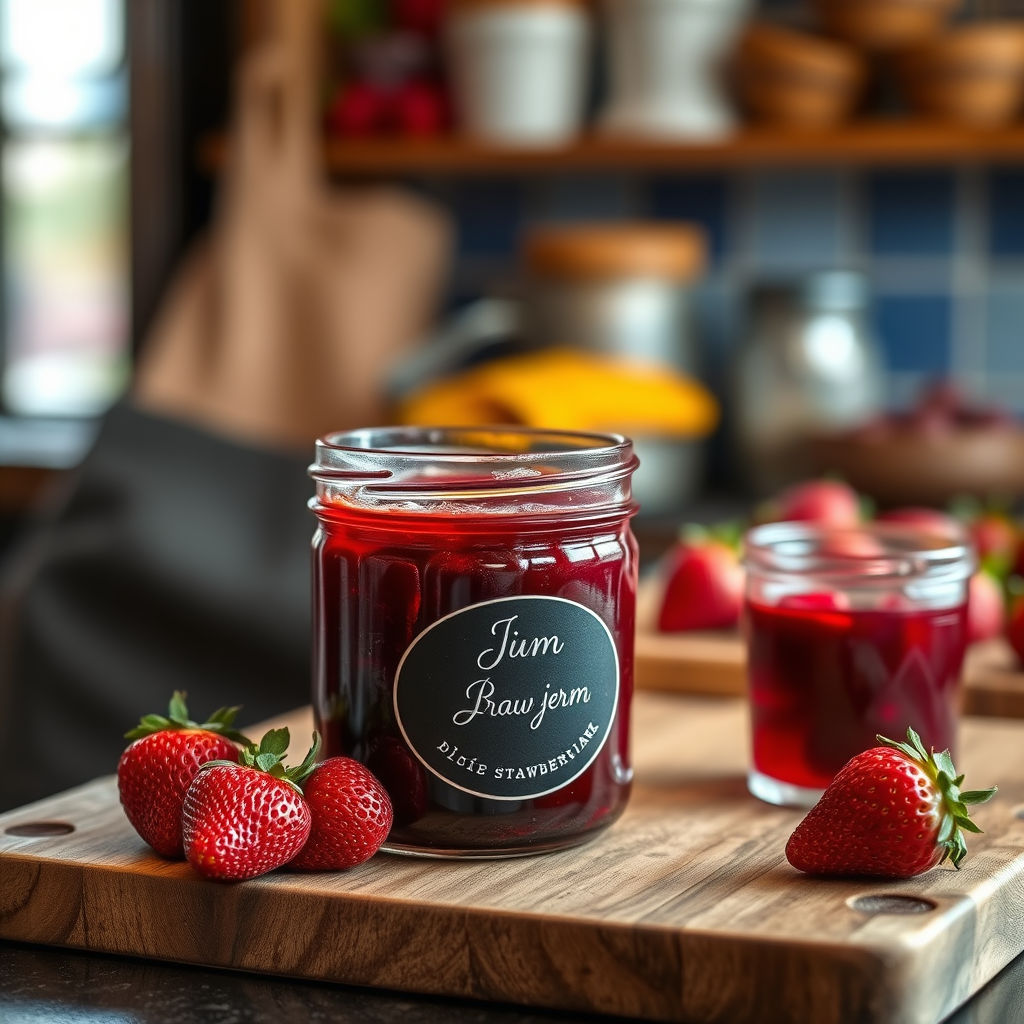
This guide is tailored for home canners and food preservation enthusiasts with basic kitchen skills who want to enhance their knowledge of making classic strawberry jam using traditional techniques. It is particularly useful for those familiar with the preservation process—like boiling water canning—but who require more specific instructions on strawberry jam preparation. If you lack prior experience in canning or are unfamiliar with food safety guidelines, it’s advisable to consult introductory resources before diving into making strawberry jam.
The Step-by-Step Protocol
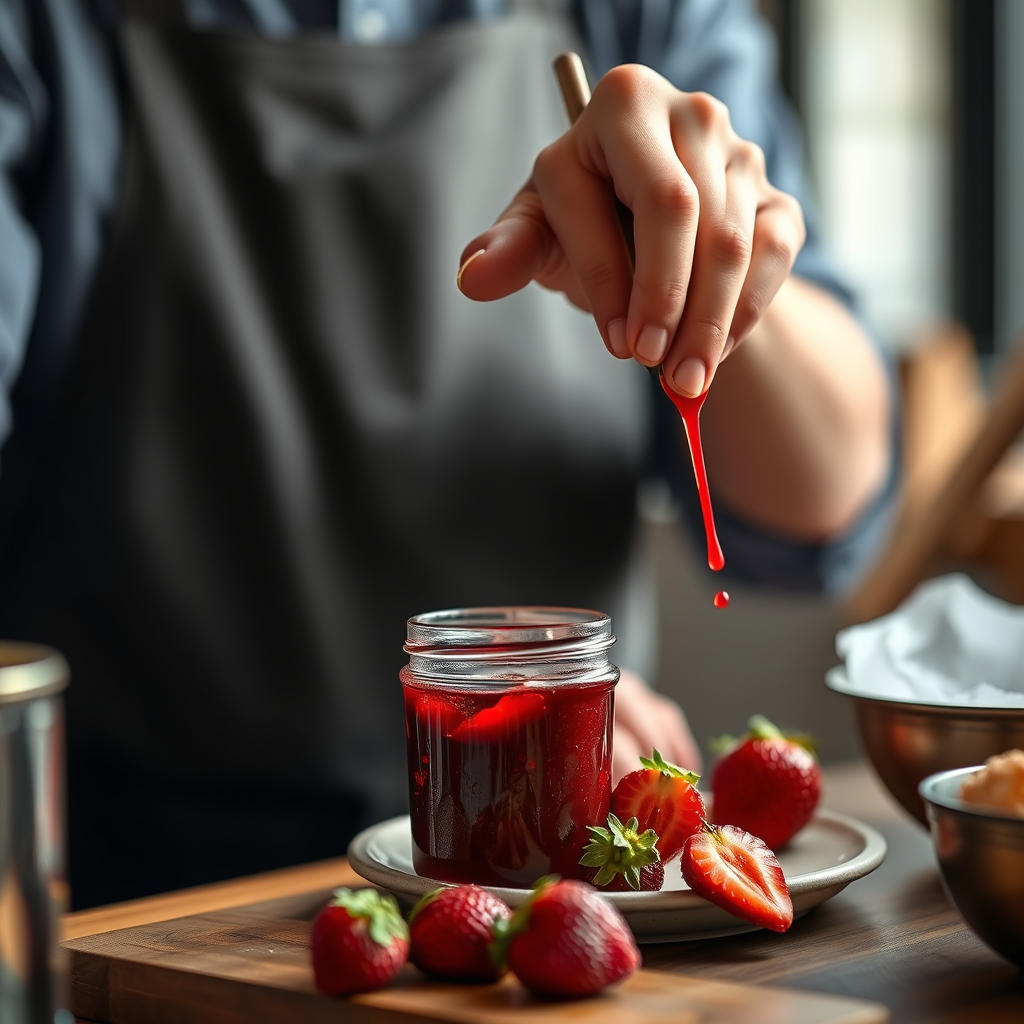
1. Gather Ingredients: Use 2 pounds of ripe strawberries, 1.5 cups of granulated sugar, and 1/4 cup of lemon juice. Ensure all ingredients are fresh and of high quality.
2. Prepare the Strawberries: Wash and hull the strawberries thoroughly. Mash them in a bowl until you have approximately 4 cups of crushed fruit, ensuring no large pieces remain.
3. Combine and Cook: In a large saucepan, combine the mashed strawberries, sugar, and lemon juice. Stir over medium heat until the sugar completely dissolves, then bring the mixture to a rolling boil.
4. Check for Consistency: Boil the jam for 10-15 minutes while stirring frequently. Use a candy thermometer to ensure the mixture reaches 220°F (104°C) for proper gelling.
5. Jar and Process: Sterilize pint-sized glass jars and lids. Pour the hot jam into the jars, leaving 1/4 inch of headspace. Seal with lids and process in a boiling water bath for 10 minutes.
Classic Strawberry Jam Ingredients Comparison
| # | Ingredient | Amount | Calories (per serving) | Sugar (g) |
|---|---|---|---|---|
| 1 | Strawberries | 2 lbs | 104 | 7.2 |
| 2 | Granulated Sugar | 1.5 cups | 774 | 192.5 |
| 3 | Lemon Juice | 1/4 cup | 15 | 1.1 |
| 4 | Total Jam | ~3 cups | 893 | 200.8 |
Warning Signs: When Not to Follow This
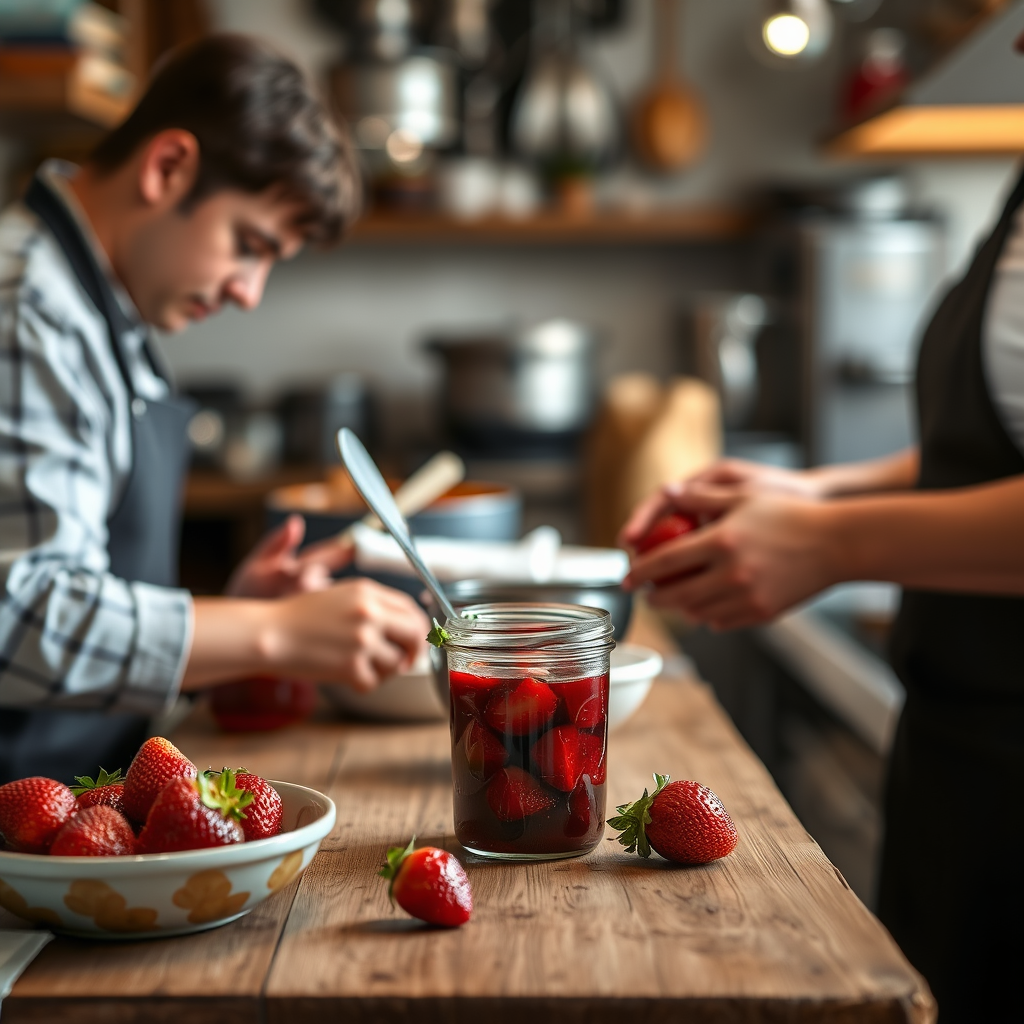
– Do not proceed if any of the strawberries show signs of mold or spoilage, as this can compromise the safety of the jam.
– If you lack the proper canning equipment, such as a boiling water canner and jar lifter, refrain from making the jam until you have obtained the necessary tools.
– Avoid making jam if you are uncertain about the ripeness of the strawberries, as under-ripe or overripe fruit can lead to poor texture and safety concerns.
The Most Common Mistakes (And Their Consequences)
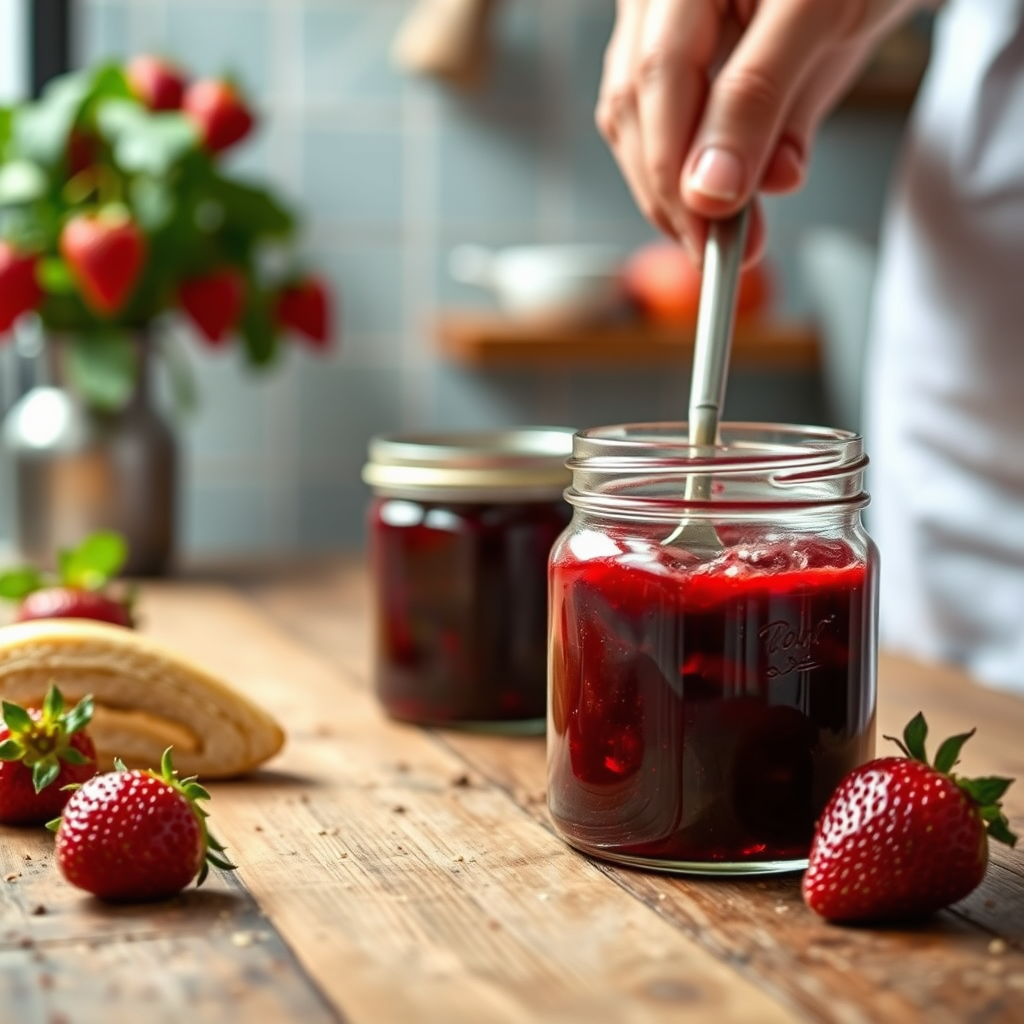
– Skipping the lemon juice is a common error; this crucial ingredient provides the acidity necessary for safe preservation. Without it, your jam may not be safe to consume, as acidity helps prevent the growth of harmful bacteria, including Clostridium botulinum.
– Inaccurate measurement of ingredients, particularly sugar, can lead to jam that either fails to set or is overly sweet. The sugar content plays a vital role in both flavor and preservation.
– Failing to process the jars for the recommended time can result in spoilage and bacterial growth, making the jam unsafe to eat. Adhering to the processing time is essential, as it ensures the contents reach the appropriate temperature to eliminate pathogens.
Special Cases That Need a Different Approach
– For those using frozen strawberries, it’s important to thaw them completely and drain any excess liquid before measuring. This adjustment is necessary to maintain the correct sugar-to-fruit ratio, and you may need to alter the cooking time as well.
– If you’re interested in low-sugar strawberry jam variations, be sure to use pectin designed specifically for low sugar, following the manufacturer’s guidelines for ingredient ratios and processing times to ensure proper gelling.
– For individuals with dietary restrictions, such as sugar-free requirements, consider specialized recipes that utilize alternative sweeteners. Keep in mind that these adjustments might necessitate changes in cooking times and techniques, as some sweeteners do not gel like sugar.
When You Need a Professional
– If you notice any signs of spoilage in your jars post-processing, such as bulging lids or unusual odors, discard the jam immediately and consult a food safety expert.
– When preparing large batches (over 12 pints), it may be prudent to consult a food preservation expert to ensure safe canning practices, as larger volumes can impact processing time and overall safety.
– If you have doubts about your canning methods or specific health concerns—such as allergies or risks of foodborne illness—seek guidance from a certified extension agent or food safety professional for tailored advice based on your situation.
Sources and Further Reading
– “The National Center for Home Food Preservation” provides extensive guidelines on safe canning practices and recipes for various types of fruit preserves.
– “Ball Complete Book of Home Preserving,” a trusted resource for home canning, offers specific instructions and troubleshooting tips for making classic strawberry jam.
– Local extension services often host workshops or provide resources for home canning, offering community support and expertise for beginners.
By following this guide and adhering closely to the outlined steps, you can create delicious, safe, and vibrant strawberry jam that captures the essence of summer. Enjoy the fruits of your labor and the satisfaction that comes with home preservation.
Frequently Asked Questions
What are the essential ingredients for a classic strawberry jam recipe?
A classic strawberry jam recipe typically requires fresh strawberries, granulated sugar, and lemon juice. The strawberries should be ripe and sweet to enhance the flavor, while the sugar helps with preservation and gives the jam its sweetness. Lemon juice not only adds a tart flavor but also helps to balance the sweetness and aids in the gelling process.
How do you make strawberry jam without pectin?
To make strawberry jam without pectin, start by crushing fresh strawberries in a pot, then mix in an equal weight of granulated sugar and add a splash of lemon juice. Cook the mixture over medium heat, stirring frequently until it reaches a rolling boil. Continue to simmer until it thickens to your desired consistency, usually around 20-30 minutes, then pour it into sterilized jars for storage.
Why is my strawberry jam not setting properly?
If your strawberry jam is not setting properly, it may be due to insufficient cooking time or not enough sugar. Ensure you cook the jam until it reaches the proper temperature (usually around 220°F or 104°C), and consider adding a bit more sugar or lemon juice to help with the gelling process. Also, using under-ripe strawberries can result in a runny jam, so make sure to select fully ripe fruit.
What is the best way to store homemade strawberry jam?
The best way to store homemade strawberry jam is to keep it in sterilized jars and seal them tightly. If properly sealed, you can store the jam in a cool, dark place for up to a year. Once opened, store the jam in the refrigerator where it can last for several weeks; always use a clean spoon to avoid contamination.
Which kitchen tools are necessary for making strawberry jam?
To make strawberry jam, you’ll need a large pot to cook the fruit, a potato masher or fork for crushing the strawberries, and a wooden spoon for stirring the mixture. Additionally, a candy thermometer is helpful for monitoring the temperature, and sterilized glass jars with lids are essential for storing the finished jam. Optional tools include a funnel for easier pouring and a ladle for transferring the jam into jars.
References
- Fruit preserves
https://en.wikipedia.org/wiki/Jam - https://www.ncbi.nlm.nih.gov/pmc/articles/PMC6267375/
https://www.ncbi.nlm.nih.gov/pmc/articles/PMC6267375/ - https://pubmed.ncbi.nlm.nih.gov/23392511/
https://pubmed.ncbi.nlm.nih.gov/23392511/ - https://www.sciencedirect.com/topics/food-science/jam
https://www.sciencedirect.com/topics/food-science/jam - https://www.britannica.com/topic/jam
https://www.britannica.com/topic/jam - https://www.nature.com/articles/s41598-019-49229-0
https://www.nature.com/articles/s41598-019-49229-0 - Google Scholar Google Scholar
https://scholar.google.com/scholar?q=classic+strawberry+jam+recipes - Google Scholar Google Scholar
https://scholar.google.com/scholar?q=strawberry+jam+preservation+methods - Google Scholar Google Scholar
https://scholar.google.com/scholar?q=fruit+preservation+techniques - https://www.healthline.com/nutrition/strawberry-jam-benefits
https://www.healthline.com/nutrition/strawberry-jam-benefits