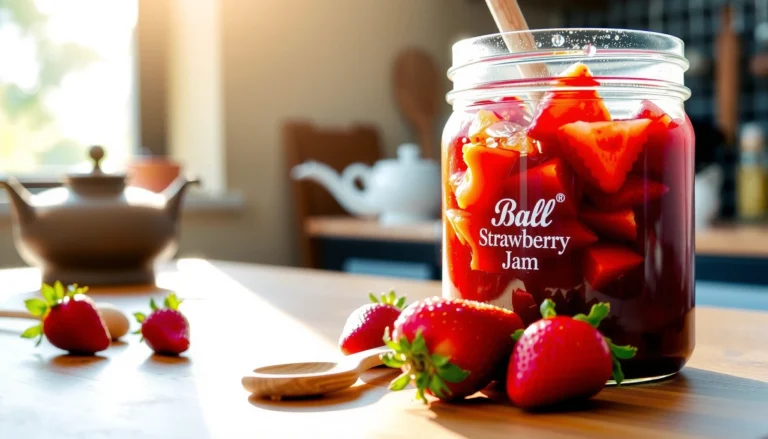
The complete step-by-step protocol for safely canning strawberry jam is essential for home preservation enthusiasts seeking to enjoy the fresh taste of summer all year round. This guide delivers expert techniques, precise measurements, and safety tips to ensure your jam is not only delicious but also shelf-stable. Adhering to proper canning methods is crucial for preventing spoilage and ensuring food safety, making this resource invaluable for both beginners and seasoned canners alike.
What This Guide Covers (And What It Doesn’t)
This guide presents a comprehensive method for canning strawberry jam that prioritizes safety and efficiency. It details the necessary quantities of ingredients, essential equipment, and a clear, step-by-step process. Key aspects include the importance of selecting fresh strawberries, choosing the right type of pectin, and employing proper sterilization techniques to guarantee food safety. However, this guide does not delve into alternative jam recipes, non-canning preservation methods, or advanced techniques such as low-sugar or specialty jams.
Who Should Read This
This guide is designed for home cooks eager to transform fresh strawberries into delicious jam. It caters particularly to those with a foundational understanding of food preservation. Ideal readers include individuals preparing strawberry jam for personal enjoyment, gifts, or stocking their pantries for later use. However, it may not be suitable for beginners who lack canning experience or those without access to the required equipment, as the process demands specific tools and knowledge about canning safety.
The Step-by-Step Protocol
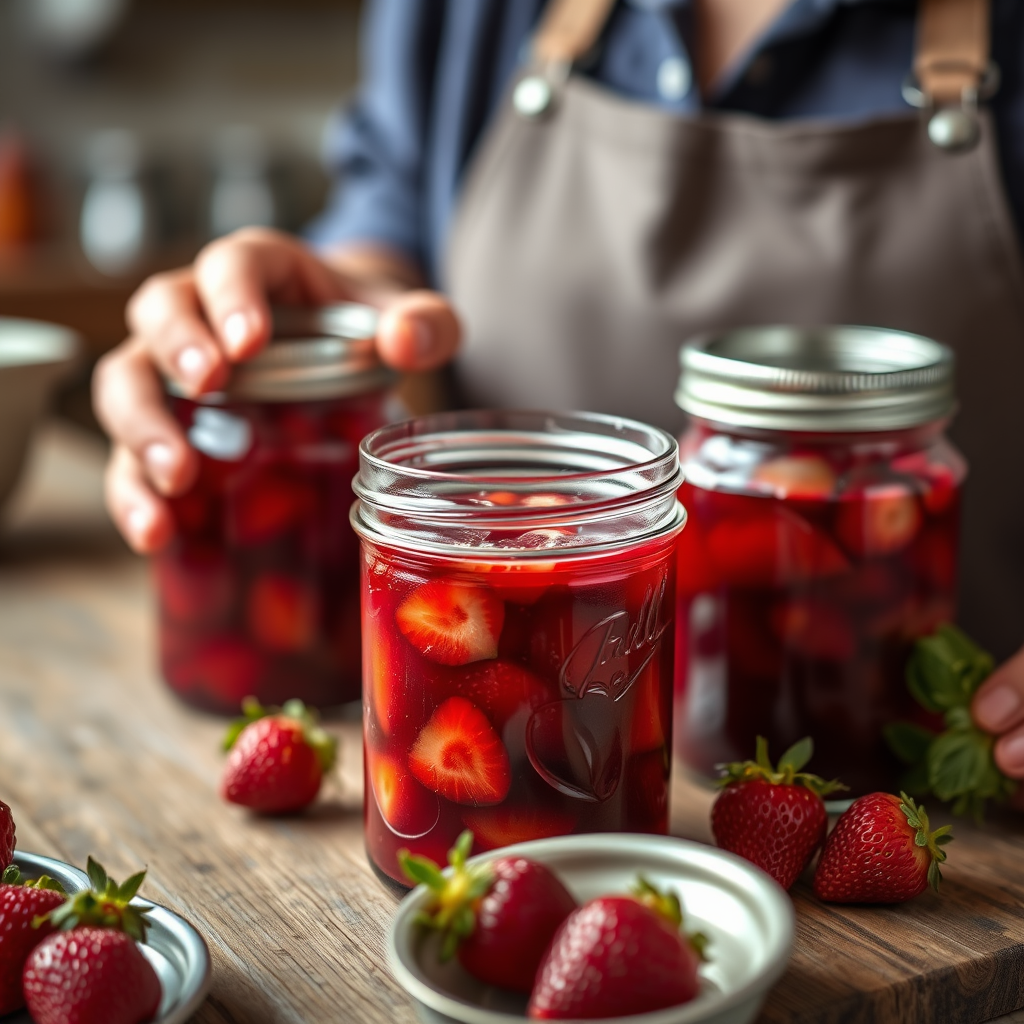
1. Gather ingredients: Use 2 pounds of fresh strawberries, 1.5 cups of granulated sugar, and 1 package (1.75 oz) of no-sugar-needed pectin.
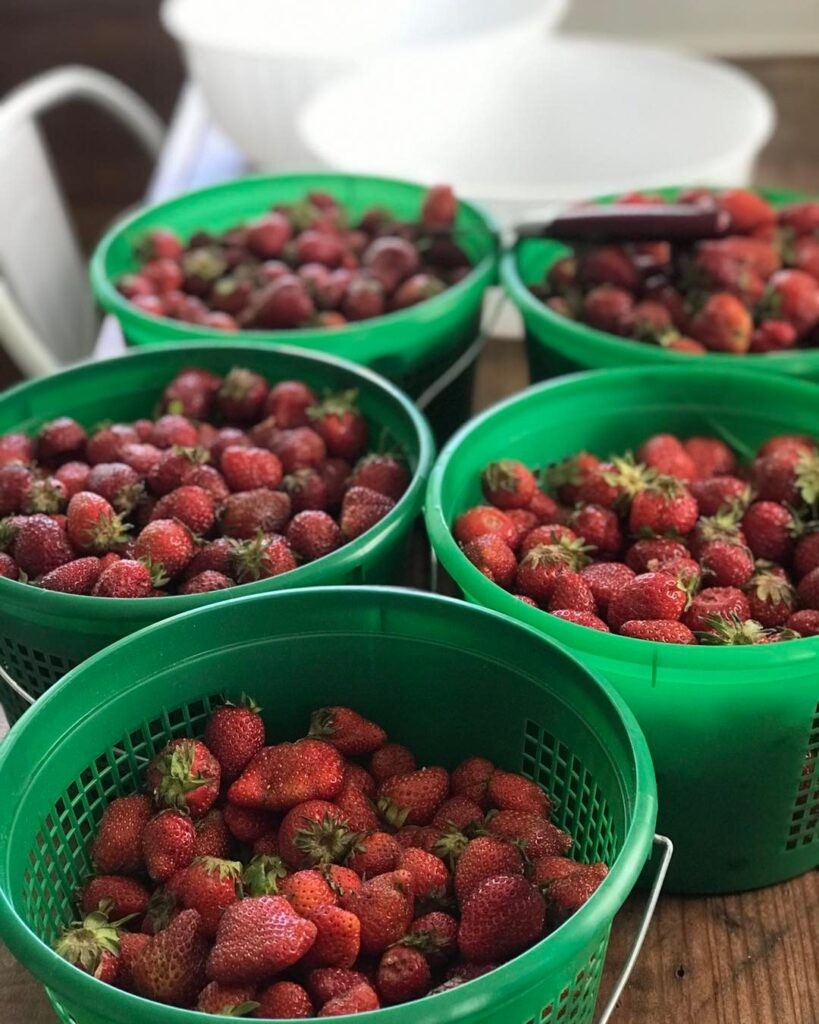
2. Prepare strawberries: Wash, hull, and mash the strawberries in a large bowl until you have approximately 4 cups of mashed fruit.
3. Mix ingredients: In a large pot, combine the mashed strawberries, sugar, and pectin, stirring thoroughly to dissolve the pectin and sugar.
4. Cook the mixture: Bring the mixture to a rolling boil over medium-high heat, stirring constantly for about 1-2 minutes until the mixture thickens.
5. Sterilize jars: While the jam cooks, prepare canning jars by washing them in hot, soapy water, rinsing well, and placing them in a boiling water bath for 10 minutes to sterilize.
6. Fill jars: Pour the hot jam into the prepared jars, leaving 1/4 inch headspace, and wipe the rims with a clean cloth to ensure a proper seal.
7. Seal and process: Place the lids on the jars and screw on the metal bands until fingertip-tight; process in a boiling water bath for 10 minutes.
8. Cool and store: Remove jars from the water bath, let them cool completely on a clean towel, and check seals after 12-24 hours. Store sealed jars in a cool, dark place.
Nutritional Composition of Strawberry Jam (per 1 tablespoon)
| # | Nutrient | Amount | % Daily Value |
|---|---|---|---|
| 1 | Calories | 50 | 2% |
| 2 | Total Fat | 0g | 0% |
| 3 | Sodium | 0mg | 0% |
| 4 | Total Carbohydrates | 13g | 4% |
| 5 | Sugars | 12g | N/A |
| 6 | Protein | 0g | 0% |
| 7 | Vitamin C | 0% | 0% |
Warning Signs: When Not to Follow This
Do not use strawberries that exhibit signs of mold, spoilage, or an off odor, as they can compromise the safety of your jam. Likewise, avoid old or expired pectin, which may result in improper gelling and spoilage. If you lack the appropriate canning equipment, such as a water bath canner or jar lifter, it is best to refrain from attempting this method, as it heightens the risk of contamination.
The Most Common Mistakes (And Their Consequences)
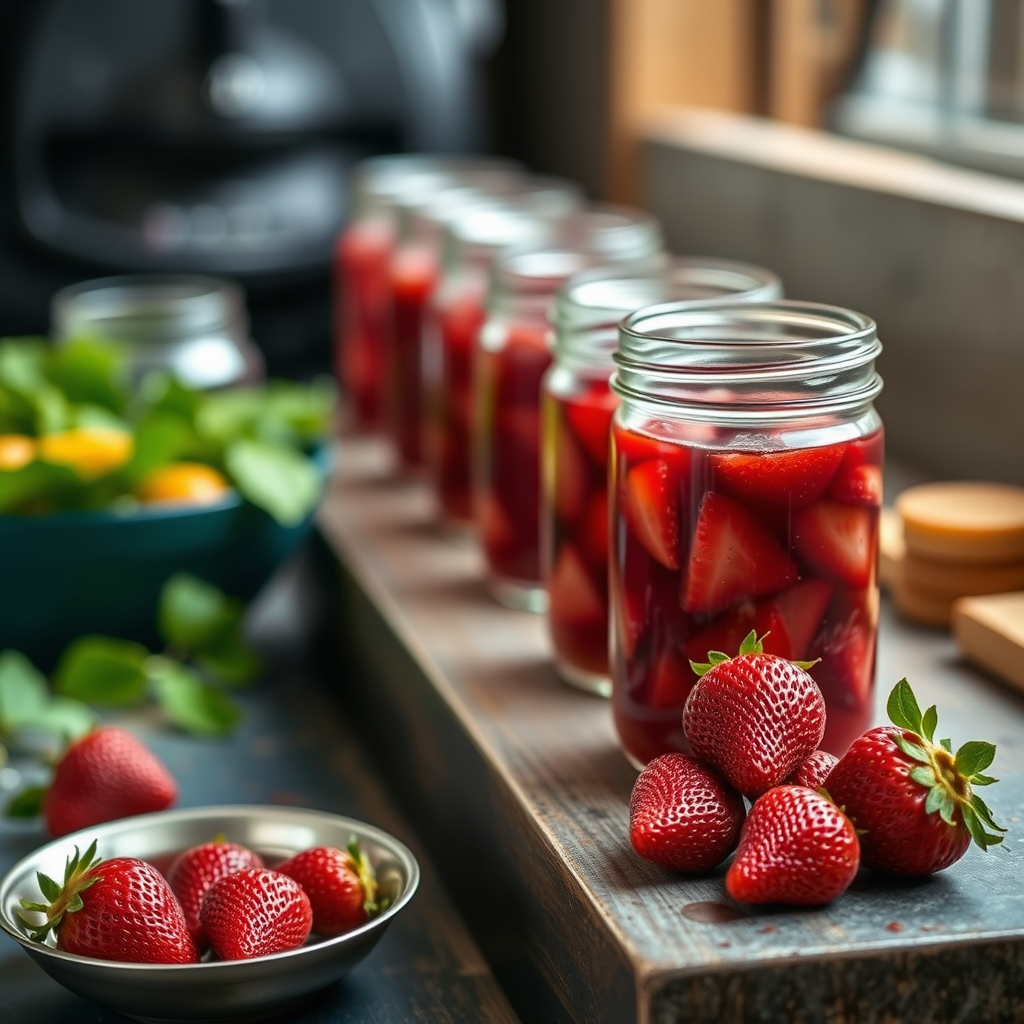
Accurate measurement of ingredients is crucial; failure to do so can yield jam that is either too runny or excessively sweet, negatively impacting texture and flavor. Skipping the sterilization process for jars can introduce bacteria, leading to spoilage or foodborne illnesses. Additionally, not processing jars for the full recommended time in the boiling water bath risks improper sealing, increasing the likelihood of spoilage and safety issues.
Special Cases That Need a Different Approach
For those using organic strawberries, thorough washing is essential to remove pesticides and contaminants, often requiring extra rinsing compared to conventional strawberries. If you reside at high altitudes, remember to adjust processing times according to altitude guidelines to ensure proper sealing and safety of the jam. When substituting ingredients, such as using a different type of sweetener, be mindful that this may alter the texture and preservation ability of the jam, necessitating modified instructions.
When You Need a Professional
If you notice any signs of spoilage in your canned jam—such as bubbling, off smells, or discoloration—discard the product immediately and consult a food safety expert. If you’re uncertain about the safety of your canning methods or are new to canning, seeking guidance from a food preservation professional or local extension office is recommended. Additionally, in cases of severe allergies or dietary restrictions, consulting a nutritionist or dietitian is advisable to ensure the recipe meets your specific needs.
Sources and Further Reading
– USDA Complete Guide to Home Canning: [USDA.gov](https://nchfp.uga.edu/publications/publications_usda.html) – Comprehensive resource for safe canning practices.
– National Center for Home Food Preservation: [NCHFP.uga.edu](https://nchfp.uga.edu/) – Offers research-based information on preserving foods safely.
– “Ball Complete Book of Home Preserving” – A definitive guide filled with recipes and techniques for safe canning.
Frequently Asked Questions
What ingredients do I need for a canning strawberry jam recipe?
To make a classic canning strawberry jam, you’ll need fresh strawberries, granulated sugar, and pectin. The typical ratio is about 4 cups of mashed strawberries to 5-6 cups of sugar and 1 package of pectin, which helps the jam achieve the right consistency and preserves its flavor.
How do I properly prepare strawberries for canning jam?
Start by washing the strawberries thoroughly to remove any dirt or pesticides. Next, remove the stems and hulls, then crush the berries using a potato masher or food processor to achieve your desired texture. It’s important to measure the crushed strawberries accurately for the best jam consistency.
Why is it important to use pectin in strawberry jam canning?
Pectin is essential in strawberry jam canning as it helps the jam set and achieve the right thickness. Without pectin, your jam may turn out runny, as strawberries have a low natural pectin content. Using the right type of pectin, whether powdered or liquid, can also affect the flavor and shelf life of your jam.
What is the best method for canning strawberry jam safely?
The best method for safely canning strawberry jam is to use the water bath canning technique. Fill sterilized jars with hot jam, leaving appropriate headspace, then submerge them in a boiling water bath for about 10-15 minutes. This process kills bacteria and seals the jars, ensuring your strawberry jam stays fresh for months.
Which equipment do I need for canning strawberry jam?
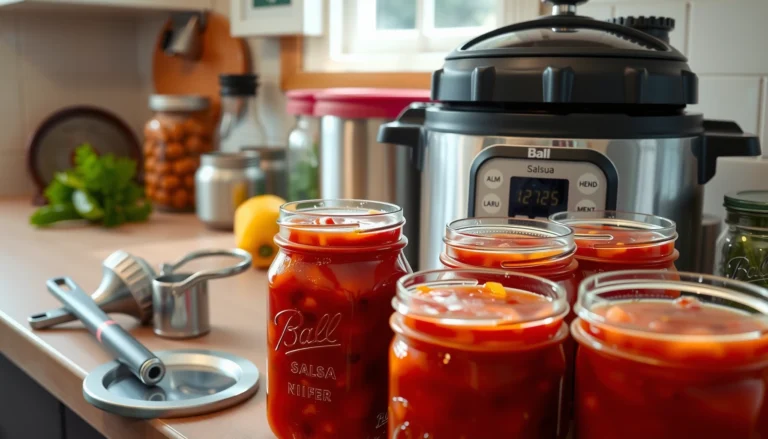
For canning strawberry jam, you’ll need basic equipment including canning jars with lids, a large pot for boiling water, a jar lifter, and a funnel for easy filling. Additionally, a food thermometer can help monitor temperatures, and a ladle will make pouring the jam into jars manageable and mess-free.
References
- Fruit preserves
https://en.wikipedia.org/wiki/Jam - https://extension.psu.edu/strawberry-jam-recipe
https://extension.psu.edu/strawberry-jam-recipe - | National Center for Home Food Preservation
https://nchfp.uga.edu/how/can_05/jam_strawberry.html - https://www.foodsafety.gov/keep/charts/jam.html
https://www.foodsafety.gov/keep/charts/jam.html - https://www.cdc.gov/foodsafety/keep-food-safe.html
https://www.cdc.gov/foodsafety/keep-food-safe.html - https://www.fda.gov/food/food-safety-modernization-act-fsma
https://www.fda.gov/food/food-safety-modernization-act-fsma - Google Scholar Google Scholar
https://scholar.google.com/scholar?q=canning+strawberry+jam+recipe - Google Scholar Google Scholar
https://scholar.google.com/scholar?q=strawberry+jam+preservation - https://pubmed.ncbi.nlm.nih.gov/?term=strawberry+jam+canning
https://pubmed.ncbi.nlm.nih.gov/?term=strawberry+jam+canning - https://www.oregon.gov/odf/Documents/ForestBenefits/CanningStrawberryJam.pdf
https://www.oregon.gov/odf/Documents/ForestBenefits/CanningStrawberryJam.pdf