Canning blueberry jam requires precise techniques to ensure safety and flavor, making this expert guide essential for both novice and experienced preservers. This complete protocol covers everything from selecting the best berries to the step-by-step canning process, ensuring your jam is not only delicious but also safe for storage. Following the right methods is crucial to prevent spoilage and achieve a perfect consistency, allowing you to enjoy homemade blueberry jam year-round.
What This Guide Covers (And What It Doesn’t)
This comprehensive guide delves into the art of canning blueberry jam, detailing the essential ingredients, equipment, and safety protocols necessary for a successful batch. It provides a meticulous, step-by-step protocol to create blueberry jam that is safe for long-term storage. While the focus remains strictly on blueberry jam, the information is grounded in the latest food preservation standards, emphasizing both safety and quality. This guide is tailored for home canners eager to master this specific recipe.
Who Should Read This
Targeted at home canners with a basic grasp of food preservation techniques, this guide aims to refine your skills in making blueberry jam. It’s particularly suited for hobbyists and small-scale food producers passionate about fruit preservation, ensuring their methods are not just effective but safe. However, if you are entirely new to canning or lack experience with the boiling water bath method, this guide may not cover the foundational information you require.
The Step-by-Step Protocol
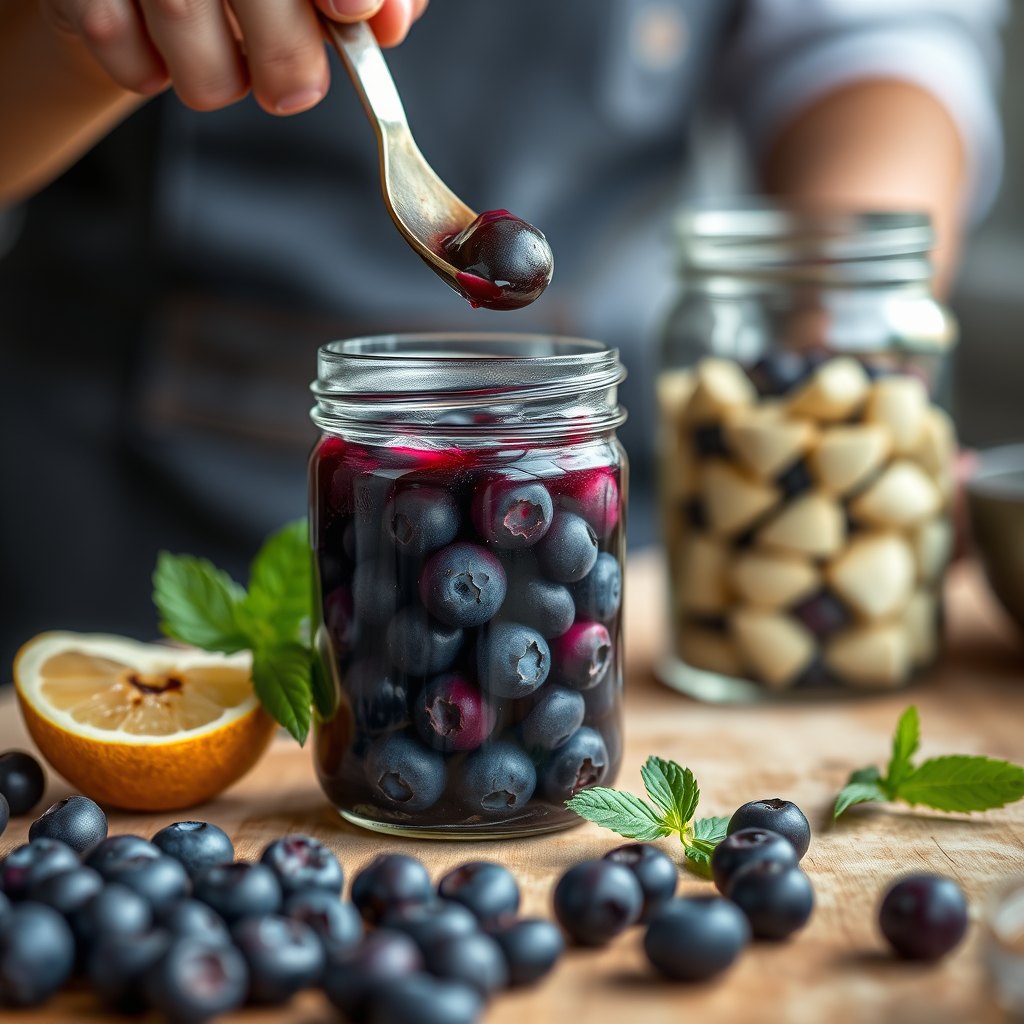
1. Gather Ingredients: You will need 2 cups of fresh blueberries, 1 cup of granulated sugar, and 1 tablespoon of lemon juice. Ensure the blueberries are ripe and free from blemishes.
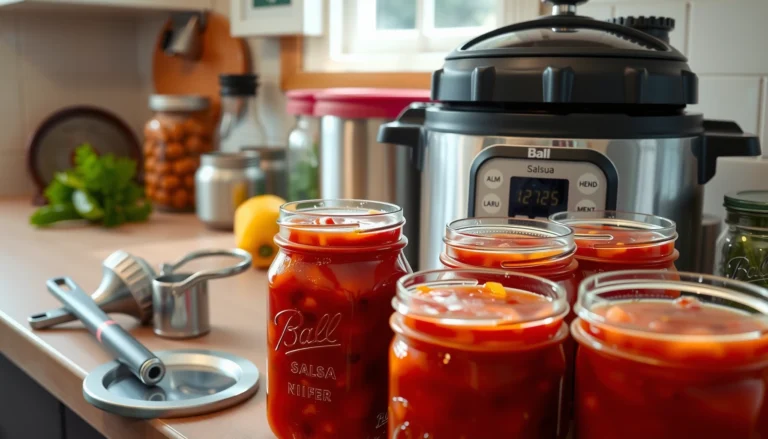
2. Prepare Equipment: Sterilize 4 half-pint canning jars and lids by boiling them for 10 minutes in water. Have your boiling water canner ready, along with a jar lifter, funnel, and ladle.
3. Cook the Jam: In a large pot, combine the blueberries, sugar, and lemon juice. Bring the mixture to a boil over medium heat, stirring constantly until the sugar dissolves. Once boiling, continue stirring and let the mixture cook for about 10-15 minutes until it thickens.
4. Test for Doneness: Use a thermometer to ensure the jam reaches 220°F (104°C) for the perfect gel consistency. Alternatively, use the spoon test: place a small amount of jam on a cold plate. After a minute, run your finger through it; if it holds its shape, it is ready.
5. Fill the Jars: Pour the hot jam into the sterilized jars, leaving a 1/4-inch headspace. Wipe the rims clean with a damp cloth before sealing with lids. This step ensures a proper seal and prevents spoilage.
6. Process the Jars: Place the jars in the boiling water canner, ensuring they are fully submerged. Process for 10 minutes at a rolling boil to eliminate bacteria and create a proper seal. If you are at an altitude above 1,000 feet, increase the processing time by 1 minute for every additional 1,000 feet.
7. Cool and Store: Remove the jars and let them cool for 12-24 hours on a clean towel. Check the seals by pressing the center of each lid; if it does not pop back, the jar is sealed. Store jars in a cool, dark place for up to one year.
Nutritional Information for Blueberry Jam (per tablespoon)
| # | Nutrient | Amount | % Daily Value |
|---|---|---|---|
| 1 | Calories | 50 | 2% |
| 2 | Total Fat | 0g | 0% |
| 3 | Sodium | 0mg | 0% |
| 4 | Total Carbohydrates | 13g | 4% |
| 5 | Sugars | 12g | 24% |
| 6 | Protein | 0g | 0% |
| 7 | Vitamin C | 2mg | 2% |
Warning Signs: When Not to Follow This
– If the blueberries show signs of mold or spoilage, do not attempt to can them; always use fresh, high-quality fruit. Spoiled fruit can introduce harmful bacteria and ruin the entire batch.
– Avoid canning if you are uncertain about your equipment’s cleanliness or if you notice any damage to your canning jars or lids. Contaminated or damaged containers can create unsafe conditions and lead to spoilage.
– Do not proceed with canning if you lack the necessary tools, such as a boiling water canner or jar lifter; these are crucial for ensuring safe processing. Without proper tools, you risk burns or injury during the canning process.
The Most Common Mistakes (And Their Consequences)
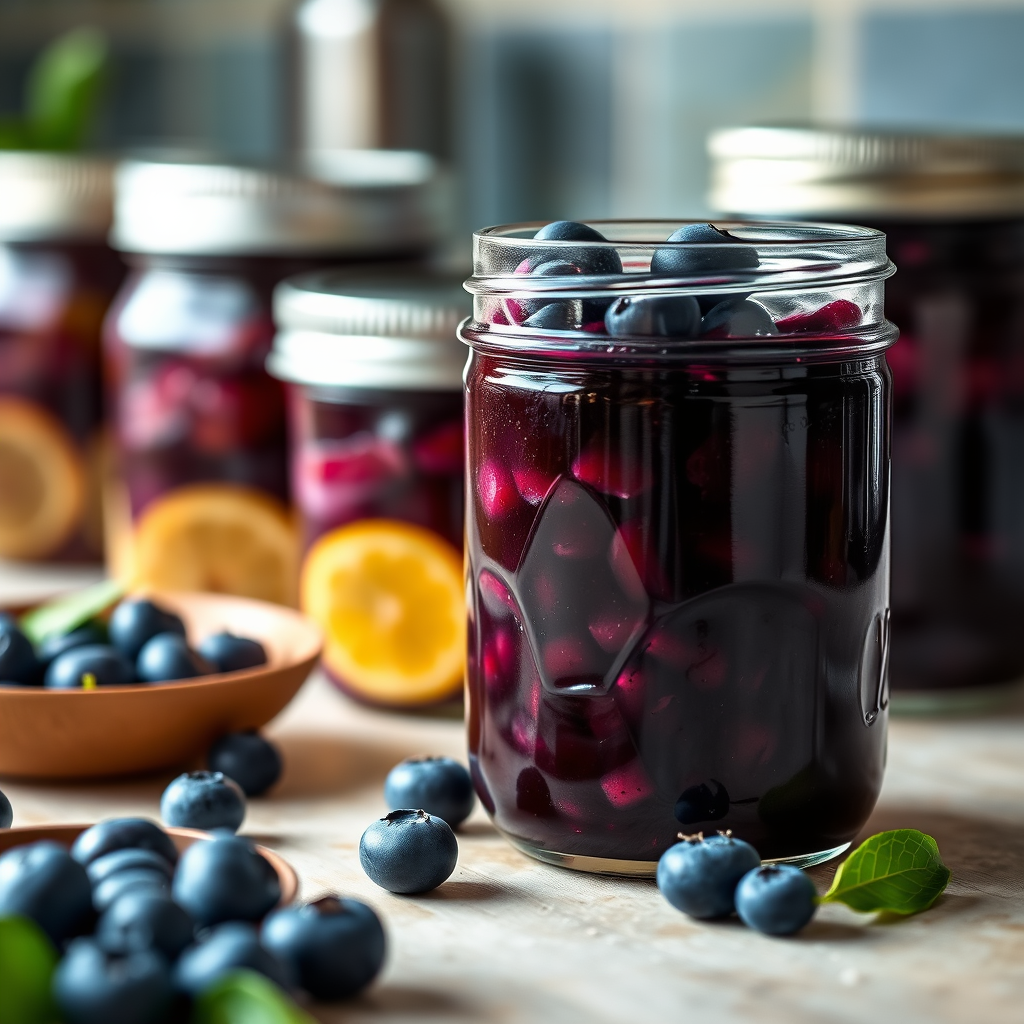
– One prevalent mistake is inaccurately measuring the sugar; using too little can result in jam that fails to gel properly and may spoil. Remember, sugar is not only a sweetener but also acts as a preservative.
– Failing to remove air bubbles by running a knife around the inside of the jar can lead to improper sealing and potential spoilage during storage. Air trapped inside can foster an environment for bacterial growth.
– Ignoring the headspace requirement can cause overflow during processing, compromising the seal and leading to unsafe conditions. Proper headspace is essential for ensuring a vacuum seal.
Special Cases That Need a Different Approach
– If you are using frozen blueberries, ensure they are fully thawed and drained before measuring, as excess moisture can alter the jam’s consistency, potentially making it too runny.
– For those with dietary restrictions, consider substituting sugar with low-sugar pectin or natural sweeteners. However, be aware that these alternatives may change the gelling properties. Always follow specific low-sugar recipes to ensure proper consistency and safety.
– If you plan to can larger batches (beyond 4 half-pints), adjust processing time according to guidelines for larger quantities to ensure even heat distribution. Always refer to updated resources from the USDA or the National Center for Home Food Preservation for precise adjustments.
When You Need a Professional
– In cases of uncertain food safety, such as if you suspect contamination from damaged fruit or improper canning techniques, consult a food preservation expert immediately. Contaminated food can pose serious health risks.
– If you face recurring issues with the sealing of your jars despite following the guidelines, it may be time to involve a professional to evaluate your methods. Consistent sealing failures could indicate a deeper issue that needs addressing.
– For specialized dietary needs, such as preserving for individuals with specific allergies, consult a registered dietitian or food safety expert to tailor your approach safely. This ensures that the preservation methods are appropriate and safe for all consumers.
Sources and Further Reading
– The USDA Complete Guide to Home Canning, which outlines safe canning practices and recipes, including fruit preserves.
– The Ball Blue Book of Preserving, a trusted resource with specific instructions for various fruits and canning methods.
– National Center for Home Food Preservation, offering research-based guidelines on safe food preservation, including blueberry jam recipes and techniques.
Frequently Asked Questions
What ingredients do I need for a basic canning blueberry jam recipe?
To make a basic canning blueberry jam, you will need fresh or frozen blueberries, granulated sugar, lemon juice, and pectin. The blueberries provide the main flavor, while sugar helps with preservation and sweetness, lemon juice adds acidity, and pectin is essential for achieving the right consistency.
How do I safely can blueberry jam at home?
To safely can blueberry jam at home, ensure you use sterilized jars and lids. First, prepare the jam according to your recipe, then fill the jars leaving a 1/4-inch headspace. Process the jars in a boiling water bath for the recommended time to ensure proper sealing and prevent spoilage.
Why is my blueberry jam not thickening, and how can I fix it?
If your blueberry jam is not thickening, it may be due to insufficient pectin or not cooking the mixture long enough. To fix this, you can add more pectin and reboil the jam, or allow it to cook longer while stirring frequently until it reaches the desired thickness.
What is the best method for storing homemade blueberry jam?
The best method for storing homemade blueberry jam is to keep it in a cool, dark place, such as a pantry or cupboard, after processing. Once opened, store the jam in the refrigerator to maintain freshness and flavor, and consume it within a few weeks for the best quality.
Which pectin is best for canning blueberry jam?
The best pectin for canning blueberry jam depends on your preference for texture and sweetness. Regular pectin, such as Sure-Jell, is ideal for traditional recipes, while low-sugar or no-sugar pectin options can be used for a healthier version. Always follow the instructions on the pectin package for the best results.
References
- Blueberry (disambiguation)
https://en.wikipedia.org/wiki/Blueberry_jam - https://www.extension.purdue.edu/extmedia/FNW/FNW-43-W.pdf
https://www.extension.purdue.edu/extmedia/FNW/FNW-43-W.pdf - https://www.foodsafety.gov/keep/charts/jam.html
https://www.foodsafety.gov/keep/charts/jam.html - https://www.nal.usda.gov/legacy/legacy/blueberry-jam-recipe
https://www.nal.usda.gov/legacy/legacy/blueberry-jam-recipe - https://pubmed.ncbi.nlm.nih.gov/29108618/
https://pubmed.ncbi.nlm.nih.gov/29108618/ - https://www.cdc.gov/foodsafety/communication/jam-jelly.html
https://www.cdc.gov/foodsafety/communication/jam-jelly.html - https://www.extension.umn.edu/food/food-safety/food-preservation/canning-jams-jellies/
https://www.extension.umn.edu/food/food-safety/food-preservation/canning-jams-jellies/ - Google Scholar Google Scholar
https://scholar.google.com/scholar?q=canning+blueberry+jam+recipe - Google Scholar Google Scholar
https://scholar.google.com/scholar?q=blueberry+preservation+methods - Google Scholar Google Scholar
https://scholar.google.com/scholar?q=homemade+jam+recipes+blueberry