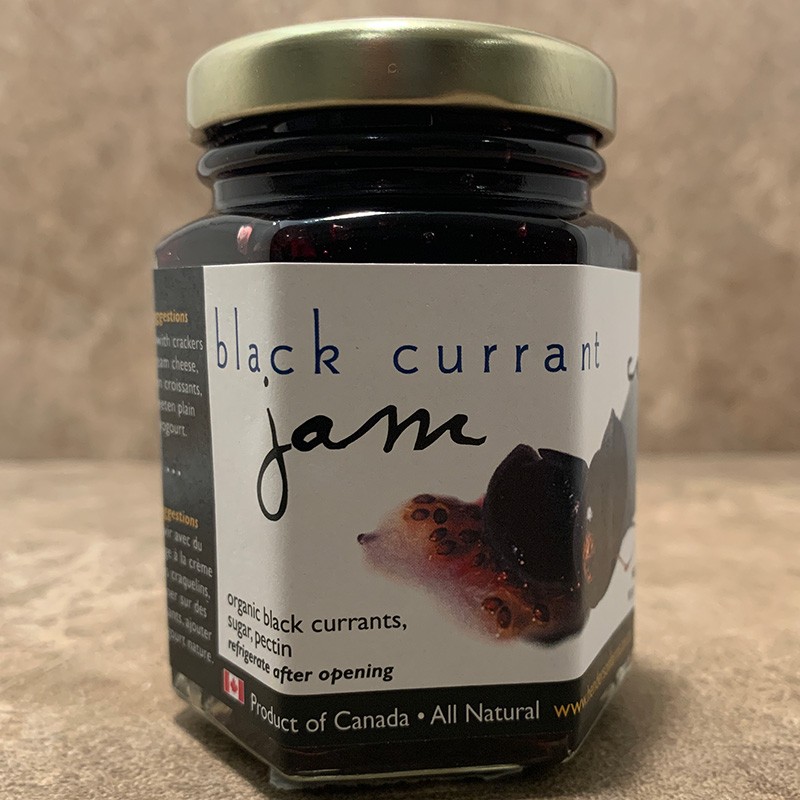
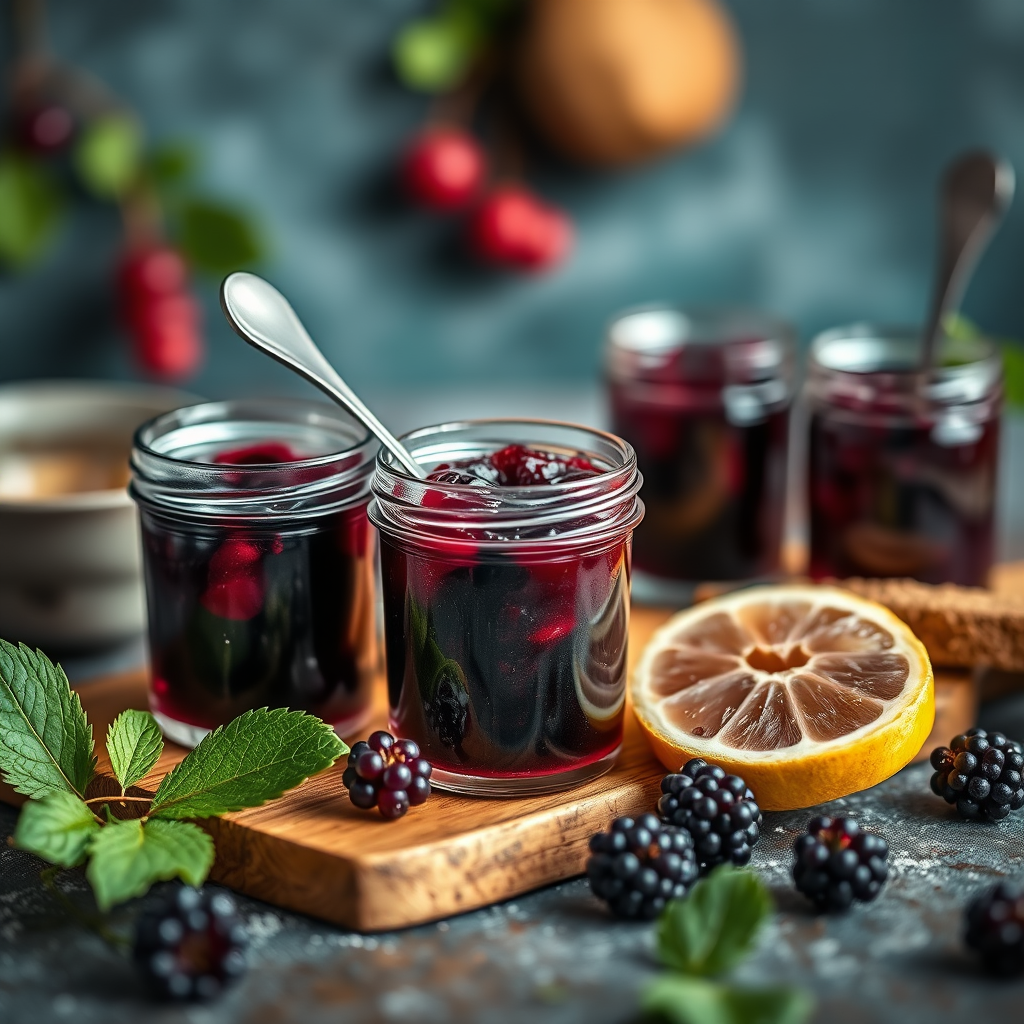
Master the art of creating black currant jam and jelly with this expert guide, designed for both novice and experienced preservers. This comprehensive resource covers essential techniques, safety protocols, and tried-and-true recipes to ensure your preserves are delicious and safe for consumption. Following the right procedures not only enhances flavor but also prevents foodborne illnesses, making this knowledge vital for any home canner.
What This Guide Covers (And What It Doesn’t)
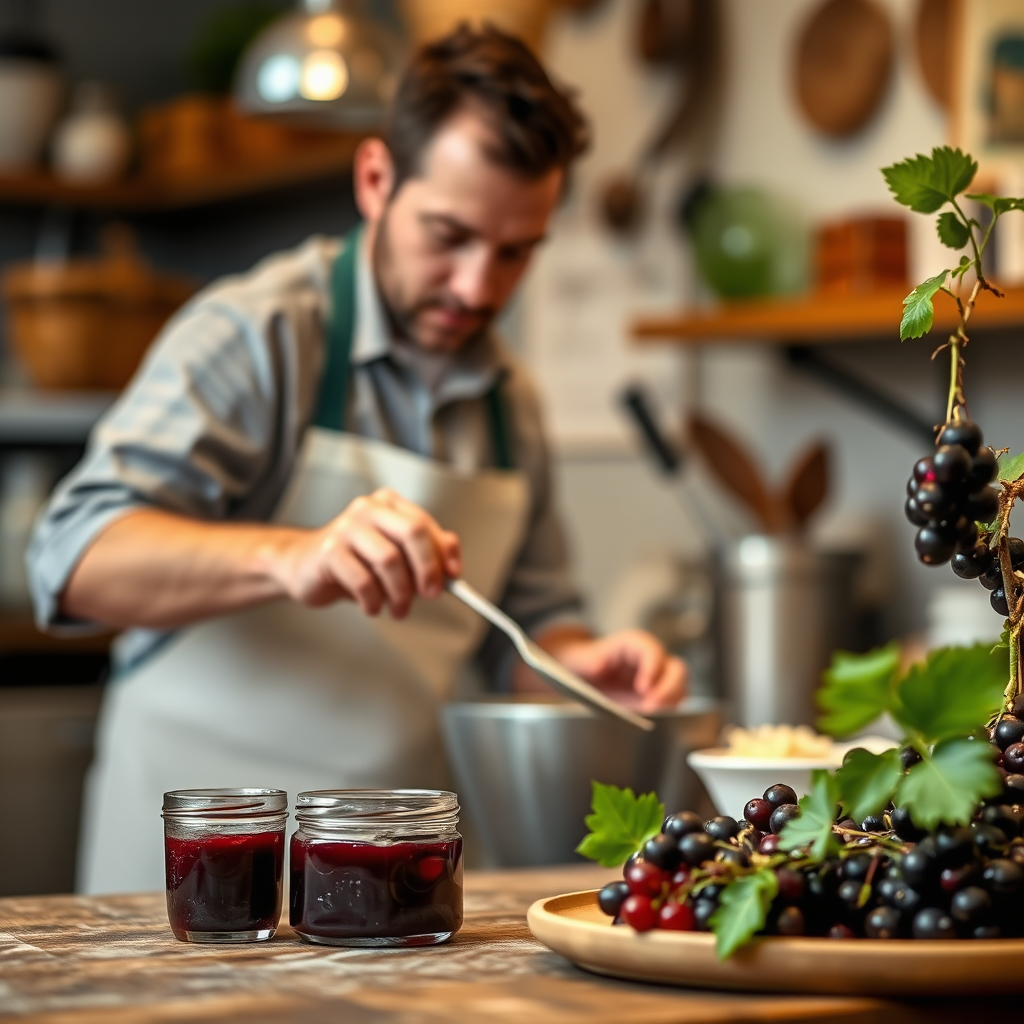
This guide delivers detailed, step-by-step instructions for crafting black currant jam and jelly, emphasizing safety, preservation methods, and optimal flavor extraction. You’ll find precise measurements, cooking times, and storage recommendations designed to guarantee successful and safe results. Additionally, it highlights common pitfalls to avoid. However, this guide does not address other types of fruit preserves or jams, nor does it explore alternative sweetening options or non-jam recipes; it is fully dedicated to the intricacies of black currant preservation.
Who Should Read This
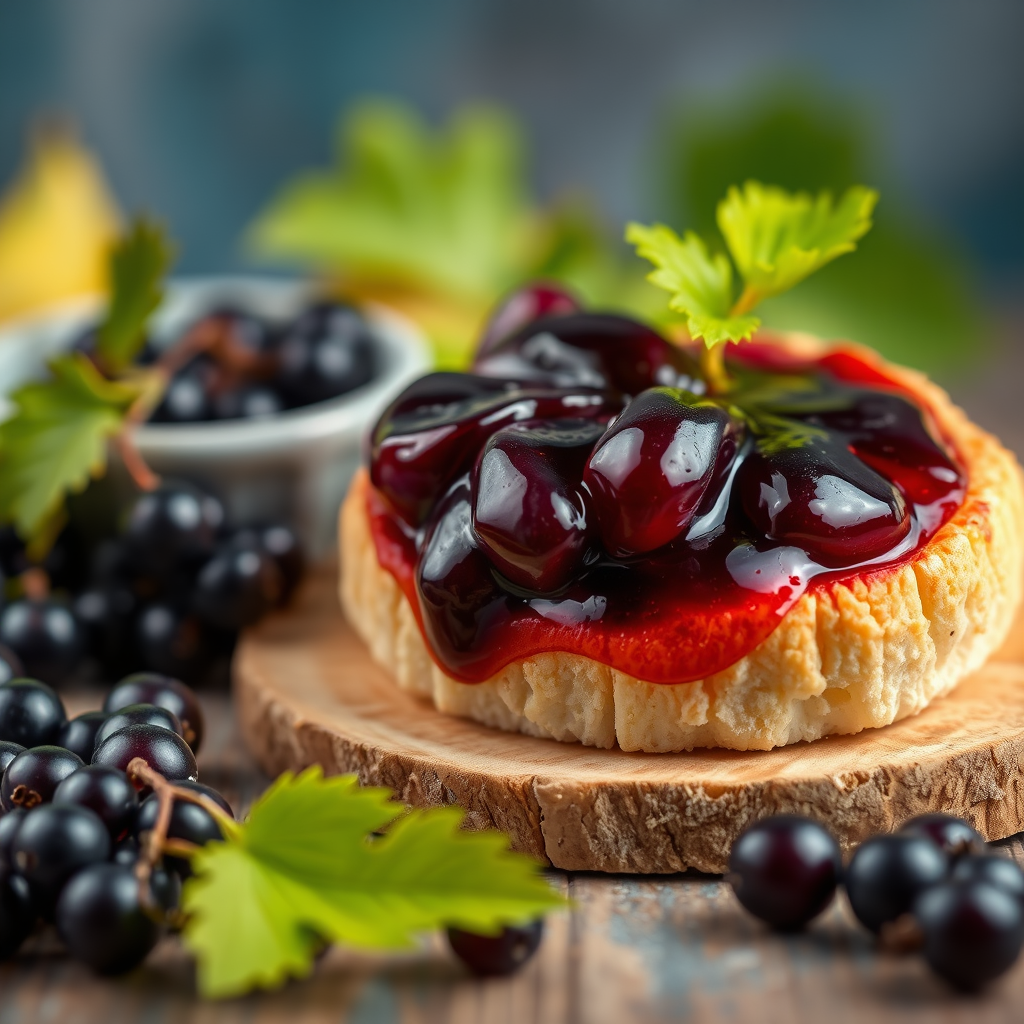
Home canners and food preservation enthusiasts with a foundational understanding of the canning process will find this guide especially valuable. It offers advanced tips and techniques tailored for black currant products. Individuals interested in creating homemade gifts or preserving seasonal fruit will discover insights into the unique qualities of black currants, including their rich flavor profile and health benefits. Please note that this guide is not intended for novice cooks without any canning experience; it assumes familiarity with kitchen equipment, safety protocols, and basic cooking terminology.
The Step-by-Step Protocol
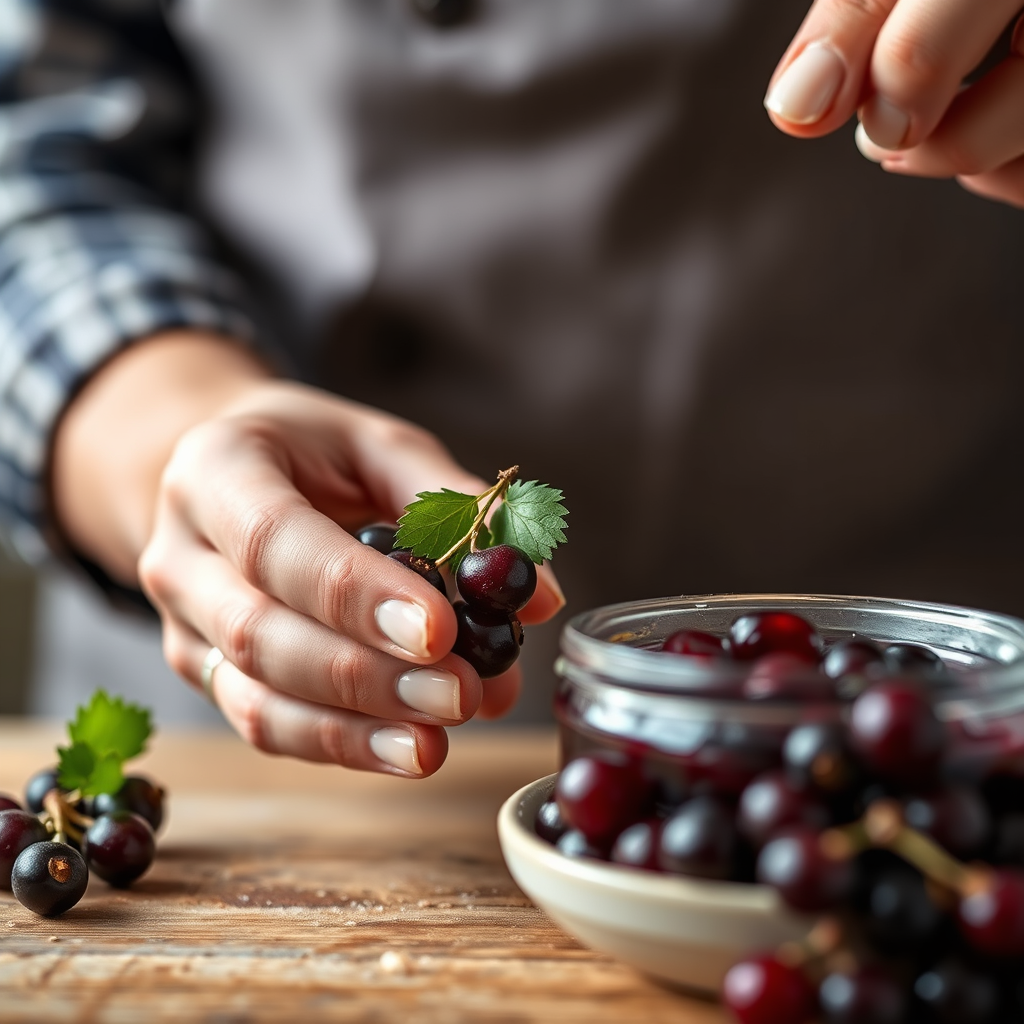
1. Preparation: Begin with 4 cups of fresh black currants. Rinse them thoroughly under cold running water to eliminate any dirt or insects. Carefully remove the stems and leaves before measuring, as these can impart a bitter flavor to your jam or jelly.
2. Cooking: In a large, heavy-bottomed pot, combine the prepared black currants with 1 cup of water. Bring the mixture to a boil over medium heat, stirring occasionally. Once it reaches a boil, reduce the heat to a simmer and continue cooking for 15-20 minutes. Use a potato masher or the back of a spoon to mash the berries, ensuring they release their juices.
3. Straining: After simmering, strain the mixture through a fine mesh sieve or cheesecloth to extract the juice. You should yield approximately 3 cups of liquid. Discard the solids, as they will not contribute to the texture of the final product.
4. Making Jam or Jelly:
– For jam, return the juice to the pot. Add 5 cups of granulated sugar and 1/4 cup of freshly squeezed lemon juice. Stir until the sugar dissolves, then bring the mixture to a rolling boil. Boil for 10-15 minutes, stirring frequently, until it thickens and reaches the desired consistency.
– For jelly, mix the strained juice with 1 box of pectin (such as Sure-Jell) according to the package instructions. Generally, you’ll need to add the pectin to the juice, bring it to a boil, and then incorporate about 4-5 cups of sugar, boiling for an additional 1-2 minutes until properly thickened.
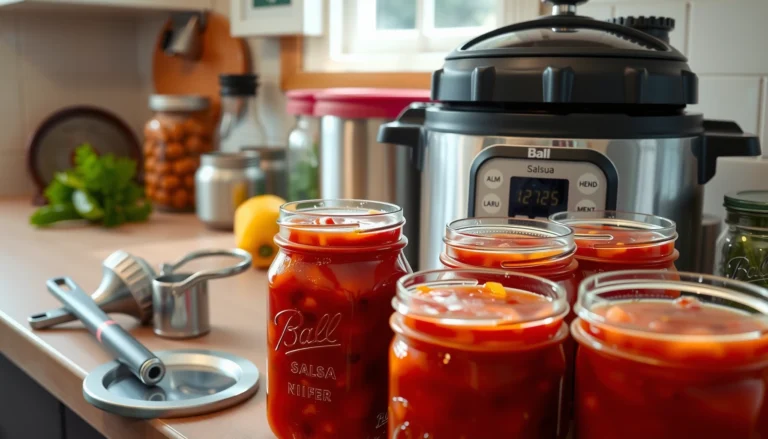
5. Canning: While the jam or jelly is boiling, prepare your canning jars. Sterilize them by submerging them in boiling water for 10 minutes. Fill the jars with the hot jam or jelly, leaving a 1/4-inch headspace. Wipe the rims with a clean cloth to remove any residue, then seal with sterilized lids.
6. Processing: Process the jars in a boiling water canner for 10 minutes to ensure proper sealing and safety. Adjust the processing time if you are at higher altitudes—add 1 minute for every 1,000 feet above sea level.
7. Cooling and Storing: Once processed, carefully remove the jars from the canner and allow them to cool on a clean towel or cooling rack. After 24 hours, check the seals by pressing the center of each lid. If it pops back, the jar did not seal properly and should be refrigerated and used within a few weeks. Properly sealed jars can be stored in a cool, dark place for up to a year.
Nutritional Comparison of Black Currant Jam vs. Jelly (per tablespoon)
| # | Nutrient | Black Currant Jam | Black Currant Jelly |
|---|---|---|---|
| 1 | Calories | 50 | 45 |
| 2 | Sugar (g) | 12 | 11 |
| 3 | Vitamin C (mg) | 7 | 0 |
| 4 | Fiber (g) | 1.5 | 0 |
| 5 | Antioxidants (ORAC) | 1,200 | 0 |
| 6 | Total Carbohydrates (g) | 14 | 12 |
| 7 | Sodium (mg) | 1 | 0 |
| 8 | Protein (g) | 0.5 | 0 |
| 9 | Calcium (mg) | 5 | 0 |
| 10 | Iron (mg) | 0.3 | 0 |
Warning Signs: When Not to Follow This
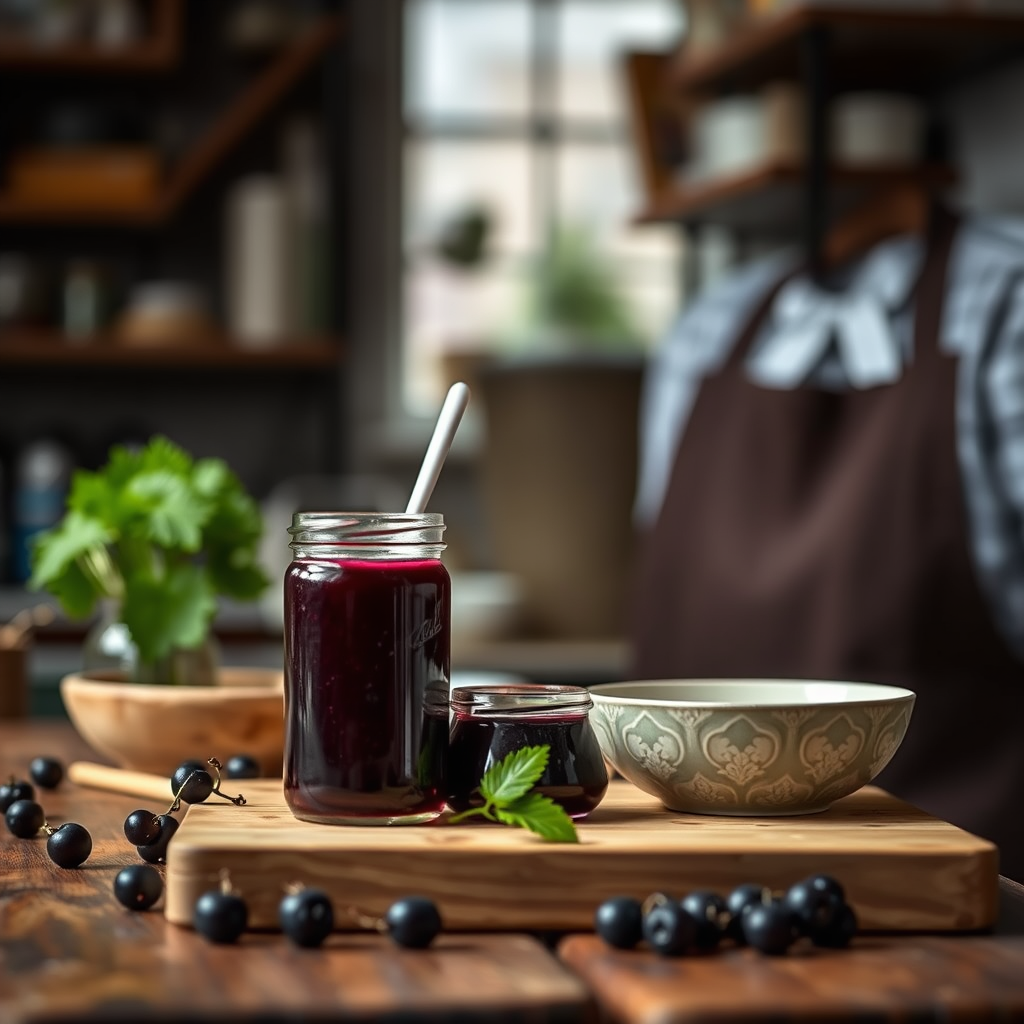
– If the black currants exhibit signs of mold, fermentation, or an off smell, do not use them; these indicators suggest spoilage that could compromise safety.
– Avoid canning if you lack proper sterilization techniques, such as utilizing a boiling water canner or pressure canner, which are essential for safe preservation. Ensure that all equipment is clean and properly sanitized before use.
– If you have underlying health conditions that may compromise your immune system, such as diabetes or heart disease, reconsider making jam or jelly without consulting a healthcare professional, as homemade preserves can carry risks.
The Most Common Mistakes (And Their Consequences)
– Using unmeasured or approximate amounts of sugar can lead to poor gel formation, resulting in runny jam or jelly that fails to set properly. Always adhere to exact measurements to ensure the appropriate chemical reactions occur during cooking.
– Insufficient sterilization of jars and lids can introduce bacteria or spoilage into the preserves, causing them to spoil prematurely, even if they appear intact. Follow sterilization guidelines meticulously.
– Cooking the mixture at too low a temperature can affect the pH levels, which are critical for safe preservation, increasing the risk of botulism or other foodborne illnesses. Always achieve and maintain the proper boiling temperature throughout the process.
Special Cases That Need a Different Approach
– If you are working with frozen black currants, adjust cooking times accordingly; they may require longer simmering to achieve the same consistency as fresh fruit. Typically, increase the simmering time by 5-10 minutes.
– For those with specific dietary restrictions, such as low-sugar or no-sugar diets, alternative pectin options and sweeteners must be explored. These may necessitate different cooking methods and ingredient ratios; consult product packaging for guidance.
– If you’re considering adding herbs or spices (like mint or cinnamon) to the recipe, it’s advisable to conduct a small batch test first. These additions can alter both flavor and preservation properties, potentially impacting the final product.
When You Need a Professional
– If you are uncertain about the safety of your canned products due to unusual smells, colors, or textures, it’s crucial to discard your jars and consult a food safety expert for advice on proper preservation techniques.
– Should your black currant jam or jelly not set after following the recipe accurately, seek assistance from a professional food preserver to determine whether the issue lies in the processing method or ingredient quality.
– For individuals intending to produce large quantities of jam for commercial purposes, collaborating with a licensed food processing professional is essential to ensure compliance with local health regulations and safety standards.
Sources and Further Reading
– USDA Complete Guide to Home Canning, which offers detailed canning processes and safety guidelines specifically tailored to fruit preserves.
– Ball Canning Book, providing a variety of recipes and preservation techniques with a focus on safety and quality.
– National Center for Home Food Preservation, which includes research-based information on food safety, including effective preservation methods for black currants and other fruits.
Frequently Asked Questions
What are the key ingredients for making black currant jam or jelly?
The key ingredients for making black currant jam or jelly include fresh black currants, sugar, and lemon juice. Black currants provide a rich flavor and natural pectin, while sugar helps with preservation and sweetness. Lemon juice not only enhances the tartness but also helps the jam set properly by adding acidity.
How do I properly prepare black currants for jam or jelly?
To prepare black currants for jam or jelly, start by rinsing them under cool water to remove any dirt or insects. Next, remove the stems and any damaged berries. It’s important to mash or crush the currants slightly before cooking to release their juices, which will help in the cooking process.
Why is my black currant jam too runny, and how can I fix it?
If your black currant jam is too runny, it may be due to insufficient cooking time or not enough pectin. To fix it, you can return the jam to the pot, add a bit more pectin, and cook it again until it reaches the desired consistency. Always test the set by placing a spoonful on a cold plate and checking if it thickens as it cools.
What is the best method for storing homemade black currant jam or jelly?
The best method for storing homemade black currant jam or jelly is to use sterilized jars and seal them while the jam is hot. Ensure the jars are properly sealed to prevent air from entering, which can spoil the jam. Store the sealed jars in a cool, dark place; once opened, keep them in the refrigerator to maintain freshness.
Which recipes can I try to incorporate black currant jam into desserts?
You can incorporate black currant jam into various desserts such as tarts, cheesecakes, or as a filling in pastries. It pairs beautifully with vanilla ice cream or yogurt as a topping. Additionally, you can swirl black currant jam into pancake batter or use it as a glaze for meats to add a unique twist to your meals.
References
- https://en.wikipedia.org/wiki/Cassissier
https://en.wikipedia.org/wiki/Cassissier - https://www.ncbi.nlm.nih.gov/pmc/articles/PMC7071876/
https://www.ncbi.nlm.nih.gov/pmc/articles/PMC7071876/ - https://www.ncbi.nlm.nih.gov/pmc/articles/PMC7541997/
https://www.ncbi.nlm.nih.gov/pmc/articles/PMC7541997/ - https://www.ncbi.nlm.nih.gov/pmc/articles/PMC5547438/
https://www.ncbi.nlm.nih.gov/pmc/articles/PMC5547438/ - https://www.sciencedirect.com/topics/agricultural-and-biological-sciences/black-currant
https://www.sciencedirect.com/topics/agricultural-and-biological-sciences/black-currant - https://www.bbc.co.uk/food/recipes/blackcurrant_jam_83594
https://www.bbc.co.uk/food/recipes/blackcurrant_jam_83594 - https://www.theguardian.com/food/2021/jul/22/how-to-make-blackcurrant-jam-recipe
https://www.theguardian.com/food/2021/jul/22/how-to-make-blackcurrant-jam-recipe - Google Scholar Google Scholar
https://scholar.google.com/scholar?q=black+currant+jam+jelly+recipes - Google Scholar Google Scholar
https://scholar.google.com/scholar?q=black+currant+preservation+recipes - black currant jam jelly recipes – Search results
https://en.wikipedia.org/wiki/Special:Search?search=black+currant+jam+jelly+recipes