Mastering apricot jam recipes requires precision and safety, making this expert guide essential for both novice and seasoned canners alike. This comprehensive resource covers everything from selecting the best apricots to the safest canning techniques, ensuring your homemade jam is not only delicious but also safe to enjoy. Following the right protocols is crucial to prevent spoilage and foodborne illness, making each step in this process vital. Dive into the art of apricot jam making with confidence and expert knowledge at your fingertips.
What This Guide Covers (And What It Doesn’t)
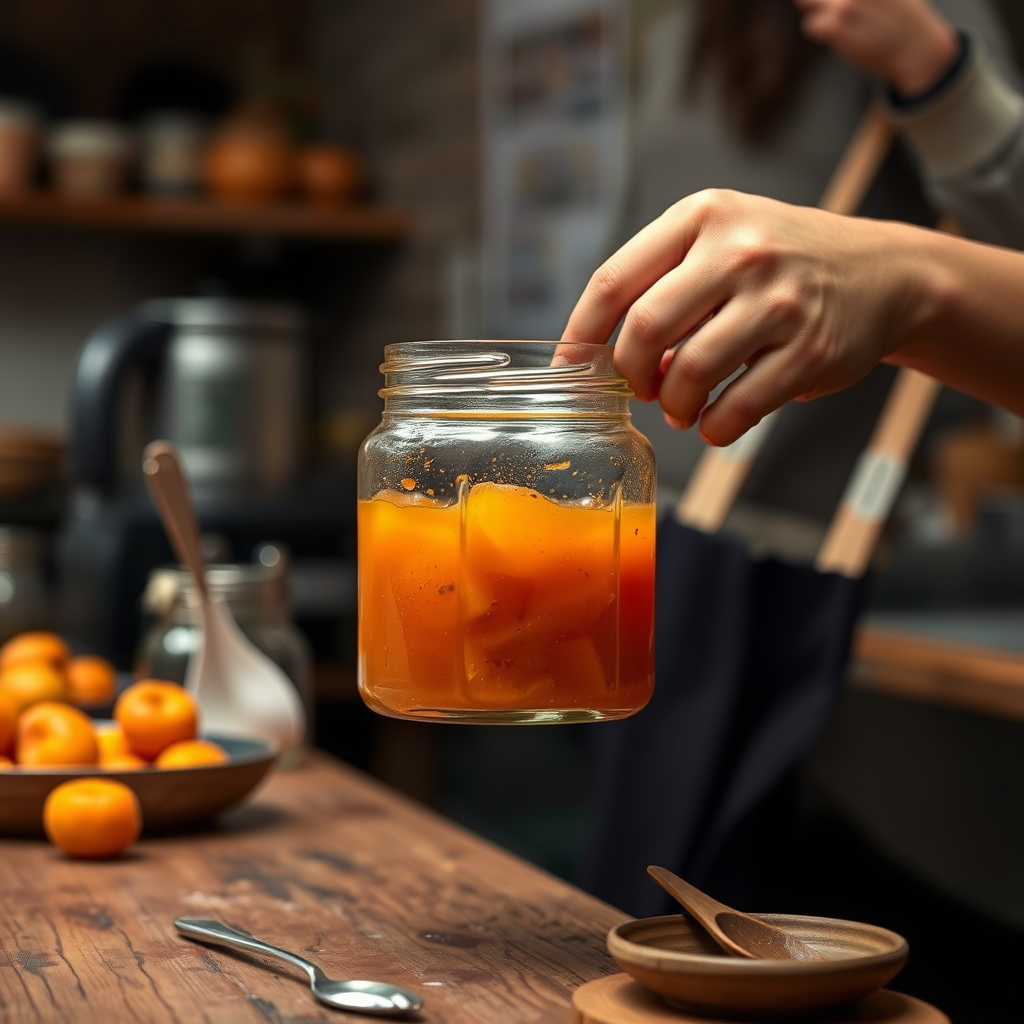
This guide delves into the art of making apricot jam, offering both traditional and innovative methods for preserving these delicious fruits safely. You’ll find essential tips on selecting the best apricots, measuring ingredients accurately, and understanding the science behind jam-making. However, it does not address other forms of fruit preservation, such as freezing or drying, nor does it include recipes for apricot dishes outside of jam.
Who Should Read This
Home cooks with a foundational grasp of kitchen techniques will find this guide particularly useful as they seek to enhance their jam-making skills. This resource is tailored for those who have some experience with canning or fruit preservation but may be unfamiliar with the specifics of apricot jam. Beginners interested in this endeavor should first familiarize themselves with food safety and basic canning principles before diving into the process.
The Step-by-Step Protocol
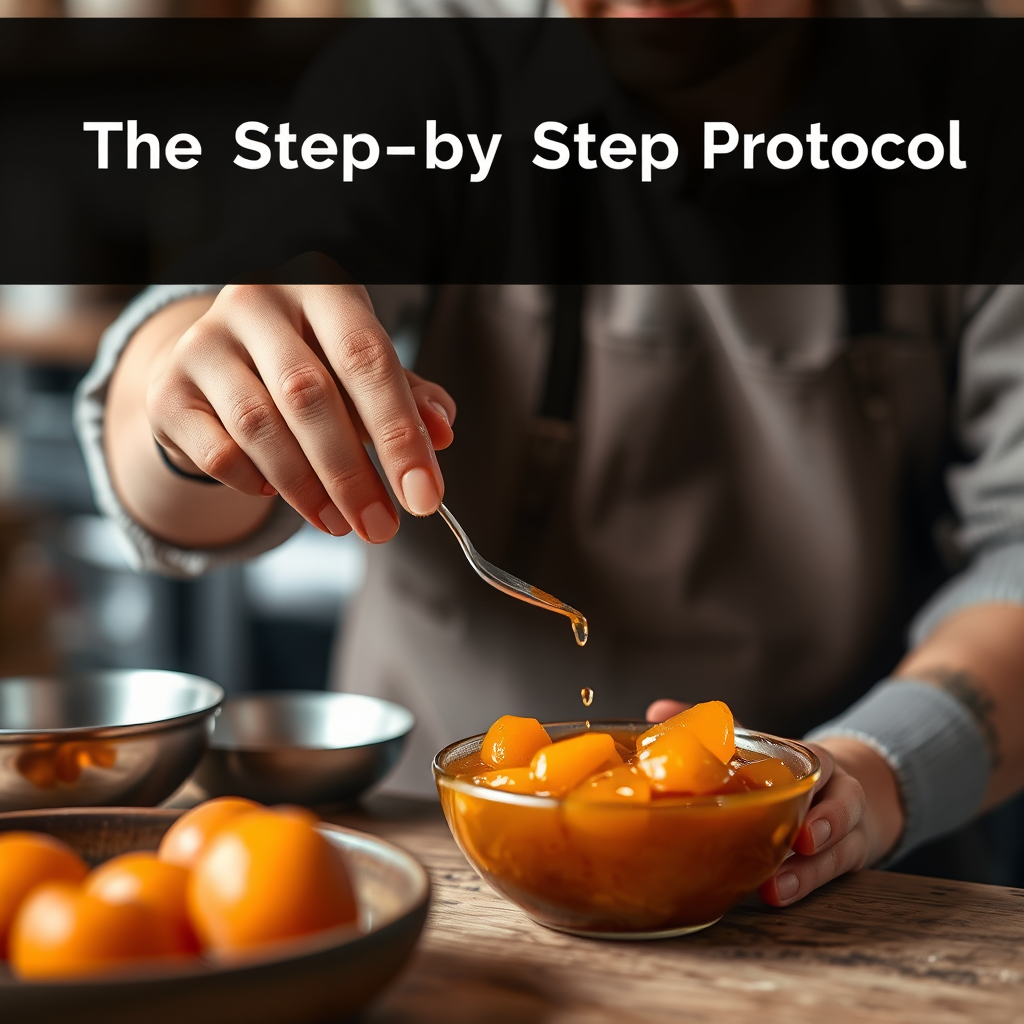
1. Select Fresh Apricots: Choose 2 pounds of ripe, firm apricots. Look for fruits that are slightly soft to the touch and free from blemishes. Discard any fruit that shows signs of mold or excessive bruising.
2. Prepare the Ingredients: Wash apricots thoroughly in cold water to eliminate any pesticides or contaminants. Remove the pits and chop the fruits into small pieces. Measure 4 cups of chopped apricots, 2 cups of granulated sugar, and 1/4 cup of lemon juice, ensuring precise measurements for optimal results.
3. Cook the Apricot Mixture: In a large, heavy-bottomed pot, combine the chopped apricots, sugar, and lemon juice. Stir over medium heat until the sugar fully dissolves. Once dissolved, increase the heat to bring the mixture to a rolling boil. Allow it to boil vigorously for approximately 10 minutes.
4. Test for Consistency: After boiling for 10 minutes, test the jam’s doneness by placing a small spoonful on a cold plate. Let it sit for a minute, then run your finger through it. If it holds its shape and forms a line, the jam is ready for canning. If not, continue boiling and test every couple of minutes until the desired consistency is achieved.
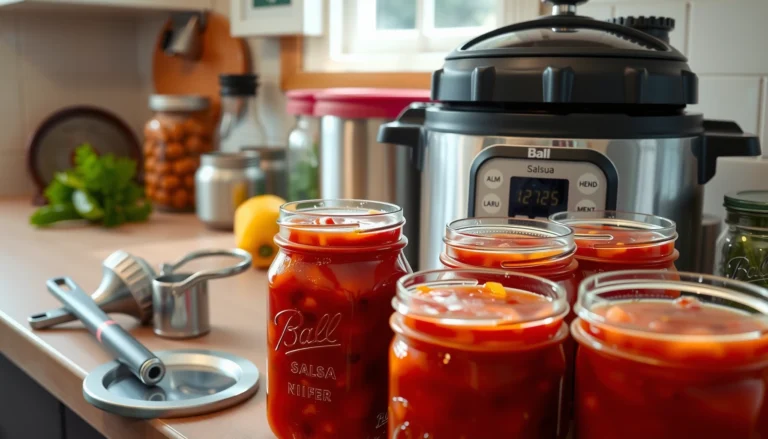
5. Canning the Jam: Sterilize your canning jars and lids by placing them in boiling water for 10 minutes. Using a ladle, fill the hot jars with the apricot jam, leaving about 1/4 inch of headspace. Wipe the rims with a clean cloth to remove any residue, then seal with the lids. Process the jars in a water bath canner for 10 minutes to ensure they are sealed properly.
6. Cooling and Storing: After processing, carefully remove the jars from the canner and place them on a clean towel or cooling rack. Allow them to cool completely, which may take several hours. Once cooled, check that the lids have sealed properly by pressing the center; it should not pop back. Store sealed jars in a cool, dark place for up to one year.
Top 7 Apricot Jam Recipes and Their Features
| # | Recipe Name | Sugar Content | Pectin Used | Prep Time | Total Yield |
|---|---|---|---|---|---|
| 1 | Classic Apricot Jam | 2 cups | No | 30 min | 4 jars |
| 2 | Apricot Ginger Jam | 1.5 cups | Yes | 40 min | 3 jars |
| 3 | Apricot Vanilla Jam | 2 cups | Yes | 35 min | 5 jars |
| 4 | Low-Sugar Apricot Jam | 1 cup | Yes | 30 min | 4 jars |
| 5 | Apricot Rosemary Jam | 2 cups | No | 45 min | 3 jars |
| 6 | Apricot Chili Jam | 2 cups | Yes | 50 min | 4 jars |
| 7 | Apricot Mint Jam | 1.5 cups | No | 30 min | 5 jars |
Warning Signs: When Not to Follow This

Avoid making apricot jam if your apricots appear moldy or overly soft, as these conditions can lead to spoilage and unsafe canning. Additionally, do not proceed if you lack proper canning equipment, such as a water bath canner, jars, and lids that create a vacuum seal. If you are new to canning, it’s essential to familiarize yourself with safety protocols; improper techniques can lead to botulism, a serious foodborne illness.
The Most Common Mistakes (And Their Consequences)
– Not Using Enough Sugar: Insufficient sugar can result in jam that doesn’t set properly and may spoil more quickly due to inadequate preservation. Always adhere closely to the sugar-to-fruit ratio.
– Overcooking the Jam: Overcooking can impart a burned flavor and darken the color, compromising the overall quality of your apricot jam. Monitor the boiling process carefully and test for doneness promptly.
– Skipping the Lemon Juice: Lemon juice is crucial for maintaining the correct pH level in your jam, ensuring long-term safety for canning. Omitting it increases the risk of spoilage and foodborne illness.
Special Cases That Need a Different Approach
– Under-Ripe Apricots: If you opt for under-ripe apricots, consider adding an additional 1/2 cup of sugar to enhance sweetness and balance tartness. Ensure the apricots remain firm to avoid a mushy texture.
– Low-Sugar Versions: For a low-sugar apricot jam, replace regular sugar with a sugar substitute designed for canning, following the manufacturer’s guidelines for ratios. Take care, as this may affect the final set of the jam.
– Smoother Texture: If you prefer a smoother texture, consider pureeing the apricot mixture after cooking before canning. Be aware that this may impact the final set, so testing for consistency is essential.
When You Need a Professional
If you have doubts about the safety of your canning process or ingredients, consult a certified food preservation expert or your local extension service. In cases of suspected spoilage—such as jars not sealing or unusual odors—immediately discard the jam and seek guidance on safe food practices. If you are unfamiliar with pressure canning for low-acid foods, it is crucial to consult a professional to avoid foodborne illnesses.
Sources and Further Reading
– National Center for Home Food Preservation: [nchfp.uga.edu](https://nchfp.uga.edu/)
– USDA Complete Guide to Home Canning: USDA Agricultural Information Bulletin No. 539
– Ball Canning Book: “Ball Complete Book of Home Preserving,” a reputable source for preserving fruit and making jams.
Frequently Asked Questions
What ingredients do I need for a simple apricot jam recipe?
To make a basic apricot jam, you will need fresh apricots, granulated sugar, and lemon juice. Typically, the ratio is about 2 pounds of apricots to 4 cups of sugar and the juice of one lemon. This combination helps to balance the sweetness and acidity, resulting in a deliciously tangy jam.
How do I properly sterilize jars for apricot jam?
Sterilizing jars is crucial for preserving apricot jam safely. Start by washing the jars and lids in hot, soapy water, then rinse thoroughly. Place them in a preheated oven at 225°F (107°C) for 10-15 minutes or boil them in water for 10 minutes to ensure they are free of bacteria before filling them with jam.
Why is my apricot jam not setting properly?
If your apricot jam isn’t setting, it could be due to insufficient pectin or not cooking it long enough. Apricots have lower natural pectin levels, so using added pectin or ensuring a rolling boil for the right duration is essential. Also, make sure to measure your ingredients accurately for the best results.
What is the best method for making apricot jam without using pectin?
The best method for making apricot jam without pectin involves cooking the fruit down slowly to concentrate its natural sugars and pectin. Start by mashing the apricots and cooking them with sugar and lemon juice over low heat, then gradually increase the heat. Stir frequently until the mixture thickens and reaches a gel-like consistency.
Which types of apricots are best for making jam?
The best types of apricots for making jam are the sweet, ripe varieties such as the Tilton or Moorpark apricots. These types have a good balance of sweetness and acidity, making them ideal for jam. Look for apricots that are slightly soft to the touch and have a vibrant color for the best flavor in your homemade apricot jam.
References
- Fruit preserves
https://en.wikipedia.org/wiki/Jam - https://www.ncbi.nlm.nih.gov/pmc/articles/PMC6611345/
https://www.ncbi.nlm.nih.gov/pmc/articles/PMC6611345/ - https://www.sciencedirect.com/topics/agricultural-and-biological-sciences/apricot
https://www.sciencedirect.com/topics/agricultural-and-biological-sciences/apricot - Apricot jam foods
https://www.nutritionvalue.org/Apricot_jam_nutritional_value.html - https://www.foodnetwork.com/recipes/articles/how-to-make-jam
https://www.foodnetwork.com/recipes/articles/how-to-make-jam - https://www.extension.iastate.edu/foodsafety/preservation/jam.htm
https://www.extension.iastate.edu/foodsafety/preservation/jam.htm - https://www.theguardian.com/food/2020/oct/16/how-to-make-jam-in-a-jar
https://www.theguardian.com/food/2020/oct/16/how-to-make-jam-in-a-jar - Google Scholar Google Scholar
https://scholar.google.com/scholar?q=apricot+jam+recipes - Google Scholar Google Scholar
https://scholar.google.com/scholar?q=apricot+preservation+techniques - apricot jam recipes – Search results
https://en.wikipedia.org/wiki/Special:Search?search=apricot+jam+recipes