Master the art of making blackberry jam without pectin with this expert guide, designed for both novice and experienced canners. This comprehensive protocol covers every essential step, from selecting the ripest berries to achieving the perfect consistency, ensuring your homemade jam bursts with flavor. Following precise methods is crucial for safety and taste, making this guide indispensable for anyone eager to create delicious, all-natural blackberry preserves.
What This Guide Covers (And What It Doesn’t)

This guide delivers comprehensive, step-by-step instructions for crafting delicious blackberry jam without the use of pectin. You’ll discover the essential ingredients, equipment, and techniques necessary to achieve the perfect consistency. By leveraging the natural sugars found in blackberries, along with methods to enhance their sweetness and flavor, you can create a rich and satisfying jam. Additionally, it includes practical tips for storage and shelf life, ensuring your homemade jam remains safe and delectable. However, this guide excludes recipes that require pectin or commercial canning methods involving pressure canning; the emphasis is solely on traditional methods that rely on the fruit’s inherent sugars.
Who Should Read This

Home cooks eager to create their own preserves, especially those who favor a natural approach without pectin, will find this guide invaluable for producing a rich and flavorful blackberry jam. It particularly benefits those with dietary restrictions or preferences that lead them away from commercial additives and preservatives. However, this guide is not designed for novice cooks who lack basic kitchen skills. Readers should possess familiarity with essential kitchen tools and techniques such as boiling, sterilization, and precise measurement of ingredients.
The Step-by-Step Protocol
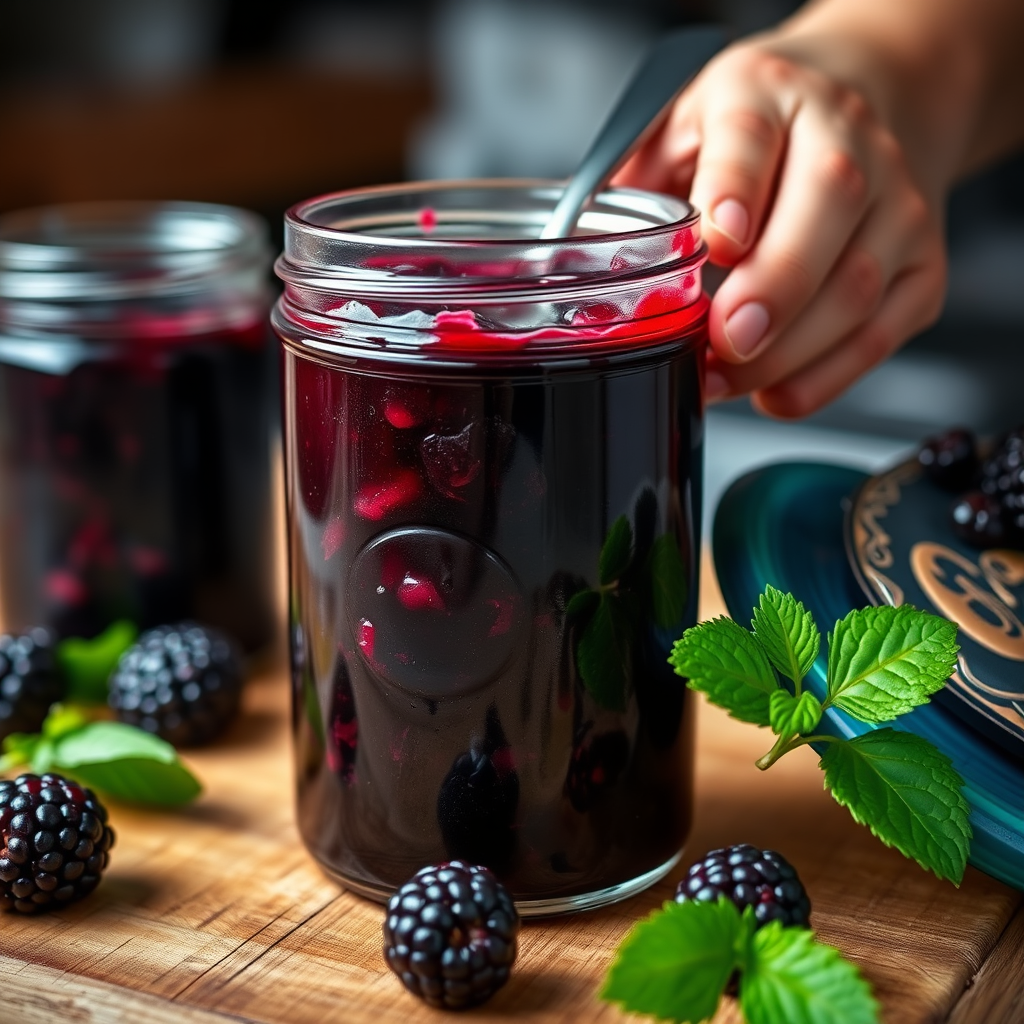
1. Gather Ingredients and Equipment: You will need 4 cups of fresh blackberries, 2 cups of granulated sugar, the juice of 1 lemon, a large pot, a potato masher, a wooden spoon, and sterilized jars for storage. Make sure your jars are clean and ready for canning.
2. Prepare the Blackberries: Rinse the blackberries gently under cold water to remove any dirt or insects. Discard any stems or leaves, then place the cleaned blackberries in a large pot. Inspect the berries for any signs of spoilage; only use those that are ripe and firm.
3. Mash the Blackberries: Using a potato masher, crush the blackberries thoroughly to release their juices. Aim for a mixture that includes both puree and whole pieces for added texture. This step enhances the flavor of the jam by breaking down the fruit.
4. Cook the Mixture: Add the sugar and lemon juice to the mashed blackberries, stirring well to combine. Place the pot on the stove over medium-high heat and bring it to a rolling boil. Cook the mixture for 15-20 minutes, stirring frequently, until it thickens and reaches a temperature of 220°F (104°C). A candy thermometer will help ensure accuracy.
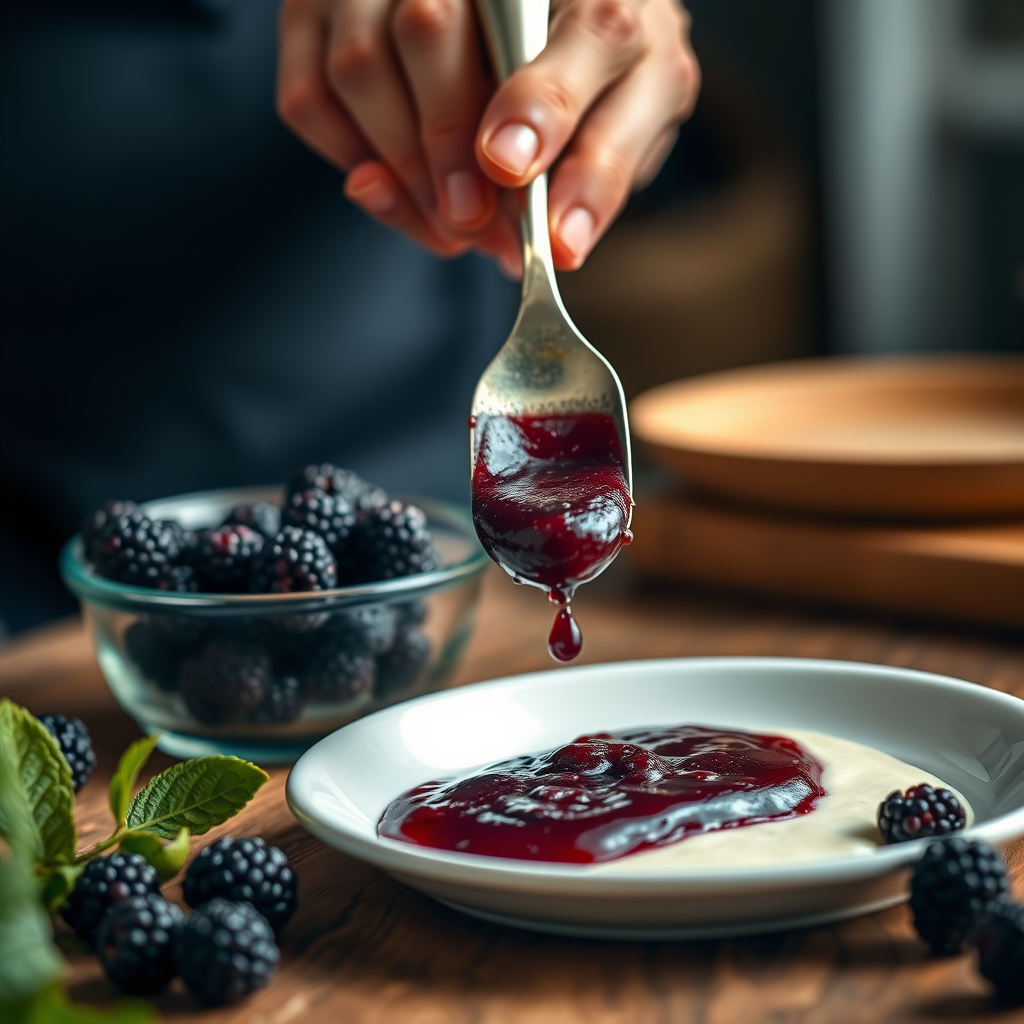
5. Test the Consistency: To check if the jam has reached the correct consistency, perform a “spoon test.” Dip a spoon into the jam and let it cool slightly. Run your finger through the mixture; if it holds its shape and does not run back together, it is ready for canning.
6. Fill the Jars: Once the jam has achieved the desired consistency, carefully pour it into sterilized jars, leaving about 1/4 inch of headspace at the top. Wipe the rims with a clean cloth to eliminate any residue, then secure the lids tightly.
7. Process the Jars (Optional): If you plan to store the jam for an extended period, process the jars in a boiling water bath for 10 minutes to ensure proper sealing and safety. If you intend to consume the jam within a few weeks, refrigeration may suffice without processing.
8. Cool and Store: Allow the jars to cool completely at room temperature. Once cooled, check the seals by pressing down in the center of each lid; if it pops back, the jar did not seal properly and should be refrigerated. Store sealed jars in a cool, dark place. Properly sealed, the jam can last for up to one year.
Comparison of Blackberry Jam Recipes (2023)
| # | Recipe Type | Sugar (cups) | Lemon Juice (tbsp) | Total Cook Time (min) | Yield (jars) |
|---|---|---|---|---|---|
| 1 | Basic Recipe | 2 | 1 | 20 | 4 |
| 2 | Low Sugar | 1.5 | 2 | 25 | 5 |
| 3 | Berry Blend | 2 | 1.5 | 30 | 6 |
| 4 | Spiced Jam | 2 | 1 | 35 | 4 |
| 5 | Chili Infused | 2 | 1 | 30 | 4 |
| 6 | Classic Vanilla | 2 | 1 | 20 | 5 |
| 7 | Honey Sweetened | 1.5 | 1 | 25 | 5 |
Warning Signs: When Not to Follow This

Avoid making this jam if the blackberries are overripe, moldy, or have been sitting out for more than a couple of days, as these conditions will compromise both safety and flavor. If you notice any unusual odors or colors in the fruit before starting, it’s best to discard them to prevent spoilage in your jam. Additionally, do not attempt this recipe without the necessary sterilization equipment; improper sterilization can lead to bacterial contamination in the finished product.
The Most Common Mistakes (And Their Consequences)
A frequent error is inaccurate measurement of ingredients, particularly sugar, which can result in a jam that is too runny or excessively sweet, detracting from the final texture and taste. Skipping the boiling process can lead to a jam that fails to set properly, yielding a syrupy consistency instead of the desired spreadable form. Furthermore, not allowing the jam to cool adequately before sealing can cause jars to break due to pressure changes, leading to waste and potential injury from glass shards.
Special Cases That Need a Different Approach
When using frozen blackberries, allow them to thaw and drain excess liquid before beginning the recipe, as additional moisture can alter the cooking time and consistency of the jam. For those who prefer a lower sugar option, consider reducing the sugar to 1.5 cups and adding a bit more lemon juice to assist with the setting process. If blackberries are unavailable, this method can also be adapted to use other berries like raspberries or blueberries, though adjustments in cooking time may be necessary.
When You Need a Professional
If you have food allergies or specific dietary conditions that necessitate strict adherence to certain food safety standards, consulting a nutritionist or food safety expert is advisable before attempting home canning. Should you notice any signs of spoilage in your jam after processing, such as bubbling, off-smells, or mold, it’s crucial to consult a food safety professional for guidance on proper disposal and prevention. If you plan to sell your blackberry jam commercially, seeking advice from a food safety consultant is essential to ensure compliance with local regulations and safe canning practices.
Sources and Further Reading
– USDA Complete Guide to Home Canning: Provides comprehensive standards for canning, including safety protocols and testing methods.
– National Center for Home Food Preservation: Offers research-based guidelines and recipes for home canning, ensuring safety and quality.
– “The Joy of Cooking” by Irma S. Rombauer: A classic cookbook that includes traditional recipes for jams and preserves, emphasizing natural ingredients and methods.
Frequently Asked Questions
What are the basic ingredients needed for blackberry jam without pectin?
To make blackberry jam without pectin, you will need fresh blackberries, granulated sugar, and lemon juice. The sugar acts as a natural preservative and sweetener, while lemon juice helps to balance the flavors and aids in the gelling process due to its acidity.
How do I ensure my blackberry jam sets properly without using pectin?
To ensure your blackberry jam sets properly without pectin, it’s important to cook the mixture for a longer period to evaporate excess moisture, which helps achieve the desired thickness. You can also test the jam’s consistency by placing a spoonful on a plate and letting it cool for a minute; if it holds its shape, it’s ready to be jarred.
Why might I choose to make blackberry jam without pectin?
Many people choose to make blackberry jam without pectin to avoid added ingredients and achieve a more natural flavor. Additionally, using ripe blackberries allows for a thicker consistency without the need for commercial pectin, making the jam a healthier and more homemade option.
What is the best method for storing homemade blackberry jam without pectin?
The best method for storing homemade blackberry jam without pectin is to use sterilized glass jars and seal them tightly. Place the jars in a cool, dark place for shelf storage, or refrigerate them for longer freshness; properly sealed jam can last up to a year if stored in a cool environment.
Which recipes for blackberry jam without pectin are most popular?
Some of the most popular recipes for blackberry jam without pectin include the classic two-ingredient version (blackberries and sugar) and those that incorporate spices like cinnamon or vanilla for added flavor. You can also find recipes that mix in other fruits, such as apples or lemons, to enhance the taste while maintaining a pectin-free approach.
References
- Fruit preserves
https://en.wikipedia.org/wiki/Jam - Expert Resources | CAES Field Report
https://www.uga.edu/extension/publications/ - NewCROP HomePage
https://www.hort.purdue.edu/newcrop/ - https://www.extension.purdue.edu/extmedia/FNR/FNR-400-W.pdf
https://www.extension.purdue.edu/extmedia/FNR/FNR-400-W.pdf - Google Scholar Google Scholar
https://scholar.google.com/scholar?q=blackberry+jam+without+pectin - https://www.ars.usda.gov/northeast-area/kearneysville-wv/plant-physiology-research/docs/preserving-blackberries/
https://www.ars.usda.gov/northeast-area/kearneysville-wv/plant-physiology-research/docs/preserving-blackberries/ - https://www.ncbi.nlm.nih.gov/pmc/articles/PMC6481366/
https://www.ncbi.nlm.nih.gov/pmc/articles/PMC6481366/ - Google Scholar Google Scholar
https://scholar.google.com/scholar?q=recipes+for+blackberry+jam - Appendixes – Strengthening High School Chemistry Education Through Teacher Outreach Programs – NC…
https://www.ncbi.nlm.nih.gov/books/NBK26422/ - Page not found
https://www.clemson.edu/extension/food/food_safety/preservation/jams_jellies.html