The Complete Protocol for Safely Making Strawberry Freezer Jam provides a step-by-step guide for enthusiasts and home preservers aiming to capture the fresh taste of strawberries year-round. This expert procedure emphasizes critical safety measures and best practices to ensure your jam is delicious and preserves well. Following the right protocol not only enhances flavor but also prevents spoilage, making your jam safe for enjoyment.
What This Guide Covers (And What It Doesn’t)

This guide provides a thorough, step-by-step protocol for making strawberry freezer jam, detailing the ingredients, equipment, and essential safety procedures. It emphasizes safe food preservation techniques to ensure the jam maintains its quality and flavor while preventing spoilage or contamination. Readers can expect practical tips, troubleshooting advice, and precise measurements necessary for successfully creating strawberry freezer jam. Please note, this guide focuses exclusively on the freezer method, leaving out other types of jams and canning techniques.
Who Should Read This
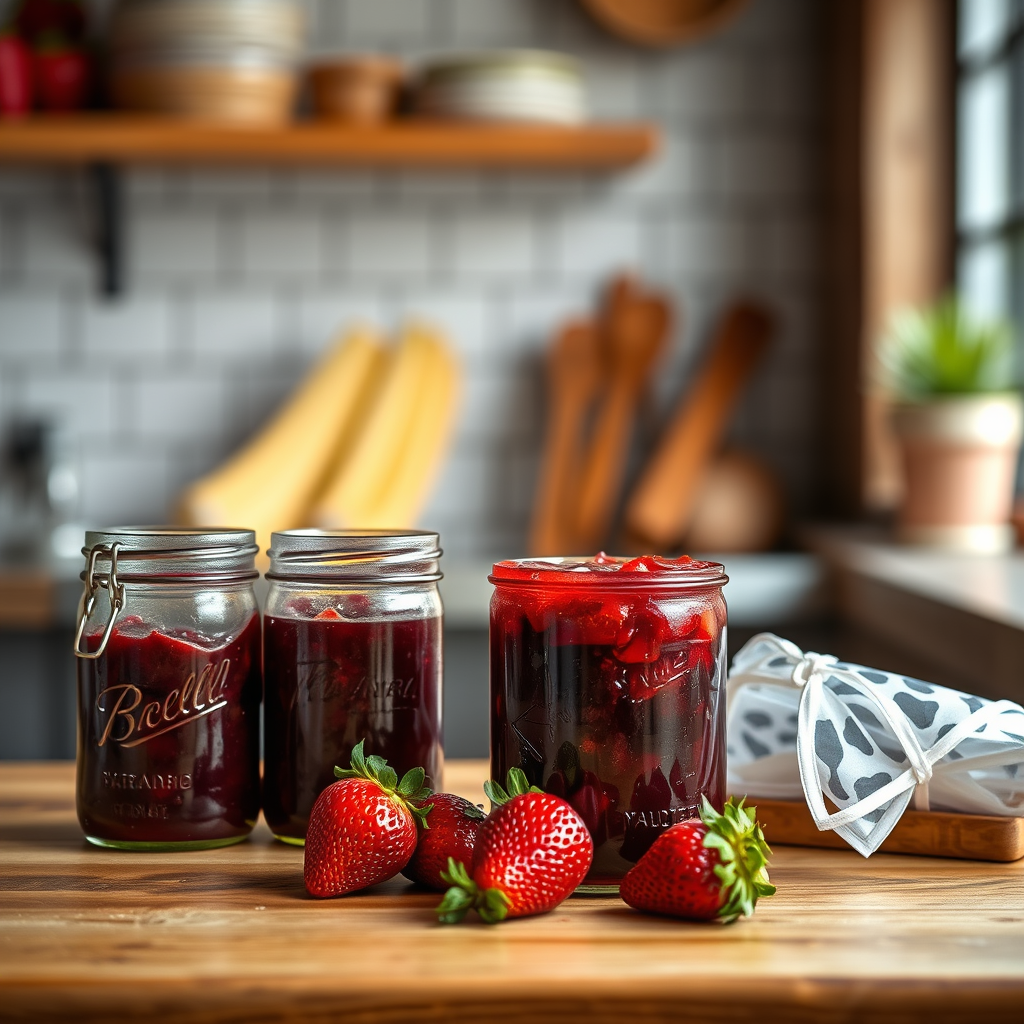
This guide is tailored for home cooks eager to preserve fresh strawberries in the form of freezer jam, especially those new to this preservation technique. It is perfect for individuals seeking simple, no-cook recipes that deliver delicious results with minimal effort and time. Readers with basic kitchen skills and an understanding of food safety principles will benefit the most, as the guide assumes familiarity with common kitchen tools and practices. However, those looking for advanced canning techniques or gourmet jam recipes may find this guide less suited to their needs.
The Step-by-Step Protocol
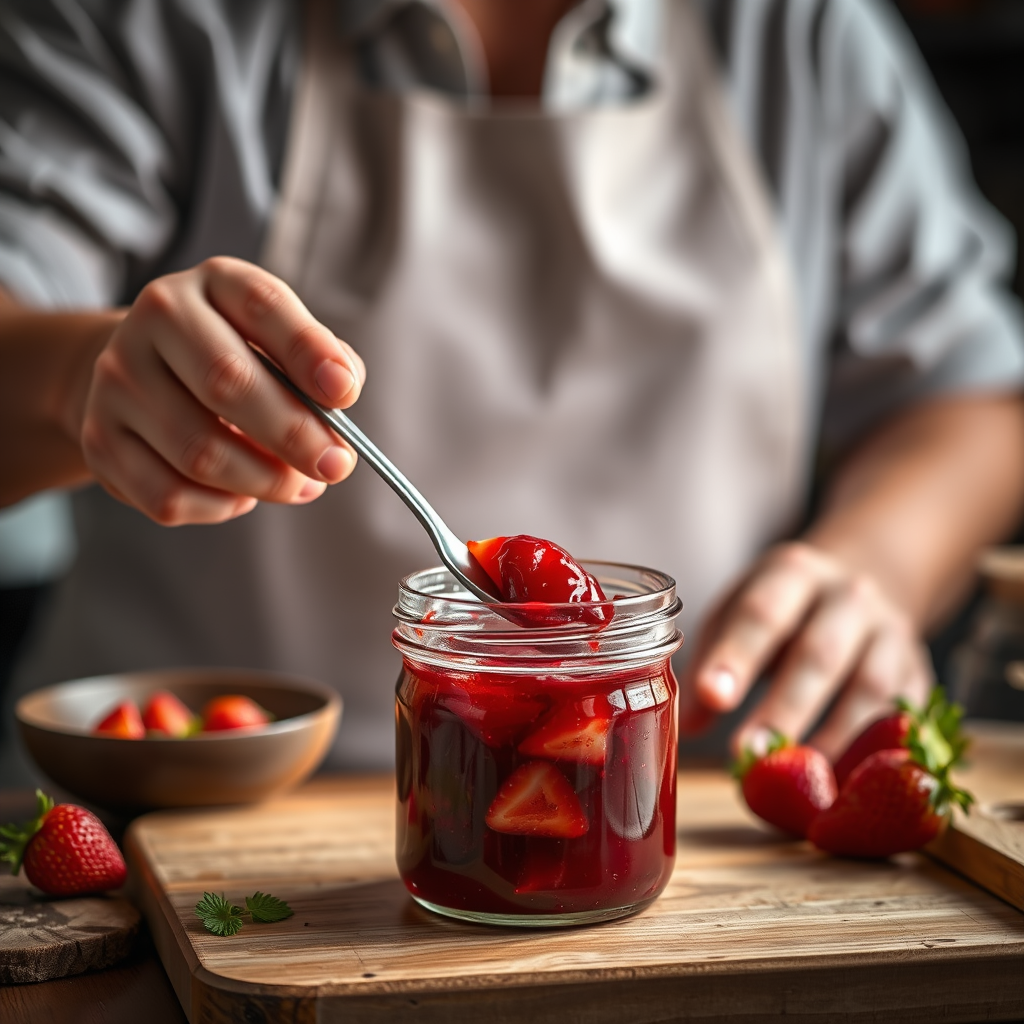
1. Gather Ingredients: Measure out 2 cups of crushed strawberries, 2 cups of granulated sugar, and 1/4 cup of fruit pectin designed for freezer jam.
2. Prepare Strawberries: Wash, hull, and crush the strawberries using a potato masher or fork until you achieve a consistent, juicy mixture.
3. Mix Ingredients: In a large bowl, combine the crushed strawberries and sugar. Stir well and let sit for 10 minutes to allow the sugar to dissolve.
4. Add Pectin: Stir in the fruit pectin into the strawberry mixture, mixing continuously for 3 minutes to ensure the pectin is fully incorporated.
5. Transfer to Containers: Pour the jam into clean, freezer-safe containers, leaving about 1/2 inch of headspace to allow for expansion during freezing.
6. Freeze: Place the containers in the freezer for a minimum of 24 hours. The jam can be stored for up to one year.
Nutritional Content of Strawberry Freezer Jam (per tablespoon)
| # | Nutrient | Amount | Daily Value % |
|---|---|---|---|
| 1 | Calories | 50 | 2% |
| 2 | Total Carbohydrates | 13g | 4% |
| 3 | Sugars | 12g | — |
| 4 | Total Fat | 0g | 0% |
| 5 | Protein | 0g | 0% |
| 6 | Vitamin C | 2% DV | 2% |
| 7 | Calcium | 0% DV | 0% |
| 8 | Iron | 0% DV | 0% |
| 9 | Potassium | 15mg | 0% |
| 10 | Sodium | 0mg | 0% |
Warning Signs: When Not to Follow This
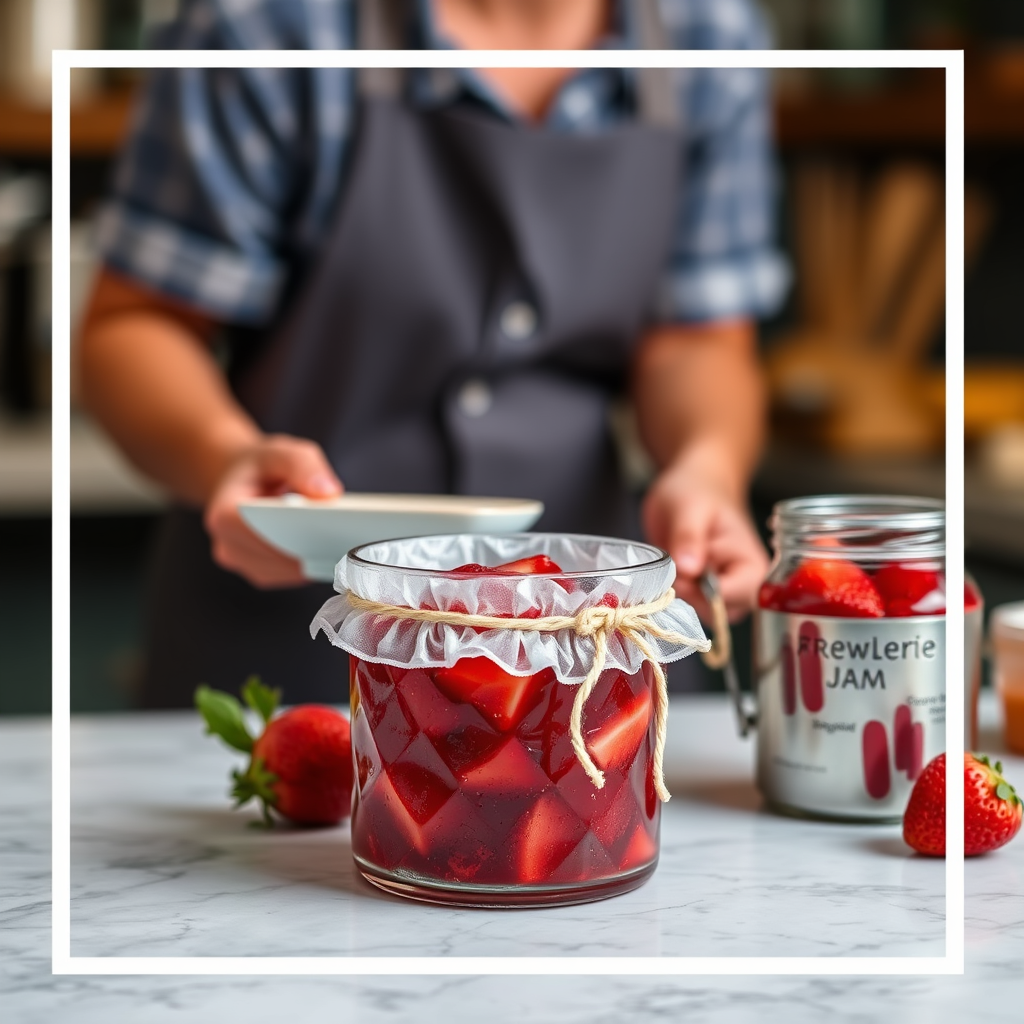
Avoid this recipe if the strawberries show signs of spoilage, such as mold, off smells, or excessive bruising, as this could compromise the safety of the jam. Do not use homemade pectin substitutes or outdated commercial pectin that may lack the necessary gelling properties for this recipe. If you are allergic to any of the ingredients—strawberries, sugar, or pectin—do not proceed without suitable alternatives. Additionally, if your kitchen environment is not clean or lacks proper sanitary measures, refrain from making freezer jam to avoid contamination.
The Most Common Mistakes (And Their Consequences)
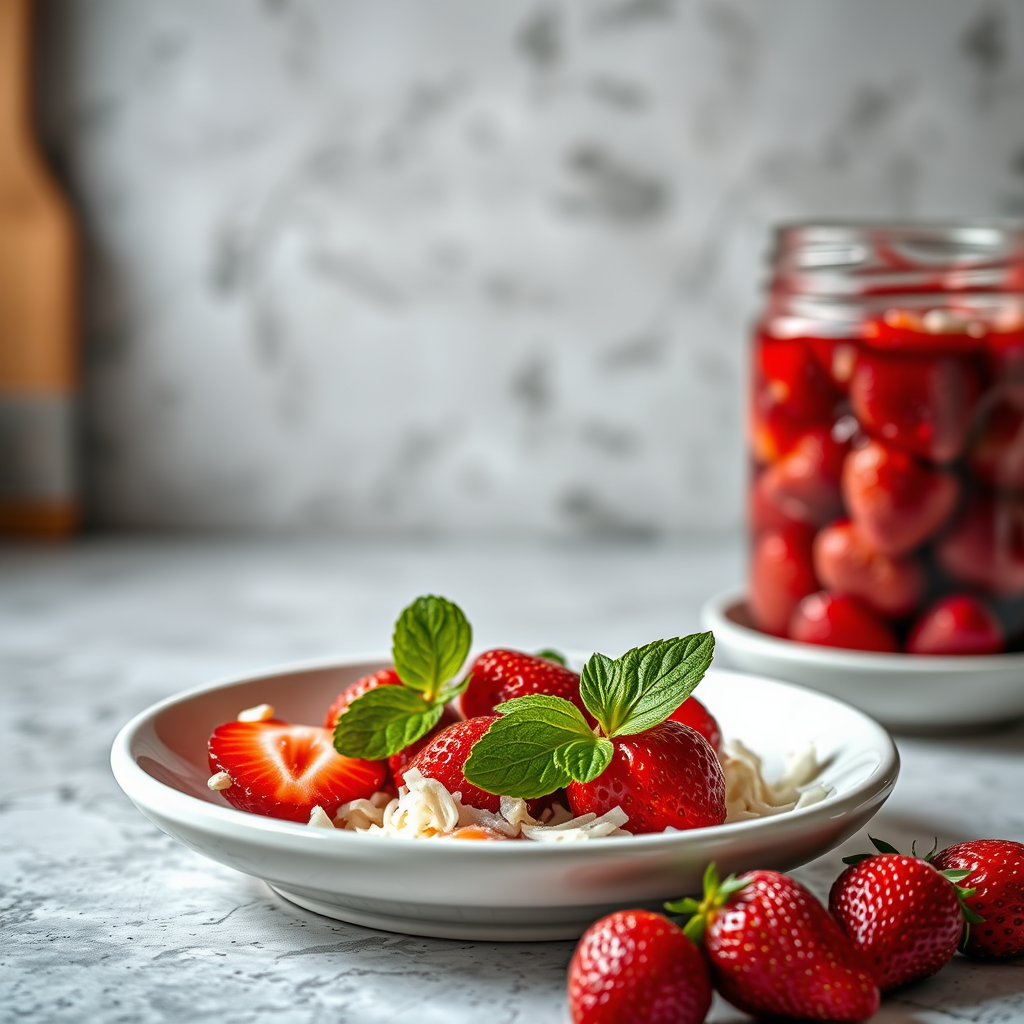
– Incorrect Strawberry Measurement: Using fewer than 2 cups of crushed strawberries can result in a runny jam that does not set properly. Maintaining the balance of sugar and fruit is crucial for optimal texture.
– Skipping the 10-Minute Wait: Failing to let the sugar dissolve completely before adding pectin can lead to a grainy texture and weak gel formation. This step is essential for achieving a smooth consistency.
– Overfilling Containers: Filling containers too full without adequate headspace can cause them to burst in the freezer, leading to a messy clean-up and wasted jam. Always leave at least 1/2 inch of headspace.
– Neglecting to Label: Forgetting to label containers with the date and contents can result in losing track of the jam in the freezer, risking freezer burn after extended storage. Use waterproof markers or labels to prevent loss.
Special Cases That Need a Different Approach
– For individuals with diabetes or those monitoring sugar intake, consider using sugar substitutes designed for canning, following package instructions for pectin compatibility. Ensure the substitute provides the necessary sweetness and texture.
– If using frozen strawberries instead of fresh, ensure they are fully thawed and drained of excess liquid to maintain the right consistency and sweetness. This step prevents excess moisture from affecting the jam’s texture.
– For a spicier version, you might add a pinch of ground ginger or a dash of cinnamon to the mixture before freezing, requiring slight adjustments in sugar content. Taste the mixture prior to freezing to achieve your desired flavor.
– If making a larger batch (more than 4 cups of fruit), it’s advisable to divide the recipe into multiple smaller batches to ensure proper gelling and freezing. This approach guarantees even distribution of pectin and sugar.
When You Need a Professional
If you consistently experience failures in jam setting after multiple attempts with the same recipe, it’s wise to consult a food preservation expert for tailored advice. Should you experience symptoms of foodborne illness after consuming homemade jam, seek medical attention and report the incident to local food safety authorities. If you plan to sell your homemade strawberry freezer jam, consult a food safety professional to comply with local regulations regarding food production and labeling. For severe allergies or intolerances, or if you have health conditions affected by high sugar content, discuss your plans with a dietitian or healthcare provider before proceeding.
Sources and Further Reading
– National Center for Home Food Preservation: Guidelines and best practices for home canning and jam-making techniques.
– USDA Complete Guide to Home Canning: A comprehensive resource on food preservation methods, including freezer jam specifics.
– University Extension Services: Research articles and bulletins on strawberry preservation and freezer jam recipes.
– Pectin Manufacturer’s Instructions: Specific guidelines for using commercial pectin products for making freezer jam.
Frequently Asked Questions
What ingredients do I need for a strawberry freezer jam recipe?
To make a simple strawberry freezer jam, you’ll need fresh strawberries, granulated sugar, pectin (specifically freezer pectin), and lemon juice. This combination allows for a sweet and flavorful jam that retains the fresh taste of strawberries while being easy to prepare and store.
How do I prepare strawberries for freezer jam?
To prepare strawberries for freezer jam, start by washing and hulling the strawberries to remove the stems. Then, mash the strawberries using a potato masher or fork until you reach your desired consistency, typically leaving some small chunks for texture, and measure out the mashed berries for your recipe.
Why is pectin important in strawberry freezer jam?
Pectin is crucial in strawberry freezer jam because it helps the jam set and achieve the desired consistency. Without pectin, your jam may remain too runny and not gel properly, making it less enjoyable to spread on toast or use in recipes.
What is the best way to store strawberry freezer jam after making it?
The best way to store strawberry freezer jam is in clean, airtight containers, such as freezer-safe jars or plastic containers. Make sure to leave some headspace at the top to allow for expansion as it freezes, and store it in the freezer for up to a year or in the refrigerator for 3-4 weeks once thawed.
Which type of pectin is recommended for making strawberry freezer jam?
For making strawberry freezer jam, it is recommended to use liquid pectin or a no-cook freezer pectin, as these types are specifically designed for quick and easy preparation. They provide excellent results without needing to cook the fruit, preserving the fresh flavor and vibrant color of the strawberries.
References
- Fruit preserves
https://en.wikipedia.org/wiki/Jam - https://www.nal.usda.gov/legacy/fnic/food-safety-and-preservation
https://www.nal.usda.gov/legacy/fnic/food-safety-and-preservation - https://www.foodsafety.gov/keep/charts/jam.html
https://www.foodsafety.gov/keep/charts/jam.html - https://www.extension.purdue.edu/extmedia/FNR/FNR-432-W.pdf
https://www.extension.purdue.edu/extmedia/FNR/FNR-432-W.pdf - https://www.extension.umn.edu/food/food-safety/preserving-fruits/
https://www.extension.umn.edu/food/food-safety/preserving-fruits/ - Page not found
https://www.clemson.edu/extension/food_safety/preservation/jams_jellies.html - https://www.ncbi.nlm.nih.gov/pmc/articles/PMC6124822/
https://www.ncbi.nlm.nih.gov/pmc/articles/PMC6124822/ - Google Scholar Google Scholar
https://scholar.google.com/scholar?q=recipe+for+strawberry+freezer+jam - Google Scholar Google Scholar
https://scholar.google.com/scholar?q=strawberry+jam+preservation+methods - Google Scholar Google Scholar
https://scholar.google.com/scholar?q=freezer+jams+health+benefits