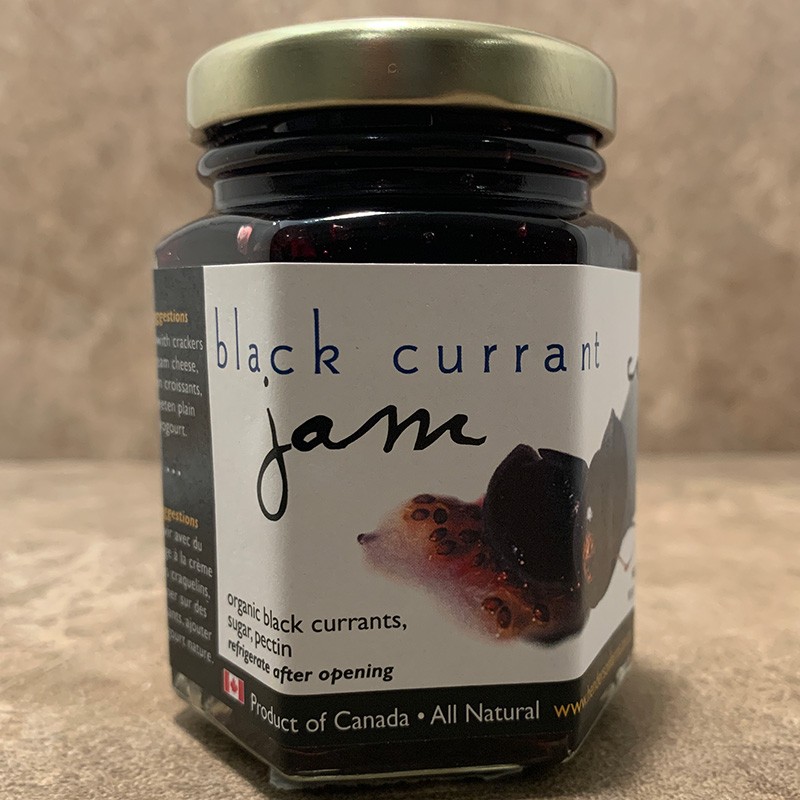
This complete step-by-step protocol for making black currant jam safely is designed for home cooks seeking to preserve the rich flavor of these berries with confidence. Following the right methods ensures not only a delicious product but also food safety, preventing spoilage and contamination. With precise instructions and expert tips, this guide will help you create perfect black currant jam every time.
What This Guide Covers (And What It Doesn’t)

This guide provides a comprehensive, step-by-step protocol for making black currant jam, featuring precise measurements, effective cooking techniques, and essential safety considerations to ensure a successful and safe jam-making experience. However, it does not delve into variations of black currant jam, other types of fruit preserves, or general canning methods outside of this specific recipe. For additional recipes or canning techniques, readers should consult specialized resources. This guide is tailored for home cooks with a basic familiarity with kitchen equipment, particularly those who may be new to the art of making jams or preserves.
Who Should Read This
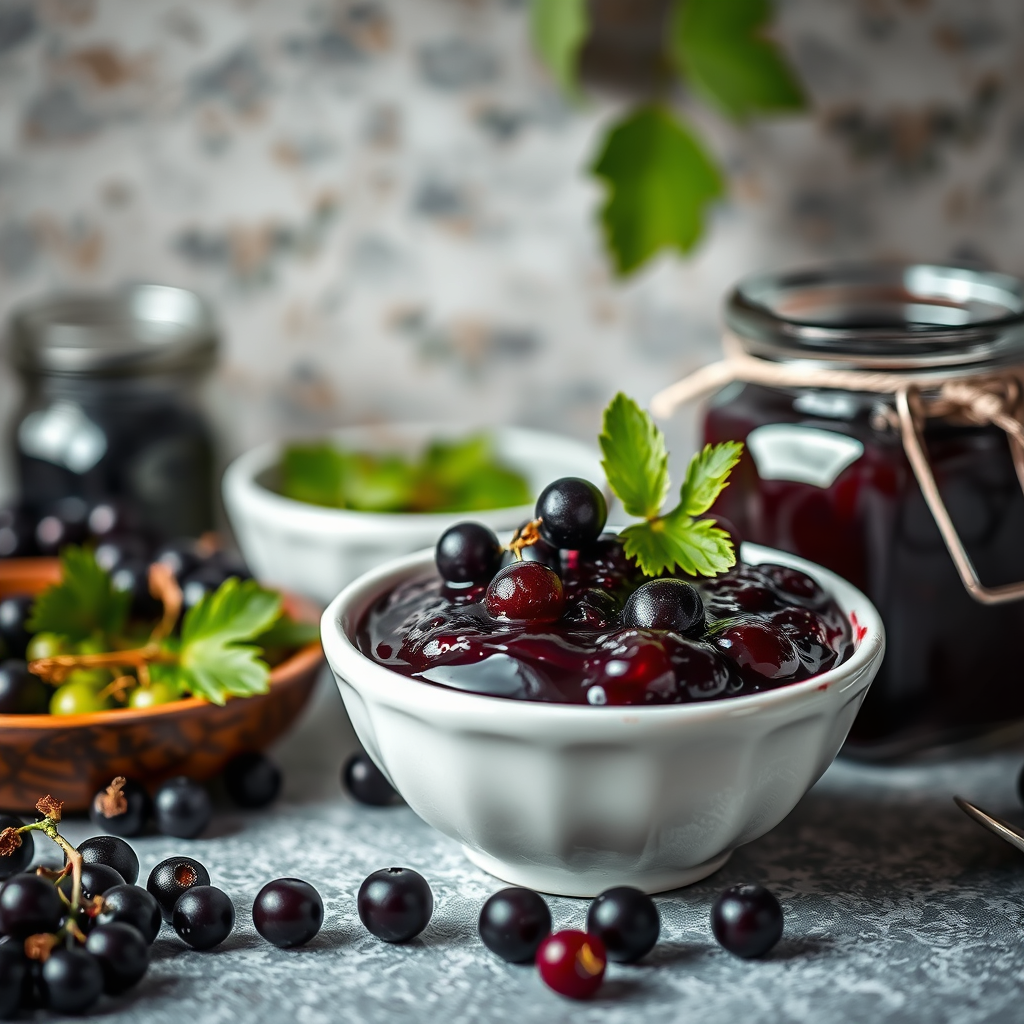
This guide is designed for home cooks eager to create a delicious and safe black currant jam. It’s particularly beneficial for those who enjoy preserving seasonal fruits or wish to enhance their culinary skills. Readers should possess a fundamental understanding of kitchen safety and hygiene, as well as the necessary equipment for jam-making, including pots, jars, and measuring tools. Those with dietary restrictions or allergies must ensure the suitability of the ingredients listed. Please note that this guide does not provide alternatives for specific dietary needs and focuses exclusively on traditional black currant jam preparation.
The Step-by-Step Protocol
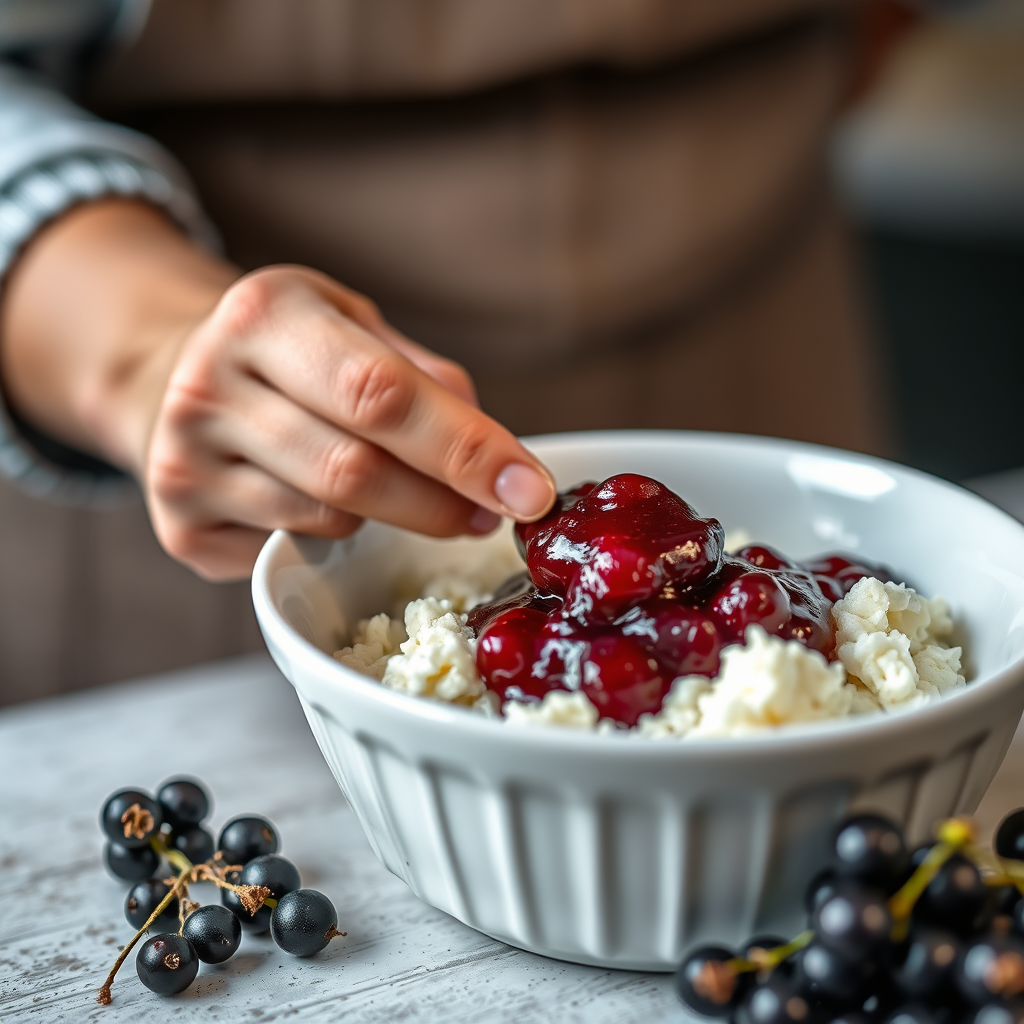
1. Gather Ingredients and Equipment: Collect 1 kg of fresh black currants, 750 g of granulated sugar, 250 ml of water, and prepare jars and lids for canning.
2. Prepare the Currants: Rinse the black currants under cool running water, removing any stems or leaves. Set aside in a colander to drain.
3. Cook the Jam Mixture: In a large saucepan, combine the black currants and water. Bring to a boil over medium heat, then reduce to low and simmer for 10-15 minutes until the berries soften and release their juices.
4. Add Sugar and Cook: Gradually stir in the sugar, ensuring it dissolves completely. Increase the heat to medium-high and bring the mixture to a rolling boil, stirring frequently for 10-15 minutes until it reaches a temperature of 105°C (220°F) on a candy thermometer.
5. Test the Consistency: Perform a gel test by placing a spoonful of the jam on a chilled plate. If it holds its shape after cooling for a minute, it is ready for canning.
6. Fill Jars and Seal: Pour the hot jam into sterilized jars, leaving a 1 cm headspace. Wipe the rims clean, place lids on, and screw on the bands fingertip-tight.
7. Process for Preservation: Process the jars in a boiling water bath for 10 minutes to ensure a proper seal and prevent spoilage. Allow jars to cool completely on a clean towel or cooling rack.
Nutritional Information for Black Currant Jam (per 100g)
| # | Nutrient | Amount | % Daily Value |
|---|---|---|---|
| 1 | Calories | 250 | 13% |
| 2 | Total Fat | 0g | 0% |
| 3 | Sodium | 1mg | 0% |
| 4 | Total Carbohydrates | 63g | 21% |
| 5 | Sugars | 59g | N/A |
| 6 | Protein | 0.5g | 1% |
| 7 | Vitamin C | 30mg | 50% |
Warning Signs: When Not to Follow This
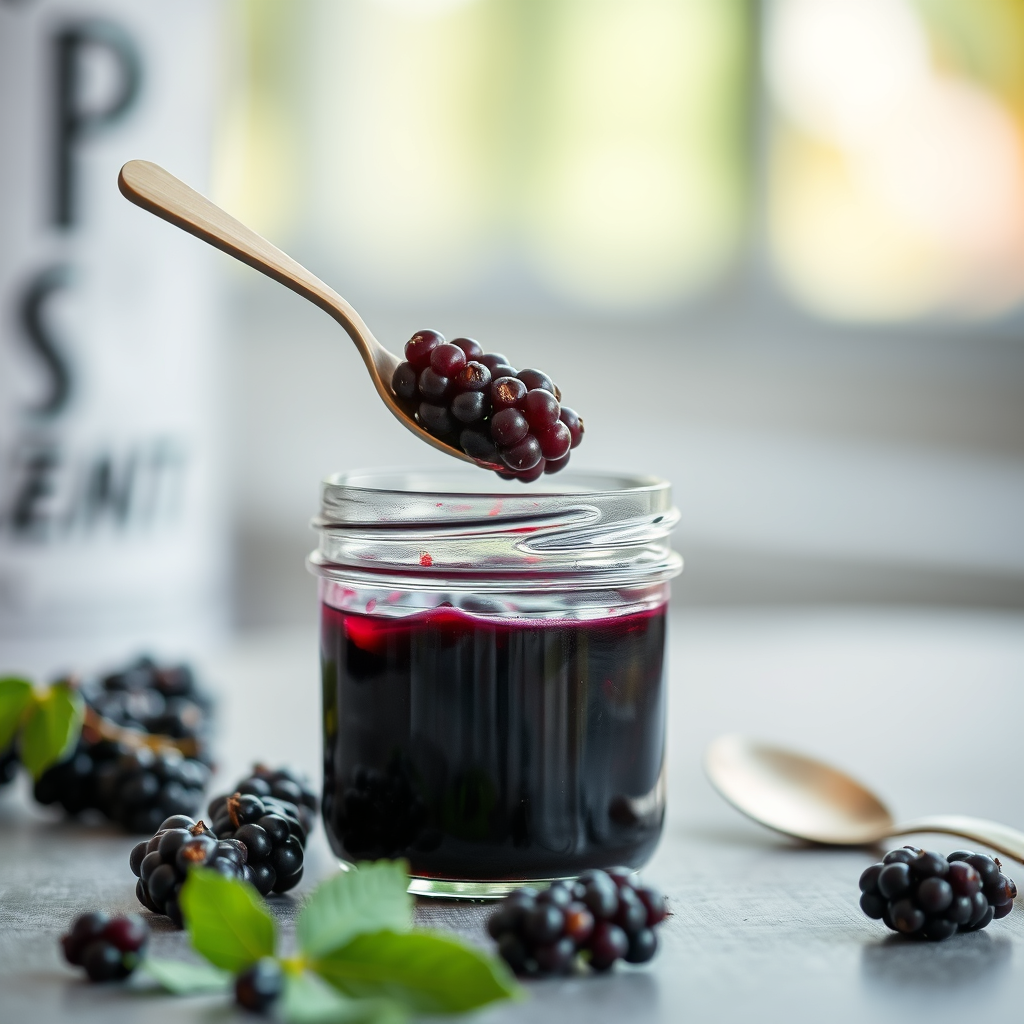
Be cautious and avoid following this protocol if you notice any signs of spoilage in your black currants, such as mold, off-smells, or discoloration, as these indicate that the fruit is no longer safe to use. Additionally, do not attempt this recipe if you cannot maintain proper kitchen hygiene and safety protocols; neglecting these measures could lead to contamination and health risks. If you lack the necessary canning equipment—like a water bath canner or properly sterilized jars—do not proceed, as improper sealing can result in spoilage and foodborne illness.
The Most Common Mistakes (And Their Consequences)
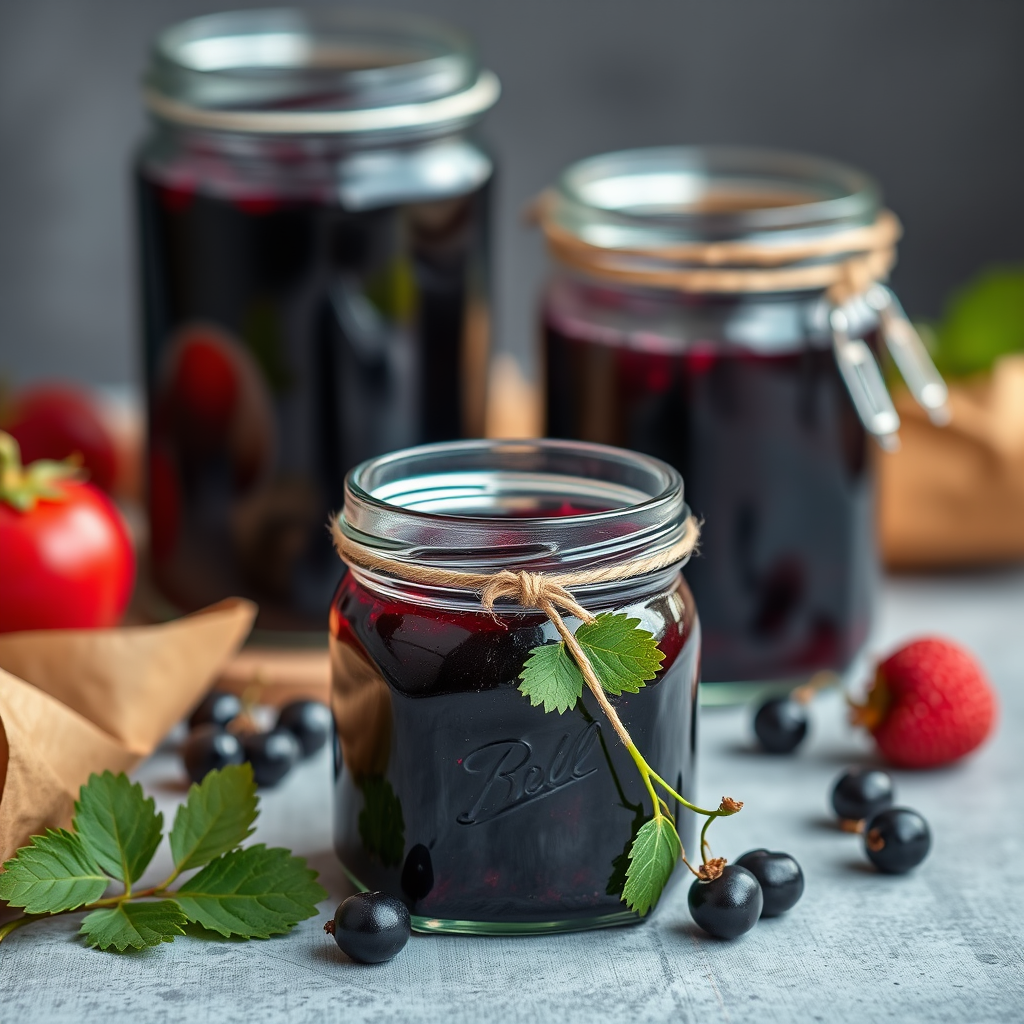
One frequent error is using overly ripe or damaged black currants, which can result in a jam that is excessively sweet and lacks the desired tartness. Always select firm, fresh berries. Additionally, failing to measure ingredients accurately can lead to a jam that does not set properly. For best results, use a kitchen scale to ensure precision, especially for sugar and fruit ratios. Skipping the gel test can also lead to a runny jam that lacks the right consistency. Always conduct this test prior to canning to avoid disappointment and wasted ingredients.
Special Cases That Need a Different Approach
If you are using frozen black currants, ensure they thaw completely and drain any excess liquid before following the recipe, as frozen berries may release more juice during cooking. For those with sugar restrictions, consider using a sugar substitute specifically formulated for jams, but keep in mind that this may alter the texture and flavor profile of the final product. If you are canning at high altitudes (above 1,000 feet), adjust the processing time and temperature to account for lower boiling points, usually necessitating an additional 5-10 minutes in the water bath.
When You Need a Professional
If you encounter any signs of spoilage in your black currants or finished jam, such as bulging lids, leaks, or mold growth, it’s crucial to consult a food safety expert or local extension office for proper guidance on safe disposal. Additionally, seek professional advice if you have questions about preserving methods, particularly if you plan to alter the recipe significantly, as this may affect safety. Should you experience allergic reactions or adverse effects after consuming homemade jam, contact a healthcare professional promptly to address your concerns.
Sources and Further Reading
For authoritative canning safety guidelines and procedures relevant to fruit preserves, refer to the USDA’s Complete Guide to Home Canning. Consult the National Center for Home Food Preservation for additional methods and recipes specifically focused on black currants and other fruit jams. For more detailed recipes and insights into the art of jam-making, explore “The Joy of Jams, Jellies, and Other Sweet Preserves” by Linda Ziedrich.
In conclusion, making black currant jam can be a rewarding experience, allowing you to savor the flavors of seasonal fruits throughout the year. By following this guide closely, you can ensure that your jam is both delicious and safe to enjoy. Happy jam-making!
Frequently Asked Questions
What ingredients do I need for a black currant jam recipe?
To make a delicious black currant jam, you will need fresh black currants, granulated sugar, and lemon juice. Typically, the ratio is about 1 part black currants to 1 part sugar, with a tablespoon of lemon juice added for acidity which helps balance the flavors and aids in preservation.
How do I prepare black currants for making jam?
Before making black currant jam, rinse the black currants thoroughly under cold water to remove any dirt or impurities. Remove the stems and any unripe berries, then mash the currants lightly to release their juices, making the cooking process easier and enhancing the flavor of your jam.
Why is my black currant jam not setting properly?
If your black currant jam isn’t setting, it might be due to insufficient cooking time or not enough sugar. Ensure that you boil the mixture to the right temperature (usually around 220°F or 104°C) and consider adding pectin if your currants are low in natural pectin, which is essential for a good set.
What is the best method for canning black currant jam?
The best method for canning black currant jam involves sterilizing your jars and lids in boiling water, filling them with the hot jam, and sealing them while still hot. Process the jars in a water bath for about 10 minutes to ensure they are properly sealed and can be stored safely for long periods.
Which spices can I add to enhance the flavor of black currant jam?
To enhance the flavor of your black currant jam, consider adding spices like cinnamon, cloves, or ginger. A pinch of cardamom can also add a unique twist; just be cautious with the amounts as these spices can overpower the natural tartness of the black currants.
References
- Blackcurrant
https://en.wikipedia.org/wiki/Blackcurrant - https://www.bbc.co.uk/food/blackcurrants
https://www.bbc.co.uk/food/blackcurrants - https://www.royalhorticulturalsociety.org.uk/advice/profile?pid=1048
https://www.royalhorticulturalsociety.org.uk/advice/profile?pid=1048 - Black currant raw foods
https://www.nutritionvalue.org/Black_currant%2C_raw_nutritional_value.html - https://www.ncbi.nlm.nih.gov/pmc/articles/PMC6856586/
https://www.ncbi.nlm.nih.gov/pmc/articles/PMC6856586/ - https://www.sciencedirect.com/topics/agricultural-and-biological-sciences/black-currant
https://www.sciencedirect.com/topics/agricultural-and-biological-sciences/black-currant - https://www.healthline.com/nutrition/black-currants
https://www.healthline.com/nutrition/black-currants - https://www.sciencedirect.com/science/article/abs/pii/S0958694618300679
https://www.sciencedirect.com/science/article/abs/pii/S0958694618300679 - Google Scholar Google Scholar
https://scholar.google.com/scholar?q=recipe+for+black+currant+jam - Google Scholar Google Scholar
https://scholar.google.com/scholar?q=black+currant+preserves+health+benefits