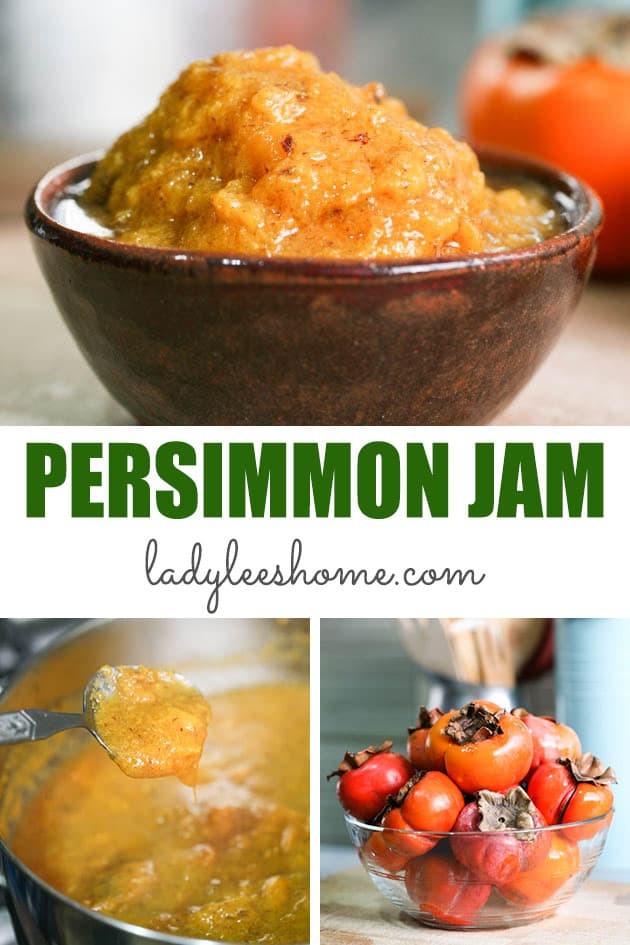
Persimmon jam recipes require precise techniques to ensure safety and flavor, making this expert guide essential for home canners. Covering everything from selecting the right persimmons to proper sterilization methods, this resource empowers you to create delicious, shelf-stable jams. Following the recommended protocols not only enhances taste but also safeguards against foodborne illnesses, ensuring a successful canning experience.
What This Guide Covers (And What It Doesn’t)
This guide provides an in-depth methodology for making persimmon jam, covering everything from ingredient selection to preparation and preservation techniques. Emphasizing safe canning practices, it also includes storage recommendations and a variety of persimmon jam recipes to cater to different tastes. However, it does not delve into unrelated fruit jams, general canning practices not specific to persimmons, or commercial production methods.
Who Should Read This
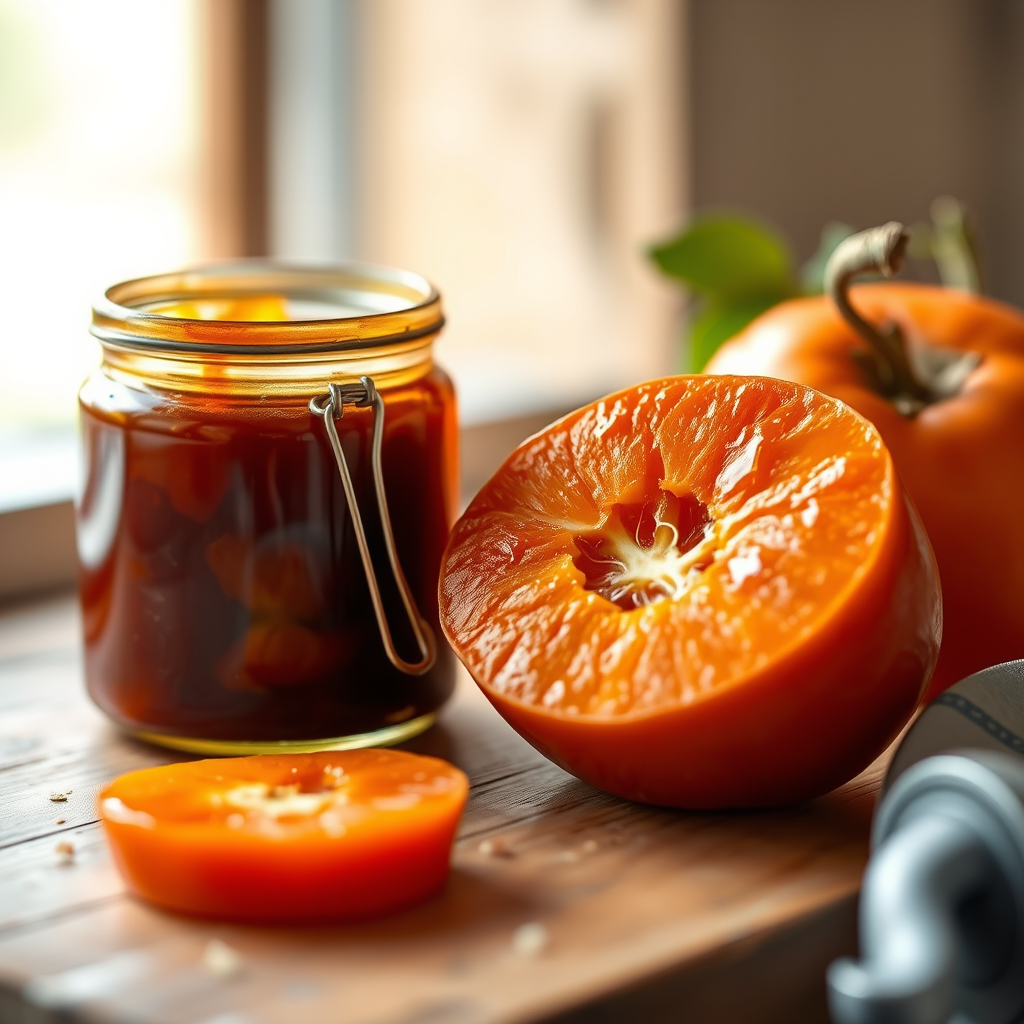
This guide is designed for home canners who possess a basic understanding of jam-making and are eager to explore the unique flavor of persimmons. It is particularly suited for those familiar with kitchen safety and sanitation practices, especially individuals interested in fruit preservation. Beginners lacking experience in canning may find this guide somewhat challenging; it’s advisable for them to first familiarize themselves with essential jam-making techniques before attempting persimmon jam.
The Step-by-Step Protocol
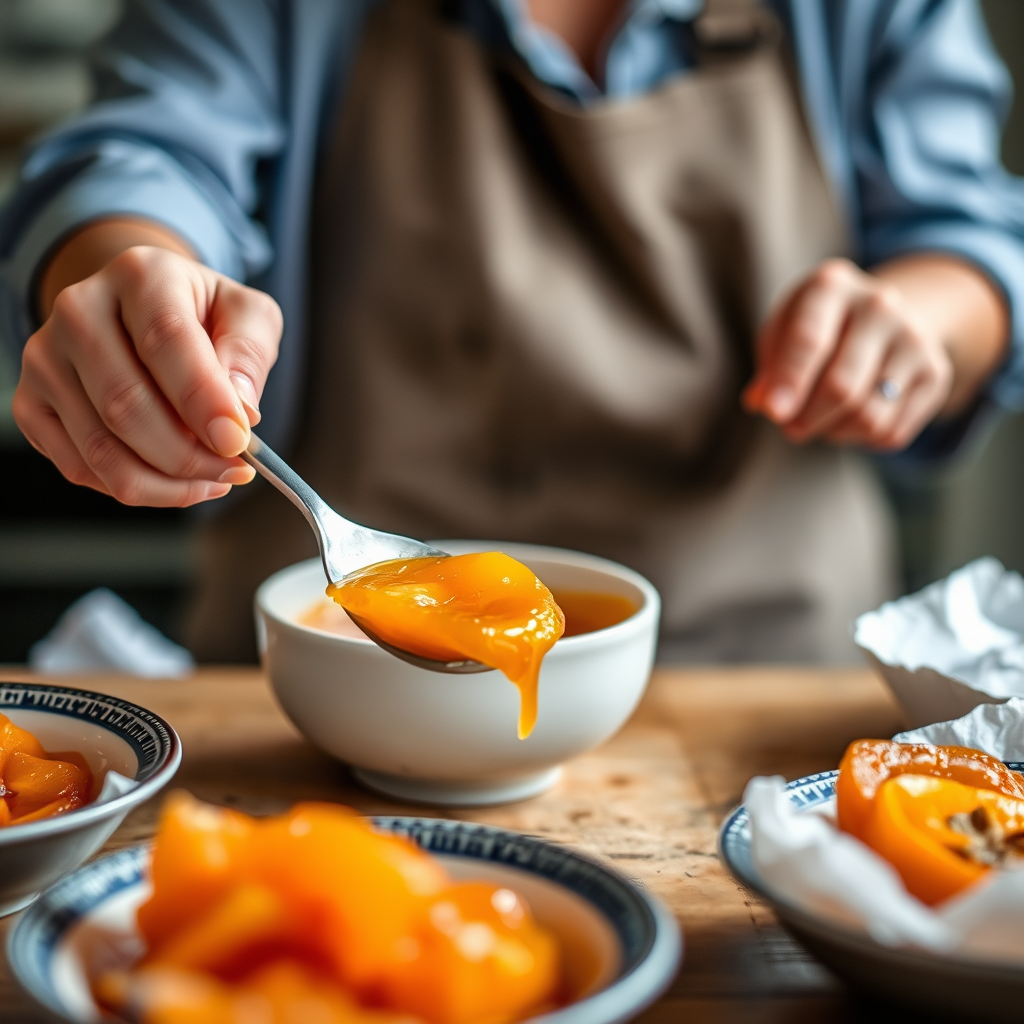
1. Selecting Persimmons: Choose ripe Hachiya or Fuyu persimmons, ensuring they are blemish-free. You will need approximately 2 pounds to yield 4 cups of mashed fruit.
2. Preparing the Fruit: Wash, peel, and remove any hard stems from the persimmons. Use a potato masher or food processor to mash the fruit until smooth.
3. Cooking the Jam: In a large pot, combine the mashed persimmons with 1 cup of granulated sugar and the juice of 1 lemon. Bring the mixture to a boil over medium heat, stirring constantly.
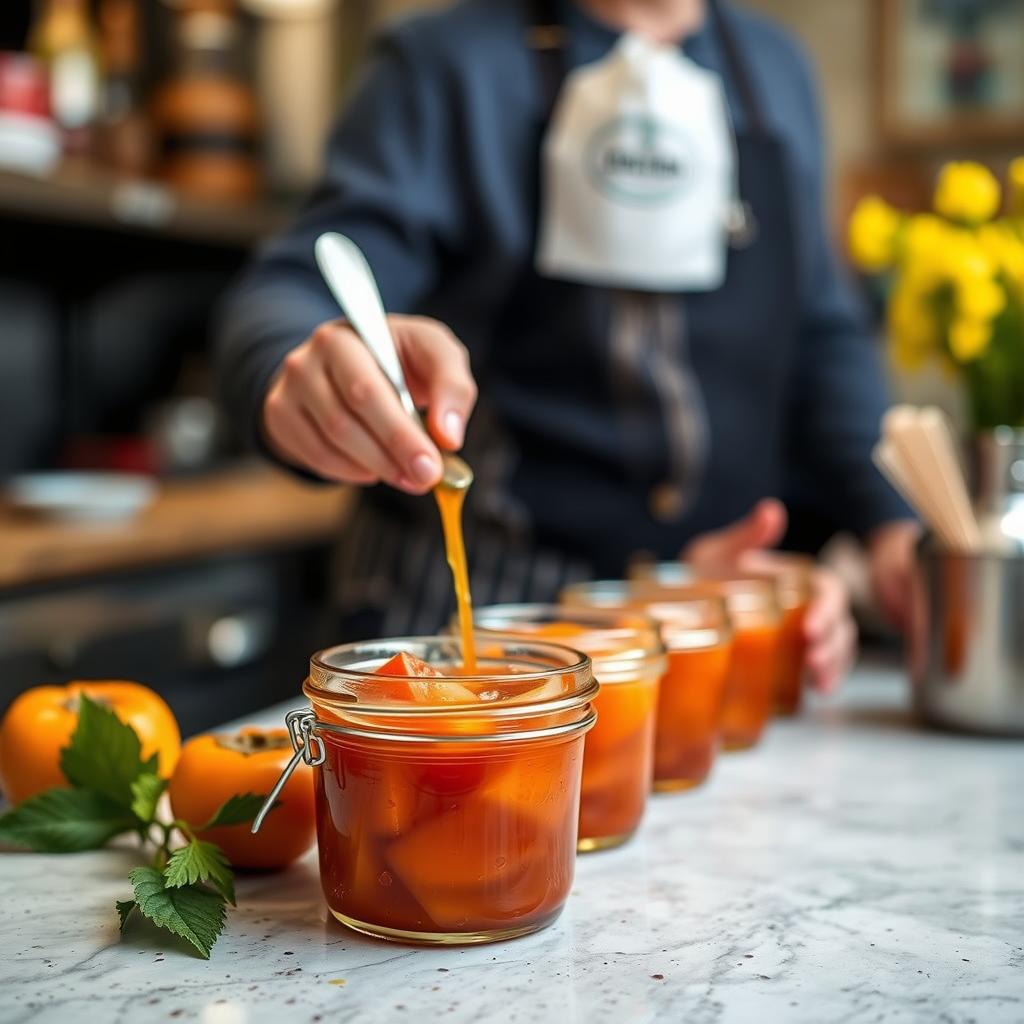
4. Canning Process: Once the jam reaches 220°F (the gel point), pour it into sterilized jars, leaving 1/4 inch of headspace. Seal with sterilized lids and process in a boiling water bath for 10 minutes.
Persimmon Jam Recipe Variations
| # | Recipe Variation | Sugar (cups) | Lemon Juice (tbsp) | Pectin Type |
|---|---|---|---|---|
| 1 | Classic Persimmon Jam | 1 | 2 | Regular Pectin |
| 2 | Low-Sugar Persimmon Jam | 3/4 | 2 | Low-Sugar Pectin |
| 3 | Spiced Persimmon Jam | 1 | 2 | Regular Pectin |
| 4 | Vanilla Persimmon Jam | 1 | 1 | Regular Pectin |
| 5 | Persimmon Ginger Jam | 1 | 2 | Regular Pectin |
| 6 | Persimmon Citrus Jam | 1 | 2 | Regular Pectin |
| 7 | Persimmon Apple Jam | 1 | 2 | Regular Pectin |
Warning Signs: When Not to Follow This
– Avoid making persimmon jam if you observe any signs of spoilage in the fruit, such as mold, off odors, or excessive softness. These indicators can compromise the quality and safety of your jam.
– Do not attempt to can persimmon jam without proper canning equipment like a pressure canner or boiling water bath canner, as inadequate processing may lead to unsafe results.
– If health conditions hinder your ability to handle food safely, such as a compromised immune system, it may be wise to reconsider making jam at home.
The Most Common Mistakes (And Their Consequences)
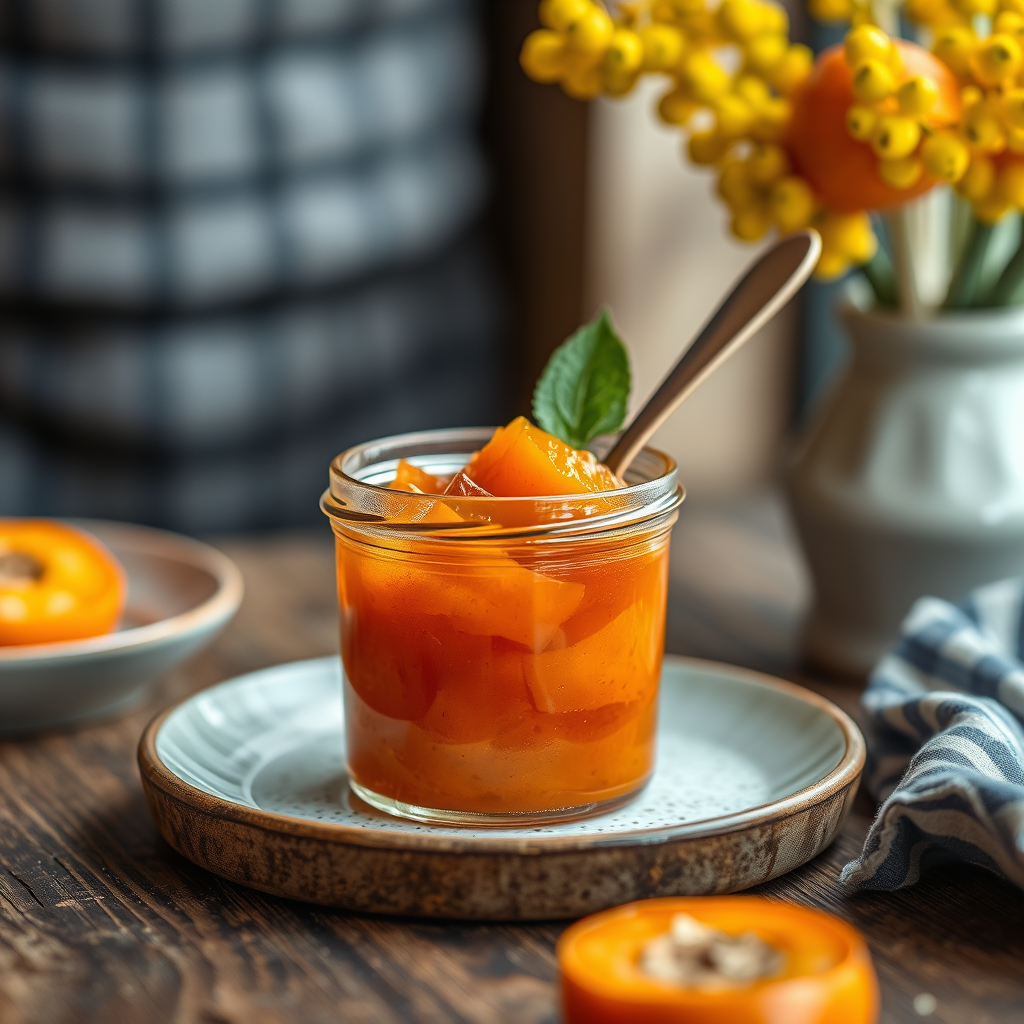
– One frequent error is using unripe fruit, which yields a jam lacking in sweetness and flavor. Always opt for fully ripe persimmons for the best results.
– Neglecting to sterilize jars and lids properly can lead to contamination, resulting in spoilage or foodborne illnesses. Always adhere to safe canning practices.
– Inaccurate sugar measurements can hinder proper gelling. Stick to the recommended ratio of 1 cup of sugar per 4 cups of mashed persimmons for optimal results.
Special Cases That Need a Different Approach
– If using overripe persimmons, reduce the amount of sugar by 1/4 cup to balance the natural sweetness and enhance the flavor.
– For those with dietary restrictions, consider low-sugar pectin or alternative sweeteners, adjusting the recipe according to each product’s specific instructions for setting time.
– In high-altitude areas, increase the processing time by 5 minutes in a boiling water bath to ensure proper sealing and safety.
When You Need a Professional
– Seek professional advice if you notice unusual fermentation or bubbling in the jars after canning, which may indicate unsafe levels of bacteria.
– If you are uncertain about the acidity level of your persimmon jam (ideally around pH 4.6), consult a food scientist or local extension service for testing and recommendations.
– In the event of allergic reactions to persimmons or any ingredients used in the jam, consult a healthcare professional for guidance on safe food practices.
Sources and Further Reading
– National Center for Home Food Preservation: Guidelines for Safe Canning and Preservation Techniques.
– “The Joy of Jams, Jellies, and Other Sweet Preserves” by Linda Ziedrich: A comprehensive guide to fruit preserves with specific sections on persimmons.
– USDA Complete Guide to Home Canning: Essential for understanding food safety standards and practices in home canning.
Frequently Asked Questions
What are the best types of persimmons to use for making jam?
The best types of persimmons for jam are Fuyu and Hachiya. Fuyu persimmons are firm and sweet, making them ideal for chunkier jams, while Hachiya persimmons are soft and rich in flavor, perfect for smooth, spreadable jams. Choose ripe fruits for optimal sweetness and flavor in your persimmon jam recipes.
How do I prepare persimmons for jam making?
To prepare persimmons for jam making, start by washing the fruit thoroughly. Remove the stems and any blemishes, then peel the skin if desired—especially for Hachiya persimmons, as the skin can be tough. Next, chop the fruit into small pieces, which will help it break down more easily during the cooking process.
Why is my persimmon jam too runny?
If your persimmon jam turns out too runny, it may be due to insufficient cooking time or not enough pectin. Ensure that the jam is boiled long enough to reach the desired thickness, and consider adding commercial pectin to help it set properly. Always use ripe, high-quality persimmons for better consistency.
What is the best recipe for homemade persimmon jam?
A simple and delicious persimmon jam recipe includes 4 cups of mashed ripe persimmons, 2 cups of sugar, the juice of one lemon, and 1/4 cup of water. Cook the mixture over medium heat until it thickens, stirring frequently, then pour it into sterilized jars. This recipe highlights the natural sweetness of persimmons while ensuring a perfect texture.
Which spices can enhance the flavor of persimmon jam?
To enhance the flavor of persimmon jam, consider adding spices such as cinnamon, nutmeg, or ginger. These spices complement the sweetness of the persimmons and add warmth to the jam. Start with a small amount, about 1/2 teaspoon, and adjust according to your taste preferences for a uniquely spiced persimmon jam.
References
- Persimmon
https://en.wikipedia.org/wiki/Persimmon - https://www.sciencedirect.com/topics/agricultural-and-biological-sciences/persimmon
https://www.sciencedirect.com/topics/agricultural-and-biological-sciences/persimmon - https://www.ncbi.nlm.nih.gov/pmc/articles/PMC5121503/
https://www.ncbi.nlm.nih.gov/pmc/articles/PMC5121503/ - Persimmon | Description & Species | Britannica
https://www.britannica.com/plant/persimmon - Google Scholar Google Scholar
https://scholar.google.com/scholar?q=persimmon+jam+recipes - Google Scholar Google Scholar
https://scholar.google.com/scholar?q=persimmon+cooking+methods - Google Scholar Google Scholar
https://scholar.google.com/scholar?q=persimmon+preservation+techniques - https://www.ncbi.nlm.nih.gov/pmc/articles/PMC6141342/
https://www.ncbi.nlm.nih.gov/pmc/articles/PMC6141342/ - https://www.foodnetwork.com/recipes/persimmon-jam-3364252
https://www.foodnetwork.com/recipes/persimmon-jam-3364252 - https://www.ars.usda.gov/oc/br/archives/persimmons/
https://www.ars.usda.gov/oc/br/archives/persimmons/