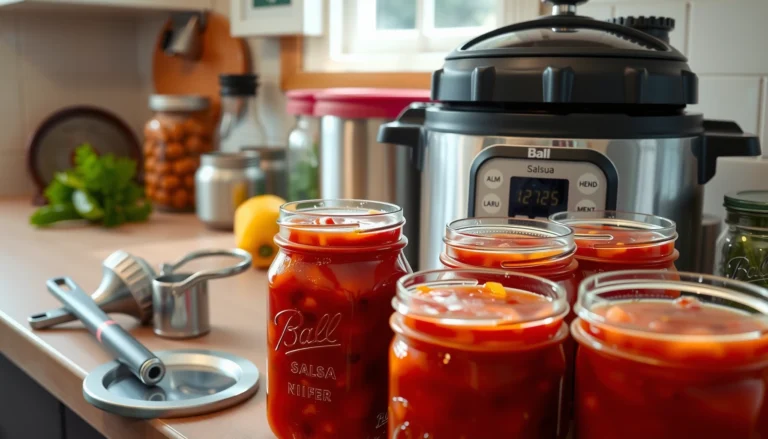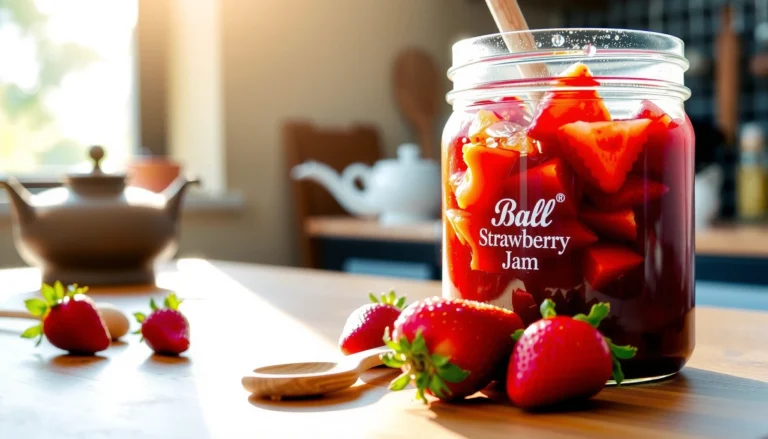
Master the art of making jam with this complete expert guide, designed for both novice cooks and seasoned preservers. This step-by-step protocol covers essential techniques, ingredient selection, and safety measures to ensure your homemade jam is not only delicious but also safe for consumption. Following the right procedures is crucial to prevent spoilage and ensure quality, making this guide an indispensable resource for your culinary success.
What This Guide Covers (And What It Doesn’t)
This guide offers a thorough, step-by-step protocol for safely making homemade jam. From essential ingredients and equipment to crucial techniques, you’ll find everything you need for successful preservation. Featuring various fruit jam recipes, it emphasizes the importance of selecting the right pectin, sugar ratios, and acidity levels to ensure a safe and delicious final product. Tailored for home canners eager to enhance their food preservation skills, this guide focuses on safety and quality in jam-making, but it does not address commercial jam production methods.
Who Should Read This
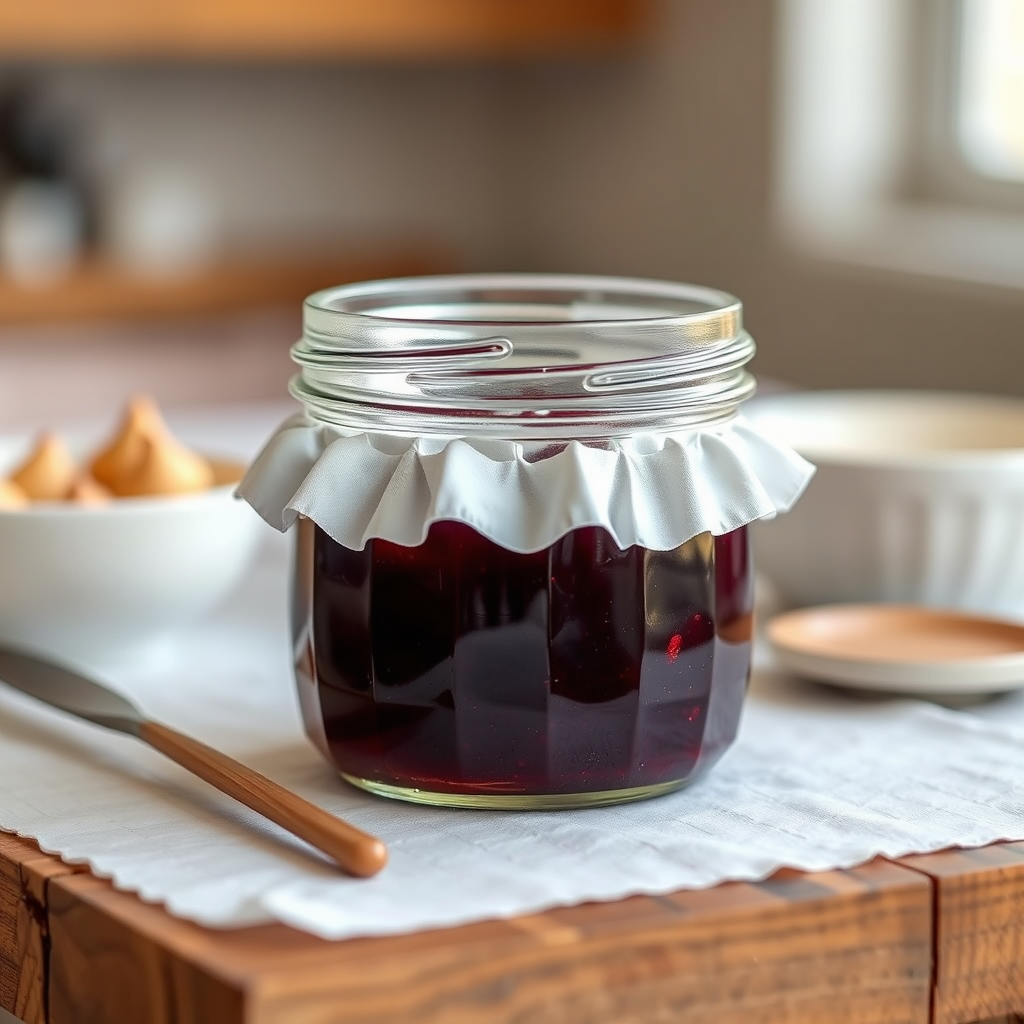
This guide is designed for home cooks who possess a basic understanding of kitchen practices and wish to refine their skills in food preservation, particularly in making fruit jams. Readers should have prior experience with boiling and basic cooking techniques, along with familiarity in using kitchen tools like measuring cups, spoons, and canning equipment. It is not intended for individuals with medical conditions requiring strict dietary restrictions regarding sugar or those with allergies to specific fruits or preservatives.
The Step-by-Step Protocol
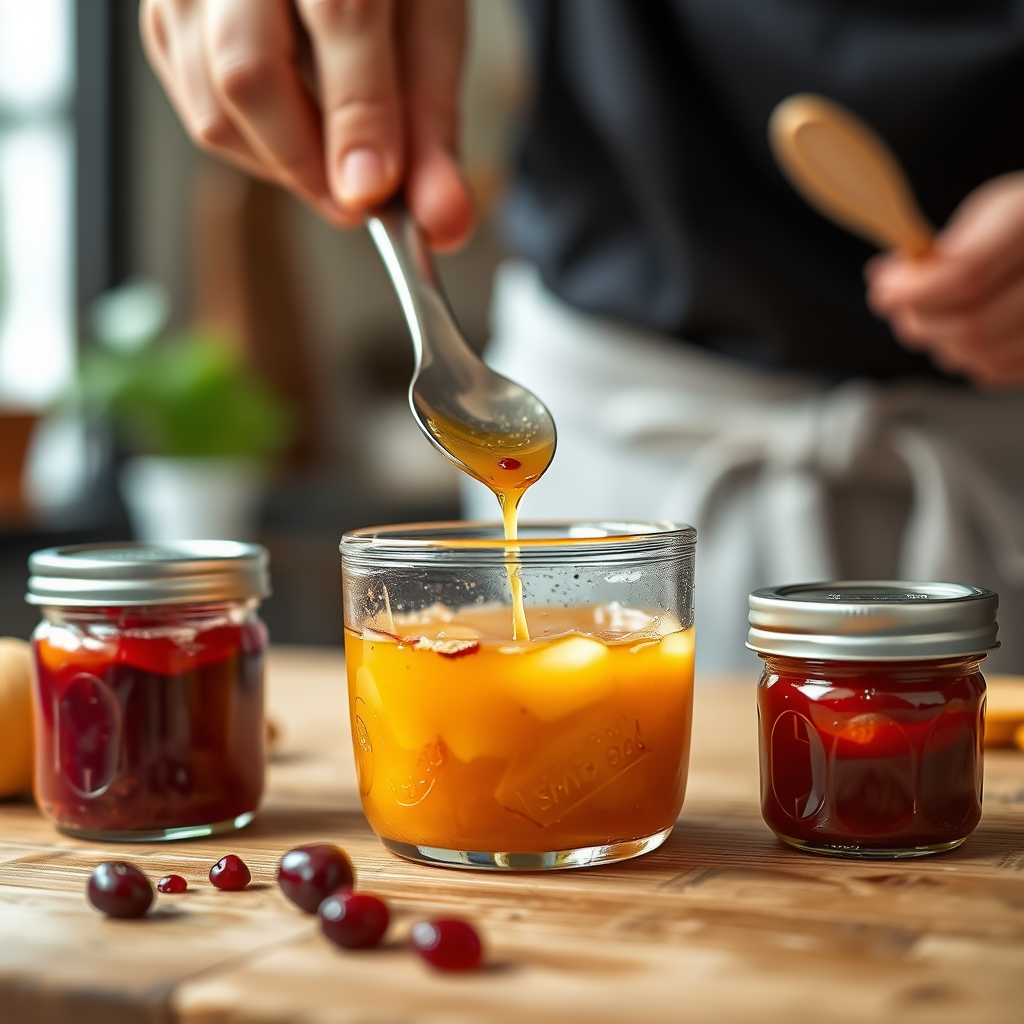
1. Choose Your Fruit: Begin by selecting ripe, fresh fruits such as strawberries, raspberries, or peaches. Ensure the fruit is free from bruises or blemishes. You will need approximately 2 lbs of fruit to yield 4-5 jars of jam.
2. Prepare the Fruit: Wash, hull, and chop the fruit as necessary. Measure out 4 cups of prepared fruit for optimal jam consistency. For fruits with high water content, such as watermelon, consider slightly reducing the amount.
3. Cook the Jam Mixture: In a large pot, combine the prepared fruit with 1 cup of granulated sugar and 1 packet (1.75 oz) of pectin. Stir over medium heat until the mixture reaches a rolling boil. Once boiling, maintain the heat and boil for 1-2 minutes while stirring continuously. This step activates the pectin necessary for gelling.
4. Jar the Jam: Sterilize your canning jars by boiling them for at least 10 minutes. Ladle the hot jam into the jars, leaving 1/4 inch of headspace at the top. Wipe the rims of the jars with a clean cloth to remove any residue before sealing with sterilized lids.
5. Process the Jars: Place the filled jars in a boiling water bath canner. Ensure the water covers the jars by at least 1 inch. Process for 5-10 minutes, depending on altitude (at higher altitudes, increase processing time by 1 minute for every 1,000 feet above sea level).
6. Cool and Store: After processing, carefully remove the jars from the canner and place them on a clean towel or cooling rack. Allow them to cool completely for 12-24 hours. Once cooled, check that the lids have sealed properly (the lid should not flex when pressed). Store the sealed jars in a cool, dark place. Unsealed jars can be refrigerated and consumed within a few weeks.
Common Fruits Used in Jam Making (2024)
| # | Fruit | Sugar (per 4 cups) | Pectin Type | Acidity Level |
|---|---|---|---|---|
| 1 | Strawberries | 1 cup | Regular | 3.2 |
| 2 | Raspberries | 1 cup | Regular | 3.1 |
| 3 | Peaches | 1 cup | Regular | 3.0 |
| 4 | Blueberries | 1 cup | Regular | 3.2 |
| 5 | Blackberries | 1 cup | Regular | 3.2 |
| 6 | Figs | 1 cup | Regular | 4.0 |
| 7 | Cherries | 1 cup | Regular | 3.5 |
Warning Signs: When Not to Follow This
Avoid making jam with overripe or moldy fruit, as this can lead to spoilage and foodborne illness. If you notice any signs of fermentation or bubbling in the jam mixture during cooking, discard it immediately, as this indicates improper preparation. Refrain from using low-sugar or sugar substitutes unless following a tested recipe specifically designed for these alternatives, as they can disrupt the gelling process and compromise safety.
The Most Common Mistakes (And Their Consequences)
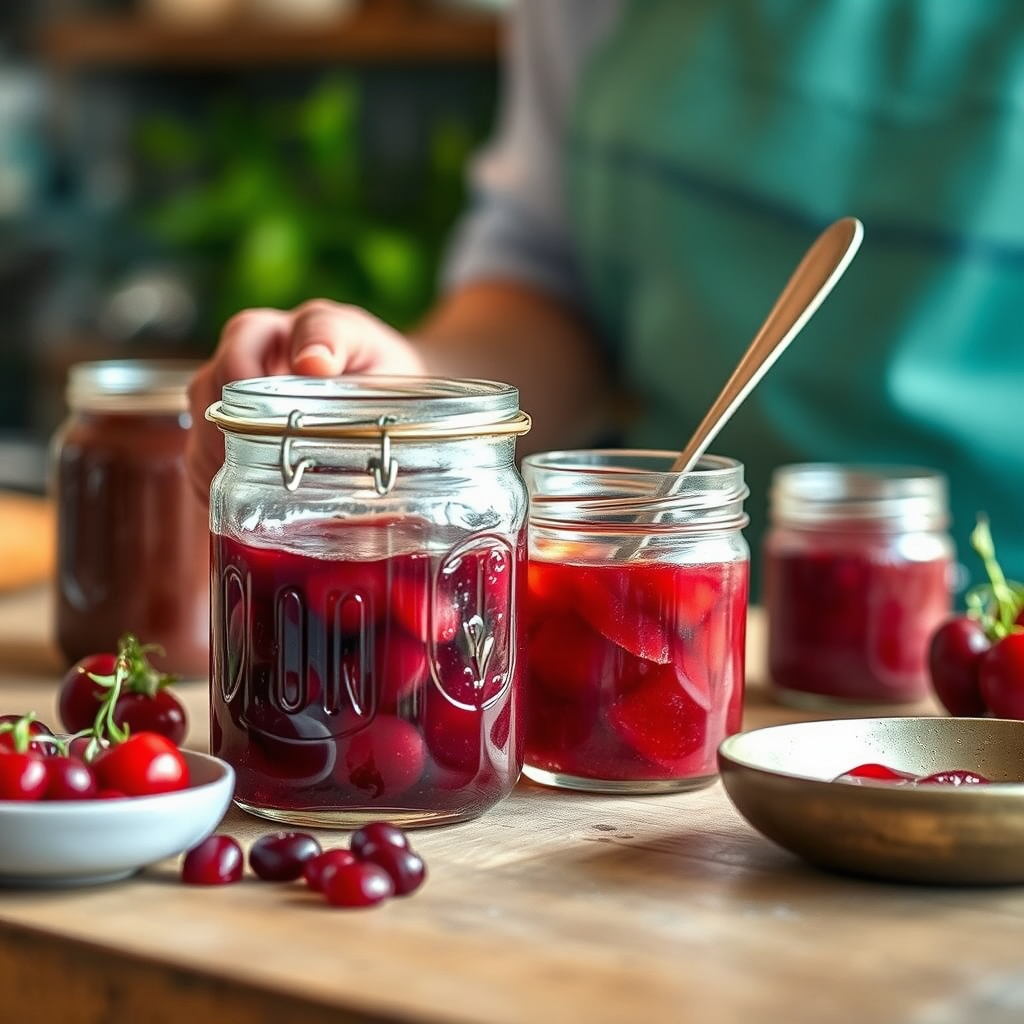
Many home canners overlook the importance of measuring the acidity of the fruit, which can result in improper preservation and potential spoilage. Use a pH meter to verify that the mixture is at or below 4.6 for safety. Skipping the sterilization of jars can lead to bacterial contamination; always ensure jars are freshly sterilized before filling to maintain food safety. Additionally, using incorrect pectin types or disregarding the manufacturer’s instructions may result in jam that fails to set, resulting in a syrupy texture instead of a firm jam.
Special Cases That Need a Different Approach
For low-sugar jams, specific recipes that utilize special pectin designed for lower sugar content are essential. Follow these guidelines closely to ensure proper gelling and preservation. If you’re working with unconventional fruits like elderberries or certain citrus peels, it’s crucial to research specific preservation methods, as they may require additional steps to eliminate toxins or enhance flavor. For those interested in creating jam with herbs or spices, such as basil-infused strawberry jam, it’s important to adhere to tested recipes to maintain safe acidity levels.
When You Need a Professional
In cases of severe allergies or dietary restrictions, it’s wise to consult a professional food preservationist who can tailor recipes to accommodate specific needs safely. If you suspect that your homemade jam has spoiled or notice unusual smells, colors, or textures after canning, seek advice from a food safety expert to assess its safety for consumption. Moreover, when engaging in large-scale canning or preservation projects beyond personal use, consulting with local food safety authorities or licensed canning specialists is advisable to ensure compliance with safety standards.
Sources and Further Reading
– USDA’s Complete Guide to Home Canning provides detailed guidelines on food preservation and canning safety.
– The National Center for Home Food Preservation offers research-based information on safe preservation methods, including jam and jelly recipes.
– “Ball Complete Book of Home Preserving” is a comprehensive resource that includes tested recipes and techniques for making various types of jams, jellies, and preserves.
Frequently Asked Questions
What ingredients do I need for a basic homemade jam recipe?
To make a basic homemade jam, you’ll need fresh fruit, granulated sugar, and pectin. For most recipes, a 1:1 ratio of fruit to sugar is typical, but this can vary depending on the natural sweetness of the fruit. Pectin is essential for achieving the desired gel-like consistency, so be sure to check if you need to use liquid or powdered pectin based on your fruit type.
How do I properly sterilize jars for jam making?
To properly sterilize jars for jam making, wash them in hot, soapy water, then rinse thoroughly. Place the clean jars in a preheated oven at 225°F (107°C) for about 10 minutes or boil them in a pot of water for 10 minutes. This ensures that your jars are free from bacteria, which is crucial for preserving your jam effectively.
Why does my homemade jam not set properly?
If your homemade jam does not set properly, it could be due to insufficient pectin or improper cooking time. Ensure you use the right amount of pectin according to the fruit’s natural pectin content and follow the cooking times closely. Additionally, make sure you’re using ripe, high-quality fruit for the best results in setting.
What is the best fruit for making jam?
The best fruit for making jam includes berries like strawberries, blueberries, and raspberries, as well as stone fruits like peaches and apricots. These fruits have a good balance of sweetness and acidity, which helps achieve the perfect flavor and texture. Choose ripe, fresh fruit to maximize flavor and ensure proper gelling during the jam-making process.
Which method is best for making low-sugar jam?
The best method for making low-sugar jam is to use fruit that is naturally high in pectin, such as apples or cranberries, and to incorporate alternative sweeteners like honey or agave syrup. You can also use low-sugar pectin, which allows you to reduce the sugar content without sacrificing the jam’s consistency. Always follow a tested recipe to ensure that your low-sugar jam sets properly.
References
- Fruit preserves
https://en.wikipedia.org/wiki/Jam - Expert Resources | CAES Field Report
https://www.uga.edu/extension/publications/food/jam_and_jelly.pdf - https://www.oregon.gov/odf/privateforests/Documents/Resource_Management/jam.pdf
https://www.oregon.gov/odf/privateforests/Documents/Resource_Management/jam.pdf - https://www.ncbi.nlm.nih.gov/pmc/articles/PMC7074824/
https://www.ncbi.nlm.nih.gov/pmc/articles/PMC7074824/ - https://www.extension.iastate.edu/publications/pm-1407.pdf
https://www.extension.iastate.edu/publications/pm-1407.pdf - https://www.sciencedirect.com/topics/agricultural-and-biological-sciences/jam
https://www.sciencedirect.com/topics/agricultural-and-biological-sciences/jam - Google Scholar Google Scholar
https://scholar.google.com/scholar?q=making+jam+recipe - Google Scholar Google Scholar
https://scholar.google.com/scholar?q=jam+recipes - Google Scholar Google Scholar
https://scholar.google.com/scholar?q=fruit+preservation+techniques - making jam recipe – Search results
https://en.wikipedia.org/wiki/Special:Search?search=making+jam+recipe