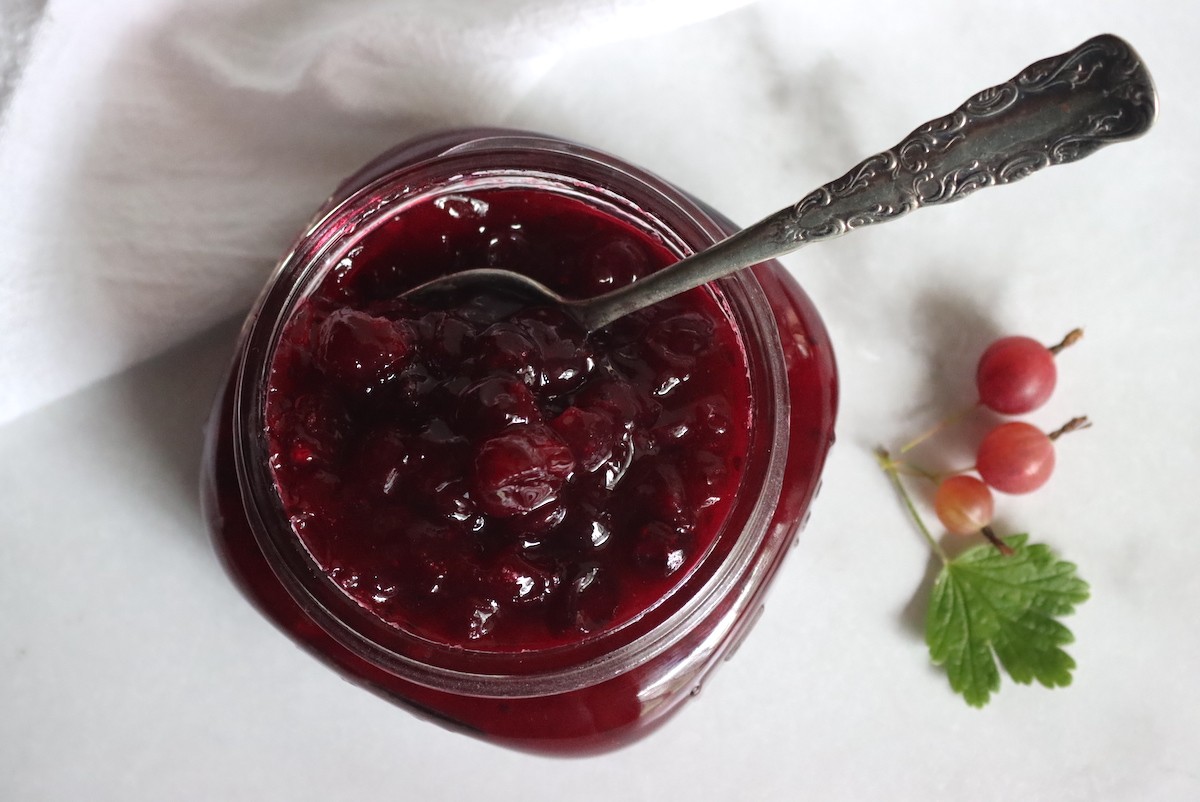
Mastering the art of making gooseberry jam requires a precise protocol to ensure safety and flavor. This expert guide details the step-by-step process for crafting delicious, homemade gooseberry jam, emphasizing the importance of proper preparation and preservation techniques. Following these guidelines not only results in a delectable spread but also guarantees food safety for you and your loved ones.
What This Guide Covers (And What It Doesn’t)

This guide offers a comprehensive, step-by-step protocol for safely making gooseberry jam, detailing the essential ingredients, equipment, and techniques that guarantee a successful outcome. It emphasizes traditional methods and safety practices for home canning, adhering to the food safety standards set by the USDA. However, this guide does not delve into alternative recipes for gooseberry jam, such as low-sugar or no-pectin versions, nor does it cover methods that stray from safe canning practices, like refrigerator jams.
Who Should Read This

Designed for home cooks who possess a basic understanding of canning and jam-making, this guide is perfect for those eager to enhance their skills using gooseberries, a fruit celebrated for its tart flavor. It caters to individuals who have previously made preserves or jams and are familiar with essential equipment like water bath canners, jars, and lids. Beginners in canning may find value in following the detailed protocol and safety measures outlined herein, but they should also seek beginner resources for foundational knowledge.
The Step-by-Step Protocol

1. Ingredients Preparation: Measure 2 pounds of fresh gooseberries, 3 cups of granulated sugar, and 1/4 cup of lemon juice. Rinse the gooseberries thoroughly under running water to eliminate any dirt and pesticides. Remove the stems and discard any unripe or damaged berries. This meticulous preparation ensures that only the highest quality fruit is used in your jam.
2. Cooking the Mixture: In a large, heavy-bottomed pot, combine the prepared gooseberries, sugar, and lemon juice. Heat the mixture over medium heat, stirring frequently until the sugar dissolves. Once dissolved, increase the heat to bring the mixture to a rolling boil, reaching approximately 220°F. This temperature is crucial for achieving the desired gel consistency.
3. Testing for Doneness: To check for doneness, use the cold plate test. Place a small amount of the hot jam on a chilled plate, then return it to the freezer for about 1 minute. Afterward, run your finger through the jam. If it holds its shape and does not immediately run back together, it is ready for canning. If it does not pass the test, continue boiling the mixture for another 3-5 minutes before testing again.
4. Canning Process: Sterilize your canning jars and lids by boiling them in water for at least 10 minutes. Fill each jar with the hot gooseberry jam, leaving a 1/4-inch headspace at the top. Wipe the rims of the jars with a clean, damp cloth to remove any residue that could prevent a proper seal. Place the sterilized lids on the jars and screw on the metal bands until they are fingertip-tight. Process the jars in a boiling water bath for 10 minutes to ensure they seal properly.
5. Cooling and Storing: After processing, carefully remove the jars using jar tongs and place them on a clean kitchen towel or a wire rack to cool completely. Once cool, check the seals; the lids should not flex when pressed. Store the sealed jars in a cool, dark place. Properly canned gooseberry jam can last for up to a year.
Gooseberry Jam Nutritional Profile per 1 Tablespoon
| # | Nutrient | Amount | % Daily Value |
|---|---|---|---|
| 1 | Calories | 50 | 2% |
| 2 | Total Fat | 0g | 0% |
| 3 | Sodium | 0mg | 0% |
| 4 | Total Carbohydrates | 13g | 4% |
| 5 | Sugars | 12g | 12% |
| 6 | Protein | 0g | 0% |
| 7 | Vitamin C | 3mg | 5% |
Warning Signs: When Not to Follow This

– If your gooseberries show signs of spoilage, such as mold, soft spots, or an off smell, they should not be used, as they may compromise the safety of the jam.
– Avoid this protocol if you lack proper canning equipment, such as a water bath canner and sterilized jars, as this can lead to contamination.
– If you have allergies to any of the ingredients listed (gooseberries, sugar, or lemon juice), this recipe is not safe for you to follow.
The Most Common Mistakes (And Their Consequences)
– Skipping the sterilization of jars can lead to bacterial growth, resulting in spoilage or foodborne illness in the final product. Always ensure jars are properly sterilized before use.
– Not measuring ingredients accurately can affect the jam’s set and flavor; too much sugar can make it overly sweet, while too little may hinder proper gelling. Use a kitchen scale for best results.
– Failing to adhere to processing times in the water bath can result in jars that do not seal properly, increasing the risk of spoilage during storage. Always follow the recommended processing time based on your altitude.
Special Cases That Need a Different Approach
– If using frozen gooseberries, thaw them completely and drain excess liquid before incorporating them into the recipe to avoid excess moisture, which can affect the jam’s consistency. This ensures that the final product achieves the desired texture.
– For those living at high altitudes (above 1,000 feet), increase the processing time by 1 additional minute for every 1,000 feet above sea level to ensure proper sealing and safety. This adjustment is vital for successful preservation.
– If you desire a lower sugar content, consider using a pectin specifically designed for low-sugar recipes and adjust the cooking time according to package instructions. This modification allows for a healthier alternative while maintaining the jam’s integrity.
When You Need a Professional
– If you encounter any issues with the canning process, such as jars not sealing properly after the recommended processing time, consult a local extension office for guidance on safe canning practices. They can provide valuable resources and troubleshooting tips.
– If you suspect foodborne illness from consuming your jam, seek medical attention immediately, especially if symptoms like nausea, vomiting, or diarrhea arise. These symptoms may indicate contamination.
– For individuals with underlying health conditions that may be affected by homemade preserves (such as diabetes), consult a nutritionist to tailor the recipe to your dietary needs. This step ensures that you can enjoy your homemade jam without compromising your health.
Sources and Further Reading
– USDA Complete Guide to Home Canning, which provides comprehensive safety standards for canning fruits and preserves.
– National Center for Home Food Preservation, offering updated research-based information on home canning practices and methods.
– “The Joy of Cooking” and “Ball Complete Book of Home Preserving,” both of which contain trusted recipes and guidelines for making jams and jellies safely.
Frequently Asked Questions
What ingredients do I need for a basic gooseberry jam recipe?
To make a basic gooseberry jam, you will need fresh gooseberries, granulated sugar, and lemon juice. A common ratio is about 4 cups of gooseberries to 2 cups of sugar and the juice of one lemon, which helps to balance the tartness of the berries and aids in the gelling process.
How do I prepare gooseberries for making jam?
Preparing gooseberries for jam involves washing them thoroughly to remove any dirt or debris. Additionally, you should remove the stems and any damaged berries. For a smoother texture, some people choose to simmer the gooseberries for a few minutes before making the jam.
Why is my gooseberry jam not setting properly?
If your gooseberry jam is not setting, it could be due to insufficient pectin, not cooking it long enough, or using unripe berries. Ensure that you use ripe gooseberries and consider adding commercial pectin if needed, as well as allowing the jam to boil for an adequate time to reach the proper consistency.
What is the best way to store homemade gooseberry jam?
The best way to store homemade gooseberry jam is in sterilized glass jars with airtight lids. After sealing, store the jars in a cool, dark place, and once opened, keep the jam in the refrigerator where it can last for up to three weeks.
Which types of dishes pair well with gooseberry jam?
Gooseberry jam pairs wonderfully with a variety of dishes, including toast, scones, and yogurt. It also makes an excellent condiment for meats like pork or duck, providing a tart contrast that enhances the overall flavor profile of the meal.
References
- Gooseberry
https://en.wikipedia.org/wiki/Gooseberry - Gooseberry jam recipe | Good Food
https://www.bbcgoodfood.com/recipes/gooseberry-jam - https://www.sciencedirect.com/topics/food-science/gooseberry
https://www.sciencedirect.com/topics/food-science/gooseberry - https://pubmed.ncbi.nlm.nih.gov/19900049/
https://pubmed.ncbi.nlm.nih.gov/19900049/ - Gooseberries raw (Ribes uva-crispa) foods
https://www.nutritionvalue.org/Gooseberries%2C_raw%2C_%28Ribes_uva-crispa%29_nutritional_value.html - https://www.theguardian.com/food/2021/jun/12/how-to-make-gooseberry-jam-recipe
https://www.theguardian.com/food/2021/jun/12/how-to-make-gooseberry-jam-recipe - Google Scholar Google Scholar
https://scholar.google.com/scholar?q=gooseberry+jam+recipe - Google Scholar Google Scholar
https://scholar.google.com/scholar?q=gooseberry+preservation - Google Scholar Google Scholar
https://scholar.google.com/scholar?q=gooseberry+jam+health+benefits - gooseberry jam recipe – Search results
https://en.wikipedia.org/wiki/Special:Search?search=gooseberry+jam+recipe