The complete expert guide to safely canning blueberry jam provides step-by-step instructions tailored for both novice and seasoned preservers. This comprehensive resource covers essential techniques, safety protocols, and tips for achieving the perfect consistency and flavor in your jam. Adhering to proper canning methods is crucial to prevent spoilage and ensure your delicious blueberry preserves are safe for consumption.
What This Guide Covers (And What It Doesn’t)
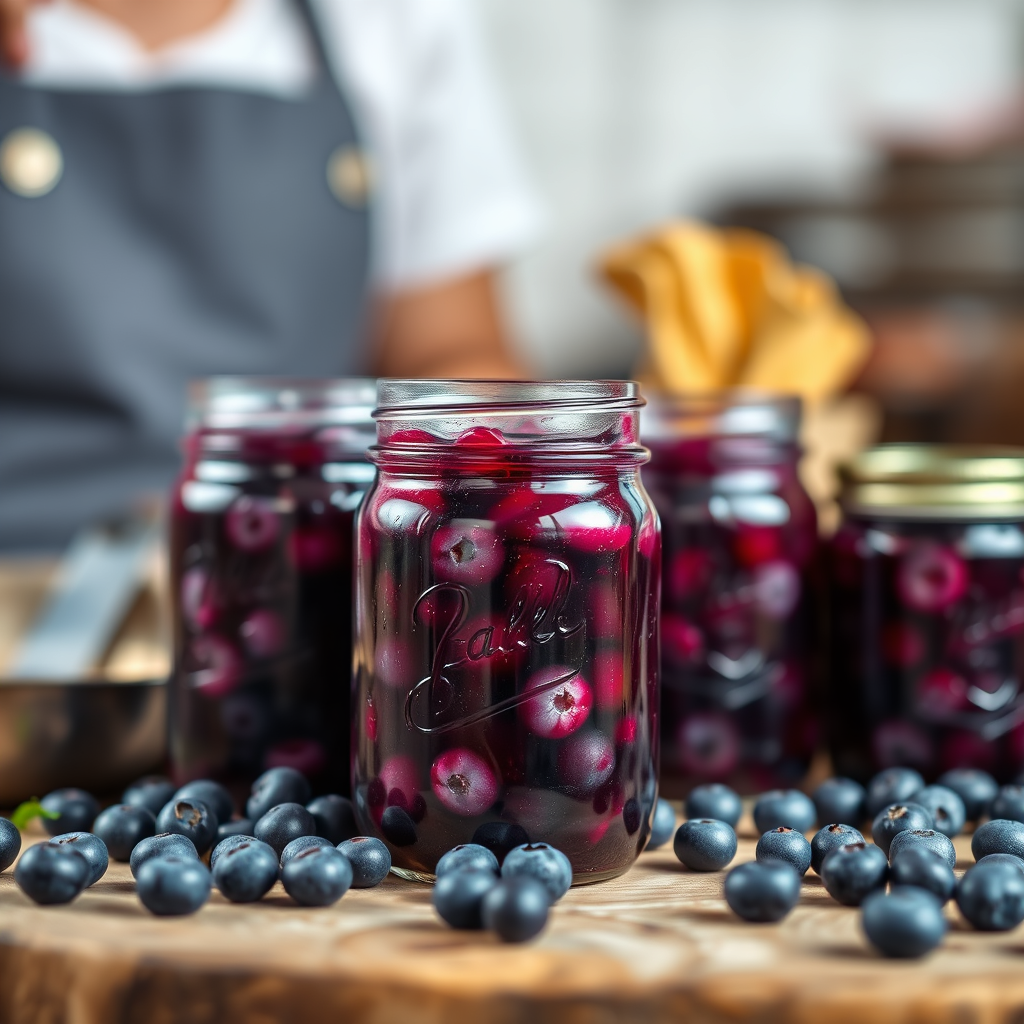
This guide offers an in-depth, expert protocol for safely canning blueberry jam. It details the necessary ingredients, equipment, and step-by-step instructions, emphasizing the science behind canning blueberry jam. Key topics include pH levels, processing times, and safe storage practices to guarantee shelf stability. However, this guide does not address canning methods for other fruits or alternative jam recipes; it is solely focused on blueberry jam and the specific nuances involved in its preservation.
Who Should Read This

If you have a basic understanding of food preservation techniques and wish to expand your skills with a specific blueberry jam recipe, this guide is for you. It targets those with access to fresh blueberries and canning supplies who are committed to following safety protocols to ensure their canned goods are safe for consumption. However, if you are new to canning or unfamiliar with basic food safety principles, further preliminary research may be necessary before diving into this guide.
The Step-by-Step Protocol
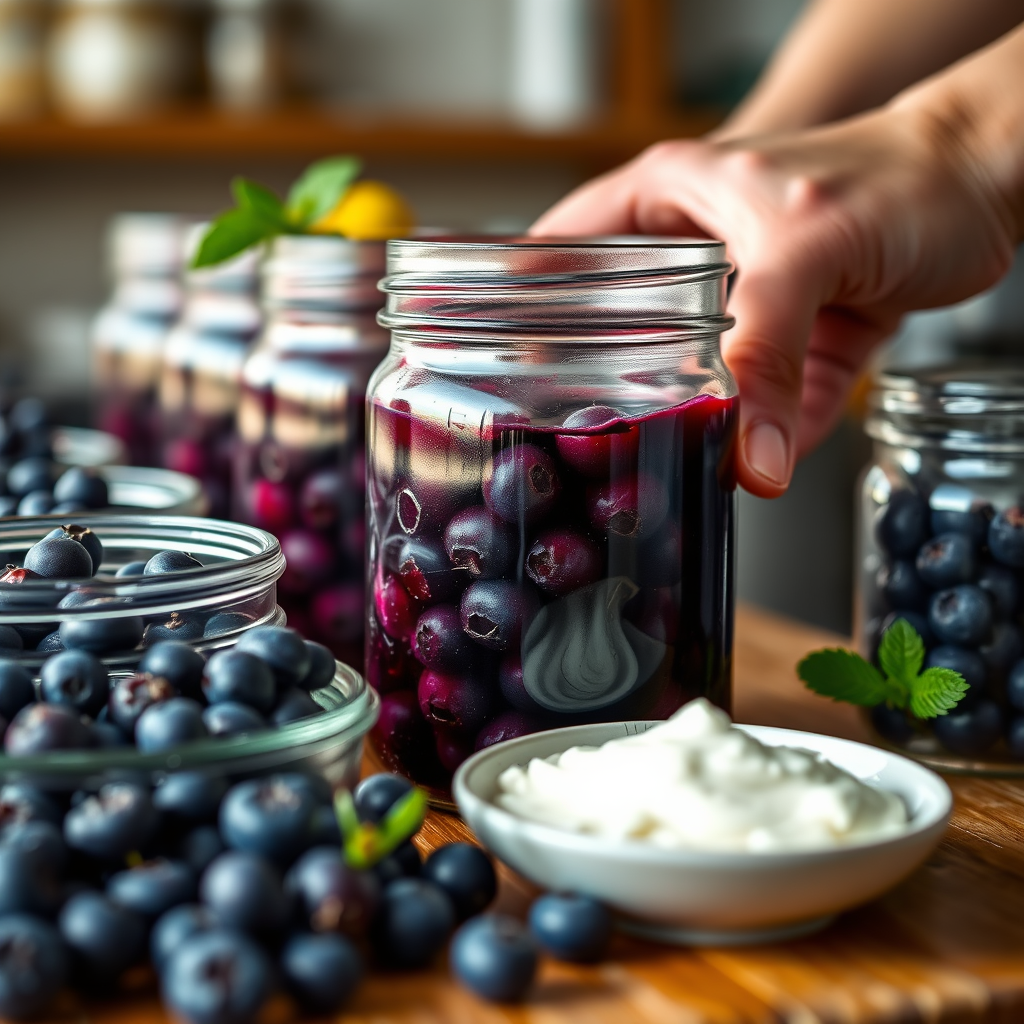
1. Gather Ingredients:
– Use 4 cups of fresh blueberries, 1 cup of granulated sugar, and 1/4 cup of freshly squeezed lemon juice to ensure proper acidity. The lemon juice should have a pH of 2.0 to 3.0, which is essential for safe preservation.
2. Prepare Equipment:
– Sterilize 5 half-pint canning jars and lids by boiling them in water for 10 minutes. After boiling, allow them to dry on a clean towel. Ensure you have a water bath canner or a large pot that accommodates the jars while leaving at least 1-2 inches of water above them during processing.
3. Cook the Jam:
– In a large saucepan, combine the blueberries, sugar, and lemon juice. Cook over medium heat, stirring frequently, until the mixture reaches a rolling boil (approximately 10 minutes). This step helps dissolve the sugar and releases the natural pectin in the blueberries.
4. Check Consistency:
– Use a candy thermometer to ensure the mixture reaches 220°F (104°C) for the correct gel consistency. Alternatively, perform the plate test by placing a spoonful of the mixture on a chilled plate and observing for a gel-like texture after a minute; it should wrinkle when pushed with a finger.
5. Fill the Jars:
– Once the jam reaches the desired consistency, remove it from heat. Pour the hot jam into the sterilized jars, leaving 1/4 inch of headspace at the top. Wipe the rims of the jars with a clean, damp cloth to remove any residue.
6. Seal the Jars:
– Place the sterilized lids on each jar and screw on the metal bands until they are fingertip-tight. Avoid over-tightening, as air needs to escape during processing.
7. Process the Jars:
– Place the jars in the boiling water bath canner. Ensure the water covers the jars by at least 1-2 inches. Bring the water to a rolling boil and process for 10 minutes. For high-altitude canning (above 1,000 feet), increase the processing time by 1 minute for every 1,000 feet in elevation.
8. Cool and Store:
– After processing, carefully remove the jars from the water bath using jar tongs and place them on a clean kitchen towel or cooling rack. Leave them undisturbed for 12-24 hours. Once cooled, check the seals by pressing the center of each lid; if it does not flex up and down, the jar has sealed properly. Store sealed jars in a cool, dark place.
Nutritional Information for Blueberry Jam (per tablespoon)
| # | Nutrient | Amount | % Daily Value | Calories |
|---|---|---|---|---|
| 1 | Total Carbohydrates | 15g | 5% | 60 |
| 2 | Total Sugars | 12g | N/A | 50 |
| 3 | Dietary Fiber | 0g | 0% | 0 |
| 4 | Protein | 0g | 0% | 0 |
| 5 | Vitamin C | 1mg | 2% | 4 |
| 6 | Calcium | 2mg | 0% | 4 |
| 7 | Iron | 0mg | 0% | 0 |
Warning Signs: When Not to Follow This
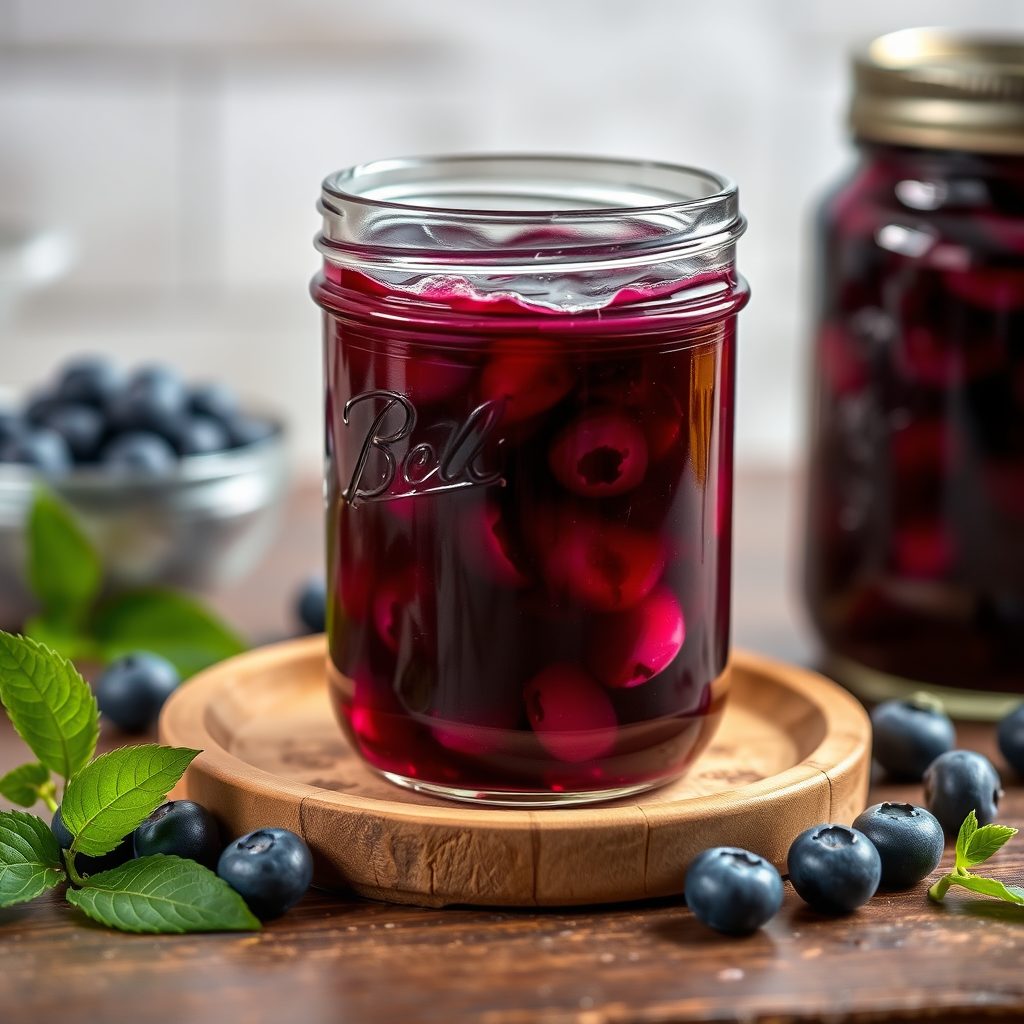
Avoid attempting this recipe if your blueberries show signs of mold, spoilage, or improper storage, as these issues can compromise the safety of the jam. Additionally, refrain from canning if your jars or lids are dented, rusted, or otherwise damaged, as this can lead to seal failure and spoilage. It’s crucial to use reliable equipment; without a dependable pressure canner or water bath canner, your food preservation efforts may be unsafe.
The Most Common Mistakes (And Their Consequences)
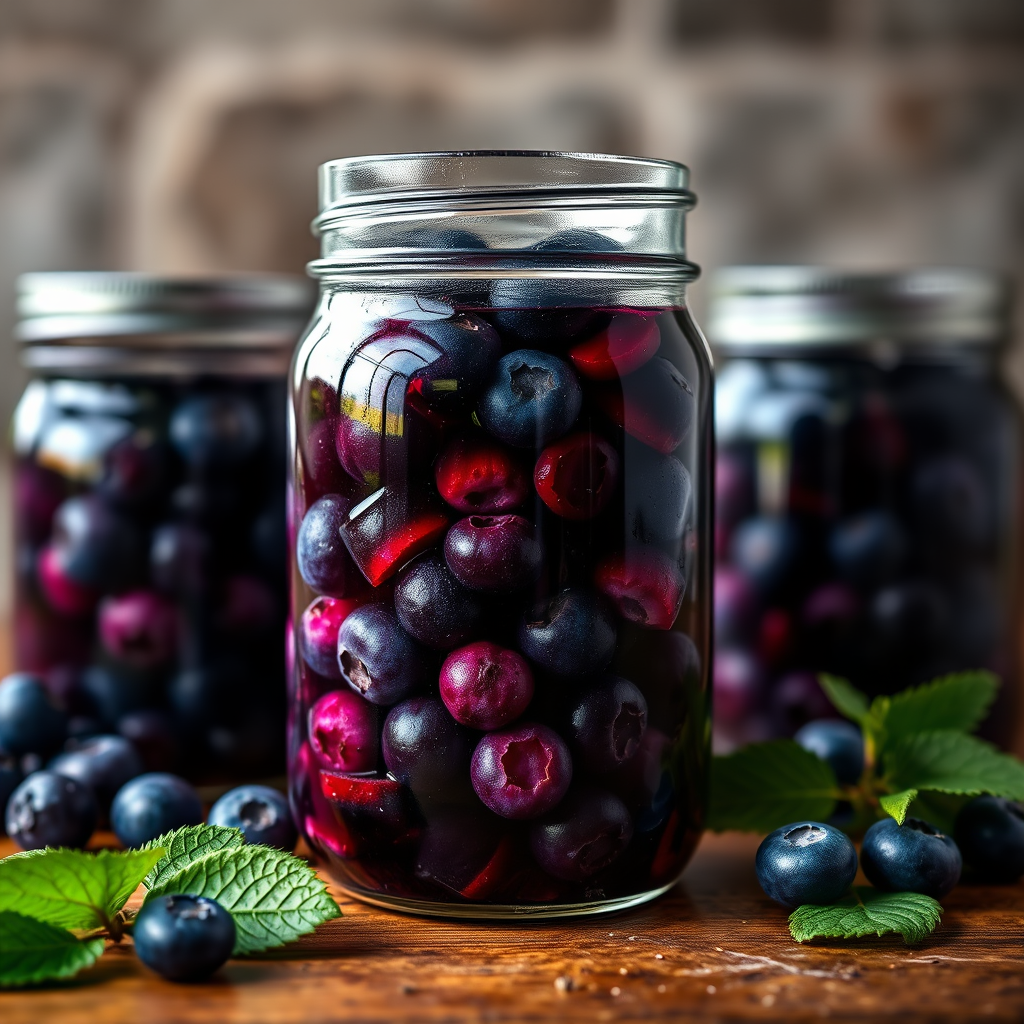
A frequent pitfall among home canners is skipping the sterilization step for jars, which increases the risk of bacterial growth and spoilage in the final product. Failing to accurately measure acidity can result in unbalanced pH levels, potentially leading to foodborne illnesses such as botulism. Many also underestimate the cooking time, causing the jam to remain too runny; reaching the correct temperature is vital for proper gel formation.
Special Cases That Need a Different Approach
If you are using frozen blueberries, be sure to thaw and drain them before use to avoid excess moisture, which can affect the jam’s consistency. For those with dietary restrictions, granulated sugar can be replaced with low-sugar pectin alternatives, though this may influence the flavor and texture of the jam. If you are canning at high altitudes (above 1,000 feet), adjust processing times and temperatures in accordance with USDA guidelines for altitude adjustments.
When You Need a Professional
If you have doubts about your canning equipment or are new to canning, consult a professional food preservation expert; proper guidance is essential for ensuring food safety. Should you notice any signs of spoilage—such as bulging lids, off smells, or mold—in your canned jam, do not taste it. Instead, seek advice from a food safety authority immediately. Furthermore, if you plan to distribute or sell your blueberry jam, collaborating with a licensed food processor or extension service is vital to ensure compliance with local health regulations.
Sources and Further Reading
For scientifically backed methods and safety protocols regarding blueberry jam and other preserves, refer to the USDA Complete Guide to Home Canning. The National Center for Home Food Preservation offers detailed information on pH levels and safe canning practices specific to fruit jams. Additionally, consider exploring publications from state extension services that provide localized canning guidelines and recipes, ensuring compliance with regional food safety standards.
Frequently Asked Questions
What ingredients do I need for a blueberry jam canning recipe?
To make blueberry jam, you’ll need fresh blueberries, granulated sugar, lemon juice, and pectin. It’s essential to use ripe blueberries for the best flavor and to ensure the jam sets properly with the right amount of pectin.
How do I prepare blueberries for canning jam?
Start by rinsing the blueberries thoroughly under cold water to remove any dirt or debris. After that, remove any stems and blemished berries, then mash the blueberries to release their juices, which will help the jam cook evenly and develop a rich flavor.
Why is it important to use pectin in my blueberry jam canning recipe?
Pectin is crucial in blueberry jam canning because it helps the jam achieve the desired thick consistency. Without pectin, the jam may remain too runny, and using the right amount will ensure a perfect set while preserving the natural flavor of the blueberries.
What is the best way to can blueberry jam safely?
The best way to can blueberry jam safely is to follow the water bath canning method. This involves filling sterilized jars with hot jam, sealing them with lids, and processing them in boiling water for a specified time to eliminate any bacteria and ensure a proper seal for long-term storage.
Which jars are recommended for canning blueberry jam?
For canning blueberry jam, it’s recommended to use glass canning jars specifically designed for preserving, such as Mason jars. These jars come in various sizes and are made to withstand the heat from the canning process, ensuring your jam stays fresh and safe to consume.
References
- Preservation
https://en.wikipedia.org/wiki/Preserving - https://nchfp.uga.edu/how/can_03/blueberry_jam.html
https://nchfp.uga.edu/how/can_03/blueberry_jam.html - https://extension.umn.edu/preserving-and-preparing/blueberry-jam-recipe
https://extension.umn.edu/preserving-and-preparing/blueberry-jam-recipe - https://www.foodsafety.gov/food-safety-charts/canning-vegetables
https://www.foodsafety.gov/food-safety-charts/canning-vegetables - https://www.uga.edu/
https://www.uga.edu/ - Google Scholar Google Scholar
https://scholar.google.com/scholar?q=blueberry+jam+canning+recipe - Google Scholar Google Scholar
https://scholar.google.com/scholar?q=preserving+blueberries - https://pubmed.ncbi.nlm.nih.gov/29903752/
https://pubmed.ncbi.nlm.nih.gov/29903752/ - https://www.cdc.gov/foodsafety/keep-food-safe.html
https://www.cdc.gov/foodsafety/keep-food-safe.html - https://www.nutrition.gov/topics/food-safety/preserving-foods
https://www.nutrition.gov/topics/food-safety/preserving-foods