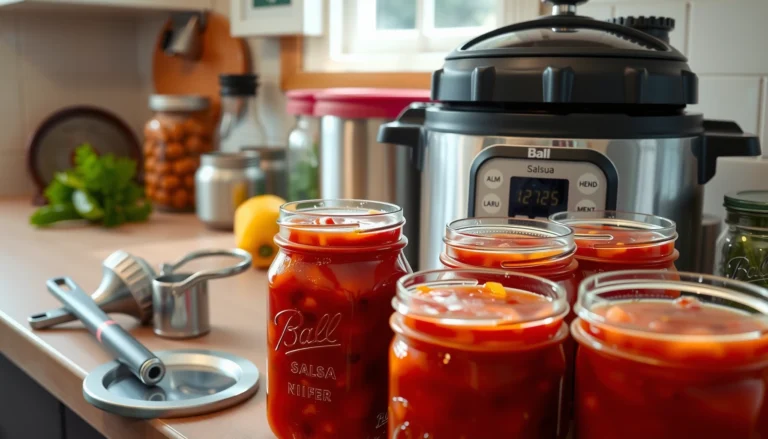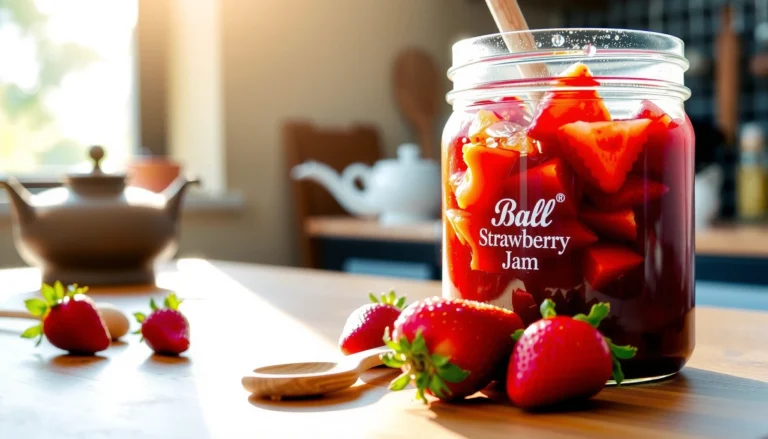
Safely making banana jam requires precise techniques and adherence to expert protocols to ensure both flavor and food safety. This comprehensive guide provides step-by-step instructions for crafting delicious banana jam while minimizing the risk of spoilage or contamination. Understanding the importance of following these guidelines is crucial for both novice and experienced cooks looking to preserve the vibrant taste of bananas. Dive into the art of jam-making with confidence, knowing you have the best practices at your fingertips.
What This Guide Covers (And What It Doesn’t)
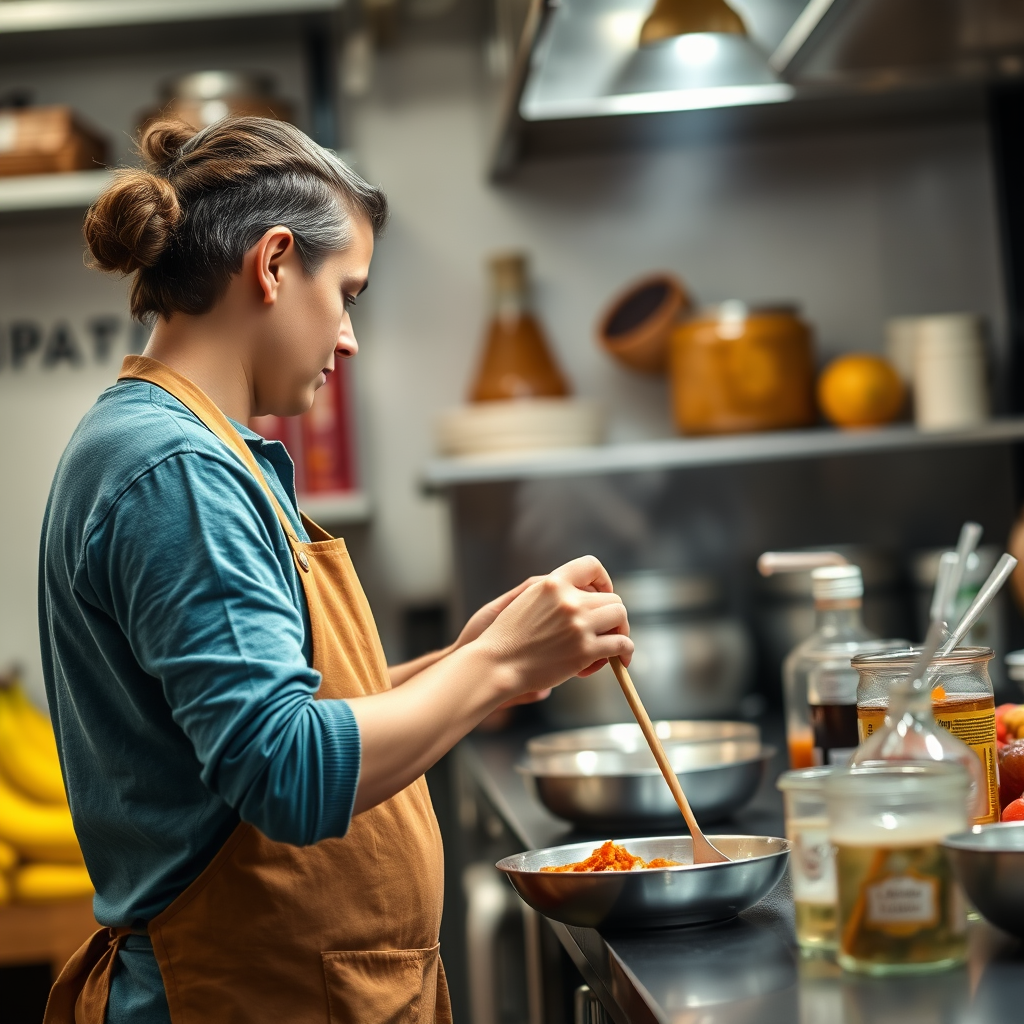
This guide presents a detailed, step-by-step protocol for safely making banana jam, detailing ingredient ratios, processing times, and storage recommendations. It emphasizes traditional canning methods, ensuring that your jam is preserved effectively and safely. However, it does not explore variations like adding spices or other fruits, nor does it cover alternative preservation methods outside of traditional canning. Aimed at home cooks with basic canning skills, this comprehensive approach guarantees the production of delicious and safe banana jam. If you’re seeking general fruit preservation techniques or non-canning methods, other resources may be more appropriate.
Who Should Read This
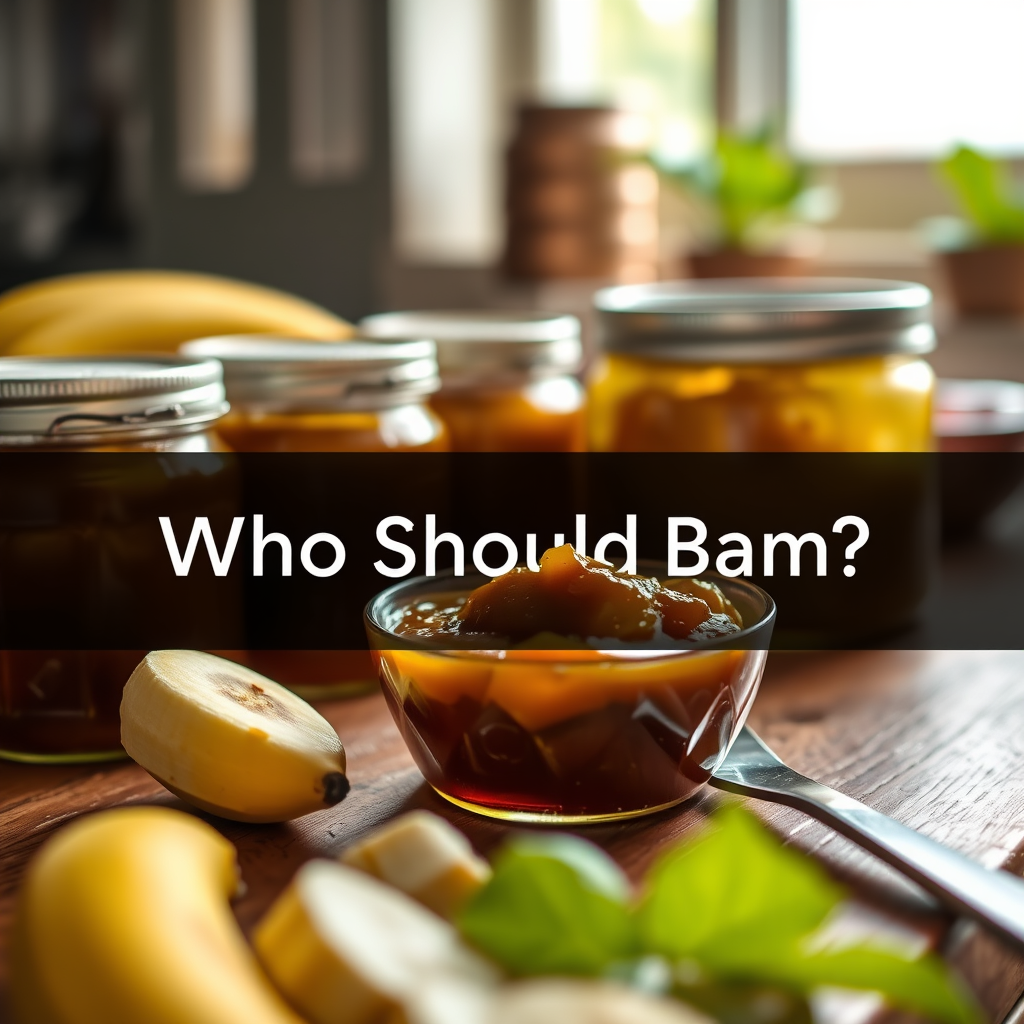
This guide is tailored for home cooks who possess a fundamental understanding of canning techniques and are comfortable using kitchen equipment such as pots, jars, and canning lids. Ideal readers should be acquainted with food safety principles, particularly the significance of sterilization and proper sealing methods to prevent contamination. Those passionate about preserving seasonal fruits and experimenting with new flavors will find this guide especially beneficial, particularly if they want to make use of overripe bananas. However, beginners without prior canning experience might find the content too advanced and should consider starting with more introductory resources on food preservation.
The Step-by-Step Protocol

1. Gather ingredients: You will need 6 cups of ripe bananas (approximately 12 medium bananas), 2 cups of granulated sugar, the juice of 2 lemons, and 1 teaspoon of pectin.
2. Prepare the bananas: Peel and mash the bananas in a bowl until smooth, ensuring there are no large chunks, which could affect the texture of the jam.
3. Combine ingredients: In a large pot, mix the mashed bananas, sugar, lemon juice, and pectin over medium heat. Stir continuously until the mixture comes to a rolling boil.
4. Boil and jar: Once boiling, maintain the heat for exactly 10 minutes, stirring frequently. After boiling, ladle the hot jam into sterilized jars, leaving ¼ inch headspace, and seal immediately.
Nutritional Breakdown of Banana Jam (per 2 tablespoons)
| Nutrient | Amount | % Daily Value |
|---|---|---|
| Calories | 50 | 2% |
| Total Fat | 0g | 0% |
| Sodium | 0mg | 0% |
| Total Carbohydrates | 13g | 4% |
| Sugars | 10g | N/A |
| Protein | 0g | 0% |
| Fiber | 0g | 0% |
| Vitamin C | 2mg | 2% |
| Calcium | 1mg | 0% |
| Iron | 0mg | 0% |
Warning Signs: When Not to Follow This
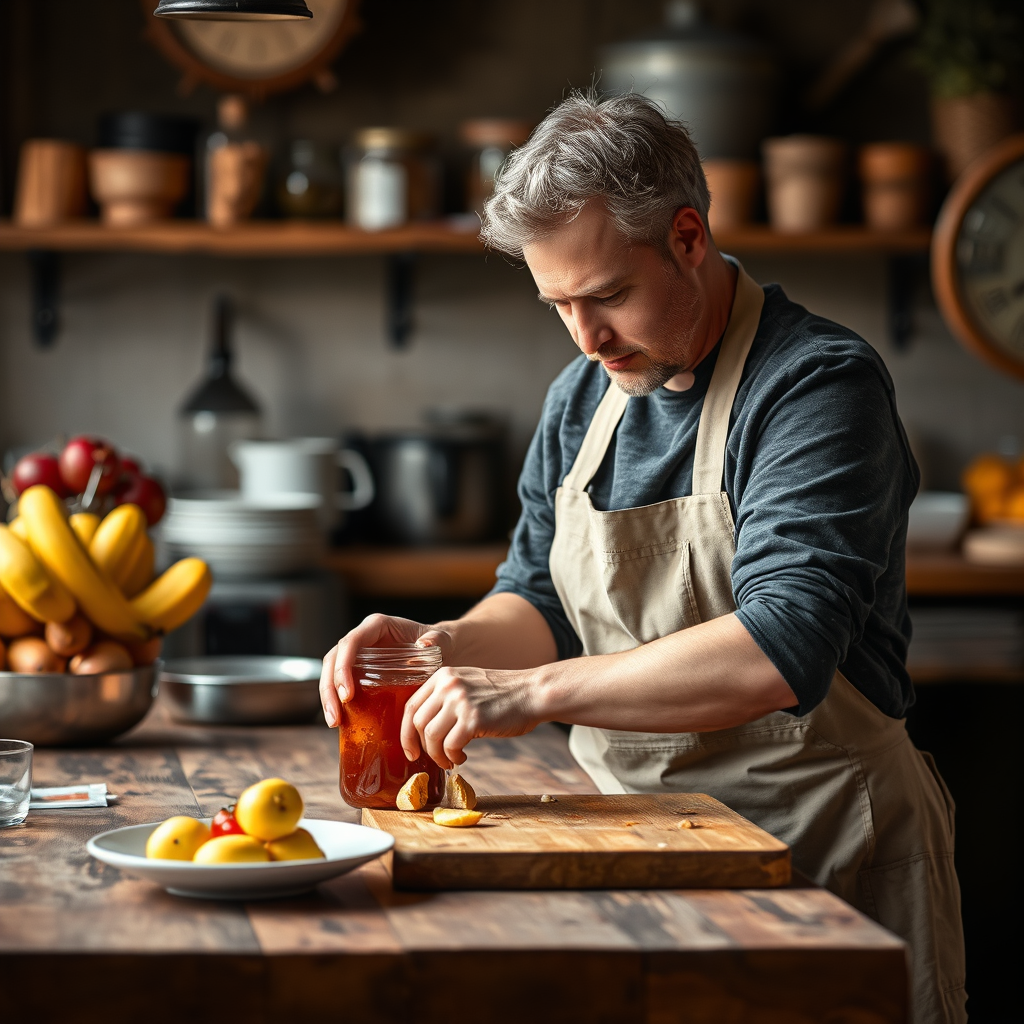
Avoid proceeding with this protocol if your bananas show any signs of mold or have soft spots beyond normal ripeness, as these can harbor harmful bacteria. If you don’t possess the necessary canning equipment, such as a pressure canner or water bath canner, it’s essential to refrain from continuing, as these tools are crucial for safe preservation. Furthermore, if you are pregnant or have a compromised immune system, do not attempt this unless you are confident in your canning skills and have consulted appropriate food safety guidelines. Lastly, if you experience allergic reactions to bananas or related fruits, refrain from making or consuming banana jam.
The Most Common Mistakes (And Their Consequences)
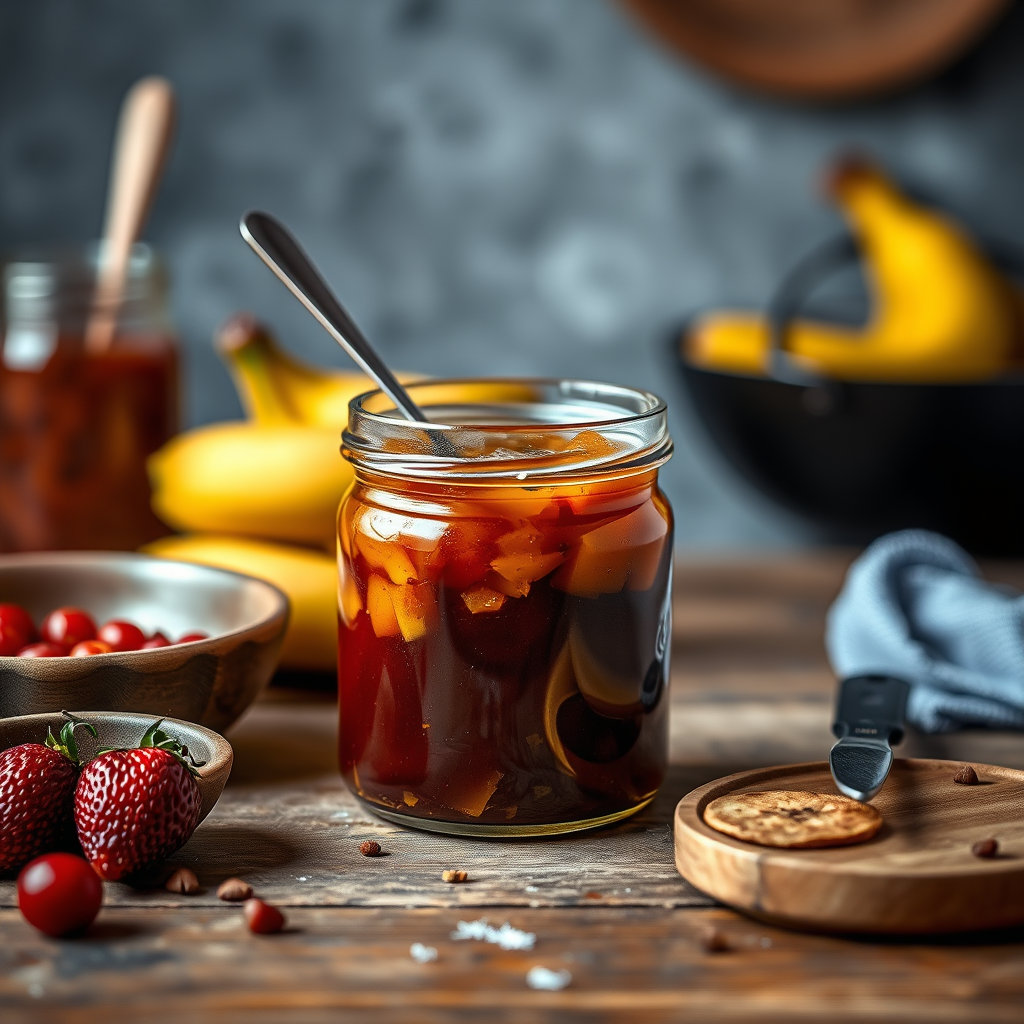
– A frequent error is using under-ripe bananas; this can result in a jam that is lacking in natural sweetness and proper texture.
– Inadequate sterilization of jars can lead to spoilage; always ensure jars are boiled for at least 10 minutes prior to filling.
– Ignoring the exact boiling time of 10 minutes may yield jam that is either too runny or excessively thick, impacting both flavor and texture.
– Incorrect measurement of the pectin can disrupt gelling, resulting in jam that either fails to set or is overly firm after cooling.
Special Cases That Need a Different Approach
– For a healthier option, consider reducing sugar by using low-sugar pectin and adjusting the recipe to include 1 ½ cups of sugar instead of 2 cups.
– If you have dietary restrictions, such as a need to avoid traditional pectin, you can substitute with chia seeds (using ½ cup of seeds) for gelling properties.
– When making banana jam at high altitudes (above 1,000 feet), increase the boiling time by one additional minute for every 1,000 feet of elevation to ensure proper preservation.
– For larger batches (more than 10 jars), canning in smaller batches is advisable to ensure even cooking and proper sealing.
When You Need a Professional
If you have doubts about the integrity of your canning equipment or require assistance with sterilizing jars, consider consulting a local extension office or a food safety expert. It’s prudent to seek professional advice if you have underlying health conditions that could complicate food preservation or if you are unfamiliar with safe canning practices. Should you notice any signs of spoilage, such as bubbling or unusual smells upon opening your jar, discard the jam and consult a food safety specialist for further guidance. When uncertain about ingredient quality or preservation methods, seek advice from certified canning instructors or workshops.
Sources and Further Reading
– “The Complete Book of Home Canning” by the U.S. Department of Agriculture provides thorough guidelines on safe canning practices.
– The National Center for Home Food Preservation offers detailed resources on various canning methods and safety protocols specific to fruit jams.
– “Ball Canning Back to Basics: 100 Simple Recipes for Freshly Preserved Foods” includes a section on banana jam recipes alongside safety tips and troubleshooting advice.
– Local extension services often provide free resources and workshops on safe canning practices tailored to regional needs, which can be beneficial for both beginners and seasoned canners alike.
Frequently Asked Questions
What ingredients do I need for a simple banana jam recipe?
To make a simple banana jam, you’ll need ripe bananas, sugar, lemon juice, and pectin. The ripe bananas provide the essential flavor, while sugar helps with sweetness and preservation. Lemon juice adds acidity, balancing the sweetness and enhancing the jam’s overall flavor, and pectin is necessary for achieving the right consistency.
How do I make banana jam from scratch?
To make banana jam from scratch, start by mashing 4-5 ripe bananas in a large pot. Add 2 cups of sugar and 1/4 cup of lemon juice, then stir in 1 package of pectin. Cook the mixture over medium heat until it boils, stirring constantly, then let it simmer for about 10 minutes until it thickens. Pour the jam into sterilized jars and seal them while hot for preservation.
Why is my banana jam too runny, and how can I fix it?
If your banana jam is too runny, it may be due to insufficient cooking time or not enough pectin. To fix it, you can return the jam to the pot, bring it to a boil, and add more pectin according to the package instructions. Make sure to cook it for the recommended time to help it thicken properly.
What is the best way to store homemade banana jam?
The best way to store homemade banana jam is in sterilized glass jars with airtight lids. Once the jam has cooled, keep it in the refrigerator for up to three weeks or process it in a water bath for long-term storage. Properly canned banana jam can last up to a year in a cool, dark place.
Which varieties of bananas are best for making jam?
The best varieties of bananas for making jam are ripe Cavendish bananas, as they have a sweet flavor and creamy texture that works well in spreads. Look for bananas that are fully ripe with a few brown spots, as this indicates optimal sweetness. Avoid using under-ripe bananas, as they may not yield the desired flavor and consistency for your banana jam.
References
- https://en.wikipedia.org/wiki/Banana_jam
https://en.wikipedia.org/wiki/Banana_jam - https://www.sciencedirect.com/topics/food-science/banana-jam
https://www.sciencedirect.com/topics/food-science/banana-jam - https://pubmed.ncbi.nlm.nih.gov/29728961/
https://pubmed.ncbi.nlm.nih.gov/29728961/ - https://www.bbc.co.uk/food/recipes/banana_jam_09900
https://www.bbc.co.uk/food/recipes/banana_jam_09900 - https://www.nature.com/articles/s41598-020-63203-1
https://www.nature.com/articles/s41598-020-63203-1 - Google Scholar Google Scholar
https://scholar.google.com/scholar?q=banana+jam+recipe - Google Scholar Google Scholar
https://scholar.google.com/scholar?q=banana+preservation+techniques - Google Scholar Google Scholar
https://scholar.google.com/scholar?q=banana+jam+health+benefits - https://www.britannica.com/topic/jam
https://www.britannica.com/topic/jam - https://www.ncbi.nlm.nih.gov/pmc/articles/PMC6422468/
https://www.ncbi.nlm.nih.gov/pmc/articles/PMC6422468/