Master the art of making Filipino ube jam safely with this comprehensive expert guide. This resource covers step-by-step procedures, essential safety protocols, and tips to ensure your ube jam is both delicious and safe to consume. Following these guidelines is crucial for preserving flavor and preventing foodborne illness, making this guide indispensable for every home cook eager to perfect their ube jam recipe.
What This Guide Covers (And What It Doesn’t)
This guide presents a thorough recipe for crafting traditional Filipino ube jam, also known as “halaya.” This beloved dessert and spread features detailed ingredient specifications, precise cooking methods, and essential safety tips to ensure your final product is safe for consumption.
However, it does not address variations of ube jam that may involve additional ingredients, such as coconut or chocolate flavors, which are not typical of the classic recipe. Designed for home cooks eager to create authentic Filipino ube jam, this guide steers clear of commercial production techniques or large-scale operations.
Who Should Read This
Filipino food enthusiasts, home bakers, and anyone curious about traditional Filipino desserts will find this guide invaluable. While a basic understanding of cooking principles is beneficial, readers should have access to ube (purple yam) and standard kitchen equipment, including a blender, stove, and cooking pots. Some experience in following recipes will also be helpful. Those new to Filipino cuisine or unfamiliar with ube will discover insights into the cultural significance and preparation of this vibrant ingredient.
The Step-by-Step Protocol
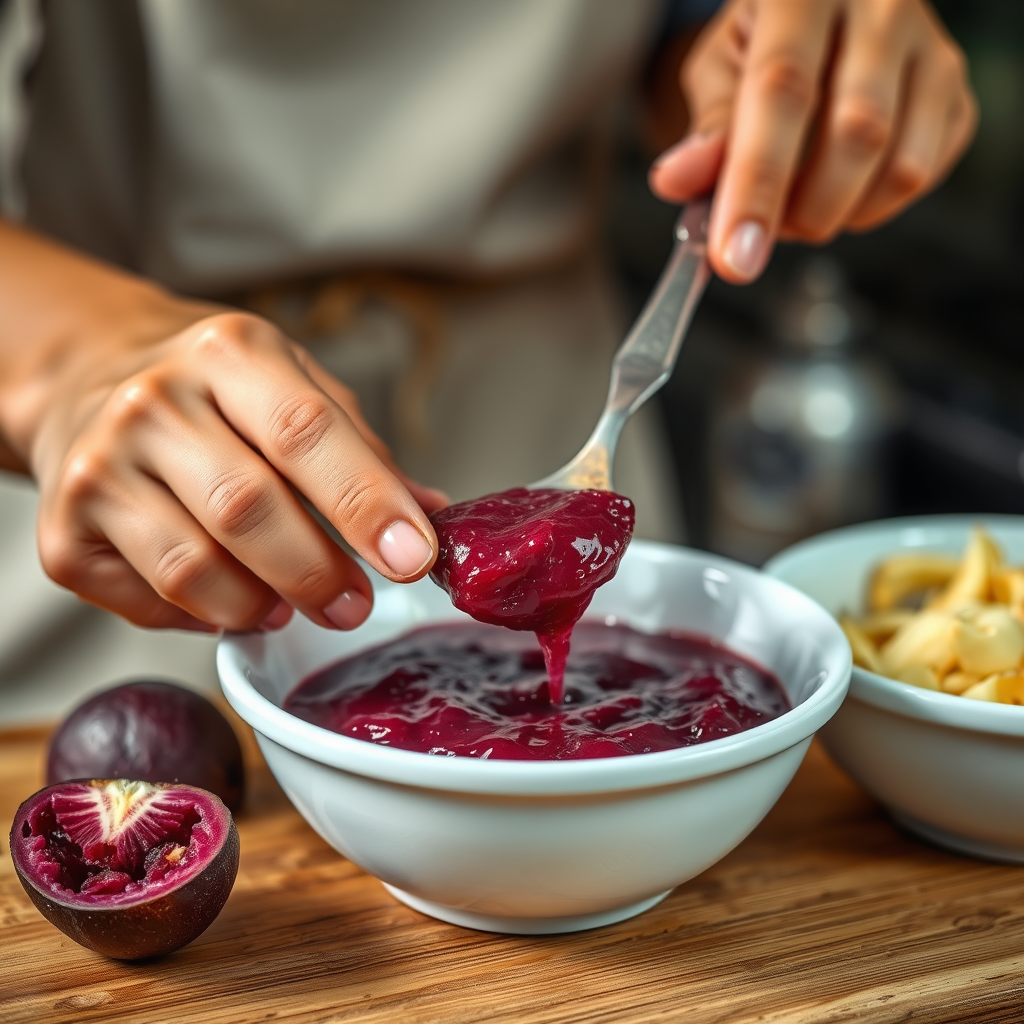
1. Gather Ingredients: Assemble 2 cups of fresh or frozen ube, 1 cup of coconut milk, 1 cup of granulated sugar, and a pinch of salt for the base recipe.
2. Prepare Ube: If using fresh ube, peel it and boil it for approximately 30 minutes or until fork-tender. After draining, allow the boiled ube to cool before mashing it to a smooth consistency.
3. Cook the Mixture: In a medium-sized pot, combine the mashed ube, coconut milk, sugar, and salt. Cook over medium heat, stirring continuously for about 15-20 minutes, or until the mixture thickens significantly and pulls away from the sides of the pot.
4. Cool and Store: Once thickened, remove the pot from heat and let the ube jam cool completely at room temperature. Transfer the cooled jam to sterilized jars and store them in the refrigerator, where it can last for up to 2 weeks.
Top 7 Ingredients for Ube Jam Preparation
| # | Ingredient | Quantity | Nutritional Value (per 100g) | Allergy Info |
|---|---|---|---|---|
| 1 | Ube (Purple Yam) | 200g | 118 kcal | None |
| 2 | Coconut Milk | 100ml | 230 kcal | Coconut |
| 3 | Granulated Sugar | 100g | 387 kcal | None |
| 4 | Salt | 1g | 0 kcal | None |
| 5 | Vanilla Extract (Optional) | 5ml | 12 kcal | None |
| 6 | Butter (Optional) | 10g | 717 kcal | Dairy |
| 7 | Food Coloring (Optional) | As needed | Varies | None |
Warning Signs: When Not to Follow This
– Avoid making ube jam if you are allergic to any of the ingredients, especially coconut, as this could lead to serious allergic reactions.
– Do not proceed with the recipe if your ube shows signs of spoilage, such as an off smell or discoloration, as this could result in foodborne illness.
– If you lack basic cooking equipment or are unable to maintain proper hygiene during food preparation, it’s best to hold off on making this recipe until you can ensure a safe cooking environment.
The Most Common Mistakes (And Their Consequences)
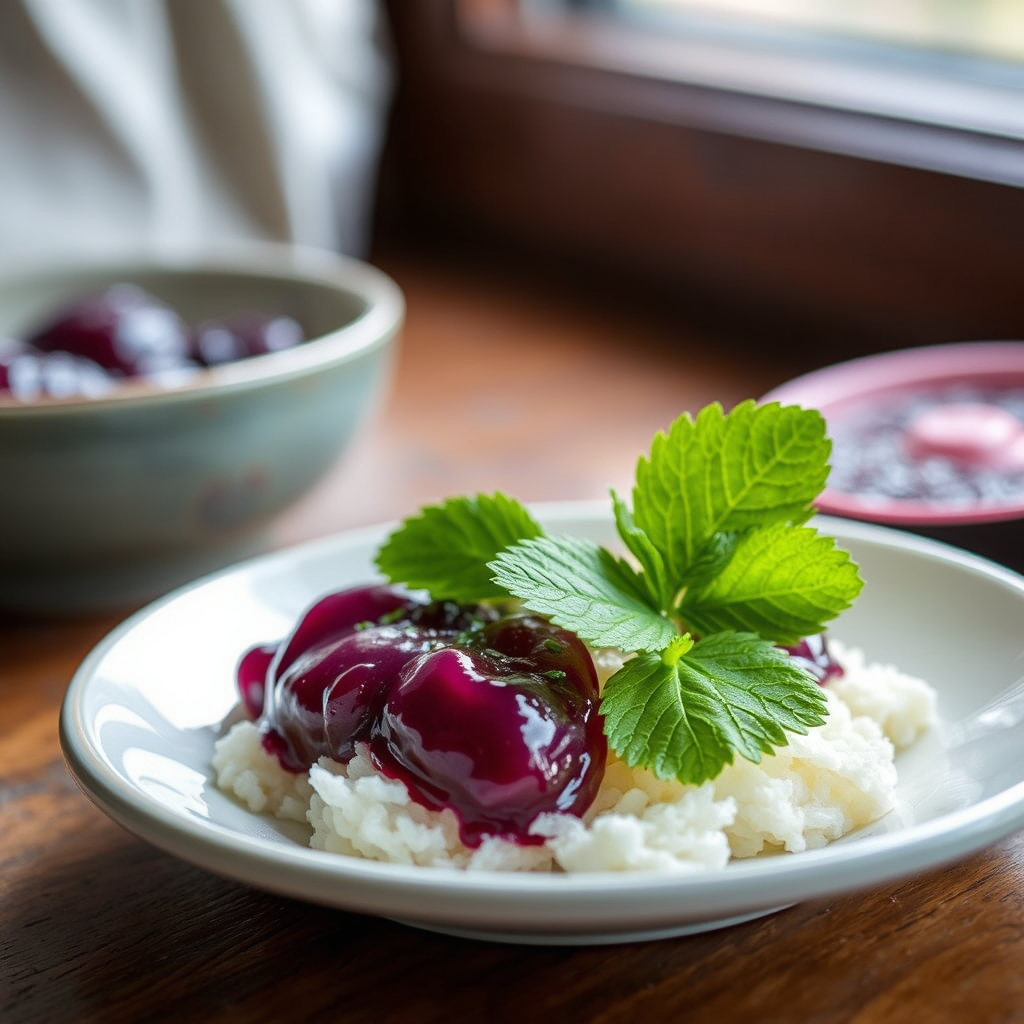
– One common mistake is using raw or insufficiently cooked ube, leading to a gritty texture in the final jam. This significantly diminishes the overall quality and enjoyment of the jam.
– Skipping the step of continuously stirring the mixture can result in burning, which creates a bitter taste that ruins the entire batch.
– Failing to allow the ube jam to cool properly before transferring it to jars can introduce bacteria, leading to spoilage. Additionally, the jam may not set correctly if transferred too soon.
Special Cases That Need a Different Approach
– When using fresh ube, be prepared for variations in cooking time based on the size and age of the yam; older yams may require longer cooking to achieve the desired tenderness.
– If you opt for alternative sweeteners, such as honey or agave syrup, you’ll need to adjust the quantities to maintain the desired sweetness level in the jam. Start with roughly 75% of the sugar amount and adjust to taste.
– For those cooking at high altitudes, consider reducing sugar slightly and extending the cooking time to ensure proper thickening, as atmospheric pressure can affect the cooking process.
When You Need a Professional
– If you experience an allergic reaction after consuming ube jam, seek immediate medical attention, as this could indicate a severe allergy to ube or other ingredients.
– If you have concerns about the safety of your cooking methods or food preservation techniques, consult a food safety expert or your local health department for guidance.
– When planning to sell or distribute homemade ube jam, it is wise to consult a food safety professional to ensure compliance with local food safety regulations and standards.
Sources and Further Reading
– “Philippine Food and Cooking: A Culinary Journey” – A comprehensive book on Filipino cuisine, including traditional dessert recipes.
– The USDA Food Safety and Inspection Service website, which provides guidelines on safe food handling and preservation techniques.
– Local culinary schools or community college programs that offer classes in Filipino cooking, providing hands-on experience and expert advice.
Frequently Asked Questions
What ingredients do I need for a traditional ube jam recipe?
To make traditional Filipino ube jam, you will need the following ingredients: 2 cups of grated ube (purple yam), 1 cup of coconut milk, 1 cup of condensed milk, and a pinch of salt. These ingredients combine to create the rich, creamy texture and sweet flavor characteristic of ube jam.
How long does it take to cook ube jam from scratch?
Cooking ube jam from scratch typically takes about 30 to 45 minutes. After boiling the grated ube until tender, you’ll need to combine it with coconut milk and condensed milk, and then cook it over low heat while stirring until it thickens to your desired consistency.
Why is my ube jam too watery, and how can I fix it?
If your ube jam turns out too watery, it may be due to using too much coconut milk or not cooking it long enough to evaporate the excess liquid. To fix this, simply return the jam to the heat, continue cooking while stirring constantly until it thickens, and adjust the coconut milk amount in future recipes.
What is the best way to store homemade ube jam?
The best way to store homemade ube jam is in an airtight container in the refrigerator, where it can last up to two weeks. For longer storage, consider freezing the jam in small portions, allowing you to enjoy the delicious flavor of ube jam whenever you like.
Which dishes pair well with ube jam?
Ube jam pairs wonderfully with various dishes such as toast, pancakes, and waffles for a unique breakfast treat. Additionally, it can be used as a filling for pastries, added to desserts like cakes and ice cream, or simply enjoyed on its own as a sweet snack.
References
- UBE
https://en.wikipedia.org/wiki/Ube - https://www.ncbi.nlm.nih.gov/pmc/articles/PMC6466278/
https://www.ncbi.nlm.nih.gov/pmc/articles/PMC6466278/ - https://www.ncbi.nlm.nih.gov/pmc/articles/PMC5667789/
https://www.ncbi.nlm.nih.gov/pmc/articles/PMC5667789/ - Ube | Purple Yam, Yam Desserts & Japanese City | Britannica
https://www.britannica.com/topic/ube - Google Scholar Google Scholar
https://scholar.google.com/scholar?q=ube+jam+recipe+filipino - Google Scholar Google Scholar
https://scholar.google.com/scholar?q=ube+jam+Filipino+cuisine - Google Scholar Google Scholar
https://scholar.google.com/scholar?q=ube+jam+traditional+recipes - https://www.sciencedirect.com/topics/food-science/ube
https://www.sciencedirect.com/topics/food-science/ube - https://www.naturalhistory.si.edu/education/teaching-resources/ube
https://www.naturalhistory.si.edu/education/teaching-resources/ube - https://www.cdc.gov/nutrition/resources-publications/index.html
https://www.cdc.gov/nutrition/resources-publications/index.html