Master the art of crafting delicious blackberry jam using Sure Jell with this complete protocol, tailored for both novice and experienced canners. This guide details essential steps and expert tips to ensure your jam sets perfectly and stays safe for preservation. Following the right protocol not only enhances flavor but also guarantees food safety, making your homemade jam a delightful treat for years to come.
What This Guide Covers (And What It Doesn’t)
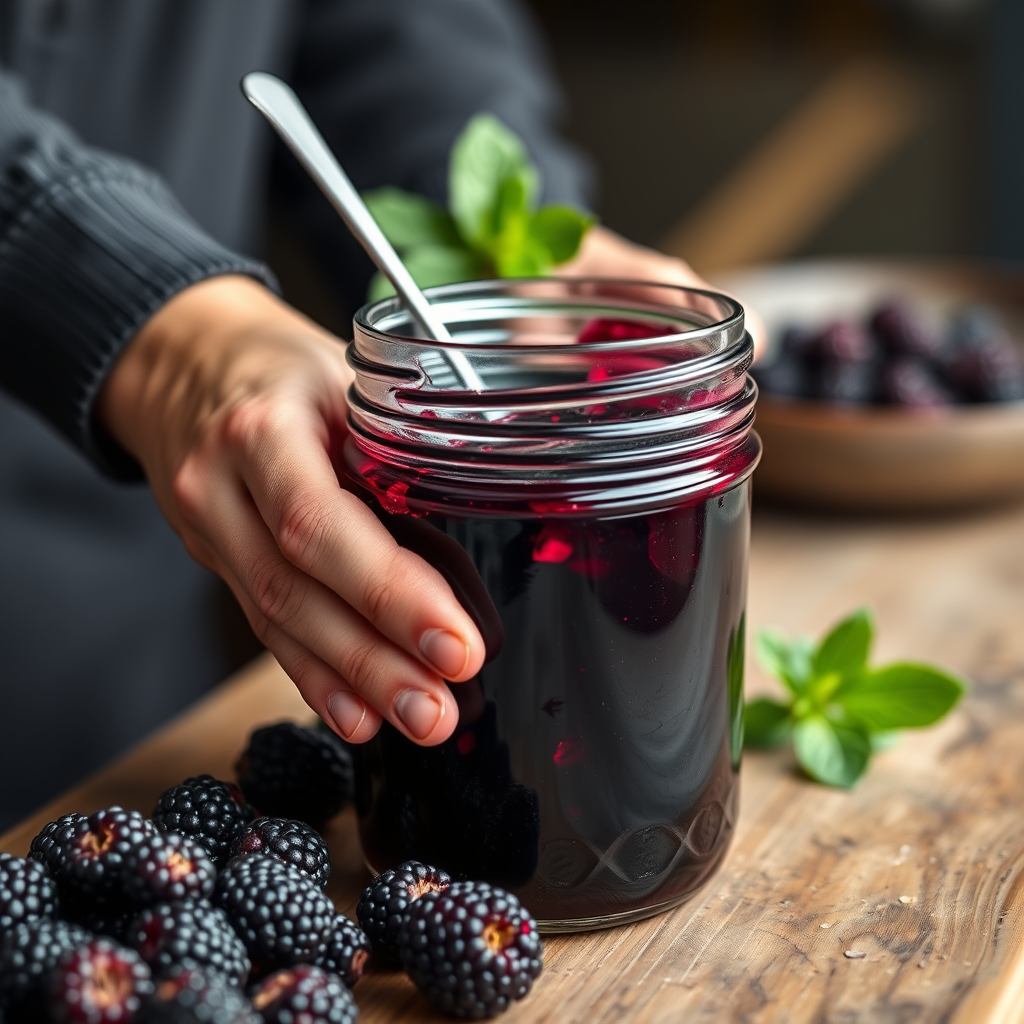
This guide provides a detailed, step-by-step protocol for making blackberry jam using Sure Jell pectin, complete with precise measurements and cooking times for optimal results. It focuses exclusively on the process for blackberry jam and does not include alternative methods that omit pectin or recipes featuring additional fruits or flavors. Specifically designed for home canners, this guide adheres to current USDA guidelines, ensuring safe food preservation practices.
Who Should Read This
Home cooks and food preservation enthusiasts with a foundational understanding of canning techniques will find this article particularly beneficial. Readers should already be familiar with essential kitchen equipment, such as canners, jars, and boiling water methods, as these will be referenced throughout the protocol. While those aiming to create delicious, shelf-stable blackberry jam with Sure Jell will gain valuable insight, individuals seeking gourmet or artisanal methods may find this guide overly simplistic.
The Step-by-Step Protocol
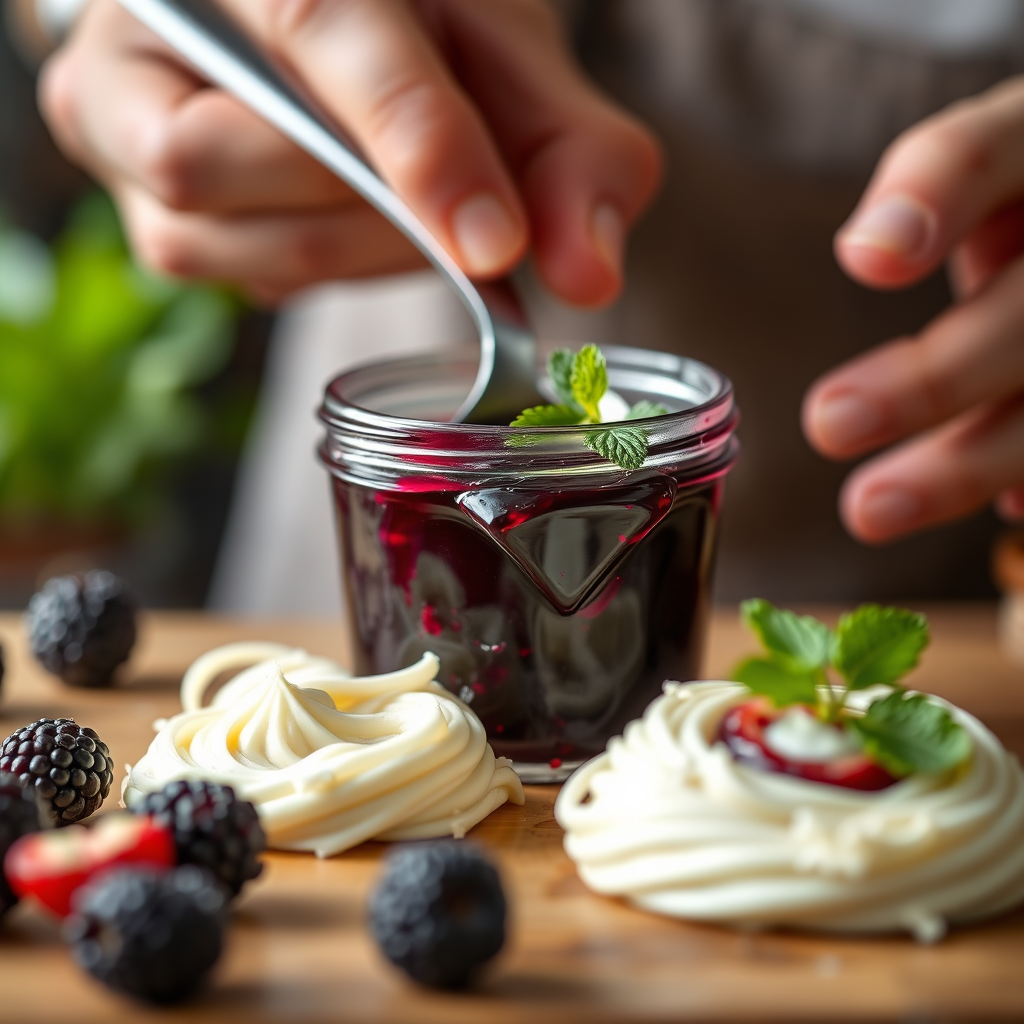
1. Gather Your Ingredients: For this recipe, you will need 4 cups of ripe blackberries, 1/4 cup of freshly squeezed lemon juice, 1 package (1.75 oz) of Sure Jell pectin, and 5 cups of granulated sugar. Ensure all ingredients are fresh and within their expiration dates.
2. Prepare Blackberries: Wash the blackberries thoroughly under running water to eliminate any dirt or impurities. In a large bowl, mash the blackberries with a potato masher until you have approximately 4 cups of pulp. If you prefer a smoother jam, strain the mixture through a fine-mesh sieve to remove the seeds.
3. Cook the Mixture: In a large, heavy-bottomed pot, combine the blackberry pulp, lemon juice, and Sure Jell pectin. Stir well to ensure the pectin is evenly distributed. Bring the mixture to a boil over medium-high heat, stirring constantly to prevent sticking. Allow it to boil for 1-2 minutes until fully combined and bubbling.
4. Add Sugar and Boil: Once the mixture reaches a rolling boil, quickly add 5 cups of granulated sugar all at once. Stir continuously to dissolve the sugar completely. After the sugar has dissolved, return the mixture to a full rolling boil and maintain it for exactly 1 minute. This timing is crucial for proper gelling.
5. Check for Gelling Point: To determine if the jam is ready, you can perform the “spoon test” or use a candy thermometer. The target temperature for gelling is 220°F. If the mixture has not reached this temperature, continue boiling for an additional minute and retest.
6. Fill Jars: Immediately pour the hot jam into sterilized jars, leaving a 1/4-inch headspace at the top of each jar to allow for expansion during processing. Wipe the rims of the jars with a clean cloth to remove any residue that could affect the seal. Place sterilized lids on the jars and secure them with metal bands, tightening to fingertip tightness.
7. Process in Water Bath: Process the filled jars in a boiling water bath for 10 minutes, ensuring that the water covers the jars by at least an inch. If you are at an altitude above 1,000 feet, increase the processing time by 5 minutes to ensure a proper seal.
8. Cool and Store: After processing, remove the jars from the water bath and place them on a clean towel or cooling rack. Allow the jars to cool completely for 12-24 hours. Once cooled, check the seals by pressing down in the center of each lid. If it does not pop back, the jar has sealed properly. Any unsealed jars should be refrigerated and consumed within a few weeks.
Warning Signs: When Not to Follow This
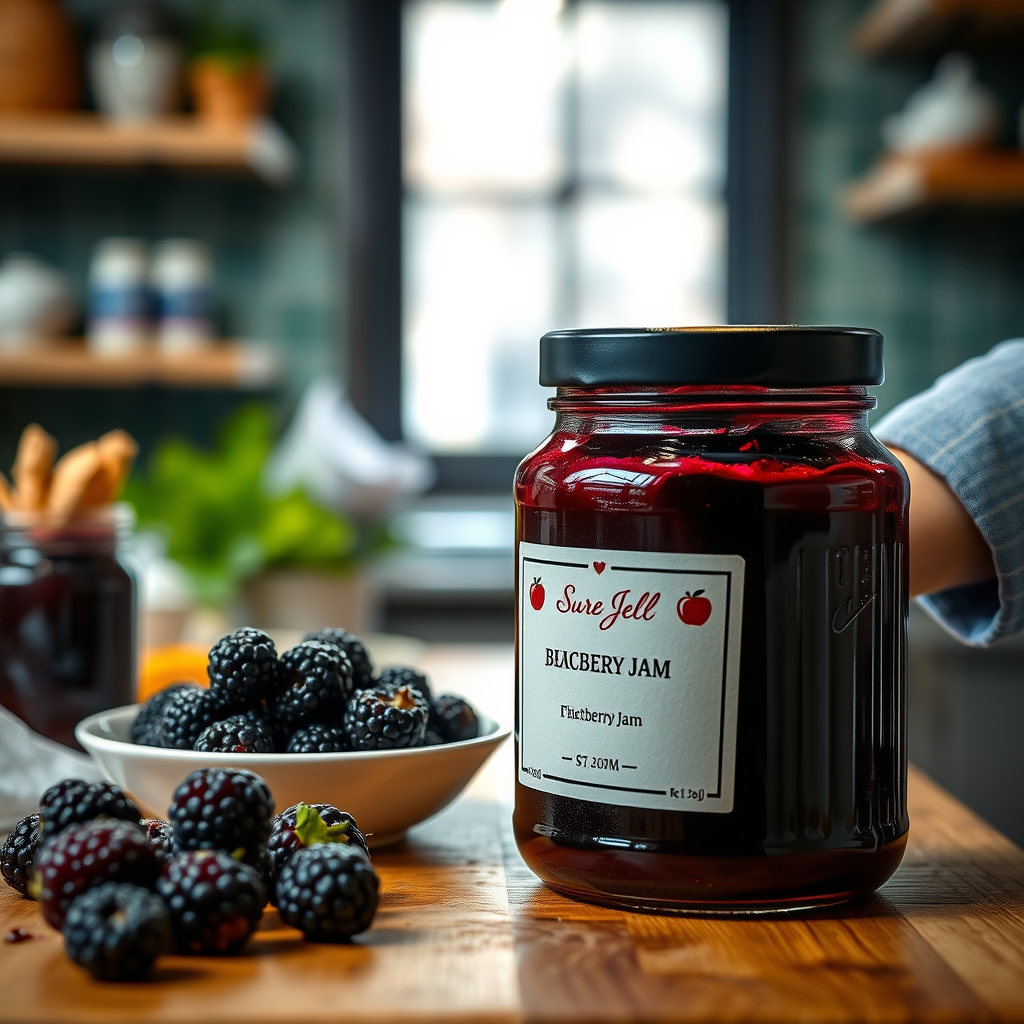
Do not attempt this recipe if your blackberries show signs of mold, fermentation, or spoilage, as this can lead to unsafe jam. Avoid using expired or damaged Sure Jell pectin, as this can affect the jam’s ability to set properly and may pose food safety risks. If you have a health condition that requires specific dietary restrictions, such as diabetes, consult a healthcare provider before consuming high-sugar products like jam.
The Most Common Mistakes (And Their Consequences)
– Failing to Measure Ingredients Accurately: Not measuring the blackberries, sugar, or pectin correctly can lead to runny jam. Always use precise quantities for the best gelling results.
– Skipping the Water Bath Processing: Neglecting to process jars in a boiling water bath can result in unsealed jars, increasing the risk of spoilage and foodborne illness.
– Not Reaching the Proper Gelling Temperature: If the mixture does not reach 220°F, you may end up with a jam that does not set, resulting in a syrupy consistency instead of a spreadable texture.
Special Cases That Need a Different Approach
– Using Frozen Blackberries: If using frozen blackberries, thaw them and drain any excess liquid before measuring. This prevents a watery jam that may not set properly.
– High Altitude Adjustments: For those living at high altitudes (above 1,000 feet), it is essential to increase processing time by 5 minutes to ensure both sealing and safety.
– Smaller Batches: If making smaller batches (less than the recipe calls for), adjust the pectin and sugar ratios accordingly to maintain the correct gelling properties. A general rule of thumb is to use 1/2 cup of sugar for every cup of fruit pulp.
When You Need a Professional
If you have never canned before or are unsure about safe home canning practices, consider attending a workshop or consulting with a food preservation expert. In the event of any signs of spoilage, such as bulging lids or off smells after processing, discard the jam immediately and seek advice from a food safety professional. If you experience recurring issues with sealing jars or achieving proper consistency, contact a licensed home economist for personalized guidance.
Sources and Further Reading
For authoritative information on safe food preservation methods, refer to the USDA Complete Guide to Home Canning, available at [USDA.gov](https://nchfp.uga.edu/publications/publications_usda.html). The Ball Blue Book Guide to Preserving is another trusted resource for canning recipes and techniques, including detailed instructions for fruit jams. Additionally, the National Center for Home Food Preservation provides research-based recommendations on canning standards and safety protocols, accessible at [nchfp.uga.edu](https://nchfp.uga.edu).
By following this expert guide, you can confidently create delicious blackberry jam that is not only flavorful but also safe for long-term storage. Happy canning!
Frequently Asked Questions
What ingredients do I need for a Sure Jell blackberry jam recipe?
To make blackberry jam using Sure Jell, you’ll need fresh blackberries, granulated sugar, Sure Jell pectin, and lemon juice. The pectin is essential for achieving the right consistency, while lemon juice adds a touch of acidity to balance the sweetness of the berries.
How do I properly prepare blackberries for making jam with Sure Jell?
Start by washing the blackberries thoroughly to remove any dirt or debris. Then, remove any stems or leaves and crush the berries slightly; this helps release their juices. Measure the crushed blackberries accurately, as the ratio of fruit to sugar is crucial for a successful jam.
Why is Sure Jell preferred for making blackberry jam instead of other pectins?
Sure Jell is often preferred for making blackberry jam because it ensures a reliable set and a smooth texture. It is designed for easy use, providing clear instructions that help prevent common issues, like runny jam, making it a favorite among both novice and experienced canners.
What is the best method for canning blackberry jam made with Sure Jell?
The best method for canning blackberry jam involves sterilizing your jars and lids before use, filling them with hot jam, and processing them in a boiling water bath for the recommended time. This method ensures a safe seal, preserving the flavor and freshness of your homemade blackberry jam.
Which common mistakes should I avoid when making Sure Jell blackberry jam?
Common mistakes to avoid include not measuring the ingredients accurately, which can lead to poor texture, and failing to follow the cooking times specified on the Sure Jell package. Additionally, not properly sterilizing jars can compromise the shelf life of your jam, so it’s essential to adhere to safe canning practices.
References
- Fruit preserves
https://en.wikipedia.org/wiki/Jam - https://www.extension.purdue.edu/extmedia/FNR/FNR-473-W.pdf
https://www.extension.purdue.edu/extmedia/FNR/FNR-473-W.pdf - UGA
https://www.uga.edu/ - https://pubmed.ncbi.nlm.nih.gov/26305043/
https://pubmed.ncbi.nlm.nih.gov/26305043/ - Google Scholar Google Scholar
https://scholar.google.com/scholar?q=sure+jell+blackberry+jam - Google Scholar Google Scholar
https://scholar.google.com/scholar?q=jam+recipes+blackberry - https://www.foodsafety.gov/
https://www.foodsafety.gov/ - https://www.nal.usda.gov/legacy/legacy/food-preservation-jams-jellies
https://www.nal.usda.gov/legacy/legacy/food-preservation-jams-jellies - https://www.cdc.gov/healthyweight/assessing/bmi/childrens_bmi/about.html
https://www.cdc.gov/healthyweight/assessing/bmi/childrens_bmi/about.html - https://www.nature.com/articles/s41598-020-71847-0
https://www.nature.com/articles/s41598-020-71847-0