Mastering freezer jam recipes is essential for anyone looking to preserve the vibrant flavors of fruit while ensuring safety and quality. This expert guide provides step-by-step protocols, key tips, and foolproof recipes to help you create delicious, long-lasting freezer jams. Following the right procedures is crucial to avoid spoilage and maintain the integrity of your homemade preserves.
What This Guide Covers (And What It Doesn’t)

This guide offers a comprehensive overview of recipes for freezer jam, featuring a variety of fruit options, sugar alternatives, and step-by-step instructions to ensure safe and successful preservation. You’ll find specific measurements and ingredient recommendations, along with tips for troubleshooting common issues that may arise during the jam-making process. Additionally, we highlight ingredients unsuitable for freezer jam and outline safety guidelines concerning food preservation to eliminate any confusion. However, this guide does not delve into traditional canning methods, as it focuses exclusively on freezer jam, which requires distinct techniques and storage considerations.
Who Should Read This
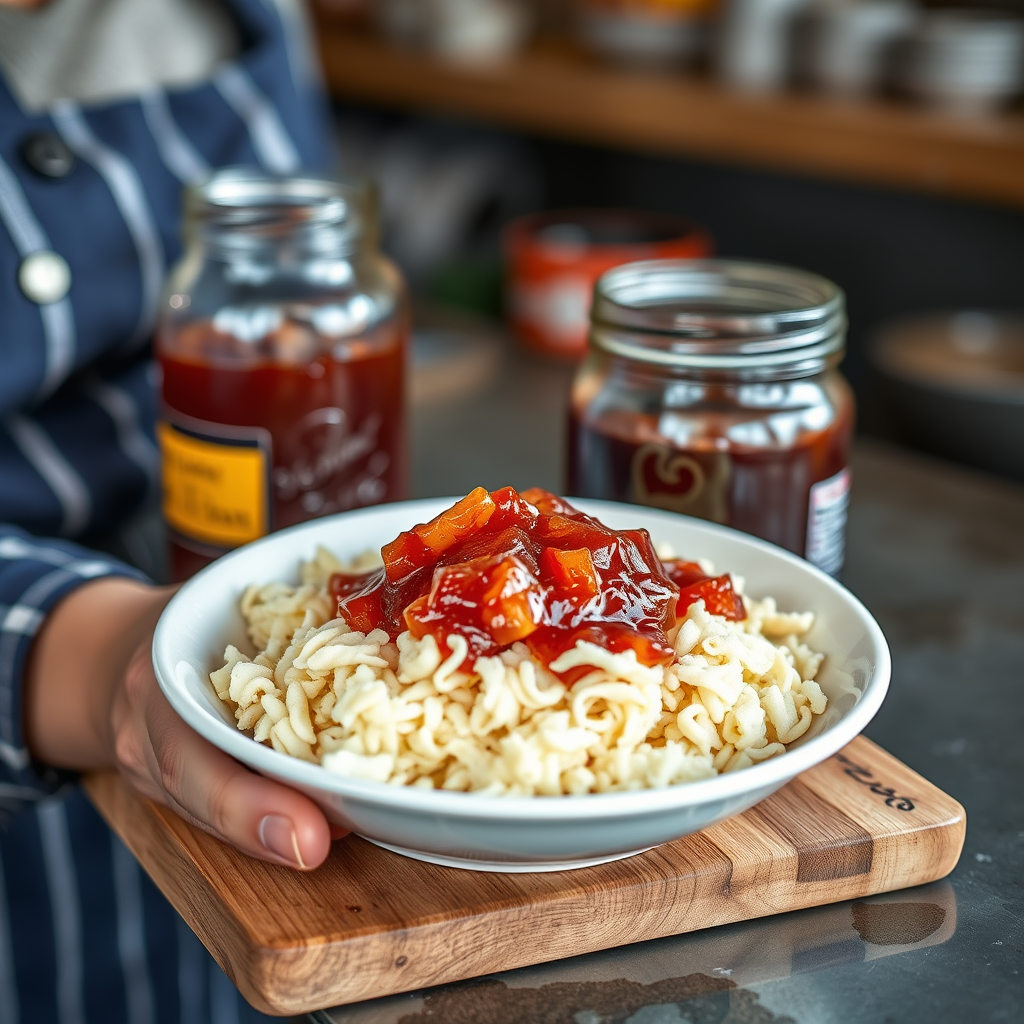
This guide is designed for home cooks eager to preserve seasonal fruits while maintaining their freshness and flavor through freezer jam. It’s particularly beneficial for beginners who may have limited experience with food preservation but wish to learn effective and safe methods for creating delicious jams. Basic kitchen skills such as measuring ingredients and utilizing kitchen tools like blenders or food processors are essential. Additionally, individuals with dietary restrictions seeking low-sugar or sugar-free jam options will find the tailored recipes included here especially useful.
The Step-by-Step Protocol
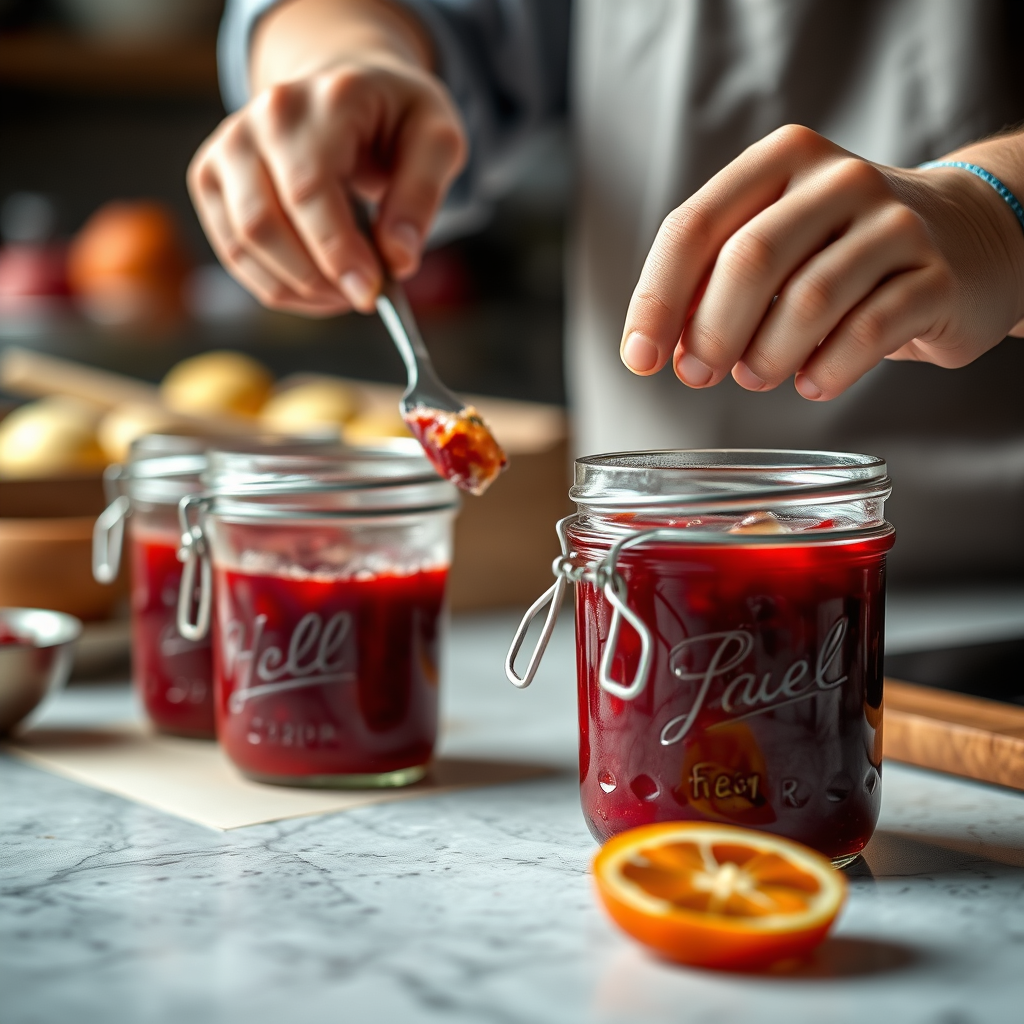
1. Select Your Fruit: Choose ripe, high-quality fruits such as strawberries, raspberries, or peaches. Aim for 4 cups of crushed fruit for every batch of jam. Ensure the fruit is in peak season for optimal flavor.
2. Prepare the Fruit: Wash the fruit thoroughly under running water. For berries, hull them as needed; for larger fruits like peaches, remove the skin and pit. Chop the fruit into manageable pieces, then crush using a potato masher or food processor until you reach the desired consistency. A chunky texture will enhance the final jam.
3. Measure Ingredients: In a large mixing bowl, combine 4 cups of prepared fruit with 1 to 1.5 cups of granulated sugar, depending on your sweetness preference, and 1 package (1.75 oz) of fruit pectin. If using low-sugar pectin, adhere to the manufacturer’s instructions regarding sugar amounts, as these can vary significantly.
4. Mix and Heat: Stir the fruit, sugar, and pectin mixture for 2-3 minutes until the sugar is completely dissolved. Allow the mixture to sit for 10 minutes. This resting period is crucial for proper pectin activation, which helps the jam set. Afterward, pour the mixture into sterilized freezer-safe containers, leaving 1/2 inch of headspace to accommodate expansion during freezing.
5. Seal and Freeze: Tightly seal the containers with lids, ensuring they are airtight to prevent freezer burn. Label each container with the date and type of jam, then place them in the freezer for long-term storage. Freezer jam can be stored for up to one year, but for the best taste, aim to consume it within six months.
Warning Signs: When Not to Follow This
– Avoid making freezer jam if your fruit is overripe or shows visible signs of spoilage, such as mold or an off smell, as this can compromise both safety and quality.
– Refrain from using homemade pectin substitutes or untested recipes that deviate from established guidelines, as these may not set properly or could pose food safety risks.
– If you notice significant changes in texture, color, or odor in your jam after freezing, do not consume it; discard it immediately.
– Do not attempt freezer jam if you have not followed proper sanitation practices, such as washing hands and using sterilized tools, as this increases the risk of contamination.
The Most Common Mistakes (And Their Consequences)
– Incorrect Sugar Ratios: A frequent mistake is using too much or too little sugar. Not adhering to the recommended sugar-to-fruit ratio of 1:4 can result in jam that is either too runny or overly sweet, compromising both taste and texture.
– Inadequate Mixing Time: Neglecting to allow the mixture to sit long enough before pouring can lead to improper gelling. Always aim for at least 10 minutes to ensure full pectin activation.
– Insufficient Headspace: Failing to leave adequate headspace in containers (1/2 inch) can cause jars to crack or burst when the jam expands during freezing. Always prioritize this space to maintain the integrity of your containers.
– Low-Quality Fruit: Using low-quality or overly processed fruits can yield a jam that lacks flavor. Always opt for fresh, ripe fruits to ensure the best taste. Remember, the quality of your jam directly reflects the quality of your ingredients.
Special Cases That Need a Different Approach
– Low-Sugar or Sugar-Free Freezer Jam: For lower-sugar or sugar-free options, select specific pectin designed for low-sugar recipes. Adjust sweetness with suitable sugar substitutes like stevia or erythritol, keeping in mind that these may alter the final consistency.
– Using High-Acid Fruits: When working with high-acid fruits, such as citrus, you may need to adjust pectin amounts to ensure proper gelling. Follow package instructions closely, as these fruits may require different handling.
– Mixed-Fruit Jams: For mixed-fruit jams, carefully balance the sugar and pectin according to the individual requirements of each fruit to avoid texture issues. Consider testing small batches to perfect the ratios.
– Dietary Restrictions: If you have dietary restrictions, consider using natural fruit sweeteners like agave or honey. However, be mindful that this may alter the final consistency and sweetness, and ensure that any sweetener used is safe for preservation.
When You Need a Professional
– If you have health concerns, such as diabetes or allergies, that require personalized dietary advice or ingredient adjustments, consult with a registered dietitian to ensure your jam meets your dietary needs.
– Seek professional advice when working with unfamiliar fruits or preservation techniques, especially if you are uncertain about their safety or proper handling. This is critical for maintaining food safety.
– If you plan to sell or distribute large batches of freezer jam, consider consulting with a food safety expert to ensure compliance with local regulations and safety standards, protecting consumer health.
– If you experience repeated failures in your jam-making process despite following guidelines, reach out to a professional for troubleshooting tips and techniques tailored to your specific situation. This can save time and enhance your results.
Sources and Further Reading
– “So Easy to Preserve” by the University of Georgia Cooperative Extension, which provides in-depth information on food preservation techniques, including freezer jam.
– The National Center for Home Food Preservation offers guidelines on safe canning and preservation practices, including pectin use and fruit preparation.
– “Ball Complete Book of Home Preserving” contains a section dedicated to freezer jams, with tested recipes and safety tips for home preservation.
– Local extension services often provide workshops or resources on food preservation; check for specific programs available in your area for hands-on learning opportunities.
By following these detailed steps and guidelines, you will be well-equipped to create delicious, safe, and flavorful freezer jams that capture the essence of seasonal fruits. Enjoy the satisfaction of homemade jam, knowing you have adhered to best practices in food preservation.
Frequently Asked Questions
What ingredients do I need for homemade freezer jam?
To make homemade freezer jam, you typically need fresh fruit, granulated sugar, pectin, and lemon juice. Common fruits used include strawberries, raspberries, and blueberries. The sugar helps to preserve the jam’s flavor and texture, while pectin acts as a thickening agent.
How do I properly store freezer jam after making it?
After making freezer jam, it’s essential to store it in airtight containers or freezer-safe jars to prevent freezer burn. Leave some headspace in the containers for expansion as the jam freezes. Label the jars with the date and type of jam, and place them in the freezer for long-term storage.
Why is my freezer jam not setting properly?
If your freezer jam isn’t setting, it could be due to insufficient pectin or not using ripe fruit. Make sure to follow the recipe’s instructions closely, including the recommended amount of sugar and pectin. Additionally, allow the jam to sit at room temperature for the specified time before freezing, as this helps it thicken.
What is the best fruit for making freezer jam?
The best fruits for making freezer jam include strawberries, blueberries, raspberries, and peaches, as they have a high natural pectin content. These fruits also freeze well and maintain their flavor after being processed. Choose ripe, fresh fruits for the best results in your homemade freezer jam.
Which pectin is best for making freezer jam?
For making freezer jam, instant or low-sugar pectin is often the best choice as it requires less cooking time and helps maintain the fresh fruit flavor. Popular brands like Sure-Jell and Ball offer easy-to-use pectin that is specifically designed for freezer jams. Always follow the instructions on the package for the best results.
References
- Fruit preserves
https://en.wikipedia.org/wiki/Jam - https://www.extension.purdue.edu/extmedia/FNR/FNR-462-W.pdf
https://www.extension.purdue.edu/extmedia/FNR/FNR-462-W.pdf - https://www.fsis.usda.gov/wps/portal/fsis/topics/food-safety-education/get-answers/food-safety-fact-sheets/
https://www.fsis.usda.gov/wps/portal/fsis/topics/food-safety-education/get-answers/food-safety-fact-sheets/ - https://www.nal.usda.gov/legacy/legacy/fruit-preserves-and-jams
https://www.nal.usda.gov/legacy/legacy/fruit-preserves-and-jams - https://www.ncbi.nlm.nih.gov/pmc/articles/PMC7343292/
https://www.ncbi.nlm.nih.gov/pmc/articles/PMC7343292/ - https://www.cdc.gov/foodsafety/food-safety-education.html
https://www.cdc.gov/foodsafety/food-safety-education.html - https://www.sciencedirect.com/science/article/pii/S221267081500017X
https://www.sciencedirect.com/science/article/pii/S221267081500017X - Google Scholar Google Scholar
https://scholar.google.com/scholar?q=freezer+jam+recipes - Google Scholar Google Scholar
https://scholar.google.com/scholar?q=making+freezer+jam - Google Scholar Google Scholar
https://scholar.google.com/scholar?q=freezer+jam+preservation+methods