This expert guide to safely making strawberry jam provides a detailed, step-by-step recipe that ensures delicious results every time. By following established protocols for canning and preserving, you can avoid common pitfalls and enjoy the rich, sweet flavor of homemade jam. Whether you’re a novice or an experienced cook, mastering this craft not only enhances your culinary skills but also guarantees food safety.
What This Guide Covers (And What It Doesn’t)
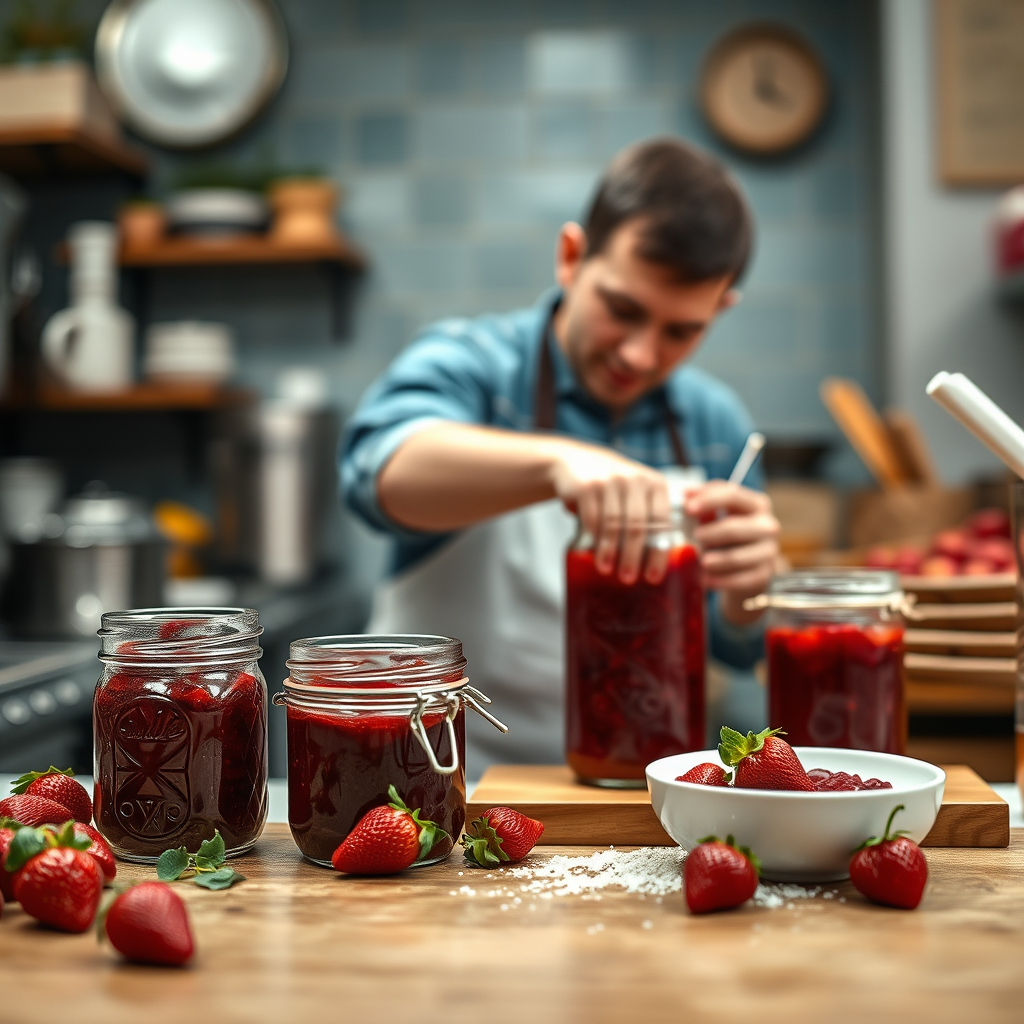
This guide provides a comprehensive recipe for making strawberry jam, detailing ingredient quantities, preparation techniques, and canning methods. It outlines essential safety protocols for home canning, including sterilization processes and proper sealing techniques to ensure food safety. However, it does not delve into alternative fruit jams or preserves, nor does it address advanced canning techniques that require specialized equipment or knowledge.
Who Should Read This
This guide is designed for home cooks with basic kitchen skills eager to learn how to make strawberry jam from scratch. It caters to individuals interested in preserving seasonal fruits and looking to develop their canning techniques in a safe and effective manner. While those without prior experience in canning or food preservation may find this guide helpful, it is crucial to be aware of the necessary safety precautions involved.
The Step-by-Step Protocol
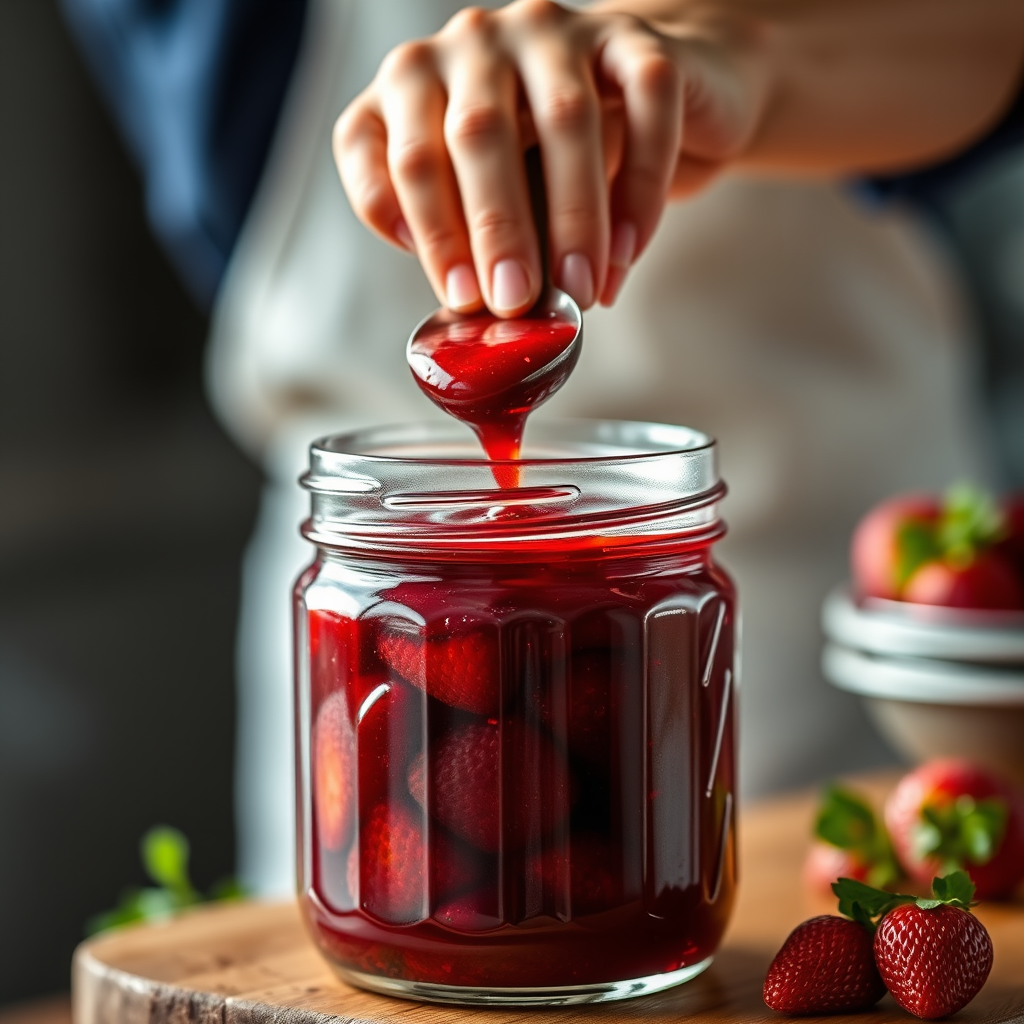
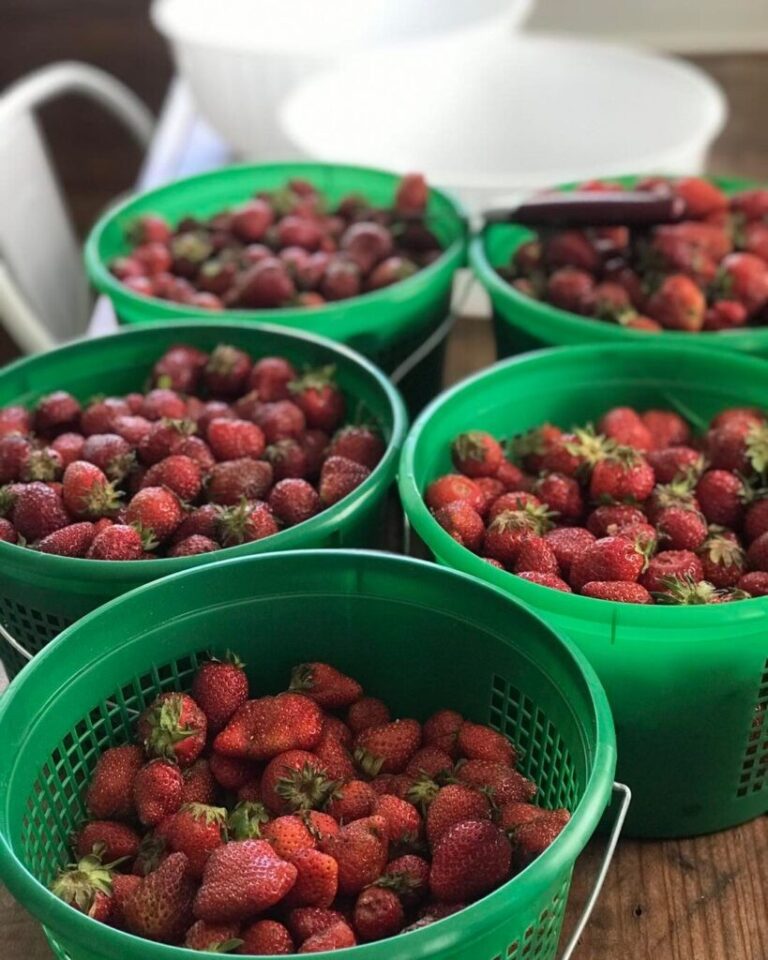
1. Gather Ingredients and Equipment: Begin by assembling your materials. You will need 2 pounds of fresh strawberries, 4 cups of granulated sugar, 1/4 cup of lemon juice, and canning jars with lids. Additionally, ensure you have a large pot, a potato masher or fork, a ladle, and a canning rack or a heat-safe dish for the water bath.
2. Prepare Strawberries: Wash the strawberries thoroughly under cold running water. Remove the green tops and any damaged areas. Using a potato masher or fork, mash the strawberries until you have about 4 cups of crushed fruit. Aim for a chunky yet well-mashed consistency, as this contributes to the jam’s texture.
3. Cook the Jam Mixture: In a large pot, combine the crushed strawberries, lemon juice, and sugar. Stir the mixture over medium heat until the sugar dissolves completely. Once dissolved, increase the heat and bring the mixture to a rolling boil. Maintain this boil for 10-12 minutes, stirring frequently to prevent sticking. The jam should bubble vigorously.
4. Test for Doneness: To check if the jam has thickened properly, use either the spoon test or the temperature test. For the spoon test, place a spoonful of jam on a plate and let it cool slightly. Run your finger through the jam; if it holds its shape and doesn’t immediately run back together, it is ready. Alternatively, use a food thermometer to ensure the mixture reaches 220°F, the ideal temperature for gel formation.
5. Prepare Canning Jars: Sterilize your canning jars by placing them in a pot of boiling water for 10 minutes. This step is crucial for preventing bacterial growth. After sterilization, keep the jars hot until you are ready to fill them, as this helps maintain the temperature of the jam.
6. Fill Jars and Seal: Carefully pour the hot jam into the sterilized jars, leaving 1/4 inch of headspace at the top. This space is necessary for the jam to expand during processing. Wipe the rims of the jars with a clean, damp cloth to remove any residue. Place the lids on the jars and screw on the bands until they are fingertip-tight. Avoid over-tightening, as this can prevent proper sealing.
7. Process the Jars: Process the filled jars in a boiling water bath for 10 minutes. Ensure that the jars are fully submerged and that the water covers them by at least an inch. This processing time is essential for killing any remaining bacteria and sealing the jars effectively.
8. Cool and Store: After processing, carefully remove the jars from the water bath and allow them to cool at room temperature for 12-24 hours. Once cooled, check the seals by pressing down in the center of each lid. If it does not pop back, the jar has sealed properly. Store the sealed jars in a cool, dark place. Properly sealed and processed jam can be stored for up to one year.
Warning Signs: When Not to Follow This
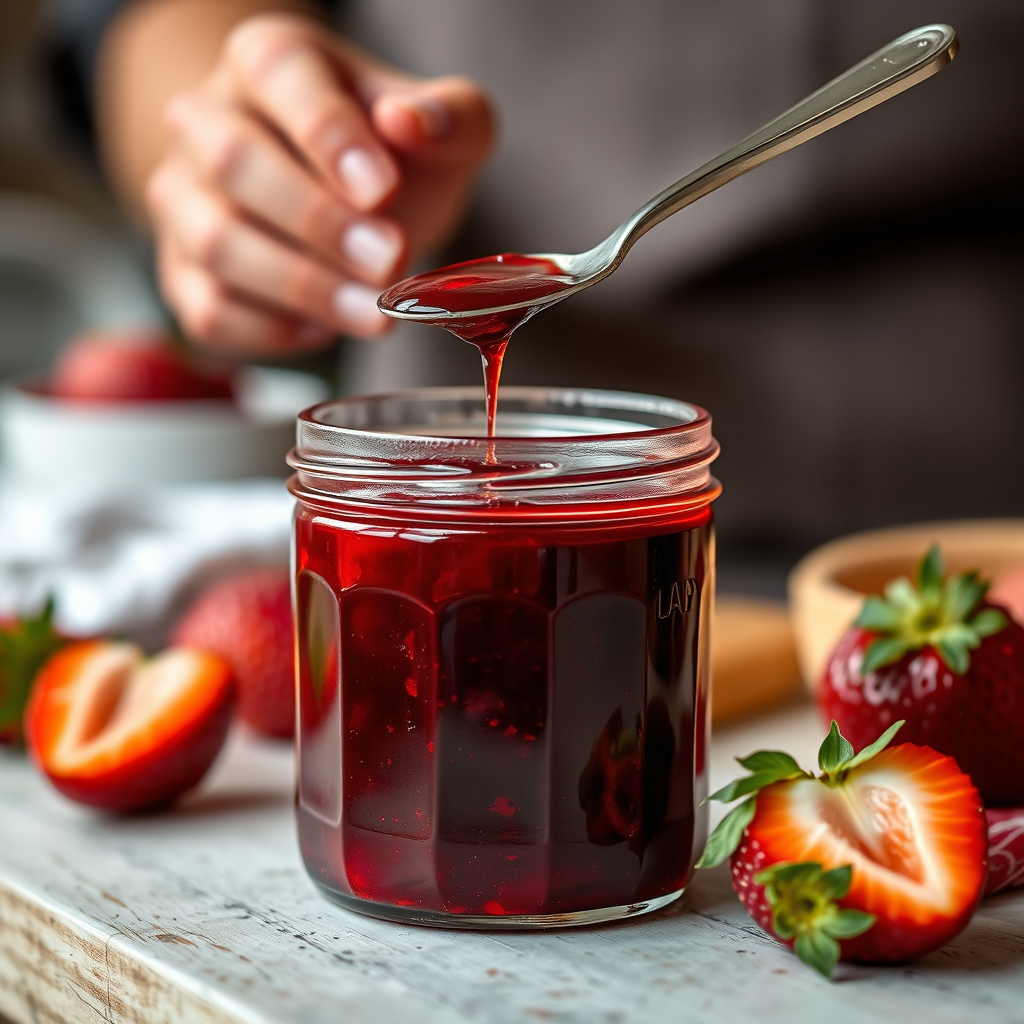
Do not proceed with this recipe if you notice any signs of spoilage in your strawberries, such as mold, off-odors, or excessive bruising. These indicators suggest that the fruit is no longer safe to use. Additionally, avoid making this jam if you cannot maintain a consistent boiling temperature during cooking; fluctuating temperatures can lead to improper gelling and spoilage. If you have concerns about the integrity or cleanliness of your canning equipment, do not attempt to can the jam until these issues are resolved.
The Most Common Mistakes (And Their Consequences)
– Not Measuring Ingredients Accurately: Using too much or too little sugar can result in jam that does not set properly or is overly sweet. This affects both taste and texture; improperly set jam may spoil more quickly.
– Skipping the Sterilization Process: Failing to properly sterilize jars can lead to contamination, resulting in spoiled or unsafe jam that could cause foodborne illness.
– Not Processing Jars Correctly: If jars aren’t processed for the full recommended time, they may not seal properly, risking spoilage. This can lead to the growth of harmful bacteria, including botulism.
Special Cases That Need a Different Approach
– If using frozen strawberries, allow them to thaw and drain excess liquid before adding them to the mixture. This prevents a watery jam that won’t set properly.
– For low-sugar variations, use a commercial pectin specifically designed for low-sugar recipes. Be sure to adjust the cooking time as needed based on package instructions; low-sugar pectin often requires different cooking processes.
– If using organic or less sweet strawberries, consider increasing the sugar or adding a bit more lemon juice for balance in taste and preservation. The acidity from lemon juice is crucial for both flavor and safety.
When You Need a Professional
If you notice any signs of botulism, such as bulging lids, off-smells, or leaks, discard the jam immediately and consult a food safety expert. Additionally, if you are dealing with large quantities of produce or planning to sell your jam commercially, seek advice from a food preservation specialist to ensure compliance with local health regulations. If you have underlying health conditions that may affect your ability to safely consume preserved foods, consult a healthcare professional before proceeding.
Sources and Further Reading
– National Center for Home Food Preservation: Provides guidelines on safe canning practices and detailed instructions for various types of preserves.
– U.S. Department of Agriculture (USDA): Offers research-based recommendations for food safety and preservation techniques.
– The Ball Complete Book of Home Preserving: A comprehensive resource on home canning, including recipes and safety tips for preserving fruits and vegetables.
By following this expert guide, you can confidently make strawberry jam that is not only delicious but also safe for you and your family to enjoy. Happy canning!
Frequently Asked Questions
What ingredients do I need for a basic strawberry jam recipe?
To make a basic strawberry jam, you will need fresh strawberries, granulated sugar, and lemon juice. Typically, the ratio is about 2 cups of mashed strawberries to 1 cup of sugar and 1 tablespoon of lemon juice, which helps to enhance the flavor and preserve the jam.
How do I prepare strawberries for making jam?
To prepare strawberries for jam, start by washing them thoroughly under cool running water. Remove the green tops and any bruised spots, then chop or mash the strawberries to your desired consistency, keeping in mind that a chunkier jam will have larger pieces of fruit.
Why is it important to use lemon juice in strawberry jam?
Lemon juice is crucial in strawberry jam as it helps balance the sweetness of the sugar and enhances the flavor of the strawberries. Additionally, the acidity from lemon juice aids in the gelling process, ensuring your jam sets properly while also acting as a natural preservative.
What is the best method for canning strawberry jam?
The best method for canning strawberry jam is the water bath canning technique. Fill sterilized jars with hot jam, leaving about 1/4 inch of headspace, wipe the rims clean, and seal with lids. Process the jars in a boiling water bath for about 10-15 minutes to ensure they are properly sealed and safe for storage.
Which type of sugar is best for making strawberry jam?
The best type of sugar for making strawberry jam is granulated sugar, as it dissolves easily and helps achieve a proper gel consistency. Some recipes also call for pectin, which may require specific types of sugar, so always refer to your recipe to ensure the best results.
References
- Fruit preserves
https://en.wikipedia.org/wiki/Jam - https://www.uga.edu/extension/food-safety/preserving-fruits/strawberry-jam
https://www.uga.edu/extension/food-safety/preserving-fruits/strawberry-jam - https://www.fs.usda.gov/wildflowers/ethnobotany/recipes/strawberry_jam.shtml
https://www.fs.usda.gov/wildflowers/ethnobotany/recipes/strawberry_jam.shtml - https://www.ncbi.nlm.nih.gov/pmc/articles/PMC5707630/
https://www.ncbi.nlm.nih.gov/pmc/articles/PMC5707630/ - https://www.nal.usda.gov/legacy/legacy/food-preservation
https://www.nal.usda.gov/legacy/legacy/food-preservation - https://www.cdc.gov/foodsafety/preserving.html
https://www.cdc.gov/foodsafety/preserving.html - https://www.sciencedirect.com/topics/food-science/strawberry-jam
https://www.sciencedirect.com/topics/food-science/strawberry-jam - Livedo reticularis: When is it a concern? – Mayo Clinic
https://www.mayoclinic.org/healthy-lifestyle/nutrition-and-healthy-eating/expert-answers/strawberry-jam/faq-20057864 - Google Scholar Google Scholar
https://scholar.google.com/scholar?q=recipe+for+making+strawberry+jam - Google Scholar Google Scholar
https://scholar.google.com/scholar?q=strawberry+jam+preservation+methods