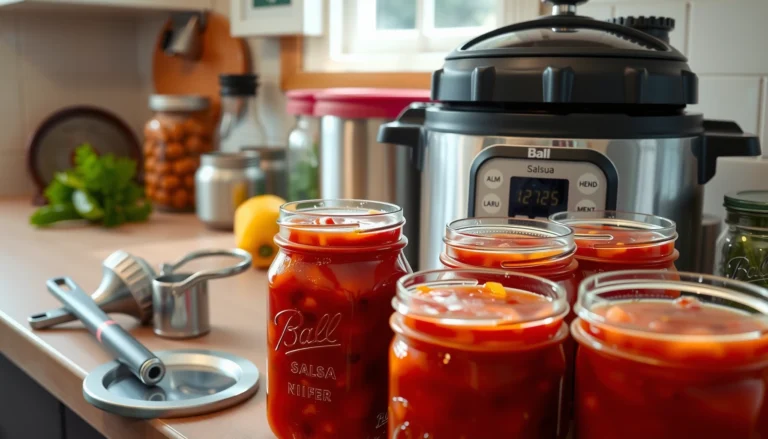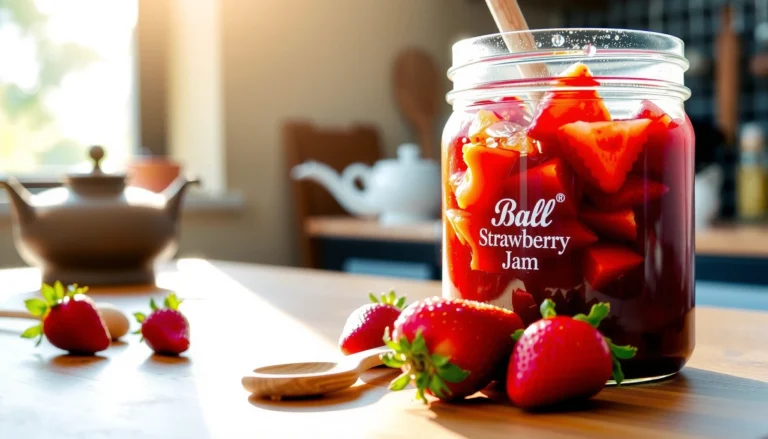
Master the art of crafting delicious pear jam with this complete expert guide, designed for both novice and seasoned canners. This guide meticulously outlines essential recipes, safety protocols, and expert tips to ensure your pear jam is not only flavorful but also safely preserved. Following the right procedures is crucial for preventing spoilage and achieving that perfect texture, making it vital to understand each step in the process. Dive into the world of pear jam and elevate your canning skills today.
What This Guide Covers (And What It Doesn’t)
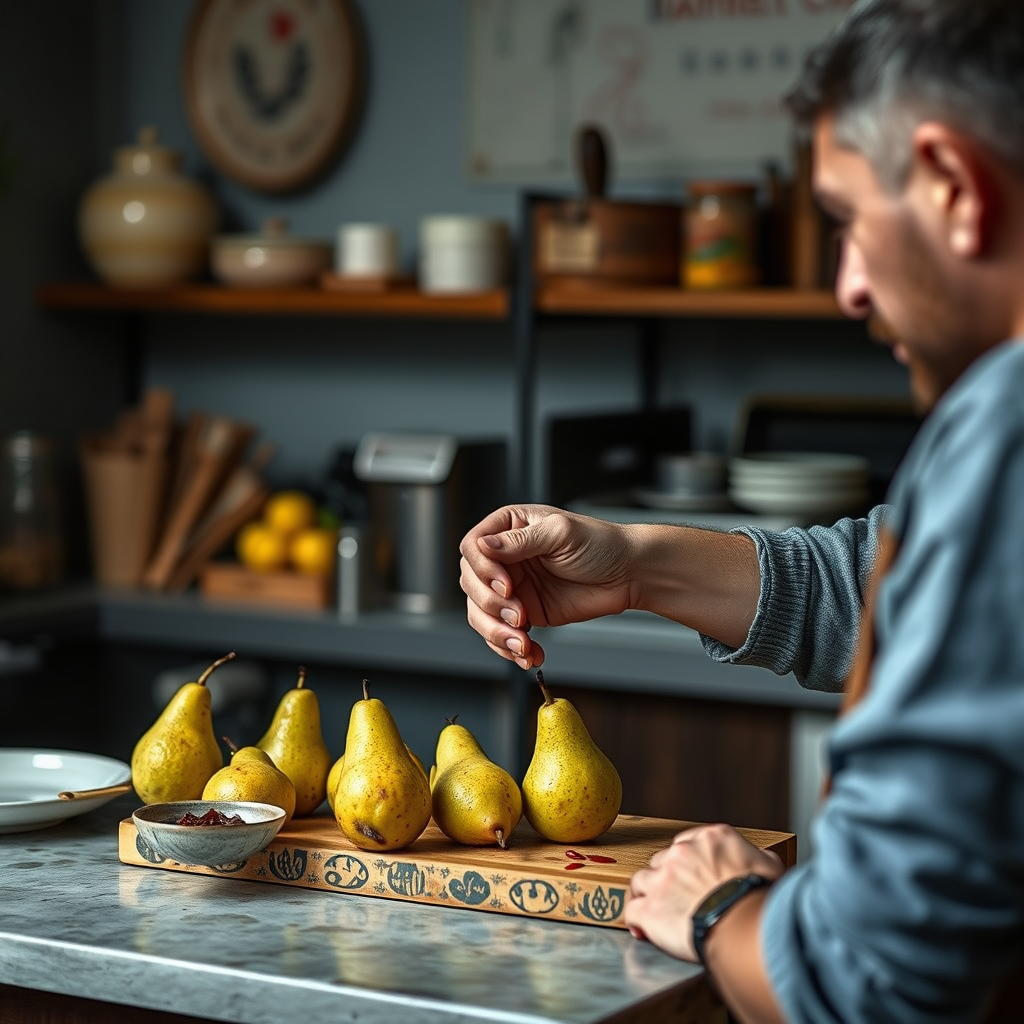
This guide offers an in-depth look at making pear jam, covering everything from ingredient selection to preparation methods and essential safety protocols for canning. It delves into traditional pear jam recipes, explores variations with added spices or fruits, and shares best practices for ensuring both quality and safety. Notably, this guide excludes topics such as pear preserves, pear butter, and recipes that stray significantly from the traditional jam-making process, as well as commercial production methods.
Who Should Read This
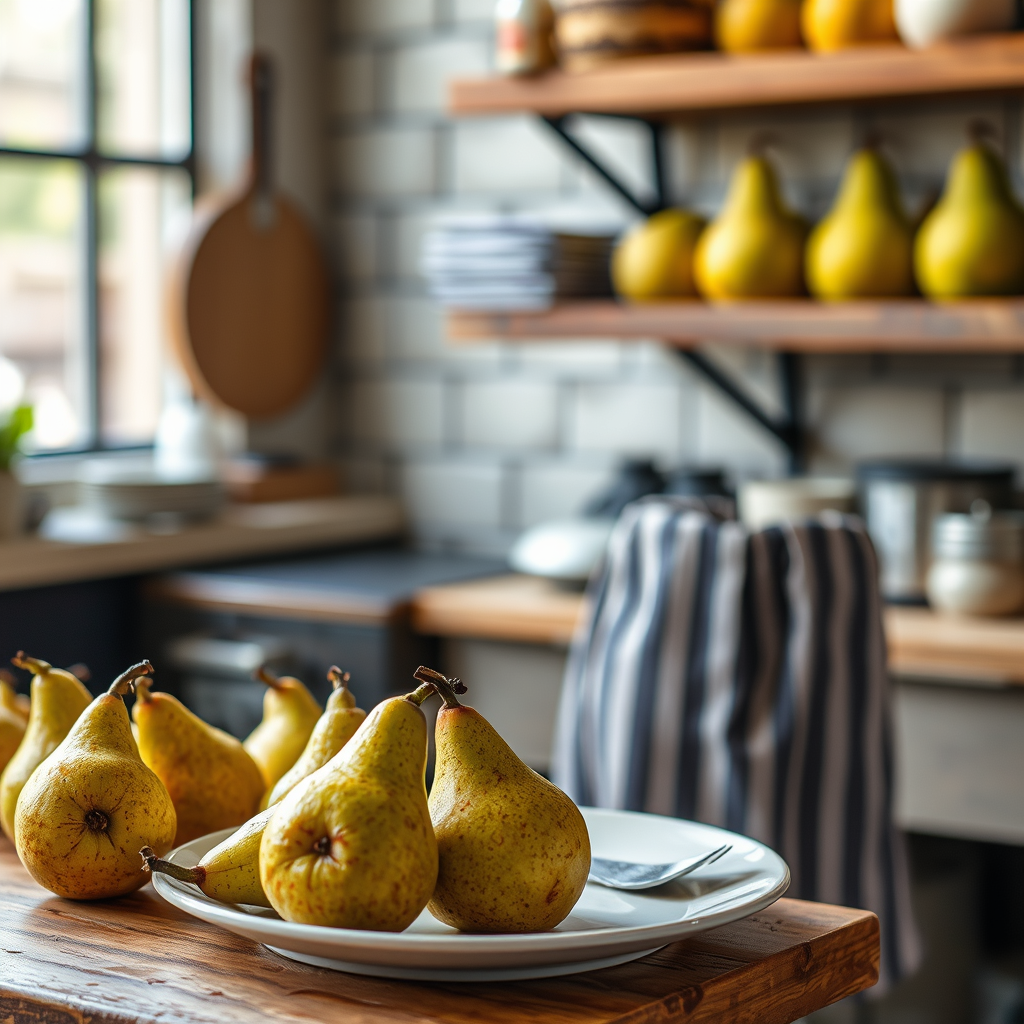
Home cooks with a fundamental understanding of canning and preserving will find this guide particularly helpful, especially those keen on fruit preserves. It’s designed for individuals who are comfortable using pectin and have access to fresh, ripe pears and the necessary canning equipment. While some sections might pose challenges for beginners, prior experience with basic cooking techniques will be beneficial.
The Step-by-Step Protocol
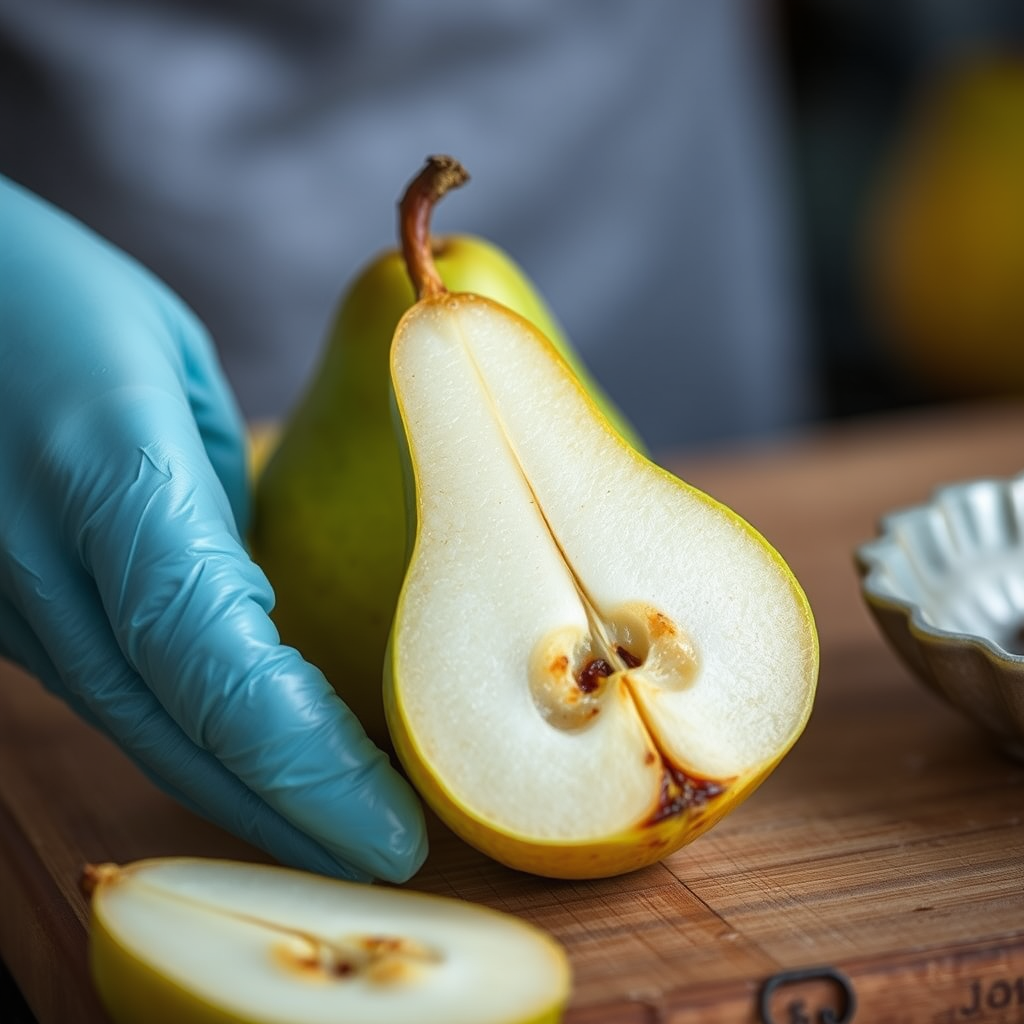
1. Select and Prepare Pears: Start by choosing 4 cups of ripe pears, which amounts to about 6-8 medium-sized fruits. Wash them thoroughly under running water. Peel and core the pears, then chop them into small pieces, roughly 1/2 inch in size. This will ensure even cooking and enhance the texture of the final jam.
2. Measure Ingredients: In a large, heavy-bottomed pot, combine the chopped pears with 1 cup of granulated sugar and 1 tablespoon of lemon juice. The sugar not only contributes sweetness but also acts as a preservative, while the lemon juice helps balance the flavors and boosts acidity—an essential factor for safe canning.
3. Cook the Mixture: Set the pot over medium heat and stir the pear and sugar mixture frequently until the sugar is completely dissolved, which should take about 5 minutes. Once dissolved, bring the mixture to a gentle boil. Continue boiling for about 10-15 minutes, stirring often to prevent sticking. The mixture should thicken slightly during this stage.
4. Add Pectin: Gradually stir in 1 package (1.75 oz) of powdered pectin into the boiling mixture, making sure it is well incorporated. Maintain the boil for an additional 1-2 minutes. Use a candy or jelly thermometer to check that the mixture reaches 220°F, the temperature necessary for proper gelling.
5. Jar and Seal: After achieving the correct temperature, carefully pour the jam into sterilized jars, leaving a 1/4-inch headspace at the top. Wipe the rims of the jars with a clean, damp cloth to eliminate any residue that could hinder a proper seal. Place the sterilized lids on top of the jars and secure the metal bands until they are fingertip-tight. Process the jars in a water bath canner for 10 minutes to ensure a secure seal.
Warning Signs: When Not to Follow This

– Avoid this protocol if your pears are overripe, bruised, or visibly spoiled, as this can compromise both the safety and flavor of the jam.
– Refrain from making pear jam in humid conditions; high humidity can disrupt the gelling process and lead to spoilage. Aim for a cool, dry kitchen.
– If you spot any signs of mold, off-odors, or unusual colors after processing, do not consume the jam. Discard it immediately to avoid foodborne illness.
The Most Common Mistakes (And Their Consequences)
– A frequent mistake is inaccurate sugar measurement. Using insufficient sugar can hinder proper gelling, resulting in a runny jam that fails to set as desired, leading to disappointment when opening a jar.
– Omitting the lemon juice can yield a jam that is overly sweet and lacks the necessary acidity for safe canning. Inadequate acidity may permit the growth of harmful bacteria, including botulism.
– Neglecting to process jars in a water bath for the recommended time can result in improper seals, increasing the risk of spoilage or bacterial growth, making the jam unsafe to consume.
Special Cases That Need a Different Approach
– For low-sugar pear jam, consider using low-sugar pectin and reducing the sugar to 1/2 cup per 4 cups of pears. Be sure to adjust cooking times as needed, as low-sugar recipes often require additional cooking time for proper gelling.
– If you’re using firm or under-ripe pears, simmer them longer to soften before adding sugar and pectin. This will help achieve a desirable texture in the final product.
– When mixing pears with other high-water fruits, such as berries, additional pectin may be necessary to achieve the desired consistency. Keep a close eye on the boiling process, as the gelling point may vary.
When You Need a Professional
– If you’re uncertain about acidity levels, particularly when combining pears with low-acid fruits, consult a food preservation expert or your local extension service. They can offer tailored advice based on your specific recipe and ingredients.
– Should you have doubts about the safety of your canned products—such as if they were improperly sealed or show signs of spoilage—seek guidance from a certified food safety professional. Prioritizing food safety is crucial to avoid health risks.
– If you have specific dietary restrictions or allergies, discuss ingredient substitutions with a registered dietitian to ensure safety and compliance with your health needs. This is especially important if you’re considering adding spices or other flavorings that may not be suitable for everyone.
Sources and Further Reading
– “The Ball Book of Canning and Preserving” offers foundational techniques and recipes for home canning, including fruit jams and jellies. It is a trusted resource among home canners.
– The USDA Complete Guide to Home Canning provides detailed safety guidelines and protocols for canning fruits and preserves, ensuring that your methods align with national food safety standards.
– The National Center for Home Food Preservation supplies updated, research-based information on safe canning practices, including pear jam recipes and troubleshooting tips. This resource is invaluable for home canners looking to stay informed about best practices.
By following this expert guide, you will be well-equipped to create delicious, safe, and high-quality pear jam that can be enjoyed throughout the year. Happy canning!
Frequently Asked Questions
What are the best pears to use for making jam?
The best pears for making jam are those that are firm and juicy, such as Bartlett, Bosc, or Anjou pears. These varieties have the right balance of sweetness and acidity, which helps create a flavorful and well-balanced jam. Selecting ripe pears that are not overly soft will also ensure your jam has a good texture.
How do I make homemade pear jam?
To make homemade pear jam, start by peeling, coring, and chopping about 4 cups of ripe pears. Combine the pears with 1 cup of sugar, the juice of one lemon, and a packet of pectin in a large pot. Cook over medium heat until it reaches a rolling boil, then let it simmer for about 10 minutes until it thickens. Pour the jam into sterilized jars, seal, and process in a water bath for preservation.
Why is my pear jam not setting properly?
If your pear jam is not setting, it may be due to insufficient pectin or not cooking the mixture long enough. Ensure you’re using the right amount of pectin according to your recipe and allow the jam to boil for the recommended time. Additionally, using under-ripe pears can lead to low pectin content, so always opt for ripe fruit for a firmer set.
What spices can I add to enhance the flavor of pear jam?
To enhance the flavor of pear jam, consider adding spices like cinnamon, nutmeg, or ginger. These spices complement the natural sweetness of the pears and add warmth and complexity to the jam. A teaspoon of vanilla extract can also elevate the flavor profile, making your pear jam even more delicious.
Which jars are best for storing homemade pear jam?
The best jars for storing homemade pear jam are glass canning jars that are specifically designed for preserving. Look for jars with a wide mouth for easy filling and cleaning, such as Ball or Kerr jars. Ensure they are properly sterilized before use to prevent contamination and extend the shelf life of your homemade jam.
References
- Pear
https://en.wikipedia.org/wiki/Pear - https://www.ncbi.nlm.nih.gov/pmc/articles/PMC4760769/
https://www.ncbi.nlm.nih.gov/pmc/articles/PMC4760769/ - https://www.sciencedirect.com/topics/agricultural-and-biological-sciences/pear
https://www.sciencedirect.com/topics/agricultural-and-biological-sciences/pear - Pear | Description, Uses, & Types | Britannica
https://www.britannica.com/plant/pear - https://www.healthline.com/nutrition/pear-benefits
https://www.healthline.com/nutrition/pear-benefits - https://www.fda.gov/food/food-labeling-nutrition/food-safety-and-your-fresh-fruits-and-vegetables
https://www.fda.gov/food/food-labeling-nutrition/food-safety-and-your-fresh-fruits-and-vegetables - Pears, raw nutrition facts and analysis.
https://www.nutritionvalue.org/pears%2C_raw_nutritional_value.html - Google Scholar Google Scholar
https://scholar.google.com/scholar?q=pear+recipes+jam - Google Scholar Google Scholar
https://scholar.google.com/scholar?q=pear+preservation+methods - Google Scholar Google Scholar
https://scholar.google.com/scholar?q=pear+jam+health+benefits