Discover the secrets to creating perfect orange jam with this expert guide that details a step-by-step protocol for safe and delicious results. Designed for both novice and seasoned cooks, this comprehensive resource emphasizes the importance of following precise techniques to ensure flavor, texture, and safety in your homemade preserves. Master the art of orange jam making and elevate your culinary skills with confidence.
What This Guide Covers (And What It Doesn’t)

This guide offers a thorough, step-by-step protocol for crafting orange jam at home, outlining the necessary ingredients, equipment, and techniques to ensure both safety and quality. It underscores the importance of proper sterilization and canning methods to prevent spoilage, thereby protecting the integrity of your preserved goods. By focusing on traditional methods and utilizing whole fruits, this guide promises a flavorful product that can be enjoyed year-round.
However, it’s important to note that this guide does not delve into alternative fruit jams or modern shortcuts like microwave jam-making methods. Such methods often fall short of the safety standards crucial for long-term storage and may compromise the quality of the final product.
Who Should Read This
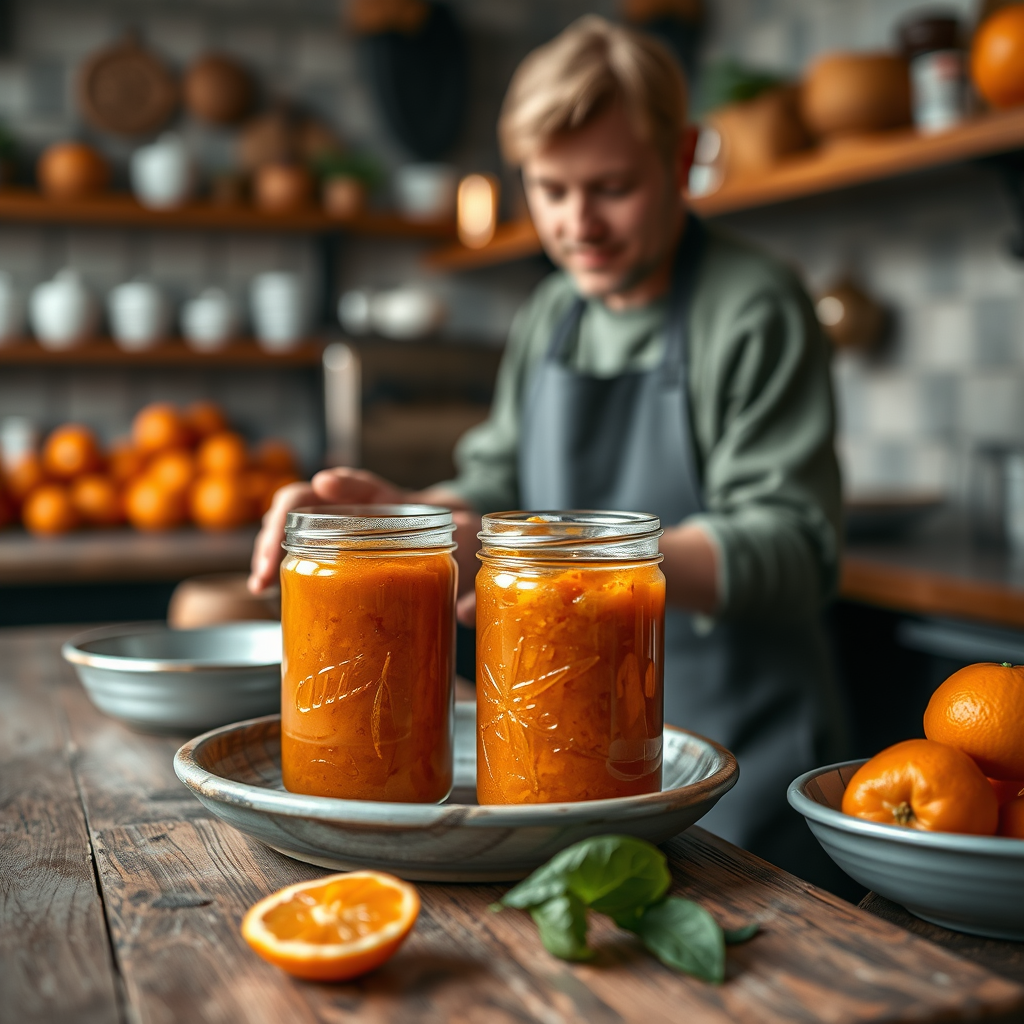
This guide is designed for home cooks with basic kitchen skills, including the ability to measure ingredients and use tools such as jars and canners. It is especially suited for individuals interested in food preservation or those looking to create homemade gifts and pantry staples from fresh oranges. While beginners are encouraged to read the entire guide, those with no prior cooking experience may find the process challenging without the support of a more seasoned cook.
The Step-by-Step Protocol
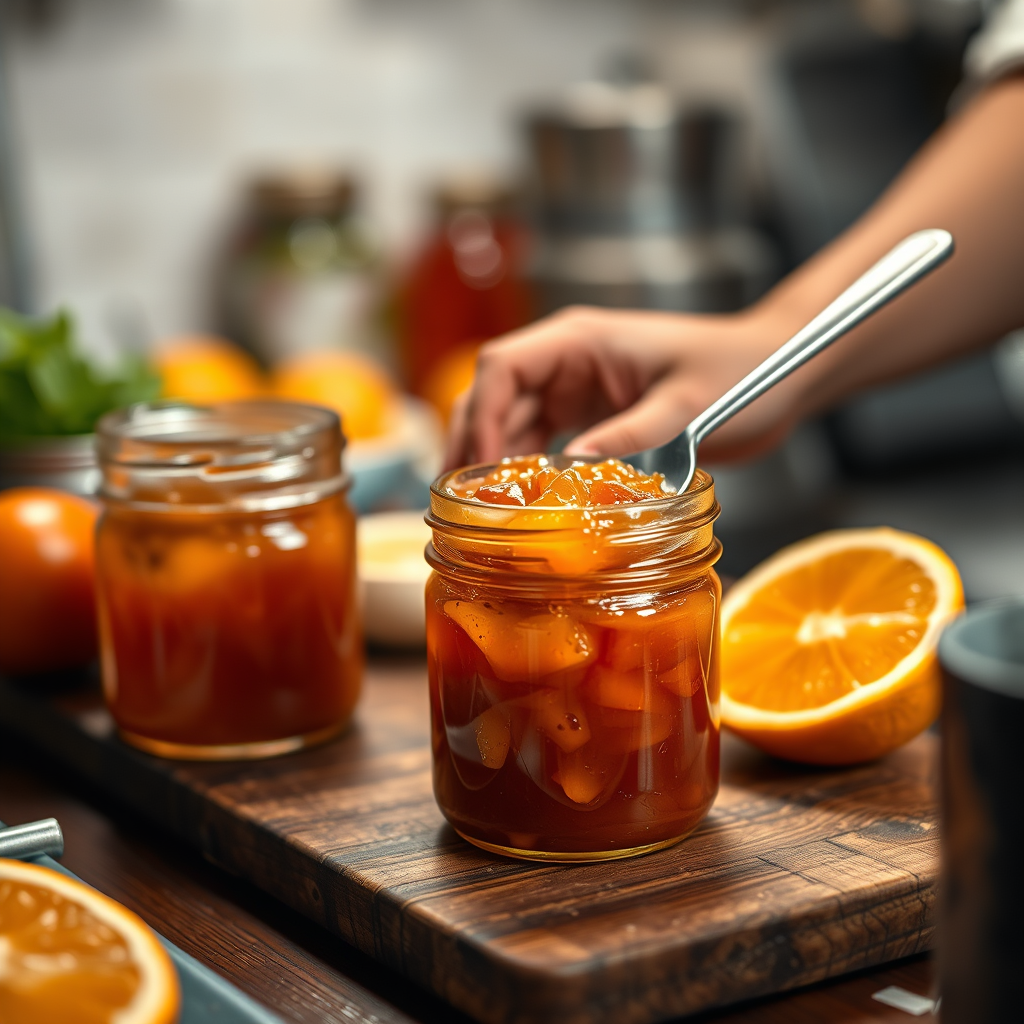
1. Gather Ingredients: Collect 4 cups of finely chopped oranges, which is approximately 6 to 8 medium-sized oranges, 1 cup of granulated sugar, and the juice of 2 lemons. Ensure that the oranges are ripe and free from blemishes for the best flavor and consistency.
2. Prepare Jars and Equipment: Sterilize your canning jars and lids by boiling them in water for 10 minutes. After boiling, let them air dry on a clean towel to prevent contamination. It’s crucial that all equipment is free from any soap residue or other contaminants.
3. Cook the Jam: In a large, heavy-bottomed pot, combine the chopped oranges, sugar, and lemon juice. Cook over medium heat, stirring occasionally, until the mixture reaches a rolling boil. This initial phase allows the sugar to dissolve and the flavors to meld together.
4. Test for Doneness: Use a candy thermometer to ensure the mixture reaches 220°F (104°C), the gel point for orange jam. Alternatively, perform the spoon test: place a small amount of the jam on a chilled plate; if it holds its shape and does not run, it is done cooking.
5. Fill and Seal Jars: Pour the hot jam into the prepared jars, leaving a 1/4-inch headspace at the top. This space is essential for proper sealing. Wipe the rims clean with a damp cloth to remove any residue, then place the lids on and screw on the bands until they are fingertip-tight. Avoid over-tightening, as this can impede the sealing process.
6. Process the Jars: Process the jars in a boiling water bath for 10 minutes to ensure proper sealing and preservation. Adjust the processing time for altitude: increase the time by 1 minute for every 1,000 feet above sea level. This step is critical for eliminating any bacteria that could cause spoilage.
7. Cool and Store: After processing, carefully remove the jars from the water bath and let them cool on a clean towel for 24 hours. Check the seals by pressing down on the center of each lid; if it does not pop back, the jar is sealed. Store the sealed jars in a cool, dark place. Unsealed jars can be refrigerated and used within a week.
Warning Signs: When Not to Follow This
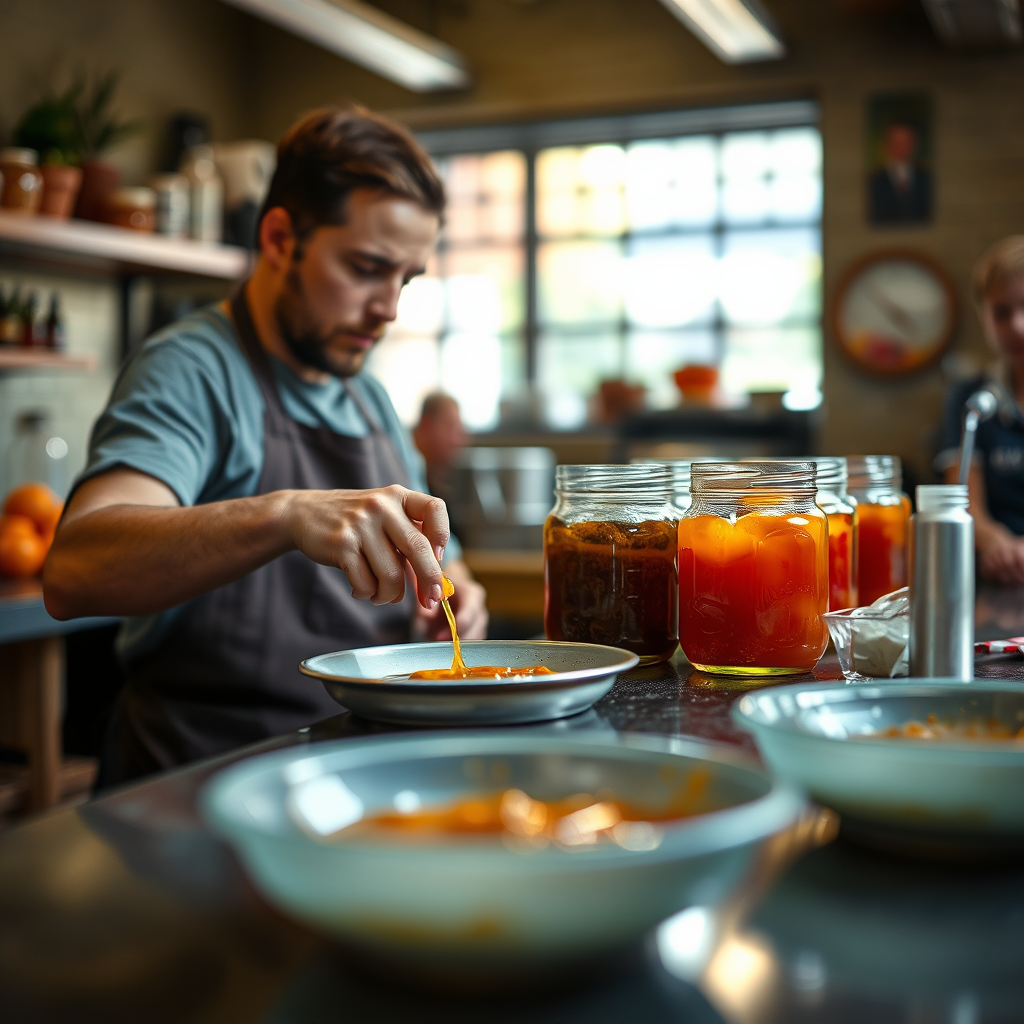
– If your oranges show signs of spoilage, such as mold, an off smell, or a mushy texture, do not use them for jam preparation. Spoiled fruit can lead to foodborne illnesses.
– Avoid making orange jam if you cannot maintain proper sterilization of jars and equipment. Inadequate sterilization increases the risk of spoilage and bacterial growth, which can render the jam unsafe for consumption.
– If you cannot reach the required temperature of 220°F (104°C) during cooking, do not seal the jam. Failure to achieve this temperature will result in a product that will not set properly, increasing the likelihood of spoilage.
The Most Common Mistakes (And Their Consequences)
– Failing to accurately measure sugar can lead to a jam that does not set properly. It is essential to maintain a sugar-to-fruit ratio of approximately 1:4 for optimal results. Insufficient sugar can result in a runny consistency.
– Neglecting to process jars in a boiling water bath can lead to unsafe preservation. This oversight can result in spoilage or, in severe cases, botulism in canned goods. Always follow the recommended processing times and methods.
– Ignoring the importance of headspace can cause jars to overflow during processing, leading to unsealed jars and wasted jam. Proper headspace is critical for the formation of an airtight seal.
Special Cases That Need a Different Approach
– If using low-sugar pectin for orange jam, follow the specific instructions on the pectin package. The sugar ratio and cooking time may differ from traditional recipes, impacting the final texture and flavor.
– For individuals with citrus allergies, consider using hybrid oranges or substituting with other fruits such as peaches. Be mindful, however, that different fruits have varying sugar and pectin requirements, which can affect the gelling process.
– If you prefer a smoother texture, consider blending the oranges before cooking. However, this modification can affect both the cooking time and the gelling process, so adjustments should be made accordingly.
When You Need a Professional
– If you are unsure about the safety of your canning process or have questions about food preservation techniques, consult a certified extension agent or a food preservation expert. Proper guidance can help prevent safety hazards.
– Seek professional guidance if you experience any signs of spoilage, such as bulging lids or off smells from your jars. These indicate potential food safety hazards that require immediate attention.
– If you have underlying health conditions that may affect your ability to consume canned goods, consult a healthcare provider for personalized advice before proceeding with canning.
Sources and Further Reading
– USDA Complete Guide to Home Canning: This resource offers authoritative guidelines on safe canning practices and preserving fruits.
– Ball’s Blue Book Guide to Preserving: A classic reference for various canning methods, including jams and jellies, with tested recipes that ensure quality and safety.
– National Center for Home Food Preservation: This organization provides research-based information on home canning and preserving to ensure safety and quality.
By adhering to the guidelines outlined in this expert guide, you can confidently create delicious orange jam that is both safe and flavorful, enriching your pantry and enhancing your culinary repertoire.
Frequently Asked Questions
What ingredients are needed for a basic orange jam recipe?
To make a basic orange jam, you will need fresh oranges, granulated sugar, and lemon juice. The usual ratio is about four cups of chopped oranges to three cups of sugar, along with the juice of one lemon to help balance the sweetness and enhance flavor.
How do I properly prepare oranges for making jam?
To prepare oranges for jam, start by washing them thoroughly to remove any wax or pesticides. Next, peel the oranges, remove any seeds, and chop the fruit into small pieces, ensuring to include some zest for added flavor. This preparation will help achieve a smooth and delicious orange jam.
Why is my orange jam too runny, and how can I fix it?
If your orange jam turns out too runny, it may be due to insufficient cooking time or not using enough sugar to set the pectin. To fix it, return the jam to the pot, bring it back to a boil, and simmer for an additional 10-15 minutes. You can also add a bit of commercial pectin to help thicken it.
What is the best method for canning orange jam?
The best method for canning orange jam involves sterilizing your jars and lids beforehand, filling them with hot jam while leaving a quarter-inch headspace, and sealing them tightly. Process the jars in a boiling water bath for about 10 minutes to ensure they are preserved properly and can last for up to a year when stored in a cool, dark place.
Which type of oranges is best for making jam?
The best types of oranges for making jam are navel oranges and Valencia oranges, as they have a sweet flavor and juicy flesh. Navel oranges are seedless, making them easier to work with, while Valencia oranges are known for their rich taste and are perfect for juicing, enhancing your jam’s flavor profile.
References
- Fruit preserves
https://en.wikipedia.org/wiki/Jam - https://www.sciencedirect.com/topics/agricultural-and-biological-sciences/orange-jam
https://www.sciencedirect.com/topics/agricultural-and-biological-sciences/orange-jam - https://www.nutrition.gov/topics/nutrition-research/jams-jellies-and-preserves
https://www.nutrition.gov/topics/nutrition-research/jams-jellies-and-preserves - Google Scholar Google Scholar
https://scholar.google.com/scholar?q=orange+jam+recipe - Google Scholar Google Scholar
https://scholar.google.com/scholar?q=making+orange+jam - Google Scholar Google Scholar
https://scholar.google.com/scholar?q=orange+jam+preservation - https://www.nature.com/articles/s41545-018-0024-3
https://www.nature.com/articles/s41545-018-0024-3 - Jam | food | Britannica
https://www.britannica.com/topic/jam-food - orange jam recipe – Search results
https://en.wikipedia.org/wiki/Special:Search?search=orange+jam+recipe - https://www.ncbi.nlm.nih.gov/search/research-articles/?term=orange+jam+recipe
https://www.ncbi.nlm.nih.gov/search/research-articles/?term=orange+jam+recipe