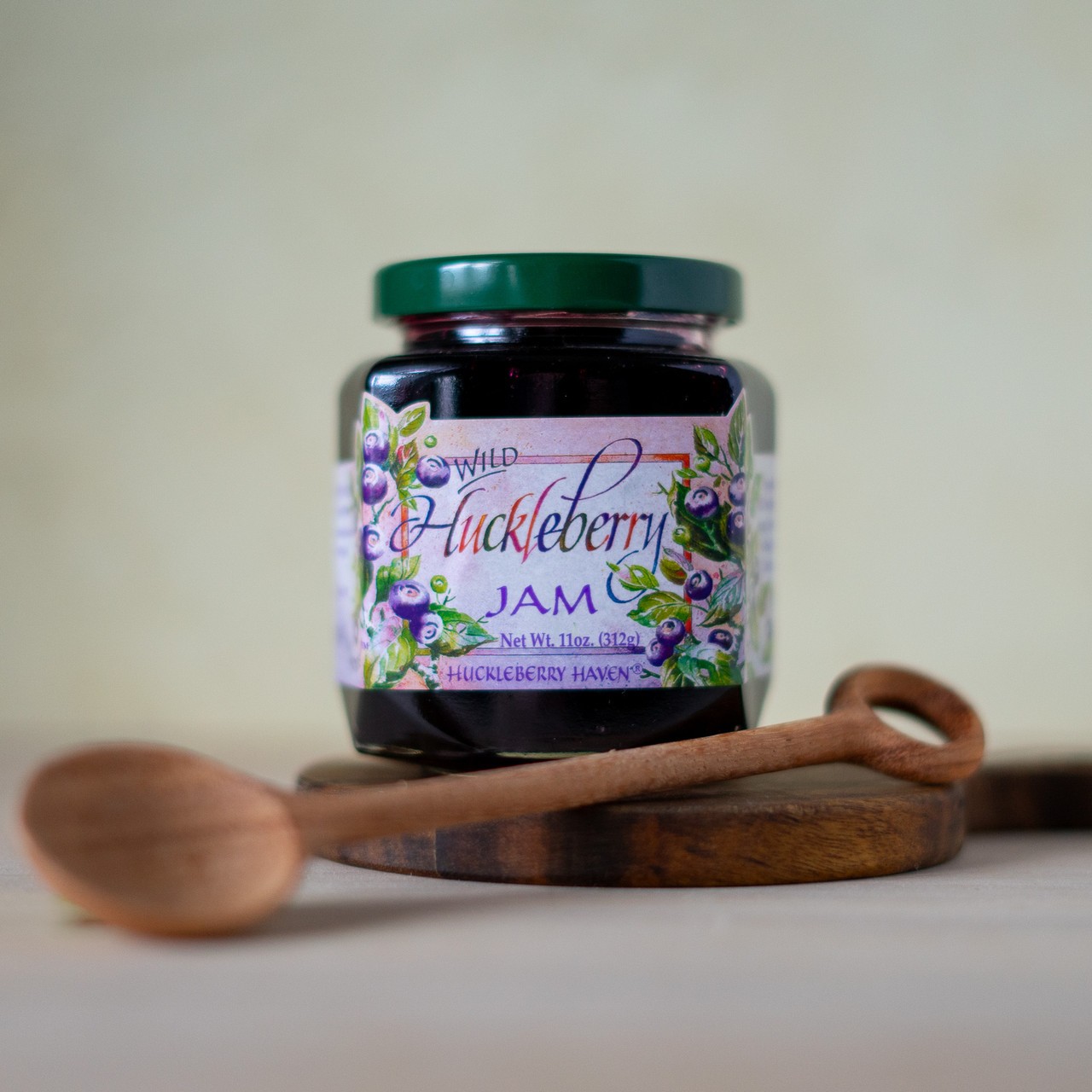
Master the art of making huckleberry jam with our expert protocols that ensure safety and flavor in every batch. This comprehensive guide covers key recipes, essential techniques, and important safety measures to preserve the vibrant taste of huckleberries. Following these protocols not only enhances your culinary skills but also guarantees a delicious and safe jam that you can enjoy for months.
What This Guide Covers (And What It Doesn’t)

This guide provides a comprehensive overview of safe methods and techniques for making huckleberry jam. It focuses on specific recipes, ingredient ratios, and canning procedures. You’ll find detailed instructions on selecting, preparing, and cooking huckleberries, along with guidelines for proper canning and storage to ensure both safety and quality. However, this guide does not cover other types of berry jams or preserves, nor does it delve into commercial jam production or alternative preservation methods, such as freezing or dehydrating.
Who Should Read This

This guide is tailored for home cooks who possess a basic understanding of fruit preservation and canning techniques, especially those eager to make huckleberry jam from scratch. It caters to both novice and experienced canners looking to refine their skills while adhering to safe practices. If you aren’t able to access fresh huckleberries or are seeking recipes that do not involve canning or preserving, this guide may not meet your needs, as it specifically focuses on huckleberry jam production.
The Step-by-Step Protocol

1. Gather Ingredients: Begin by gathering 4 cups of fresh huckleberries, 2 cups of granulated sugar, and 1/4 cup of freshly squeezed lemon juice for a standard batch. Ensure that all ingredients are fresh, ripe, and free from any signs of mold or spoilage. Fresh huckleberries should be firm and vibrant in color.
2. Prepare Huckleberries: Place the huckleberries in a colander and rinse them gently under cold running water. Remove any stems, leaves, or damaged berries. After rinsing, transfer the huckleberries to a large mixing bowl and mash them gently with a fork or potato masher to release their juices. Be careful not to pulverize them completely; you want some texture in the jam.
3. Cook the Mixture: In a large, heavy-bottomed pot, combine the mashed huckleberries, granulated sugar, and lemon juice. Heat the mixture over medium heat, stirring frequently until the sugar is fully dissolved. Once dissolved, increase the heat and bring the mixture to a rolling boil. Boil for 10 to 15 minutes, stirring continuously to prevent sticking and burning.
4. Test for Doneness: To check for doneness, use a candy thermometer to monitor the temperature of the jam. It should reach 220°F (104°C), indicating that it has reached the proper gelling point. Alternatively, you can perform the plate test: place a spoonful of the jam on a chilled plate and return it to the freezer for about 1 minute. Run your finger through the jam; if it holds its shape and wrinkles slightly, it is ready for canning.
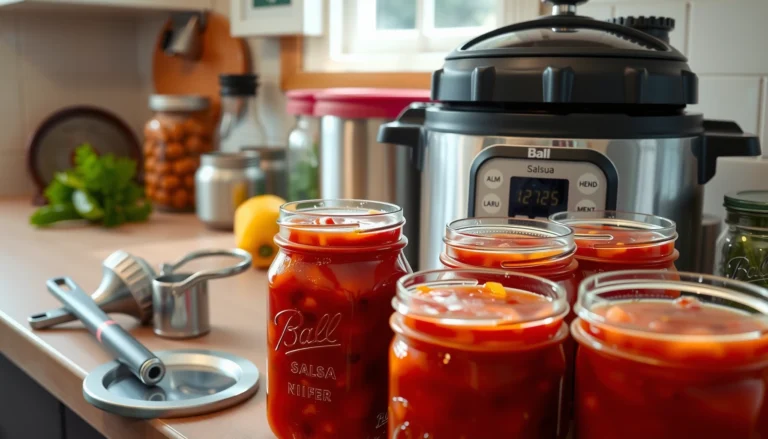
5. Prepare for Canning: While the jam is cooking, prepare your canning jars and lids. Sterilize the jars by placing them in a boiling water bath for at least 10 minutes. Keep the jars hot until you are ready to fill them. In a separate pot, simmer the lids in hot water to soften the sealing compound, avoiding boiling to prevent damage.
6. Fill and Seal Jars: Once the jam is ready, ladle it into the hot, sterilized jars, leaving about 1/4-inch headspace at the top. Wipe the rims of the jars with a clean, damp cloth to remove any residue. Place the prepared lids on the jars and screw on the metal bands until they are fingertip-tight, ensuring they are secure but not overly tight to allow for expansion.
7. Process the Jars: Process the jars in a boiling water bath for 10 minutes to ensure a proper seal and eliminate any potential bacteria. Adjust the boiling time based on your altitude—add 1 additional minute for every 1,000 feet above sea level.
8. Cool and Store: After processing, carefully remove the jars from the boiling water bath and place them on a clean, dry towel or cooling rack. Allow them to cool undisturbed for 12 to 24 hours. After cooling, check the seals by pressing down on the center of each lid; it should not pop back. Store the sealed jars in a cool, dark place for up to one year.
Warning Signs: When Not to Follow This
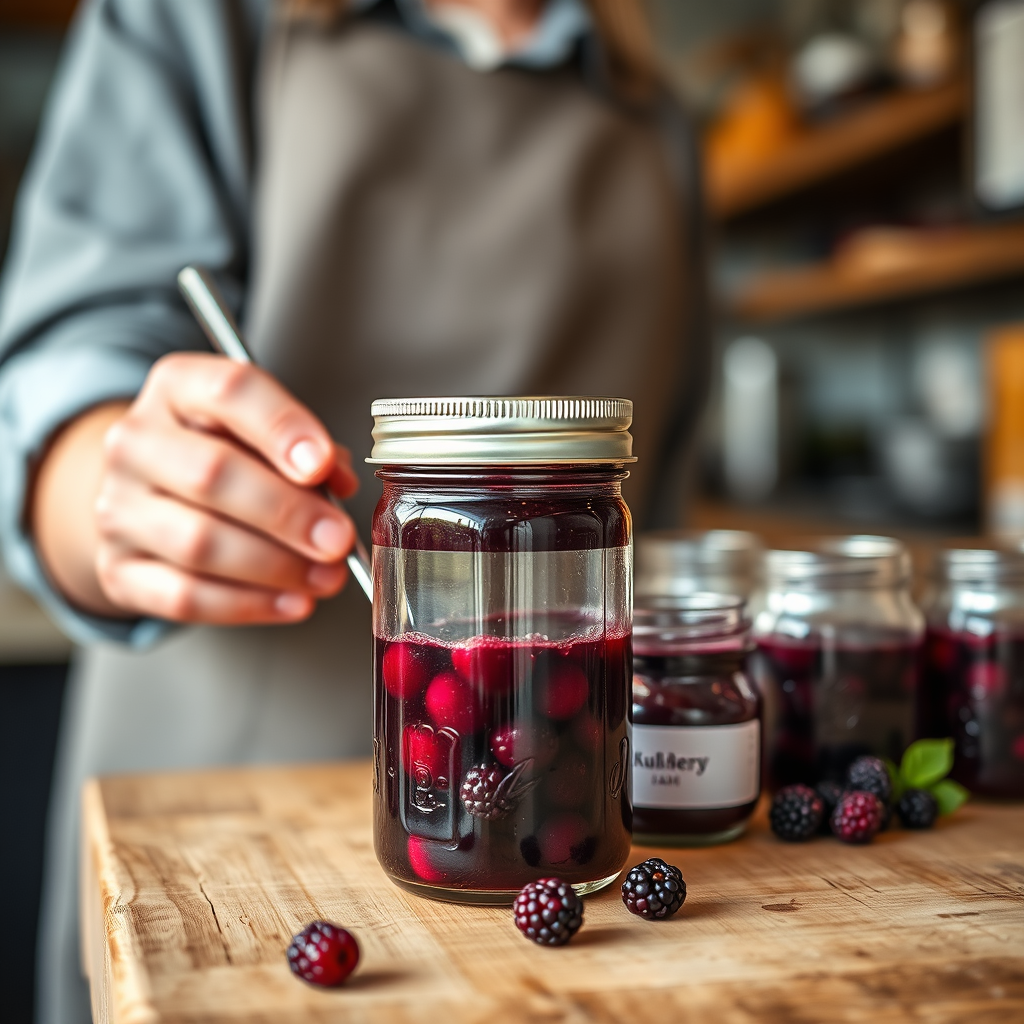
Avoid making huckleberry jam if you notice any signs of spoilage in the fruit, such as mold, an off smell, or an excessively soft texture, as these can lead to unsafe consumption. Additionally, do not attempt to can huckleberry jam if you lack proper equipment, such as a pressure canner or sterilized jars, as this increases the risk of spoilage and foodborne illness. If you are unsure about your ability to maintain safe canning temperatures or times, it is best to hold off on this recipe until you gain more experience.
The Most Common Mistakes (And Their Consequences)
One frequent error is inaccurate measurement of ingredients, particularly the sugar. This can result in jam that fails to set properly and possesses a runny consistency. Skipping the sterilization process for jars can lead to bacterial growth and spoilage, rendering the jam unsafe for consumption. Failing to monitor the temperature during cooking may result in either burnt jam or a product that does not reach the necessary temperature for proper gelling. Another common mistake involves not processing the jars long enough, which can lead to seal failures and spoilage.
Special Cases That Need a Different Approach
If you are using frozen huckleberries instead of fresh, it’s advisable to slightly increase the cooking time to account for the additional moisture released during thawing. For those with dietary restrictions, consider using low-sugar or sugar substitute options, but ensure you follow specific recipes designed for such variations to guarantee safety and proper gelling. If you wish to infuse flavors, such as vanilla or cinnamon, into your huckleberry jam, add these flavorings during the cooking process while adjusting the sugar levels accordingly to maintain the jam’s consistency.
When You Need a Professional
If you have any doubts about the safety of your canning process or notice abnormal changes in your jam post-canning—such as bulging lids or unusual odors—consult a food safety expert immediately. Individuals with health conditions that compromise their immune systems should seek professional guidance before attempting to make and consume home-canned products due to the risks associated with botulism and other foodborne illnesses. If you struggle to achieve a proper set with your jam after several attempts, consider consulting a food preservation specialist for tailored advice on troubleshooting your specific recipe.
Sources and Further Reading
– USDA Complete Guide to Home Canning: A trusted resource for safe canning practices and guidelines specifically for fruit preserves.
– National Center for Home Food Preservation: Offers in-depth information on canning techniques, ingredient ratios, and troubleshooting for homemade jams and jellies.
– The Ball Blue Book Guide to Preserving: A classic reference for home canning that includes reliable huckleberry jam recipes and preservation methods.
By following this complete guide, both novice and seasoned canners can confidently create delicious and safe huckleberry jam while adhering to best practices in home preservation.
Frequently Asked Questions
What are the essential ingredients for making huckleberry jam?
The essential ingredients for making huckleberry jam include fresh or frozen huckleberries, granulated sugar, lemon juice, and pectin. Huckleberries are naturally sweet and tart, making them a perfect base for jam, while lemon juice enhances the flavor and helps in setting the jam when combined with pectin.
How do I properly prepare huckleberries for jam making?
To prepare huckleberries for jam making, start by rinsing them gently under cold water to remove any dirt or debris. Remove any stems or leaves, and then crush the berries slightly to release their juices before measuring them out for your recipe. This step is crucial for achieving the best flavor and texture in your huckleberry jam.
Why is pectin important in huckleberry jam recipes?
Pectin is important in huckleberry jam recipes because it acts as a thickening agent that helps the jam set properly. Without pectin, the natural sugars in huckleberries may not gel effectively, resulting in a runny consistency. Using a commercial pectin can ensure a reliable and delicious outcome in your homemade jam.
What is the best method for canning huckleberry jam?
The best method for canning huckleberry jam involves using a water bath canner to ensure safe preservation. First, sterilize your jars and lids, then fill them with the hot jam, leaving appropriate headspace. Process the jars in boiling water for the recommended time based on your altitude to ensure a proper seal and prevent spoilage.
Which recipes can I try that incorporate huckleberry jam?
You can try various recipes that incorporate huckleberry jam, including huckleberry jam-filled pastries, as a topping for pancakes or waffles, or even as a glaze for meats like pork or chicken. Additionally, huckleberry jam makes a delightful addition to cheeseboards, pairing wonderfully with cream cheese or goat cheese for a tasty appetizer.
References
- Huckleberry
https://en.wikipedia.org/wiki/Huckleberry - https://www.bhg.com/recipes/how-to/cooking-basics/how-to-make-jam/
https://www.bhg.com/recipes/how-to/cooking-basics/how-to-make-jam/ - Extension publications | University of Idaho
https://www.extension.uidaho.edu/ - https://pubmed.ncbi.nlm.nih.gov/
https://pubmed.ncbi.nlm.nih.gov/ - https://www.nutrition.gov/topics/nutrition-education/recipes
https://www.nutrition.gov/topics/nutrition-education/recipes - Google Scholar Google Scholar
https://scholar.google.com/scholar?q=huckleberry+jam+recipes - https://www.oregon.gov/odfw/Pages/wildlife/huckleberries.aspx
https://www.oregon.gov/odfw/Pages/wildlife/huckleberries.aspx - https://www.sciencedirect.com/topics/agricultural-and-biological-sciences/huckleberry
https://www.sciencedirect.com/topics/agricultural-and-biological-sciences/huckleberry - Google Scholar Google Scholar
https://scholar.google.com/scholar?q=huckleberry+preservation - https://www.fs.usda.gov/wildflowers/ethnobotany/huckleberry.shtml
https://www.fs.usda.gov/wildflowers/ethnobotany/huckleberry.shtml