Master the art of crafting passion fruit jelly jam with this comprehensive expert guide, tailored for both novice and seasoned canners. This guide details precise recipes, techniques, and safety protocols essential for creating delicious and safe preserves. Adhering to these guidelines ensures not only optimal flavor but also the health and safety of your homemade creations. Elevate your culinary skills while savoring the vibrant taste of passion fruit in every jar.
What This Guide Covers (And What It Doesn’t)
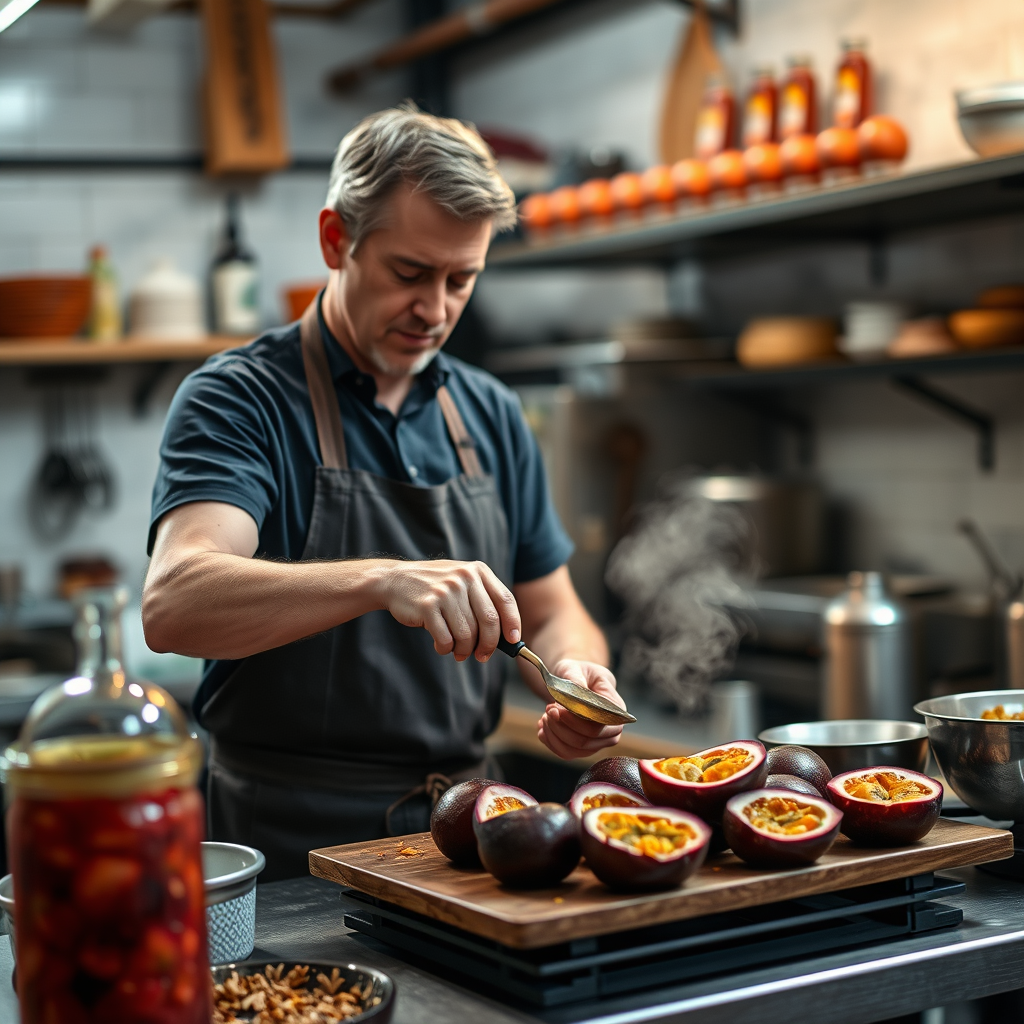
This guide delivers a comprehensive recipe for crafting passion fruit jelly jam, detailing ingredient specifics, proper canning techniques, and essential safety measures for home preservation. It deliberately excludes alternative jams, jelly recipes beyond passion fruit, and commercial production methods. The focus remains on home cooks eager to create this distinctive jelly. Readers can anticipate a clear, step-by-step protocol for making passion fruit jelly jam, along with potential pitfalls and troubleshooting tips to ensure a successful outcome.
Who Should Read This

This guide is tailored for home cooks who possess basic knowledge of canning and preserving, especially those keen on experimenting with exotic fruits like passion fruit. It also serves individuals looking to expand their culinary skills in fruit preserving and those committed to sustainable cooking practices by utilizing seasonal fruits. Beginners without any canning experience may find the guide challenging; thus, it’s advisable to first familiarize themselves with basic water bath canning techniques.
The Step-by-Step Protocol
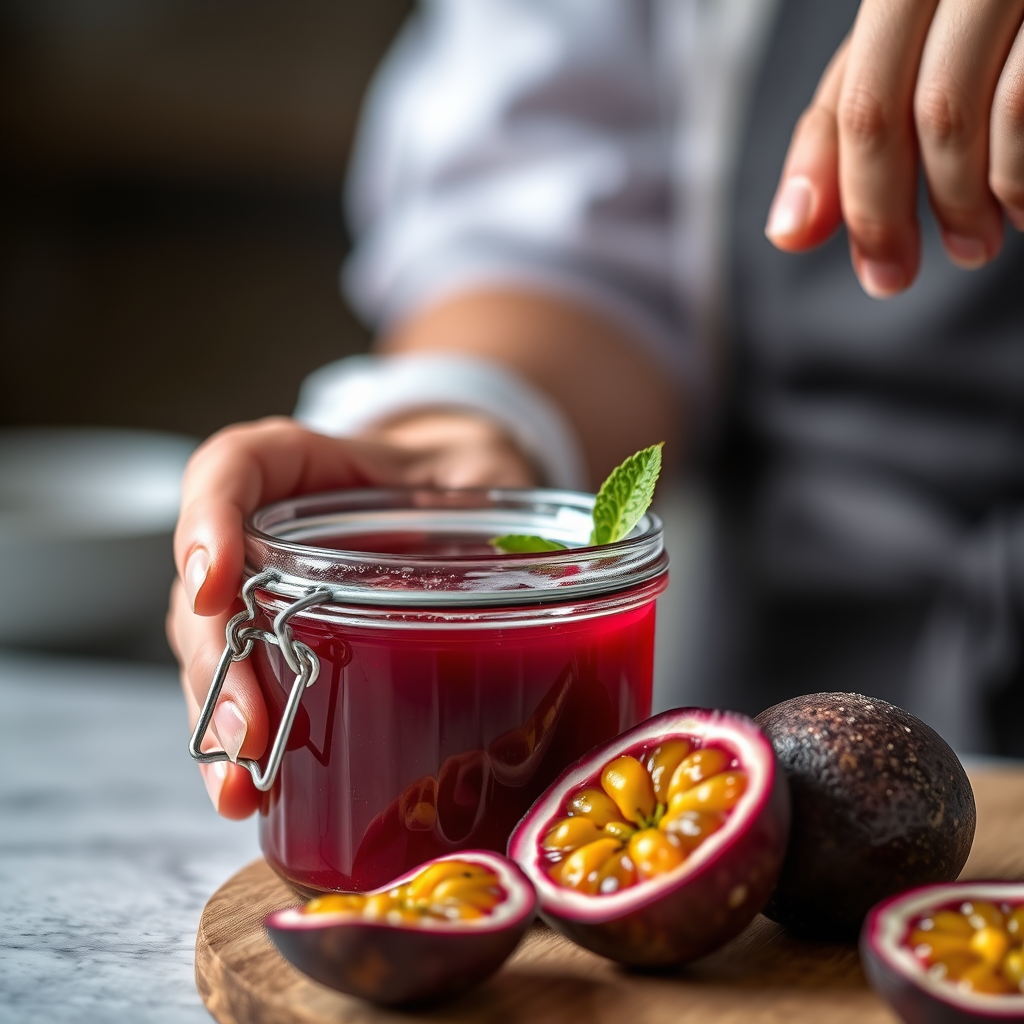
1. Gather the ingredients: You will need 4 cups of fresh passion fruit juice (approximately 20-30 fruits), 1 cup of granulated sugar, 1/4 cup of lemon juice, and 1 packet (1.75 oz) of pectin. Ensure that the passion fruits are ripe, as this will enhance the flavor of your jelly.
2. Prepare your jars and lids: Sterilize 4 half-pint jars and lids by boiling them for 10 minutes in water. This step is crucial to create a safe sealing environment and to prevent microbial contamination.
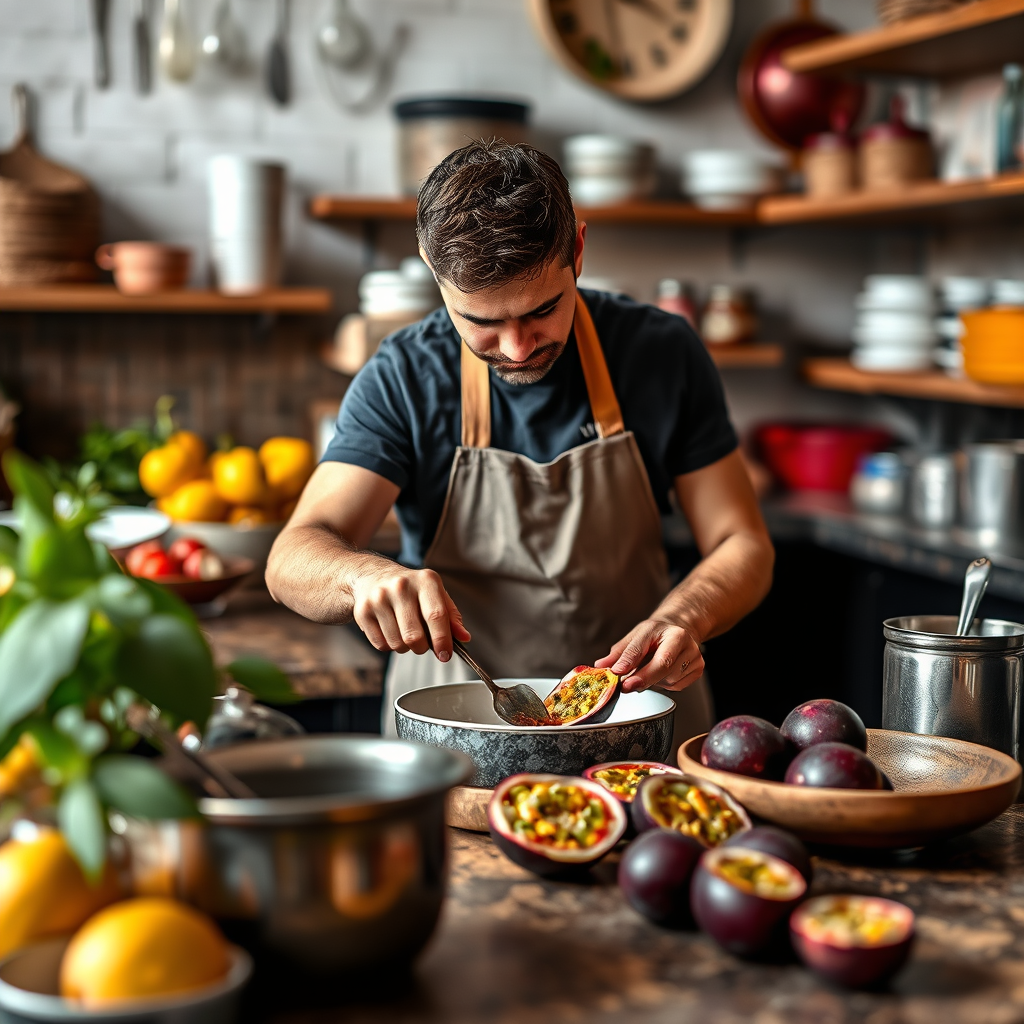
3. Extract juice: Cut the passion fruits in half, scoop out the pulp, and strain it through a fine mesh sieve to obtain the juice, ensuring to collect any seeds. You should achieve a clear, strained juice, which is essential for a smooth jelly.
4. Combine ingredients: In a large saucepan, mix the passion fruit juice, lemon juice, and pectin. Stir continuously while bringing the mixture to a boil. Once it reaches a rolling boil, add the sugar and bring it back to a rapid boil for exactly 1 minute. This boiling action activates the pectin, allowing the jelly to set.
5. Fill jars: Using a funnel, carefully ladle the hot jelly into the prepared jars, leaving about 1/4 inch of headspace at the top. Wipe the rims of the jars with a clean, damp cloth to eliminate any residue that could interfere with sealing.
6. Seal and process: Place the sterilized lids on top of the jars and screw on the metal bands until they are fingertip tight. Process the jars in a boiling water bath for 5-10 minutes. Ensure the jars remain fully submerged in water throughout the processing time.
7. Cool and store: After processing, remove the jars from the water bath and allow them to cool on a clean towel or cooling rack. Once cooled, check the seals by pressing down in the center of each lid. If it pops back, it has not sealed properly and should be refrigerated immediately.
Warning Signs: When Not to Follow This
Avoid this recipe if you notice any signs of spoilage in your passion fruits, such as mold, off-smells, or excessive bruising, as these can compromise the safety and quality of your jelly. If you lack access to the necessary canning equipment (like a water bath canner), it’s best to wait until you can safely preserve it. Do not attempt this recipe if you are allergic to any of the ingredients, particularly passion fruit, pectin, or lemon juice, as this could result in severe allergic reactions.
The Most Common Mistakes (And Their Consequences)
One prevalent mistake is using insufficient sugar; passion fruit jelly requires the right amount of sugar not only for sweetness but also to achieve the proper gel consistency. Using less than 1 cup may prevent proper gelling. Additionally, failing to boil the mixture for the correct duration can lead to a jelly that does not set properly. Skipping the full minute of rapid boiling after adding sugar can result in a runny consistency. Not properly sterilizing jars can lead to contamination and spoilage, jeopardizing food safety.
Special Cases That Need a Different Approach
If using frozen passion fruit puree instead of fresh, thaw and drain excess liquid before measuring to ensure you have the correct volume for the recipe. For those living at high altitudes (above 1,000 feet), adjustments to boiling times and sugar levels may be necessary to ensure proper gelling due to lower atmospheric pressure. If you wish to reduce sugar for dietary reasons, opt for a no-sugar pectin to guarantee the jelly sets correctly, as traditional pectin requires sugar for gelling.
When You Need a Professional
If you are unfamiliar with the canning process and have health concerns about food preservation techniques, consulting a local extension office or food safety expert is advisable. In cases of severe allergic reactions to any ingredients, it is crucial to seek medical advice rather than attempting to modify the recipe. If you detect signs of spoilage in your finished product during the cooling or storage phases, consult food safety professionals on how to handle potentially unsafe food.
Sources and Further Reading
– USDA Complete Guide to Home Canning: A comprehensive resource on safe canning practices, including fruit preserves.
– National Center for Home Food Preservation: Offers guidelines and recipes for safe home canning, including methods specific to jelly and jam.
– “Ball Blue Book Guide to Preserving”: A well-respected guide on preserving, including various jelly recipes and safety tips specific to fruit jellies.
By following this expert guide, you can confidently prepare and preserve passion fruit jelly jam at home, ensuring a delicious and safe product that showcases the vibrant flavors of this exotic fruit.
Frequently Asked Questions
What ingredients do I need for a passion fruit jelly jam recipe?
To make passion fruit jelly jam, you’ll need fresh passion fruits, granulated sugar, pectin, and lemon juice. The passion fruits provide a unique flavor, while the sugar helps with preservation and sweetness. Pectin acts as a thickening agent, and lemon juice enhances the flavor and acidity, ensuring your jam sets properly.
How do I properly prepare passion fruit for jelly jam?
To prepare passion fruit for jelly jam, cut the fruits in half and scoop out the pulp and seeds into a bowl. You can strain the mixture if you prefer a smoother jam, but leaving the seeds adds texture. Make sure to measure the pulp accurately to ensure the right balance of flavors in your recipe.
Why is my passion fruit jelly jam not setting?
If your passion fruit jelly jam isn’t setting, it may be due to insufficient pectin or cooking time. Ensure you are using the recommended amount of pectin and cooking the mixture at a rolling boil for the right duration. Additionally, make sure the sugar has fully dissolved, as this is crucial for achieving the right consistency.
What is the best way to store homemade passion fruit jelly jam?
The best way to store homemade passion fruit jelly jam is in sterilized glass jars with airtight lids. After sealing, store the jars in a cool, dark place, such as a pantry. Once opened, keep the jam in the refrigerator for up to three weeks to maintain its freshness and flavor.
Which recipes can I use passion fruit jelly jam in?
Passion fruit jelly jam can be used in a variety of recipes, including as a topping for toast, pancakes, or yogurt. It’s also excellent as a filling for pastries and cakes, or as a glaze for meats like chicken or pork. The vibrant flavor of passion fruit adds a tropical twist to both sweet and savory dishes.
References
- Jelly
https://en.wikipedia.org/wiki/Jelly - https://www.ncbi.nlm.nih.gov/pmc/articles/PMC7535251/
https://www.ncbi.nlm.nih.gov/pmc/articles/PMC7535251/ - https://www.ncbi.nlm.nih.gov/pmc/articles/PMC6466300/
https://www.ncbi.nlm.nih.gov/pmc/articles/PMC6466300/ - https://www.sciencedirect.com/topics/agricultural-and-biological-sciences/passion-fruit
https://www.sciencedirect.com/topics/agricultural-and-biological-sciences/passion-fruit - https://www.britannica.com/plant/passion-fruit
https://www.britannica.com/plant/passion-fruit - Passion Fruit: Nutrition, Benefits, and How to Eat It
https://www.healthline.com/nutrition/passion-fruit - Google Scholar Google Scholar
https://scholar.google.com/scholar?q=recipe+for+passion+fruit+jelly+jam - Google Scholar Google Scholar
https://scholar.google.com/scholar?q=passion+fruit+preservation+techniques - Google Scholar Google Scholar
https://scholar.google.com/scholar?q=passion+fruit+jam+health+benefits - https://www.ncbi.nlm.nih.gov/pmc/articles/PMC4794915/
https://www.ncbi.nlm.nih.gov/pmc/articles/PMC4794915/