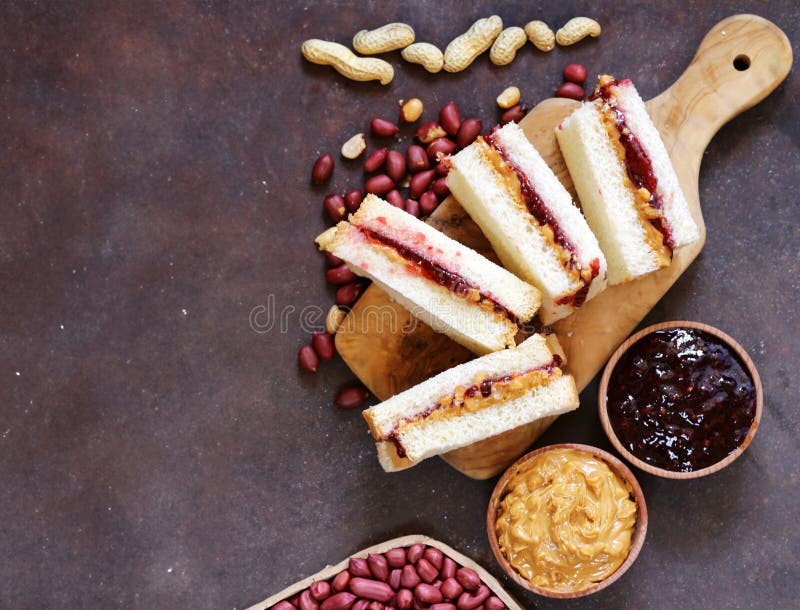
Master the art of safely making a peanut butter and jam sandwich with this expert guide. This comprehensive resource covers essential techniques, ingredient selection, and safety protocols to ensure a delicious and hazard-free experience. Following these expert steps not only enhances flavor but also prioritizes health, making your sandwich preparation as enjoyable as it is satisfying.
What This Guide Covers (And What It Doesn’t)

This guide provides a comprehensive, step-by-step procedure for making a peanut butter and jam sandwich, detailing ingredient specifications and preparation techniques. It emphasizes safety considerations, including allergen management and proper food handling, ensuring a secure and enjoyable sandwich-making experience. However, it does not delve into variations like vegan or gluten-free adaptations, nor does it include instructions for homemade peanut butter or jam recipes.
Who Should Read This
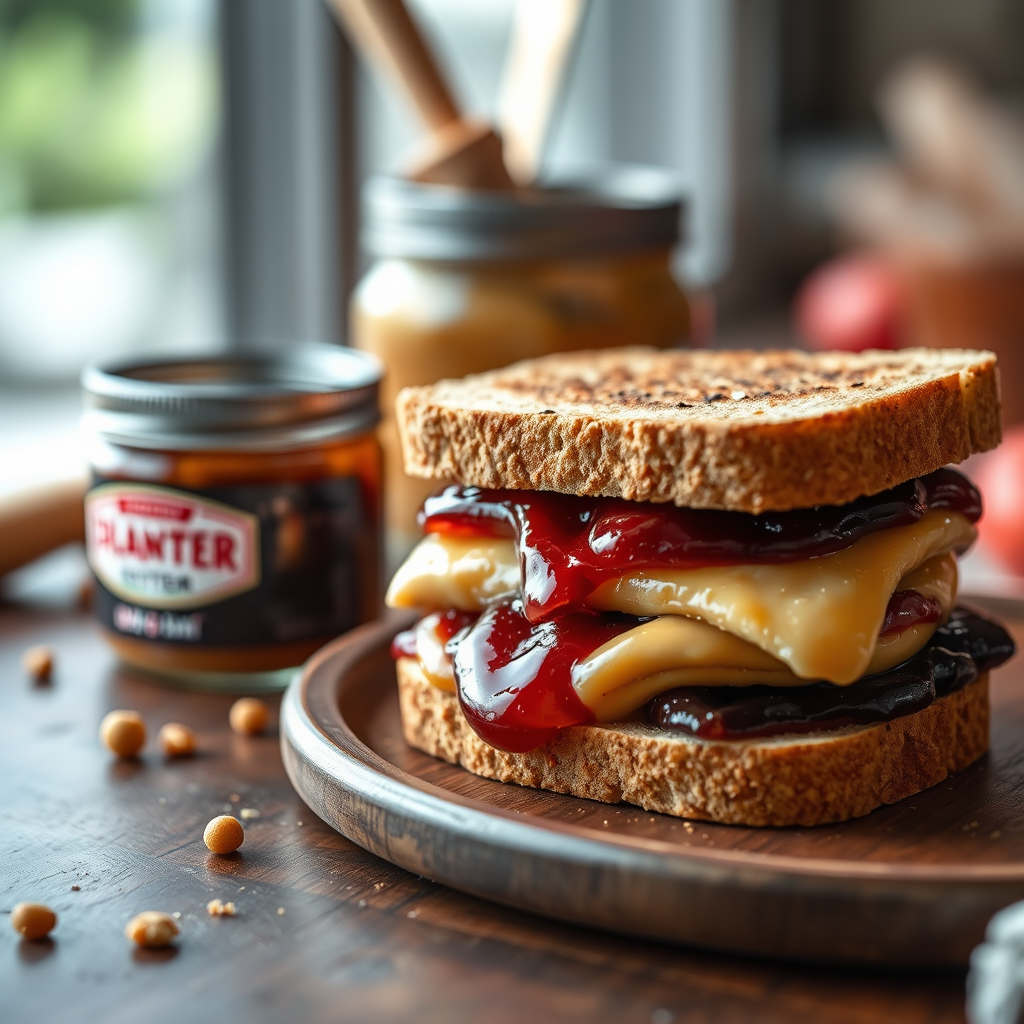
This guide is tailored for individuals of all ages eager to learn how to make a classic peanut butter and jam sandwich safely and effectively. It is particularly beneficial for kitchen novices, including children under adult supervision, and those with limited cooking experience. However, readers seeking advanced culinary techniques or gourmet variations of the sandwich may find this guide less applicable.
The Step-by-Step Protocol
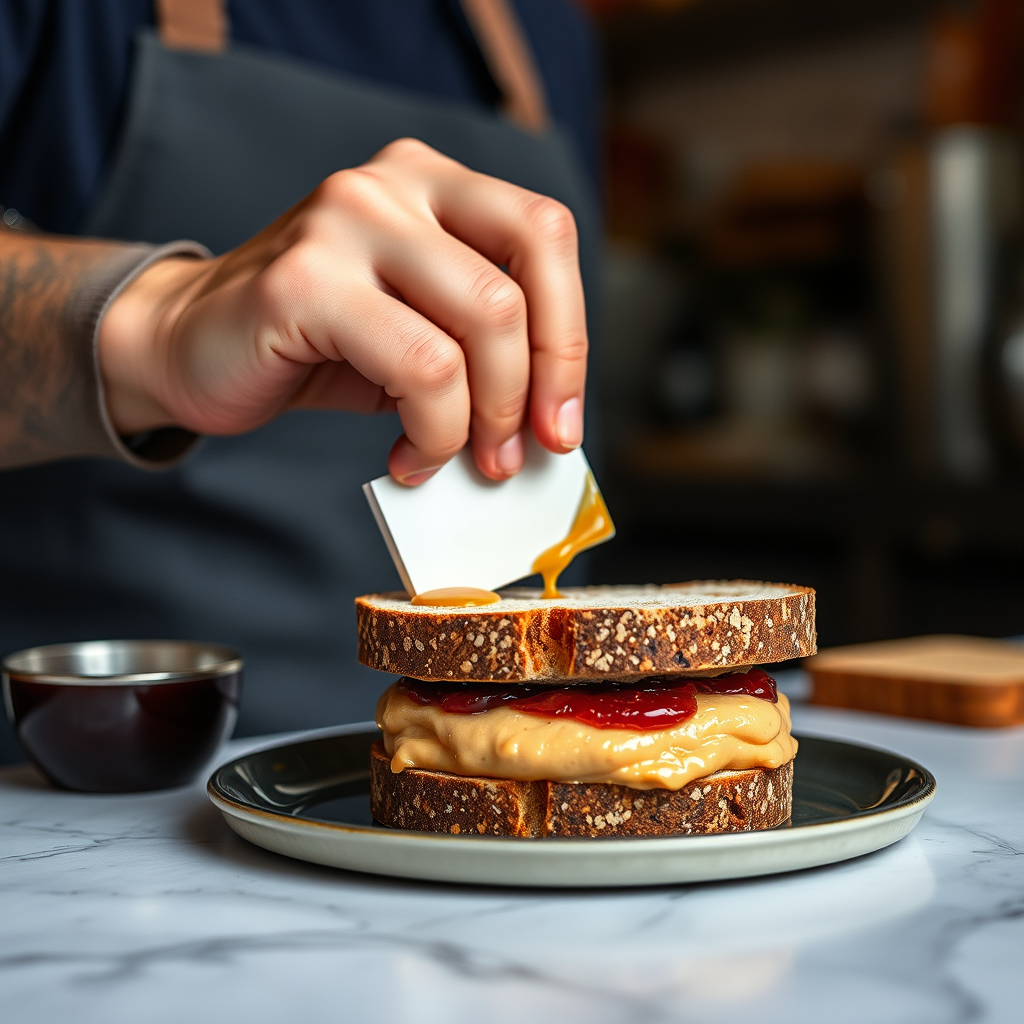
1. Gather Ingredients: Collect the following ingredients:
– 2 slices of bread (whole wheat or white)
– 2 tablespoons of peanut butter (preferably creamy for easy spreading)
– 2 tablespoons of jam or jelly (choose your preferred flavor, such as grape, strawberry, or raspberry)
2. Prepare the Work Surface: Ensure your workspace is clean. Wipe down the countertop with a food-safe cleaner and dry it with a clean towel. This step is crucial for preventing contamination and ensuring that your sandwich is safe to eat.
3. Spread Peanut Butter: Open the jar of peanut butter and use a clean butter knife to scoop out 2 tablespoons. Spread the peanut butter evenly on one slice of bread, covering the surface right to the edges. This technique ensures each bite is flavorful and prevents the bread from becoming soggy.
4. Add Jam: Open the jar of jam and, using a separate clean knife, scoop out 2 tablespoons. Spread the jam on the second slice of bread, ensuring full coverage up to the edges. This not only enhances the flavor but also creates a barrier that helps maintain the bread’s texture.
5. Assemble the Sandwich: Carefully place the slice with peanut butter on top of the slice with jam, pressing gently to adhere. This step is important for stability when cutting and eating the sandwich.
6. Cut and Serve: Optionally, cut the sandwich in half diagonally or into quarters for easier handling and serve immediately. Cutting can make it more manageable, particularly for younger children.
Warning Signs: When Not to Follow This

– Do not attempt to make this sandwich if you or anyone eating it has a known peanut allergy, as it can cause severe allergic reactions, including anaphylaxis, which is life-threatening.
– Avoid making the sandwich if any of the ingredients, particularly the bread, peanut butter, or jam, are past their expiration dates or exhibit signs of spoilage, such as an off smell, discoloration, or mold.
– If you have a compromised immune system or are preparing food for someone who does, consider alternative spreads to minimize health risks, as improper food handling can lead to foodborne illness.
The Most Common Mistakes (And Their Consequences)
– A frequent error is using the same knife for both peanut butter and jam. This practice can lead to cross-contamination, which not only spoils the jam but also poses health risks for individuals with allergies.
– Overloading the sandwich with too much peanut butter or jam can make it messy and difficult to eat, leading to frustration and waste, especially for young children.
– Neglecting to check for allergies or dietary restrictions before serving can result in dangerous reactions, particularly for those with nut allergies. Always ask about allergies before serving food.
Special Cases That Need a Different Approach
– For individuals with nut allergies, consider using seed butter (like sunflower seed butter) as a safe alternative while maintaining a similar taste profile. This option allows those with allergies to enjoy a similar experience without the health risks associated with peanuts.
– If preparing a sandwich for a younger child, consider cutting the crusts off the bread to make it easier for them to eat and reduce choking hazards. This modification can also appeal to picky eaters who prefer crustless sandwiches.
– In cases of gluten intolerance, use gluten-free bread options to ensure safety while still enjoying the sandwich. It’s critical to verify that all ingredients, including the jam, are gluten-free as well.
When You Need a Professional
– Consult a healthcare professional if you or someone you are preparing the sandwich for has a known food allergy to peanuts or other nuts and needs tailored dietary advice. This is crucial for managing potential allergic reactions effectively.
– If you experience any symptoms of foodborne illness after consuming the sandwich, such as nausea, vomiting, or diarrhea, seek medical attention promptly. These symptoms may indicate food contamination or sensitivity to an ingredient.
– Contact a registered dietitian for personalized recommendations if you are managing specific dietary restrictions or health conditions that affect food choices, such as diabetes or heart disease. They can provide guidance on portion sizes and ingredient alternatives.
Sources and Further Reading
– The USDA Food Safety and Inspection Service provides guidelines on safe food handling practices that can be useful for sandwich preparation. Their resources can help reinforce best practices in the kitchen.
– The American Academy of Allergy, Asthma & Immunology offers resources on food allergies, including safety tips for avoiding allergen exposure. Familiarizing yourself with these resources can enhance your understanding of food safety.
– For detailed information on proper food storage and shelf life, refer to the FDA’s guidelines on food safety and preservation, ensuring you are well-informed about ingredient management.
In conclusion, the peanut butter and jam sandwich is a simple yet beloved staple that can be made safely and effectively by following these guidelines. By adhering to the outlined protocol and remaining mindful of potential allergens and food safety practices, you can create a delightful meal that is both nutritious and enjoyable. Whether you’re making this classic sandwich for yourself or sharing it with loved ones, you can feel confident in your preparation.
Frequently Asked Questions
What ingredients do I need for a classic peanut butter and jam sandwich?
To make a classic peanut butter and jam sandwich, you will need two slices of bread (white, whole wheat, or even gluten-free), peanut butter (creamy or crunchy based on preference), and your choice of jam or jelly (such as grape, strawberry, or raspberry). Optional ingredients include honey, banana slices, or even a sprinkle of cinnamon for added flavor.
How do I make a peanut butter and jam sandwich without making a mess?
To avoid mess while making a peanut butter and jam sandwich, use a butter knife to spread peanut butter evenly to the edges of the bread, and then follow with a thinner layer of jam in the center. Additionally, consider using a piece of parchment paper or a plate underneath to catch any drips or spills, making clean-up easier.
Why is a peanut butter and jam sandwich a popular choice for lunch?
A peanut butter and jam sandwich is a popular lunch option due to its simplicity, quick preparation time, and nutritional benefits. It provides a good balance of protein from the peanut butter and carbohydrates from the bread, making it a satisfying meal that can be easily packed for school or work.
What is the best type of bread to use for a peanut butter and jam sandwich?
The best type of bread for a peanut butter and jam sandwich largely depends on personal preference, but whole grain or whole wheat bread is often recommended for added fiber and nutrients. For a sweeter taste, consider using brioche or challah, while gluten-free options are available for those with dietary restrictions.
Which variations can I try to make my peanut butter and jam sandwich more interesting?
To make your peanut butter and jam sandwich more interesting, consider adding sliced bananas, apples, or even a sprinkle of granola for crunch. You can also experiment with flavored nut butters, such as almond or cashew, or use different types of jams and jellies to create unique flavor combinations.
References
- Peanut butter and jelly sandwich
https://en.wikipedia.org/wiki/Peanut_butter_and_jelly_sandwich - Peanut butter and jelly sandwich | food | Britannica
https://www.britannica.com/topic/peanut-butter-and-jelly-sandwich - https://www.ncbi.nlm.nih.gov/pmc/articles/PMC5575960/
https://www.ncbi.nlm.nih.gov/pmc/articles/PMC5575960/ - https://www.ncbi.nlm.nih.gov/pmc/articles/PMC4770196/
https://www.ncbi.nlm.nih.gov/pmc/articles/PMC4770196/ - https://www.nhlbi.nih.gov/health-topics/peanut-butter
https://www.nhlbi.nih.gov/health-topics/peanut-butter - https://www.cdc.gov/nutrition/infantandtoddlernutrition/foods/peanut-butter.html
https://www.cdc.gov/nutrition/infantandtoddlernutrition/foods/peanut-butter.html - Google Scholar Google Scholar
https://scholar.google.com/scholar?q=peanut+butter+and+jelly+sandwich+recipe - Google Scholar Google Scholar
https://scholar.google.com/scholar?q=history+of+peanut+butter+and+jelly+sandwich - Google Scholar Google Scholar
https://scholar.google.com/scholar?q=nutritional+value+of+peanut+butter+and+jelly+sandwich - Healthy diet
https://www.who.int/news-room/fact-sheets/detail/healthy-diet