Making guava jelly jam safely requires a precise step-by-step protocol that ensures both taste and food safety. This comprehensive guide walks you through every crucial phase, from selecting ripe guavas to sealing your jars correctly. Following these expert techniques not only enhances flavor but also prevents spoilage, allowing you to enjoy delicious homemade guava jelly for months to come.
What This Guide Covers (And What It Doesn’t)
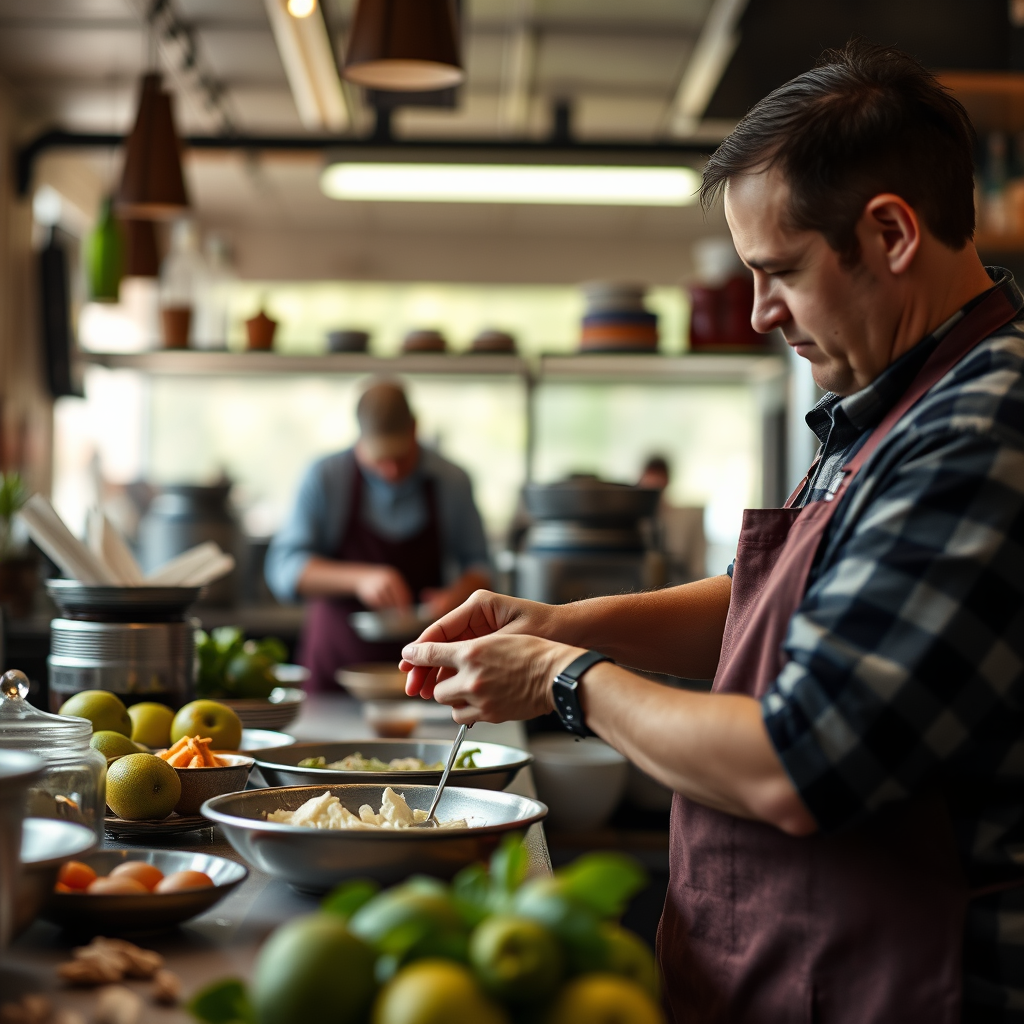
This guide provides a thorough protocol for making guava jelly jam, focusing on ingredient selection, preparation, cooking, and canning procedures to ensure both safety and quality. You will discover the precise ratios of ingredients, the method for extracting guava puree, and the proper canning techniques to produce a safe and delicious product.
However, this guide does not delve into making guava preserves or other fruit jams, nor does it address variations like low-sugar or no-sugar recipes. By concentrating exclusively on traditional guava jelly jam, you can master this specific technique without distraction.
Who Should Read This
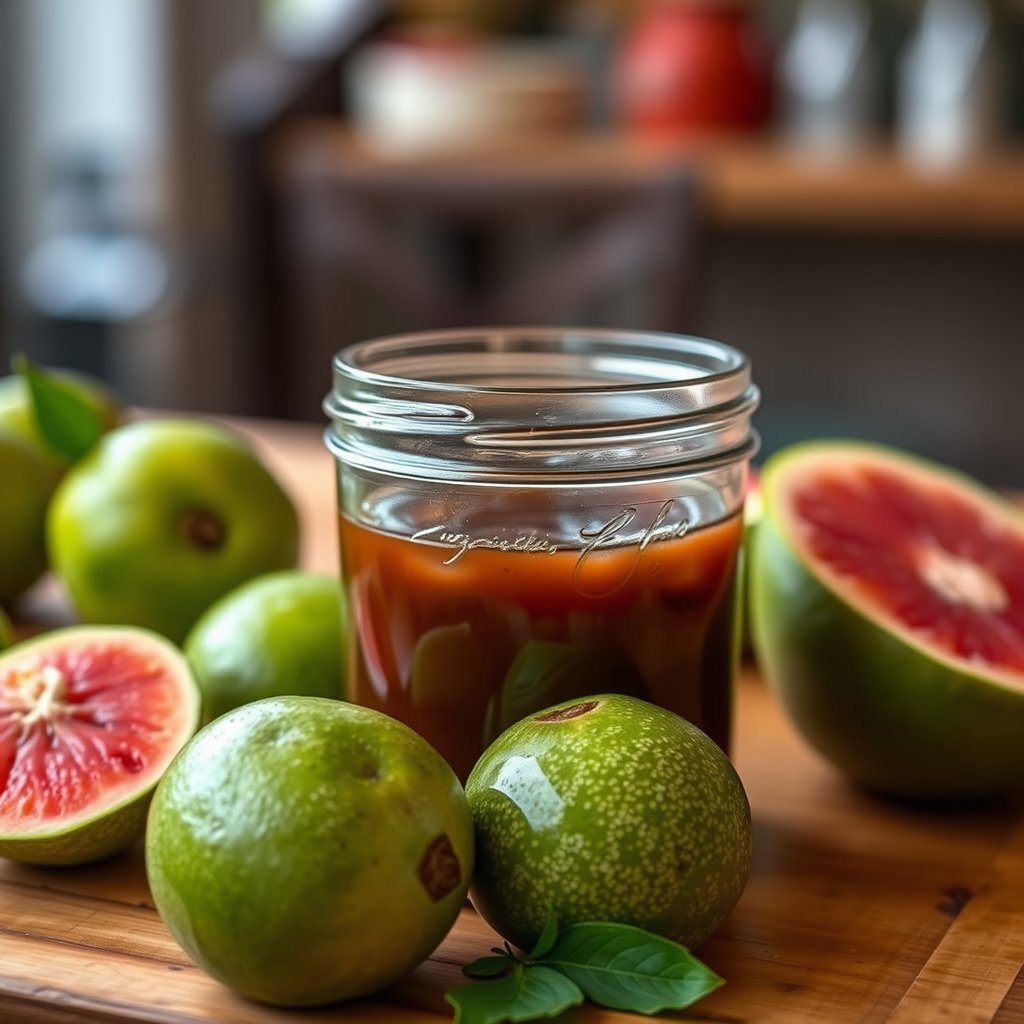
This guide is designed for home canners with a foundational understanding of food preservation, particularly those familiar with water bath canning methods. It is ideal for individuals who enjoy experimenting with tropical fruits and want to add guava to their canning repertoire. If you’re a beginner who has never made jelly or jam before, consider exploring introductory resources on general canning techniques before tackling this specific recipe. A solid grasp of basic food safety principles and canning equipment is essential for a successful outcome.
The Step-by-Step Protocol
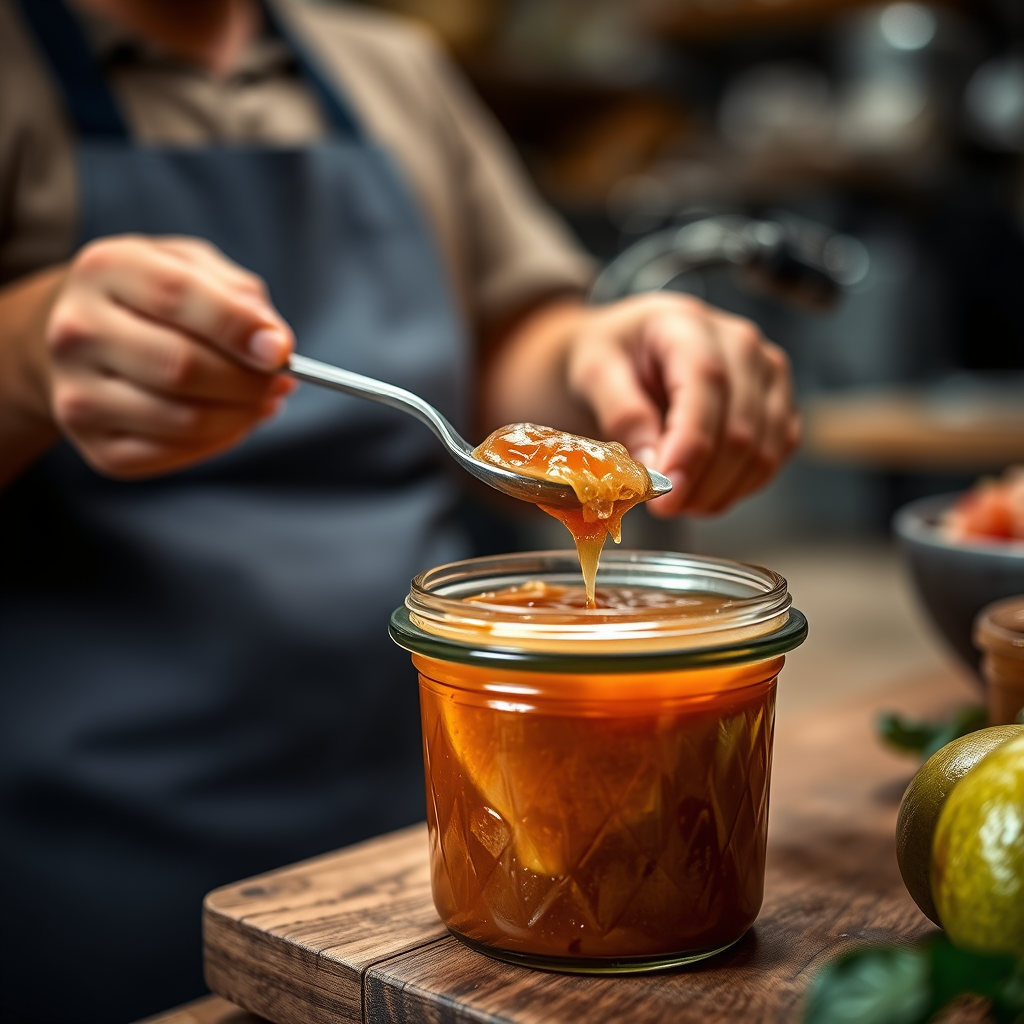
1. Gather Ingredients: Collect the following ingredients:
– 4 cups of ripe guava puree (approximately 8-10 medium-sized guavas)
– 1/4 cup of freshly squeezed lemon juice
– 5 cups of granulated sugar
– 1 packet (1.75 oz) of fruit pectin (such as Sure-Jell or Certo)
2. Prepare the Guavas: Wash the guavas thoroughly under running water to eliminate any dirt or residues. Cut them in half and place them in a blender or food processor. Blend until smooth to achieve the required 4 cups of guava puree. If needed, pass the puree through a fine mesh strainer to remove seeds and any pulp, ensuring a smoother texture.
3. Cook the Mixture: In a large, heavy-bottomed pot, combine the guava puree, lemon juice, and pectin. Stir the mixture well for even distribution. Place the pot over medium heat and bring it to a rolling boil, stirring constantly to prevent sticking.
4. Add Sugar: Once the mixture reaches a full boil, add the sugar all at once and stir vigorously until it dissolves completely. Bring the mixture back to a rapid boil for precisely 1 minute. Achieving a temperature of 220°F (104°C) is crucial for the proper jelly consistency, so use a candy thermometer for accuracy.
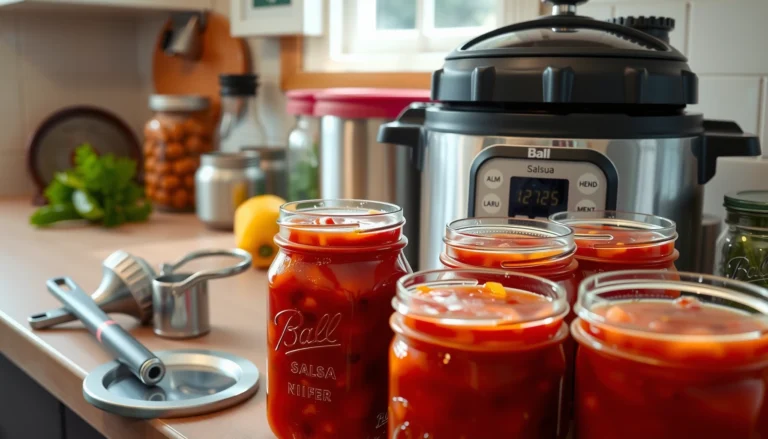
5. Canning Process: Prepare your canning jars by sterilizing them in boiling water or running them through a dishwasher cycle. Pour the hot guava jelly into the sterilized jars, leaving 1/4 inch of headspace at the top. Wipe the rims of the jars with a clean cloth to remove any residue that might impede a proper seal. Place the lids on the jars and screw on the metal bands until they are fingertip-tight. Process the jars in a boiling water bath for 5-10 minutes, adjusting the time based on your altitude (see the altitude adjustment section below).
Warning Signs: When Not to Follow This
– If the guavas show signs of spoilage, such as mold, off-smells, or unusual textures, do not use them for making jelly. Spoiled fruit can lead to foodborne illnesses that pose serious health risks.
– Avoid this protocol if you are uncertain about your canning skills or the integrity of your canning equipment, as improper techniques can jeopardize food safety.
– If you have specific dietary restrictions or allergies to any ingredients in this recipe (such as gluten intolerance or sugar sensitivity), consult with a food safety expert before proceeding to ensure the recipe meets your needs.
The Most Common Mistakes (And Their Consequences)
– Inaccurate Measurement: One common mistake is not measuring the guava puree accurately. Using too much or too little puree can result in a jelly that fails to set properly or has an off-balance flavor. Always use a liquid measuring cup for precise measurements.
– Insufficient Boiling: Failing to bring the mixture to a full rolling boil before adding sugar can lead to inadequate gelling. This will produce a syrupy outcome rather than a firm jelly, which can be frustrating after investing time in the process.
– Ignoring Headspace: Neglecting the headspace requirement during canning can cause jars to seal improperly. Insufficient space may lead to overflow during the boiling process, risking spoilage and unsafe consumption. Always leave the specified headspace.
Special Cases That Need a Different Approach
– Frozen Guava Puree: If using frozen guava puree, ensure it is fully thawed and drained of excess liquid before measuring. Excess moisture can affect the jelly’s final texture and sweetness, leading to a less desirable product.
– Dietary Adjustments: For those with dietary restrictions, consider using low-sugar pectin and adjusting the sugar content accordingly. However, be mindful that this may alter the setting time and texture of the jelly. Always follow the manufacturer’s instructions for low-sugar options.
– High Altitudes: If you live at high altitudes (above 1,000 feet), adjust the processing time according to altitude guidelines. The boiling point of water decreases at higher altitudes, which can impact the sealing and safety of your jars. Consult the National Center for Home Food Preservation guidelines for specific adjustments.
When You Need a Professional
– Consult a licensed food preservation specialist if you have concerns about pH levels in your guava jelly, particularly when experimenting with added ingredients like herbs or spices. Maintaining the correct acidity is essential for safe canning.
– If you experience consistent failures in setting or sealing during the canning process despite following protocols, seek expert advice to troubleshoot your methods and equipment. This may involve checking the quality of your pectin or ensuring your jars and seals are intact.
– In the event of any food reactions or illnesses after consuming homemade guava jelly, report these to a food safety authority and seek medical advice. Ensuring the safety of homemade preserves and understanding potential risks is crucial.
Sources and Further Reading
– National Center for Home Food Preservation: Guidelines on Canning Fruit and Jams for safety and best practices.
– University Extension Services: Research articles on guava and its preservation methods, including jelly and jam-making.
– “The Complete Book of Home Preserving” by Ball Publishing: A comprehensive resource for safe canning techniques and recipes, including fruit preserves.
Armed with this detailed guide, you can confidently embark on your journey to create guava jelly jam that delights the palate while adhering to safety standards for home canning. Happy jamming!
Frequently Asked Questions
What ingredients do I need for a guava jelly jam recipe?
To make guava jelly, you will need ripe guavas, granulated sugar, pectin, and lemon juice. The sugar helps in preservation and adds sweetness, while pectin is essential for achieving the right jelly consistency. Fresh lemon juice enhances the flavor and acidity, balancing the sweetness of the guavas.
How do I prepare guavas for jelly making?
Start by washing the guavas thoroughly to remove any dirt. Then, cut them in half and scoop out the pulp, including the seeds. You can either blend the pulp before cooking or simmer it with water to extract the juice, which will be the base for your guava jelly.
Why is pectin important in a guava jelly recipe?
Pectin is a natural thickening agent that helps the jelly set properly. Without it, your guava jelly may remain too runny and not achieve the desired texture. Using the right amount of pectin ensures that your guava jelly has the perfect spreadable consistency.
What is the best method for sealing guava jelly jars?
The best method for sealing guava jelly jars is to use the water bath canning technique. After filling sterilized jars with hot guava jelly, process them in boiling water for the recommended time to create a vacuum seal. This method preserves the jelly for longer and prevents spoilage.
Which types of guavas are best for making jelly?
The best types of guavas for making jelly are the pink or white-fleshed varieties, as they are sweeter and have a more pronounced flavor. Look for ripe guavas that are slightly soft to the touch, as this indicates optimal sweetness and juiciness for your guava jelly recipe.
References
- Fruit preserves
https://en.wikipedia.org/wiki/Jam - https://www.ncbi.nlm.nih.gov/pmc/articles/PMC7175592/
https://www.ncbi.nlm.nih.gov/pmc/articles/PMC7175592/ - https://www.sciencedirect.com/topics/agricultural-and-biological-sciences/guava
https://www.sciencedirect.com/topics/agricultural-and-biological-sciences/guava - https://www.britannica.com/topic/jam
https://www.britannica.com/topic/jam - Google Scholar Google Scholar
https://scholar.google.com/scholar?q=guava+jelly+jam+recipe - Google Scholar Google Scholar
https://scholar.google.com/scholar?q=guava+recipes - Google Scholar Google Scholar
https://scholar.google.com/scholar?q=jams+and+jellies+nutritional+value - https://www.ars.usda.gov/ARSUserFiles/np/guava.pdf
https://www.ars.usda.gov/ARSUserFiles/np/guava.pdf - https://www.ncbi.nlm.nih.gov/pmc/articles/PMC7271239/
https://www.ncbi.nlm.nih.gov/pmc/articles/PMC7271239/ - https://www.ncbi.nlm.nih.gov/pmc/articles/PMC4700798/
https://www.ncbi.nlm.nih.gov/pmc/articles/PMC4700798/