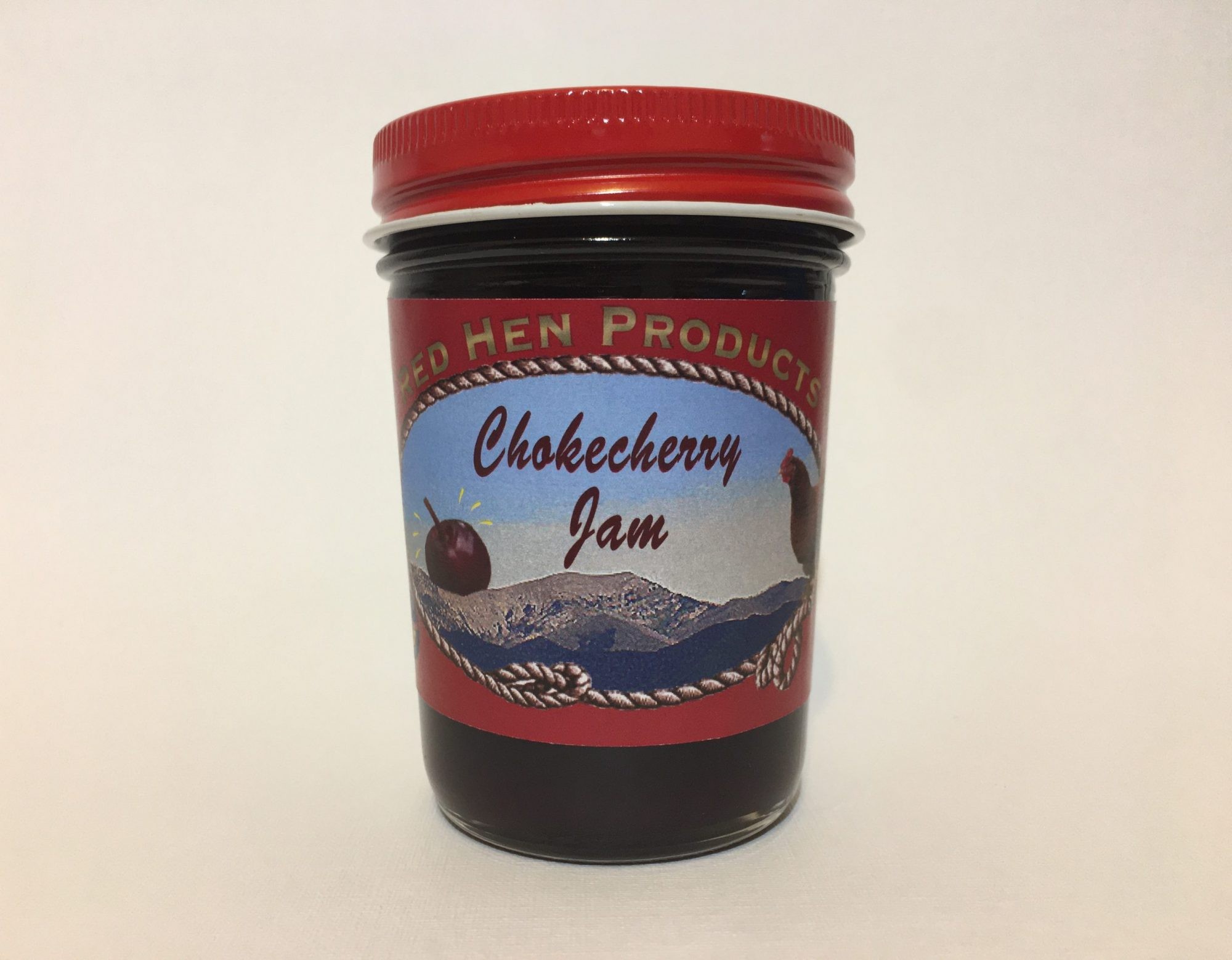
Chokecherry jam recipe enthusiasts will find this complete guide an essential resource for safely crafting this delicious preserve. With expert protocols covering everything from fruit selection to canning techniques, this guide ensures you can enjoy chokecherry jam while minimizing food safety risks. Following the right steps is crucial to achieving the perfect flavor and texture, making this guide indispensable for both novice and seasoned preservers.
What This Guide Covers (And What It Doesn’t)
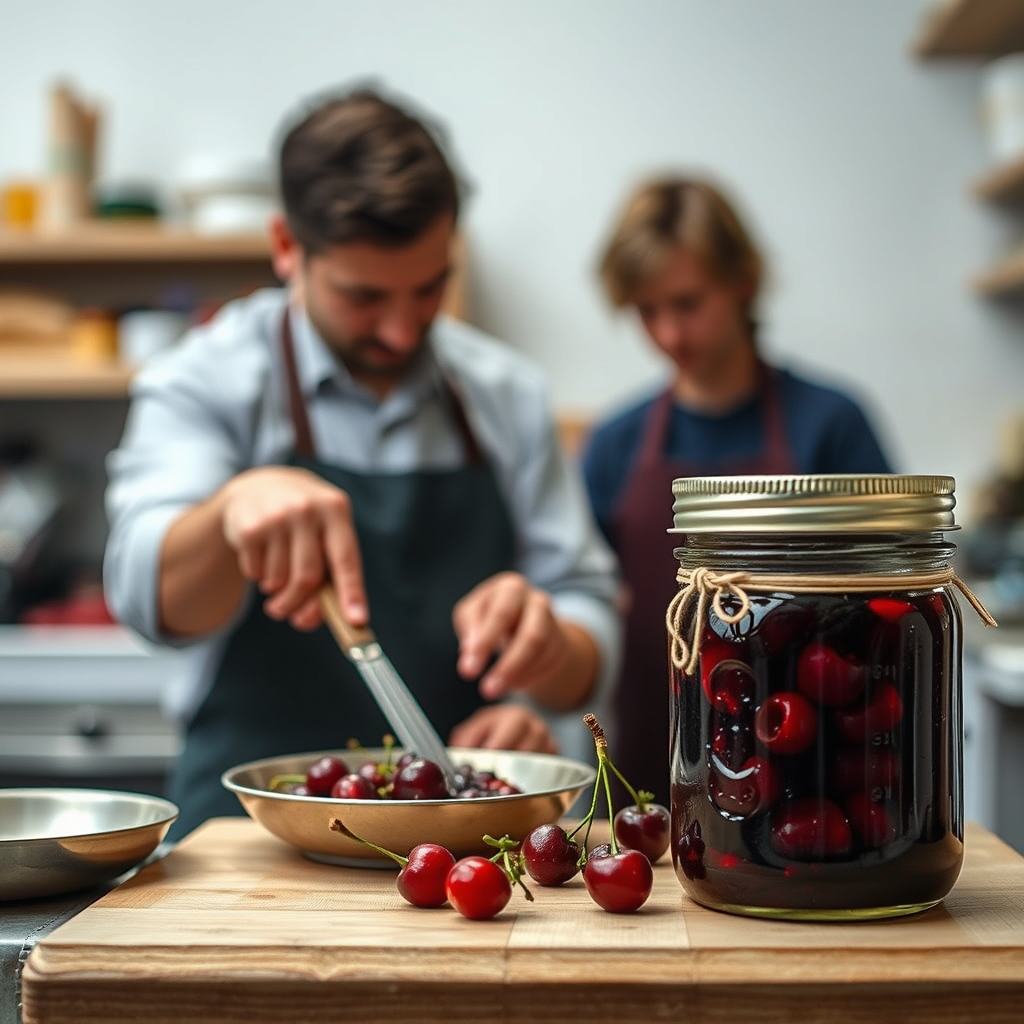
This guide offers a thorough, step-by-step recipe for making chokecherry jam, detailing the necessary ingredients, equipment, and safety protocols essential for successful preservation. You’ll gain the expertise needed to create a high-quality product while prioritizing food safety. However, it does not delve into alternative preservation methods like freezing or canning other types of fruit jams; the focus remains solely on chokecherry jam. Designed for home cooks with some foundational knowledge of canning and food preservation, this guide is not aimed at complete novices.
Who Should Read This
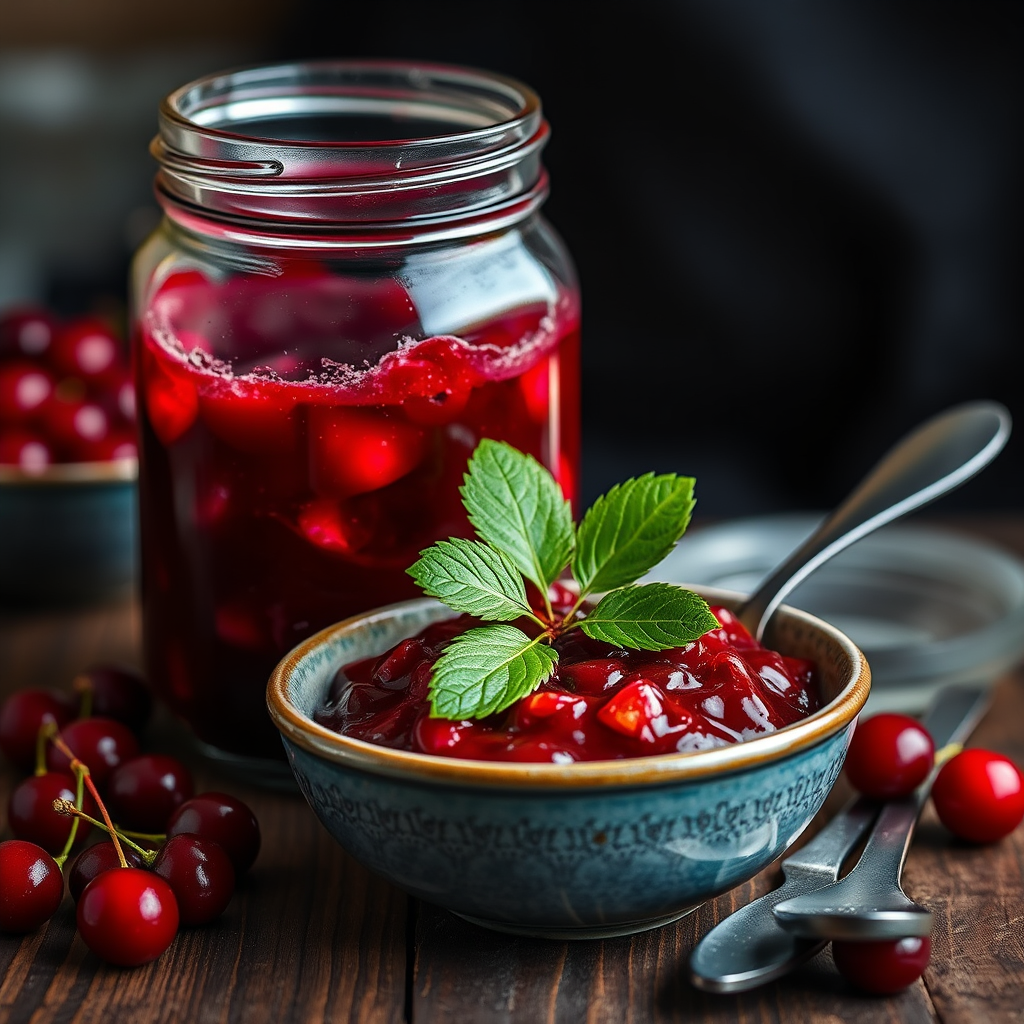
This article is tailored for home canners and food enthusiasts eager to expand their skills, specifically in chokecherry preservation. Readers should ideally possess prior experience with canning techniques, such as boiling water bath methods, to fully comprehend the safety protocols outlined. Additionally, anyone interested in foraging and utilizing native fruits in their culinary creations will find valuable insights about chokecherries.
The Step-by-Step Protocol
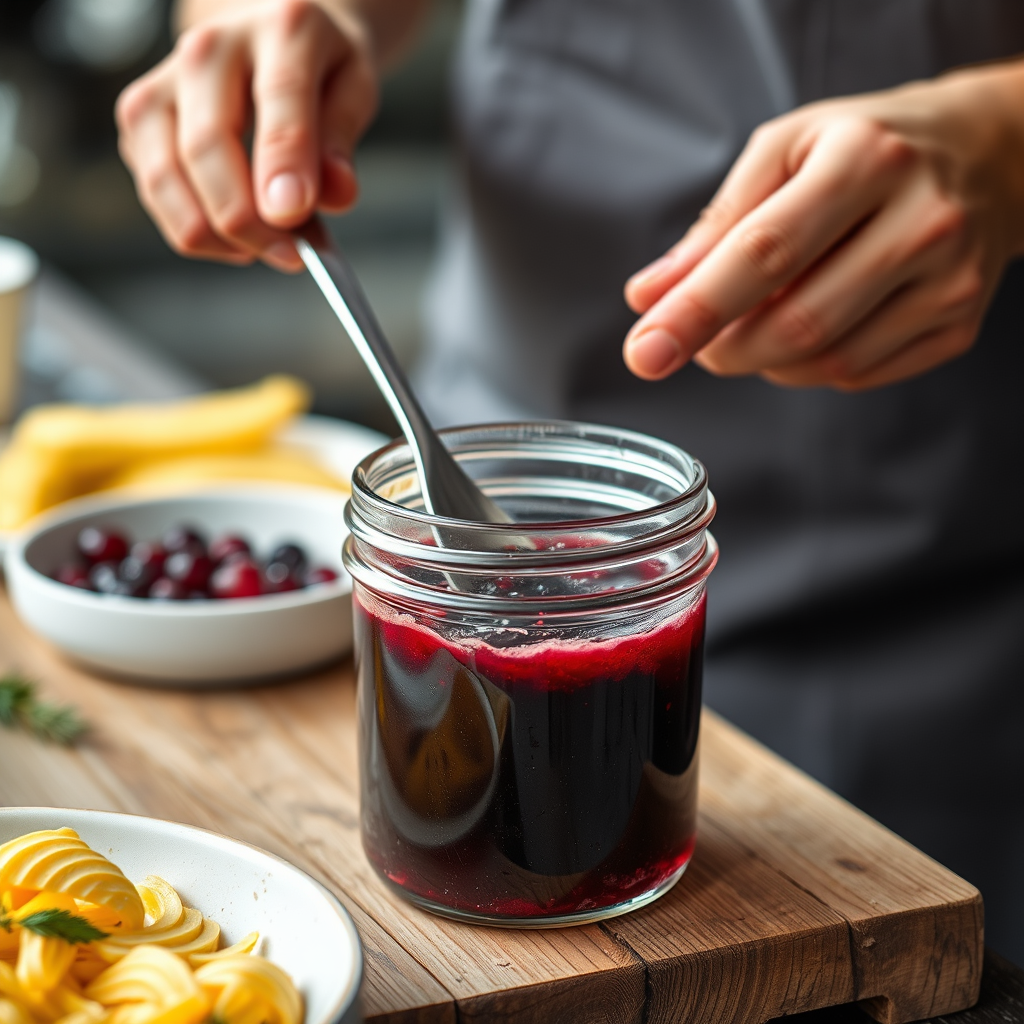
1. Gather Ingredients: For this recipe, you will need 4 cups of ripe chokecherries, 1 cup of granulated sugar, 1 cup of water, and 1 packet (1.75 oz) of fruit pectin. Ensure that the chokecherries are fully ripe, as this will impact both flavor and gelling properties.
2. Prepare Chokecherries: Rinse the chokecherries thoroughly under running water to remove any dirt or debris. Remove all stems and any damaged or overripe fruit, as these can adversely affect the flavor and safety of your jam. Lightly crush the chokecherries using a potato masher or similar tool to release their juices. This step is crucial for maximizing juice extraction.
3. Cook the Mixture: In a large, heavy-bottomed pot, combine the crushed chokecherries and 1 cup of water. Heat the mixture over medium-high heat until it reaches a rolling boil. Once boiling, reduce the heat and let it simmer for 10 minutes, stirring frequently to prevent sticking. This simmering process softens the fruit, facilitating juice extraction.
4. Strain the Juice: After simmering, it’s time to strain the mixture. Use a fine mesh strainer or cheesecloth placed over a large bowl to extract the juice from the cooked chokecherries. Press down gently on the solids to encourage more juice release, aiming to yield approximately 3 cups of juice for the jam. Discard the solids after straining.
5. Make the Jam: In a clean pot, combine the strained chokecherry juice, 1 cup of sugar, and the packet of fruit pectin. Stir well to dissolve the pectin and sugar. Bring the mixture to a vigorous boil, stirring constantly. Boil for 1-2 minutes until the mixture thickens and reaches the desired consistency.
6. Jar the Jam: While the jam is boiling, prepare your canning jars by sterilizing them in a boiling water bath for at least 10 minutes. Once the jam has reached the proper consistency, ladle it into hot, sterilized jars, leaving about 1/4 inch of headspace. Wipe the rims of the jars with a clean, damp cloth to remove any residue that may interfere with sealing.
7. Process the Jars: Seal each jar with a sterilized lid and ring. Process the jars in a boiling water bath for 10 minutes to ensure safety and proper sealing. Ensure that the water covers the jars by at least 1 inch. Adjust processing time for altitude; for example, increase processing time by 1 minute for every 1,000 feet above sea level.
8. Cool and Store: After processing, remove the jars from the water bath and place them on a clean kitchen towel or cooling rack. Allow the jars to cool completely at room temperature, undisturbed, for 12-24 hours. Once cooled, check seals by pressing down in the center of the lid; it should not pop back. Store sealed jars in a cool, dark place for up to one year.
Warning Signs: When Not to Follow This
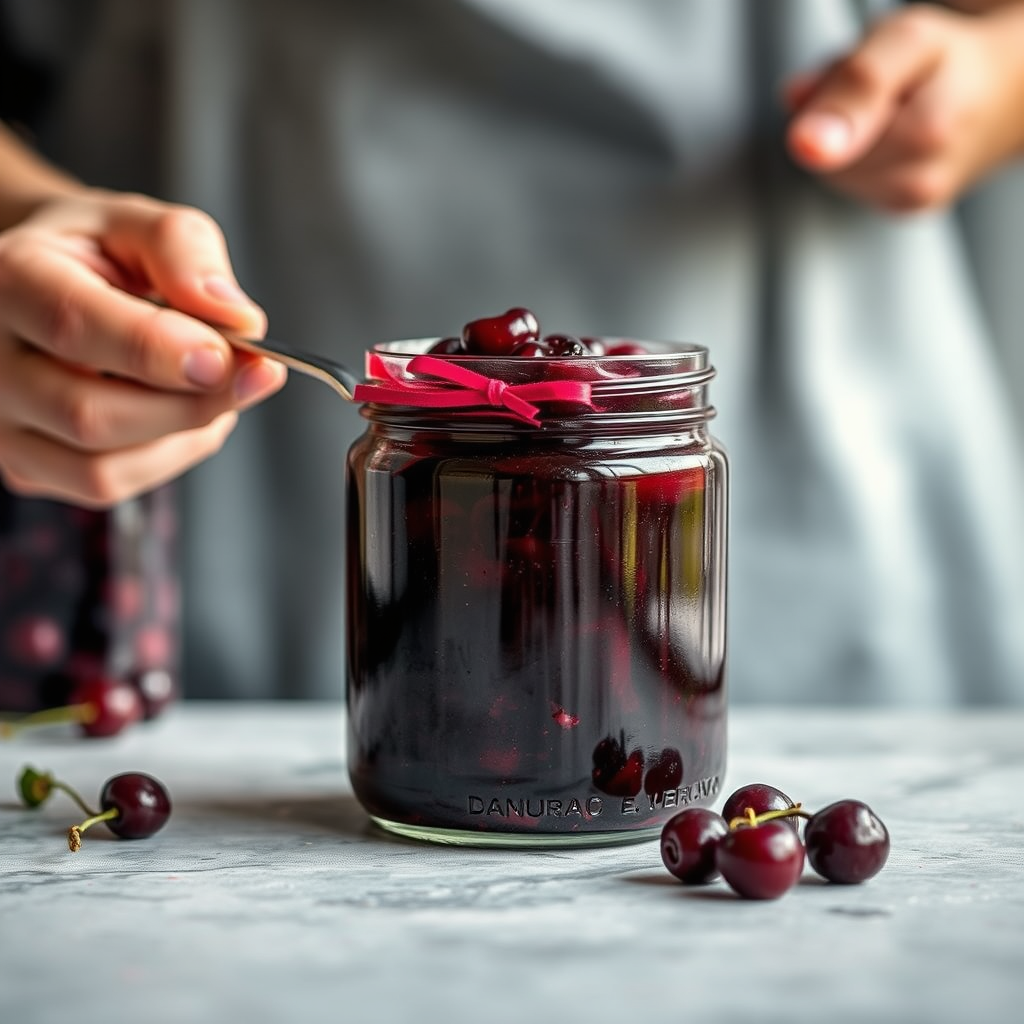
– Do not attempt to make chokecherry jam if you are allergic to chokecherries or similar fruits, as this can lead to severe allergic reactions. Always consult a healthcare provider if you have concerns about allergies.
– Avoid using overripe or moldy chokecherries, as they can compromise the safety and quality of the jam. Spoiled fruit can foster the growth of harmful bacteria, leading to foodborne illness.
– If you lack access to proper canning equipment, such as sterilized jars and a water bath canner, refrain from making the jam until you can ensure safe practices. Inadequate equipment can result in improperly sealed jars and spoilage.
The Most Common Mistakes (And Their Consequences)
– Skipping the Straining Process: Not straining the mixture can lead to a gritty texture and an improper gel consistency in the final jam, detracting from both flavor and enjoyment.
– Not Measuring Ingredients Accurately: Failing to measure sugar or pectin accurately can lead to improper pectin activation, resulting in runny or overly thick jam. Always use a kitchen scale or measuring cups for precision.
– Failing to Process in a Boiling Water Bath: Neglecting to process the jam in a boiling water bath for the recommended time may lead to spoilage and potential foodborne illness. This step is crucial for ensuring that any pathogens are eliminated.
Special Cases That Need a Different Approach
– Using Unripe Chokecherries: If you are using chokecherries that have not ripened properly, consider adjusting the sugar content and pectin according to your taste and desired consistency. Unripe fruit may require more sugar to balance tartness.
– Lower-Sugar Version: For those who prefer a lower-sugar option, alternative sweeteners like agave syrup or honey can be utilized. However, adjustments in the type of pectin may be necessary for proper gelling since these sweeteners behave differently than granulated sugar.
– Large Batches: If you plan to can large batches of chokecherry jam, consider using a pressure canner instead of a boiling water bath method to enhance safety and efficiency. Ensure you follow specific pressure canning guidelines from your local extension service or canning authority.
When You Need a Professional
– If you experience any adverse reactions to chokecherries or related fruits, contact a healthcare provider immediately for guidance. Allergies can manifest in various forms, and prompt attention is crucial.
– Should you suspect contamination or spoilage in your batch of jam, refrain from consumption and consult a food safety expert for proper disposal and advice on preventing future incidents. Spoiled food can pose serious health risks.
– If you’re unsure about your canning equipment and its ability to maintain safe temperatures for preservation, seek advice from a certified canning specialist. Proper equipment is essential for successful preservation and food safety.
Sources and Further Reading
– Refer to the National Center for Home Food Preservation for authoritative guidelines on safe canning and food preservation techniques. Their resources are invaluable for both novice and experienced canners.
– The USDA’s Complete Guide to Home Canning offers detailed insights into proper methods for fruit preservation, including specific instructions for chokecherries. This guide is a fundamental resource for all home canners.
– Local extension services may provide additional resources and workshops on canning chokecherries safely and effectively. Engaging with community resources enhances your knowledge and skills in food preservation.
With this detailed protocol, you can confidently embark on the process of making chokecherry jam, ensuring both safety and quality in your culinary endeavors. Enjoy the rich, tart flavor of this unique fruit in your homemade preserves.
Frequently Asked Questions
What ingredients do I need for a chokecherry jam recipe?
To make chokecherry jam, you will need ripe chokecherries, sugar, water, and pectin. It’s important to use fresh chokecherries for the best flavor, and you can adjust the sugar based on your taste preference. Ensure you also have basic kitchen tools like a large pot, jars, and a canning kit for preservation.
How do I prepare chokecherries for jam making?
Preparing chokecherries for jam involves washing them thoroughly and removing the stems. You should then crush the chokecherries to release their juices, which can be done using a potato masher or food processor. Remember to strain the mixture if you prefer a smoother texture in your jam.
Why is pectin important in chokecherry jam recipes?
Pectin acts as a thickening agent in chokecherry jam, helping to create a gel-like consistency that holds the fruit together. It’s essential for achieving the desired texture, especially since chokecherries are low in natural pectin. Using commercial pectin also allows for a quicker cooking process and ensures your jam sets properly.
What is the best method for canning chokecherry jam?
The best method for canning chokecherry jam is to use the water bath canning technique. After cooking your jam, pour it into sterilized jars, leaving about 1/4 inch of headspace. Seal the jars with lids and process them in a boiling water bath for about 5-10 minutes to ensure they’re sealed and safe for long-term storage.
Which variations can I try for my chokecherry jam recipe?
You can enhance your chokecherry jam by adding flavors like cinnamon, vanilla, or lemon juice for acidity. Mixing in other fruits, such as apples or raspberries, can also create a unique flavor profile. Experimenting with spices or adding a splash of bourbon can personalize your jam while complementing the chokecherry’s tartness.
References
- Prunus virginiana
https://en.wikipedia.org/wiki/Chokecherry - https://www.extension.purdue.edu/extmedia/bp/bp-123-w.pdf
https://www.extension.purdue.edu/extmedia/bp/bp-123-w.pdf - https://www.fs.usda.gov/wildflowers/ethnobotany/chokecherry.shtml
https://www.fs.usda.gov/wildflowers/ethnobotany/chokecherry.shtml - https://www.nrcs.usda.gov/wps/portal/nrcs/detail/national/home/?cid=nrcs143_014199
https://www.nrcs.usda.gov/wps/portal/nrcs/detail/national/home/?cid=nrcs143_014199 - https://www.ncbi.nlm.nih.gov/pmc/articles/PMC6842626/
https://www.ncbi.nlm.nih.gov/pmc/articles/PMC6842626/ - https://www.nature.com/articles/s41598-019-44875-6
https://www.nature.com/articles/s41598-019-44875-6 - Google Scholar Google Scholar
https://scholar.google.com/scholar?q=chokecherry+jam+recipe - Google Scholar Google Scholar
https://scholar.google.com/scholar?q=chokecherry+recipes - Google Scholar Google Scholar
https://scholar.google.com/scholar?q=Prunus+virginiana+jam+recipe - Chokecherry | Description, Tree, Leaves, Fruit, Uses, & Facts | Britannica
https://www.britannica.com/plant/chokecherry