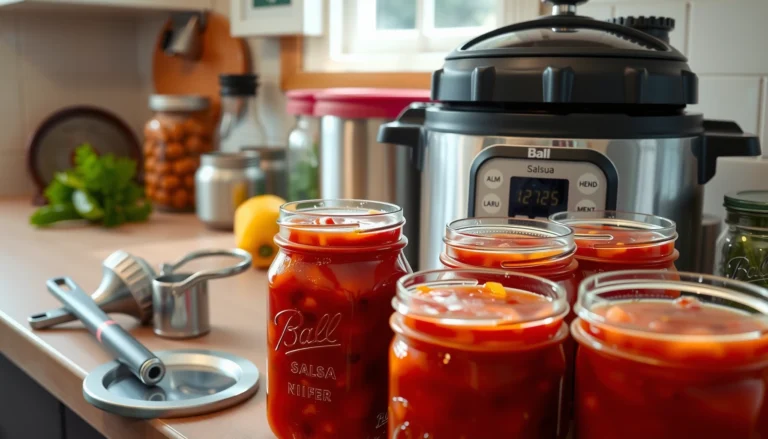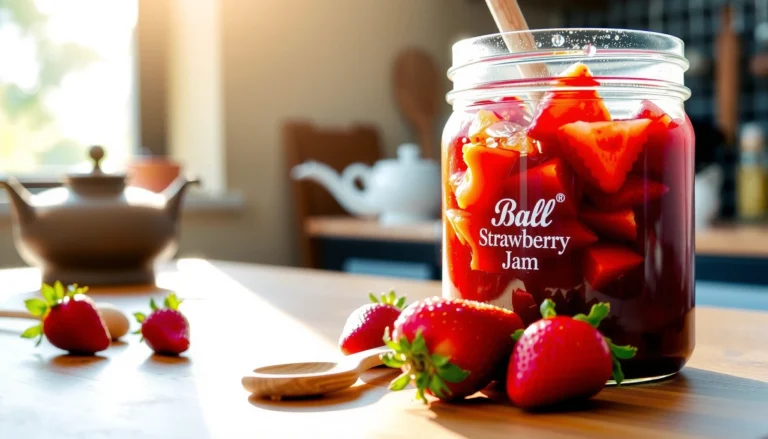
Master the art of making pineapple jam with this expert guide that delivers a precise, step-by-step protocol for safe and delicious results. This guide is tailored for home cooks seeking to elevate their canning skills while ensuring food safety. By adhering to the recommended procedures, you can enjoy vibrant, flavorful pineapple jam that preserves the fruit’s essence and enhances your culinary repertoire.
What This Guide Covers (And What It Doesn’t)

This guide provides a comprehensive overview of making pineapple jam from scratch, detailing ingredient selection, preparation methods, and canning techniques. You will find clear and precise instructions designed to ensure both safety and quality in your jam-making endeavors. However, it does not delve into variations like pineapple preserves or recipes incorporating additional fruits or flavorings; the focus remains on traditional pineapple jam. Aimed at home cooks with basic kitchen skills, this guide assumes access to standard kitchen equipment and ingredients. If you seek specialized dietary adaptations (e.g., low-sugar or vegan options), you may need to consult additional resources beyond this guide.
Who Should Read This

This guide is tailored for home canners and jam enthusiasts who have some experience with fruit preservation and want to enhance their skills specifically with pineapple jam. It’s also suitable for beginners eager to learn the step-by-step process of jam-making, provided they possess a fundamental understanding of kitchen safety and hygiene. Readers should have access to fresh, ripe pineapples (approximately 4-5 medium-sized) as well as necessary canning supplies, including jars and lids. Those with allergies to sugar, pectin, or other common jam ingredients should consider alternative recipes that cater to their dietary needs.
The Step-by-Step Protocol
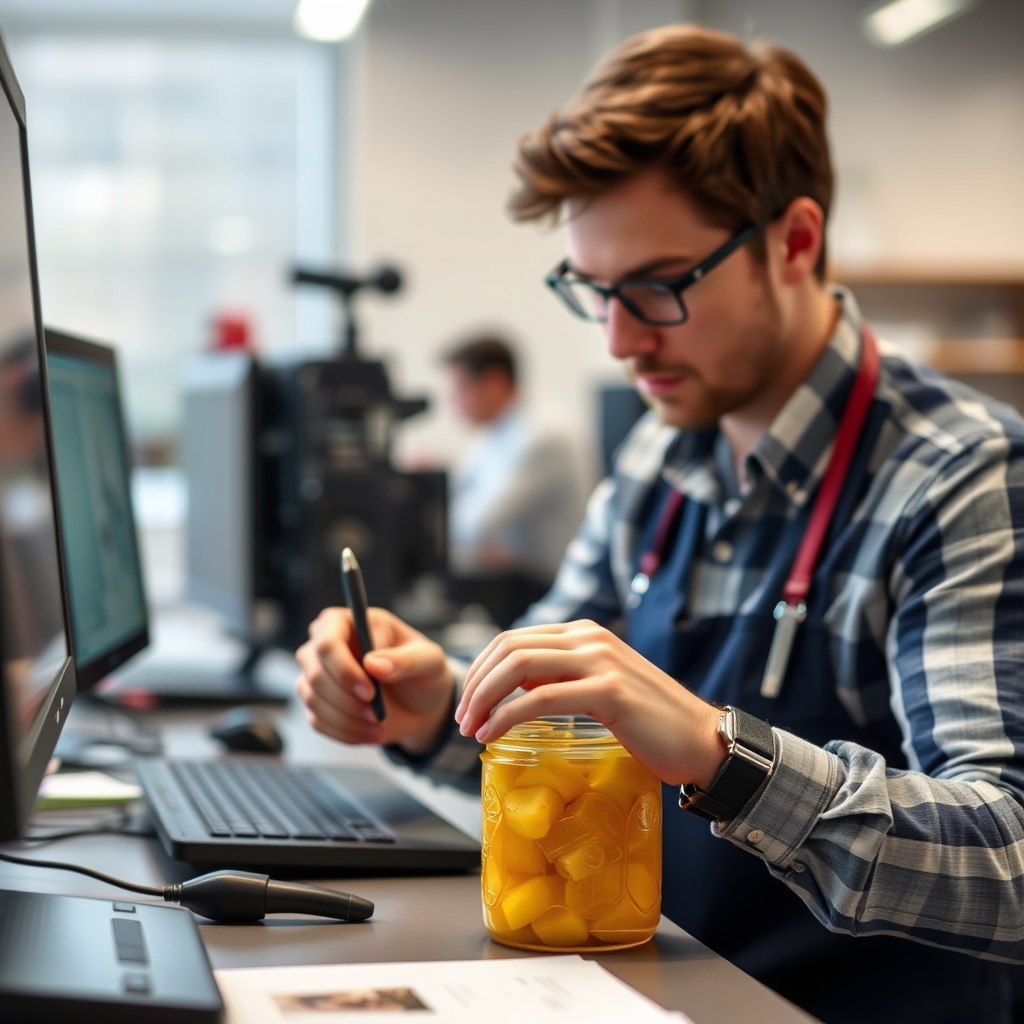
1. Gather Ingredients and Equipment:
– 4 cups of crushed fresh pineapple (approximately 2 medium pineapples).
– 1 cup of granulated sugar, adjusting based on sweetness preference.
– 1/4 cup of bottled lemon juice to ensure proper acidity.
– Canning jars, lids, a large pot, a potato masher or food processor, and a boiling water canner.
2. Prepare Pineapple:
– Begin by peeling, coring, and chopping the fresh pineapples into small pieces. Measure out 4 cups of the chopped fruit.
– Use a potato masher or food processor to crush the pineapple until you achieve your desired consistency, whether chunkier or smoother.
3. Cook the Mixture:
– In a large pot, combine the crushed pineapple, sugar, and lemon juice.
– Heat the mixture over medium heat, stirring frequently to ensure that the sugar dissolves completely. Once it reaches a boil, reduce the heat and allow it to simmer for 20-25 minutes. Stir occasionally to prevent sticking. You should notice a significant thickening during this time.
4. Canning Process:
– Sterilize your jars and lids by boiling them in water for at least 10 minutes. This step is crucial to prevent spoilage.
– Carefully pour the hot jam into the sterilized jars, leaving 1/4 inch of headspace at the top.
– Wipe the rims of the jars with a clean, damp cloth to remove any residue that could interfere with the seal. Apply the lids and screw on the bands until they are fingertip-tight.
– Process the jars in a boiling water bath for 10 minutes, ensuring that the water covers the jars by at least an inch.
Warning Signs: When Not to Follow This

– Avoid making pineapple jam if you are using overripe or spoiled fruit, as these can lead to foodborne illness. Fresh, ripe fruit is crucial for safe preservation.
– Do not attempt to can jam if you lack the necessary equipment, such as a boiling water canner, since improper canning can result in unsafe products.
– Individuals should refrain from making this jam if they have allergies to ingredients like sugar, pectin, or citrus, as substitutions may compromise safety.
– If you are unsure about the acidity levels of your pineapples, do not proceed without proper pH testing to ensure safe preservation. The ideal pH for canned pineapple jam should be below 4.6 for safety.
The Most Common Mistakes (And Their Consequences)
– Failing to measure the pineapple accurately can result in a jam that is too runny or too thick. Always use a measuring cup for crushed fruit to maintain consistency.
– Skipping the lemon juice can significantly alter the pH level of the jam, potentially leading to spoilage and unsafe consumption. Lemon juice is essential for both flavor and safety.
– Not processing the jars in a boiling water bath for the recommended time can lead to seal failure and bacterial growth, including the risk of botulism.
– Ignoring the importance of headspace in jars can cause overflow during processing, resulting in unsafe conditions and wasted jam. Always adhere to the 1/4 inch headspace guideline.
Special Cases That Need a Different Approach
– If using canned pineapple instead of fresh, adjust the sugar quantity since canned fruit often contains added sugars and juices that can alter the final product. Reduce the sugar by about one-third for optimal sweetness.
– For those living at high altitudes, follow altitude adjustment guidelines for processing times. At altitudes above 1,000 feet, increase processing time by an additional minute for every 1,000 feet.
– If making large batches (more than 7 jars), consider using an industrial kitchen setup to ensure proper cooking and canning techniques, as larger volumes may require different heat management.
– For individuals with dietary restrictions, explore sugar substitutes or low-sugar pectin options. However, be aware that these may not yield the same results as traditional recipes, particularly in terms of gelling.
When You Need a Professional
– If you notice any signs of spoilage, such as bulging lids, off odors, or discoloration in the jam, do not consume it. Consult a food safety expert immediately for assessment.
– If you’re unsure about the adequacy of your canning methods due to unfamiliar equipment or techniques, seek assistance from local extension services or canning workshops. They can provide hands-on guidance and reassurance.
– If you have underlying health conditions that could be affected by sugar or acidity levels in the jam, consult with a registered dietitian before making this recipe to ensure it aligns with your dietary needs.
– If you plan to distribute your homemade jam commercially, consult food safety regulations and local health departments to ensure compliance with food safety laws. This may include obtaining necessary permits and passing health inspections.
Sources and Further Reading
– National Center for Home Food Preservation: Provides comprehensive guidelines on safe canning techniques and recipes.
– USDA Complete Guide to Home Canning: Offers detailed instructions on food preservation and safety standards.
– “The Joy of Jams, Jellies, and Other Sweet Preserves” by Linda Ziedrich: A thorough resource for various jam recipes, including tropical fruit options.
– Local extension offices often provide workshops and resources on safe canning practices tailored to specific regions and climates.
By following this expert guide, you can confidently create delicious pineapple jam that is not only flavorful but also safe for consumption. Embrace the process and relish the fruits of your labor.
Frequently Asked Questions
What ingredients do I need for a basic pineapple jam recipe?
To make a basic pineapple jam, you will need fresh or canned pineapple, granulated sugar, lemon juice, and pectin. Fresh pineapple offers a vibrant flavor, while canned pineapple can save time. The sugar helps with sweetness and preservation, while lemon juice adds acidity, balancing the flavors and enhancing the jam’s longevity.
How do I properly prepare pineapple for making jam?
To prepare pineapple for jam, start by peeling and coring the fresh pineapple, then chop it into small, uniform pieces. If using canned pineapple, drain it well and mash it lightly to achieve your desired consistency. Ensuring the pineapple is cut evenly helps in even cooking and a uniform texture in the finished jam.
Why is pectin important in a pineapple jam recipe?
Pectin is a natural thickening agent that helps the jam achieve the desired gel-like consistency. Without pectin, the jam may remain too runny, affecting its spreadability. Using the right amount of pectin, as indicated in your recipe, ensures that the pineapple jam sets properly and retains its shape when spread on bread or crackers.
What is the best way to store homemade pineapple jam?
The best way to store homemade pineapple jam is to keep it in sterilized glass jars with airtight lids. After cooling, store the jars in the refrigerator for up to three weeks, or process them in a water bath for longer shelf life. Proper storage not only preserves the flavor but also prevents spoilage, allowing you to enjoy your jam for months.
Which recipes can I use my pineapple jam in besides spreading on toast?
Pineapple jam is versatile and can be used in various recipes beyond toast. You can incorporate it into desserts like cakes, cheesecakes, or ice cream, use it as a filling for pastries, or even as a glaze for meats like ham or chicken. Its sweet and tangy flavor adds a unique twist to both sweet and savory dishes, enhancing your culinary creations.
References
- https://en.wikipedia.org/wiki/Pineapple_jam
https://en.wikipedia.org/wiki/Pineapple_jam - https://www.bbc.co.uk/food/recipes/pineapple_jam_77150
https://www.bbc.co.uk/food/recipes/pineapple_jam_77150 - https://www.healthline.com/nutrition/pineapple-jam
https://www.healthline.com/nutrition/pineapple-jam - https://www.ncbi.nlm.nih.gov/pmc/articles/PMC6027137/
https://www.ncbi.nlm.nih.gov/pmc/articles/PMC6027137/ - https://www.sciencedirect.com/topics/agricultural-and-biological-sciences/pineapple-jam
https://www.sciencedirect.com/topics/agricultural-and-biological-sciences/pineapple-jam - https://www.jstor.org/stable/10.2307/41829716
https://www.jstor.org/stable/10.2307/41829716 - Google Scholar Google Scholar
https://scholar.google.com/scholar?q=pineapple+jam+recipe - Google Scholar Google Scholar
https://scholar.google.com/scholar?q=pineapple+preservation+methods - Google Scholar Google Scholar
https://scholar.google.com/scholar?q=pineapple+jam+nutritional+benefits - UGA
https://www.uga.edu/foodsafety/pineapple-jam-recipe.html