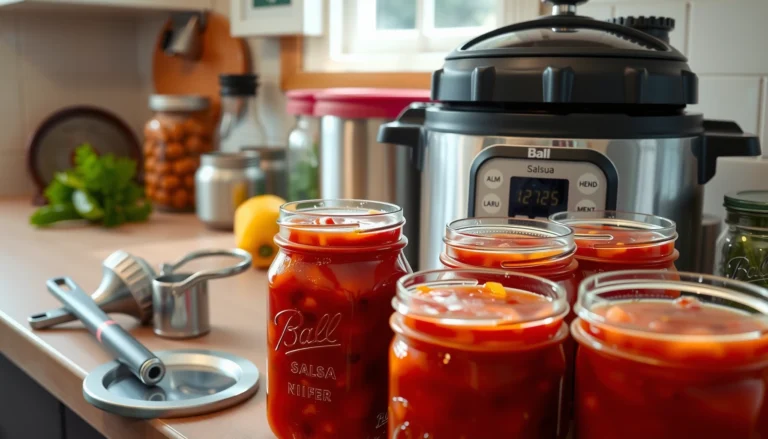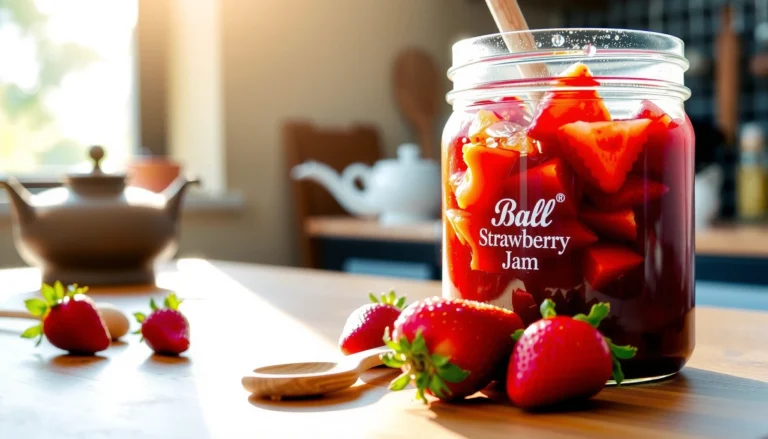
Master the art of making peach jam with pectin safely with this expert guide, designed for both novice and seasoned canners. Discover precise techniques, essential safety protocols, and tips for achieving the perfect texture and flavor in your homemade jam. Following these guidelines is crucial to ensure delicious results while preventing spoilage and preserving quality.
What This Guide Covers (And What It Doesn’t)
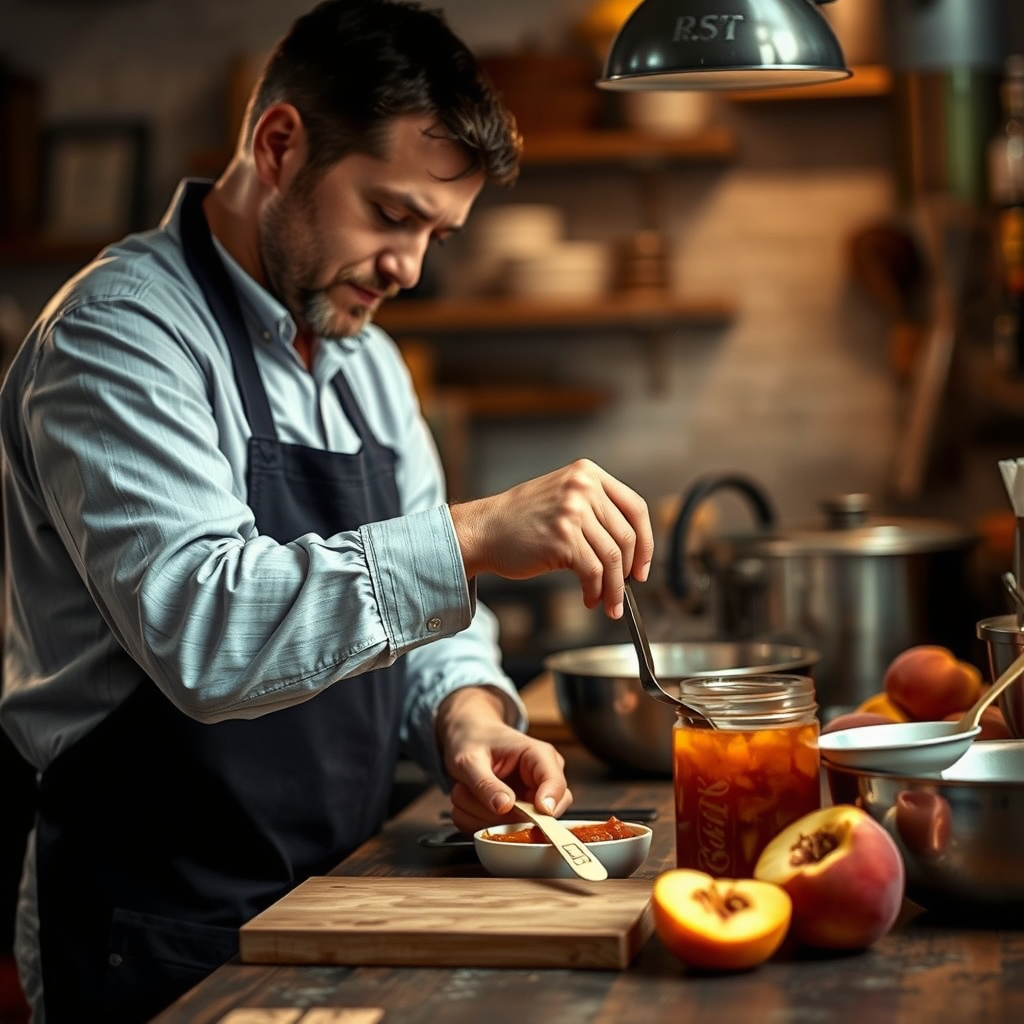
This comprehensive guide takes you through the art of making peach jam with pectin, offering a meticulous, step-by-step process that emphasizes the necessary ingredients, tools, and timing to guarantee both safety and quality. You’ll discover how to select the perfect peaches, utilize pectin effectively, and implement canning practices that ensure your jam is preserved safely. Note that this guide does not delve into alternative jam-making methods, such as those that forgo pectin or focus on other fruits, as our emphasis is solely on peach jam with a pectin base. Expect practical tips, troubleshooting advice, and safety precautions specifically tailored for peach jam enthusiasts.
Who Should Read This
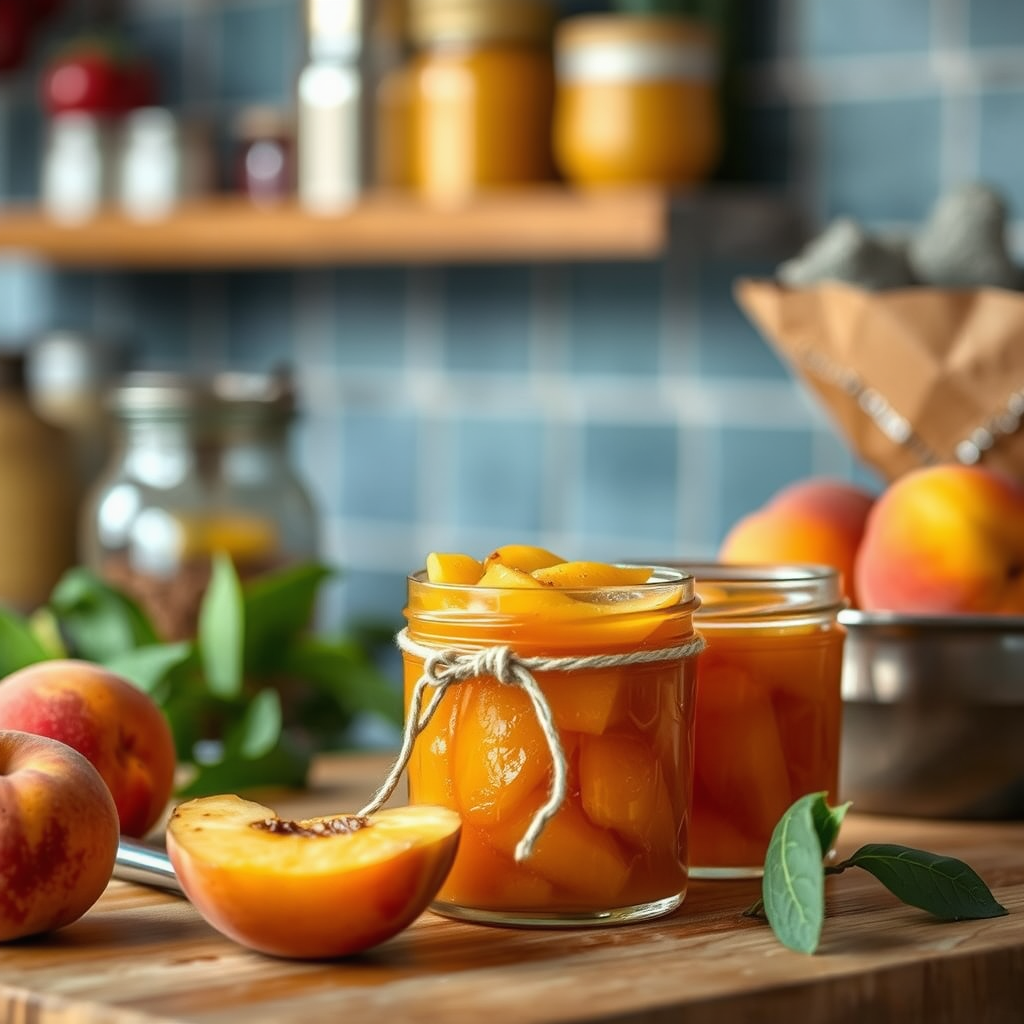
This guide is designed for home cooks with basic kitchen skills, particularly those familiar with canning equipment and techniques, who wish to broaden their jam-making repertoire. Individuals eager to preserve seasonal fruit while adhering to food safety standards will find this guide particularly beneficial, especially if they have access to fresh peaches and pectin. However, those with dietary restrictions or special preferences, such as low-sugar options, might need to consult alternative resources since this guide focuses on traditional peach jam recipes using pectin.
The Step-by-Step Protocol
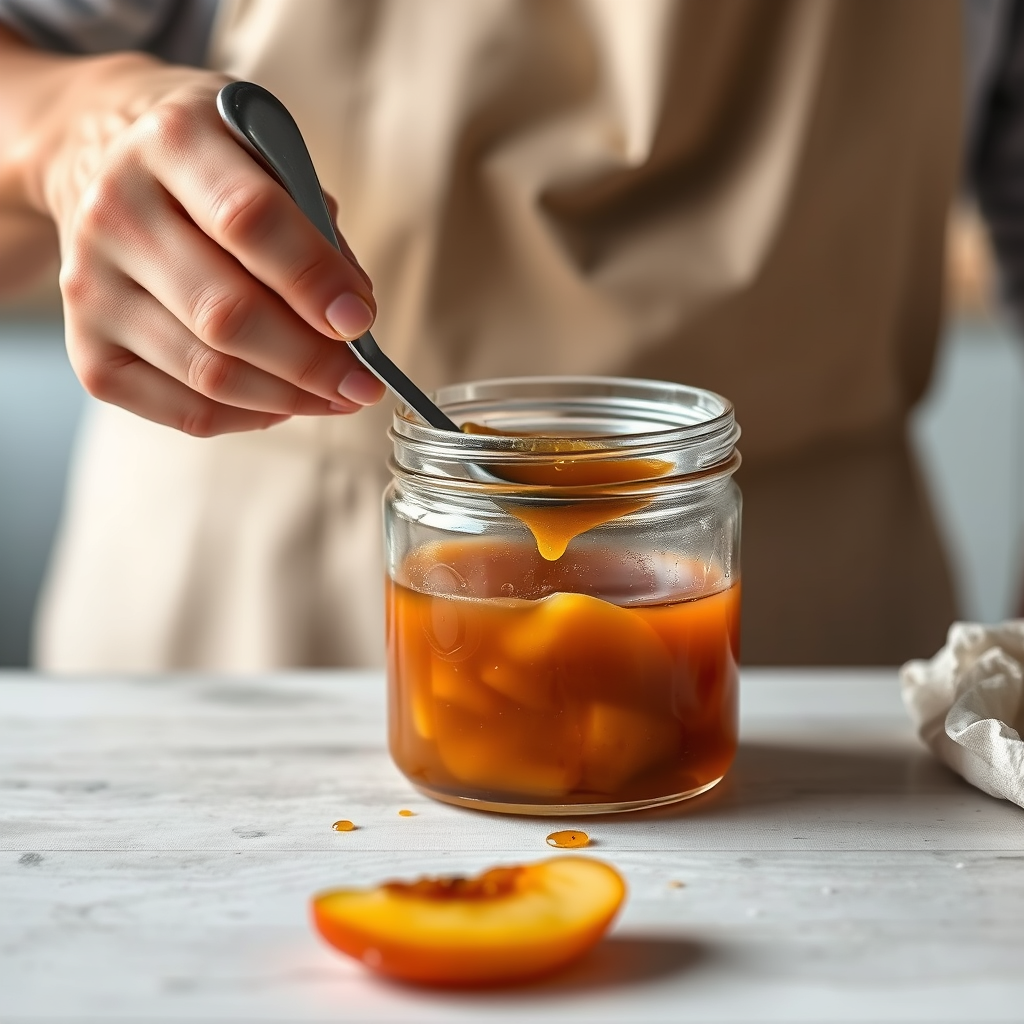
1. Gather Ingredients and Tools: Start with 4 cups of peeled, chopped peaches, 1 cup of granulated sugar, 1/4 cup of pectin (such as Sure-Jell), and 2 tablespoons of lemon juice. Additionally, ensure you have canning jars, lids, a water bath canner, a large pot, a ladle, and a canning funnel ready for the process.
2. Prepare Peaches: Thoroughly wash the peaches, then use a sharp knife to peel them. Chop the peaches into small pieces, aiming for roughly 1-inch chunks. This size promotes even cooking and ensures optimal texture in the final jam. Measure out 4 cups of the prepared peaches.
3. Cook the Mixture: In a large pot, combine the chopped peaches, lemon juice, and pectin. Stir well to ensure even distribution of the pectin. Bring the mixture to a boil over medium heat, stirring constantly. This should take about 2 minutes, during which you’ll notice the mixture thickening.
4. Add Sugar and Boil Again: Gradually stir in the sugar until it is completely dissolved, which may take a few minutes. Once the sugar is incorporated, return the mixture to a rapid boil. Maintain this boil for 1-2 minutes while stirring constantly. This crucial step activates the pectin and helps achieve the desired jam consistency.
5. Prepare Jars: While the jam cooks, prepare your canning jars by placing them in a boiling water bath for at least 10 minutes to sterilize. This step is vital to prevent any bacterial growth in your finished product.
6. Fill the Jars: When the jam reaches the desired consistency, remove it from heat. Using a ladle and canning funnel, fill each sterilized jar, leaving about 1/4 inch of headspace at the top. Wipe the rims of the jars with a clean cloth to remove any residue that might hinder the seal.
7. Seal and Process: Place the lids on the jars and screw on the metal bands until they are fingertip-tight. Process the jars in a boiling water bath for 5-10 minutes, depending on your altitude. Ensure the water covers the jars by at least an inch.
8. Cool and Store: After processing, carefully remove the jars and let them cool on a clean towel or cooling rack for 12-24 hours. Once cooled, check that the lids have sealed properly by pressing the center of each lid; if it does not pop back, the jar is sealed. Store sealed jars in a cool, dark place. Unsealed jars should be refrigerated and used within a few weeks.
Warning Signs: When Not to Follow This
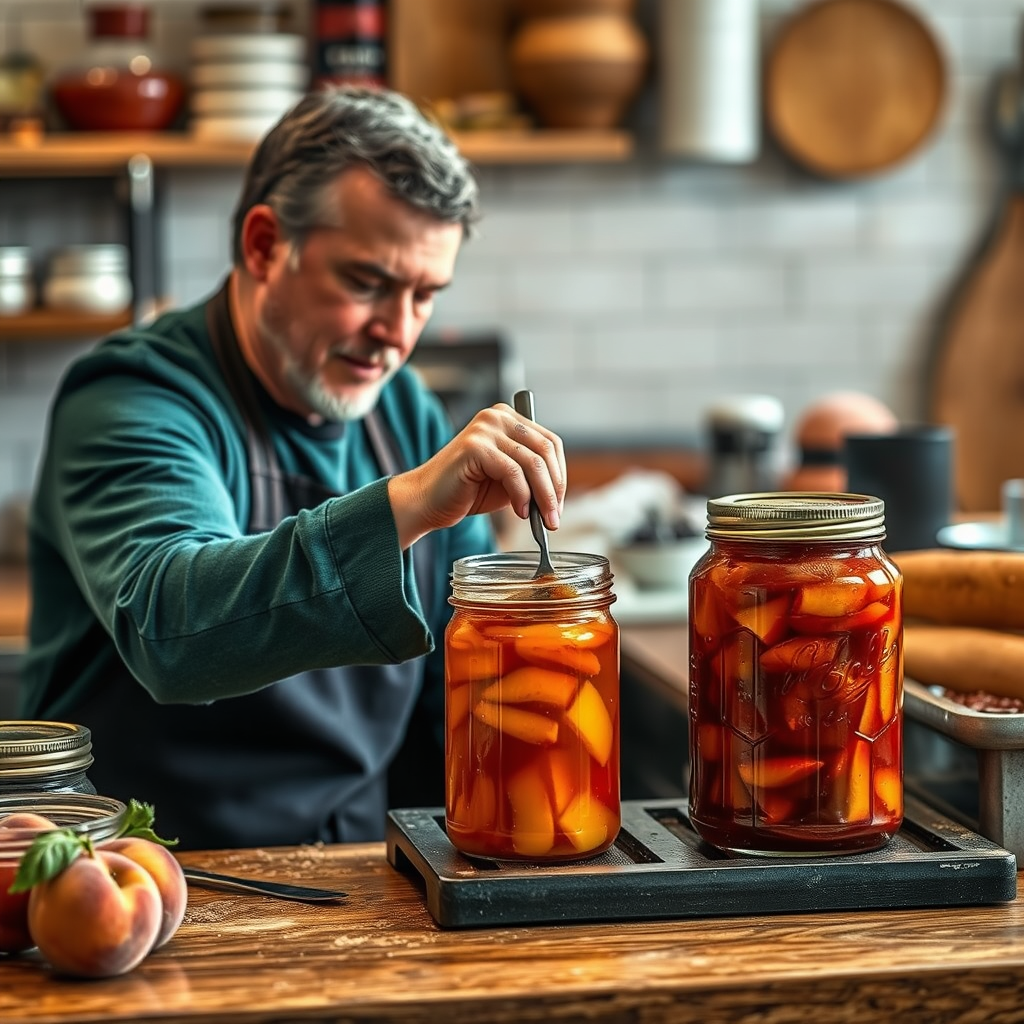
– If the peaches show signs of spoilage, such as mold, bruising, or an off smell, do not proceed; always use fresh, ripe peaches for the best flavor and safety.
– Avoid making this recipe if you lack the necessary canning equipment (such as a water bath canner) or if you are unfamiliar with the canning process, as improper canning can lead to foodborne illness.
– If you cannot access pectin or do not have the correct measurements for sugar, do not attempt this recipe; the balance of these ingredients is essential for achieving the right consistency and ensuring safety.
The Most Common Mistakes (And Their Consequences)
– Overcooking the Mixture: This can lead to a thick, gummy texture instead of a spreadable jam. Adhere to boiling times precisely to avoid this issue, as overcooked jam may not spread well on bread.
– Skipping the Lemon Juice: Insufficient amounts of lemon juice can result in a jam with inadequate acidity, which is vital for both flavor and preservation. This oversight can lead to spoilage and unsafe preservation.
– Not Sterilizing Jars Properly: Failing to sterilize jars before filling them can introduce bacteria, jeopardizing the safety of the jam. Always heat jars in boiling water prior to filling to maintain food safety.
Special Cases That Need a Different Approach
– Frozen Peaches: When using frozen peaches, ensure they are fully thawed and drained of excess moisture before following the recipe. This step helps avoid a runny final product.
– Lower-Sugar Versions: For those preferring a lower-sugar option, consider using pectin specifically designed for low-sugar recipes. Standard pectin requires a higher sugar content to set properly, so adjustments are necessary.
– Small Batches: If making small batches (less than 2 cups), adjust cooking times and pectin ratios accordingly. The standard recipe is designed for larger quantities, and small batches may require less boiling time or pectin for the right consistency.
When You Need a Professional
– If you have concerns about food safety, particularly regarding pH levels and preservation methods, consult a food safety expert before proceeding with canning processes. This is especially important for those with compromised immune systems or health conditions.
– When dealing with large quantities of jam (more than 10 jars), consider seeking advice from a professional canner on scaling recipes and preventing spoilage. Large batch processing may require specific techniques to maintain quality.
– If you experience any adverse reactions or issues during the jam-making process, such as unusual smells, colors, or textures, seek guidance from a food safety professional before consuming or sharing your jam.
Sources and Further Reading
– “The USDA Complete Guide to Home Canning” provides comprehensive information on safe canning practices and guidelines for preserving fruits, including peaches.
– Check out the National Center for Home Food Preservation (NCHFP) for additional resources on safe canning methods and specific fruit preservation techniques.
– “Ball Complete Book of Home Preserving” offers various recipes and expert tips on canning techniques, including detailed instructions for making peach jam with pectin.
By following the precise steps outlined in this guide, you can create delicious and safe peach jam to enjoy year-round. Happy canning!
Frequently Asked Questions
What ingredients do I need for a peach jam recipe with pectin?
To make a delicious peach jam with pectin, you will need fresh peaches, granulated sugar, lemon juice, and fruit pectin. Typically, you will also need water to dissolve the pectin. Make sure to choose ripe peaches for the best flavor and sweetness.
How do I properly prepare peaches for making jam with pectin?
To prepare peaches for your jam, start by washing them thoroughly, then peel and pit the peaches. Chop the fruit into small pieces, ensuring you measure the correct amount as per your recipe, which is usually around 4 cups of chopped peaches for a standard batch of jam.
Why is pectin important in a peach jam recipe?
Pectin is a natural thickening agent that helps your peach jam achieve the desired consistency and stability. It facilitates the gelling process, ensuring your jam sets properly and has a smooth texture. Using pectin can also reduce cooking time, preserving the fresh flavor of the peaches.
What is the best method for sealing jars when making peach jam with pectin?
The best method for sealing jars when making peach jam with pectin is to use the water bath canning technique. After filling sterilized jars with hot jam, wipe the rims clean, place lids on top, and process the jars in boiling water for about 5-10 minutes to create a vacuum seal, ensuring long-term storage.
Which type of pectin is best for peach jam recipes?
The best type of pectin for peach jam recipes is usually liquid pectin, as it tends to yield a smoother texture and is easier to work with. However, powdered pectin can also be used effectively, so choose based on your preference and the specific instructions of your recipe to achieve the best results.
References
- Fruit preserves
https://en.wikipedia.org/wiki/Jam - https://www.extension.purdue.edu/extmedia/HE/HE-5-W.pdf
https://www.extension.purdue.edu/extmedia/HE/HE-5-W.pdf - https://www.fs.usda.gov/treesearch/pubs/19793
https://www.fs.usda.gov/treesearch/pubs/19793 - https://www.ncsu.edu/foodscience/extension/foodpreservation/canning/recipes/preserves.html
https://www.ncsu.edu/foodscience/extension/foodpreservation/canning/recipes/preserves.html - Expert Resources | CAES Field Report
https://www.uga.edu/extension/publications/peach-jam.html - Page not found
https://www.clemson.edu/extension/food-safety/food-preservation/jams-jellies.html - Google Scholar Google Scholar
https://scholar.google.com/scholar?q=peach+jam+recipe+with+pectin - Google Scholar Google Scholar
https://scholar.google.com/scholar?q=pectin+jams+preserving - Google Scholar Google Scholar
https://scholar.google.com/scholar?q=fruit+preservation+pectin - https://www.ncbi.nlm.nih.gov/pmc/articles/PMC4350825/
https://www.ncbi.nlm.nih.gov/pmc/articles/PMC4350825/