Making blueberry jam without pectin can be a rewarding endeavor, and this expert guide provides precise steps to ensure safety and quality. Designed for home canners and food preservation enthusiasts, it covers essential techniques, ingredient ratios, and safety protocols to achieve delicious results. Following these expert recommendations is crucial to avoid spoilage and ensure your homemade jam is both flavorful and safe for consumption.
What This Guide Covers (And What It Doesn’t)
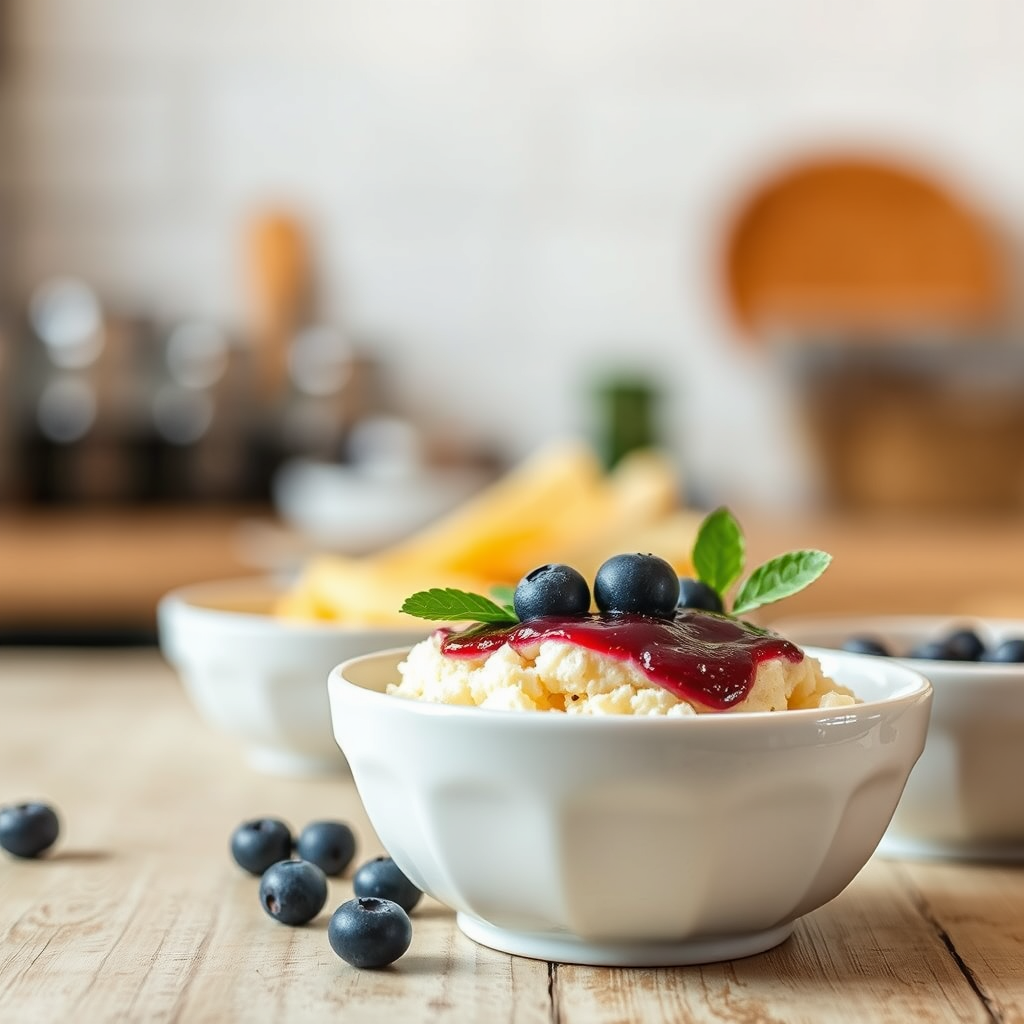
This guide offers a thorough, step-by-step recipe for crafting blueberry jam without the use of pectin, focusing instead on natural thickening methods. You will find essential information about the necessary ingredients, equipment, and safety practices for home canning, specifically tailored for blueberry jam. However, it does not cover alternative fruit preserves or recipes that require pectin, nor does it delve into the commercial jam-making process.
Who Should Read This
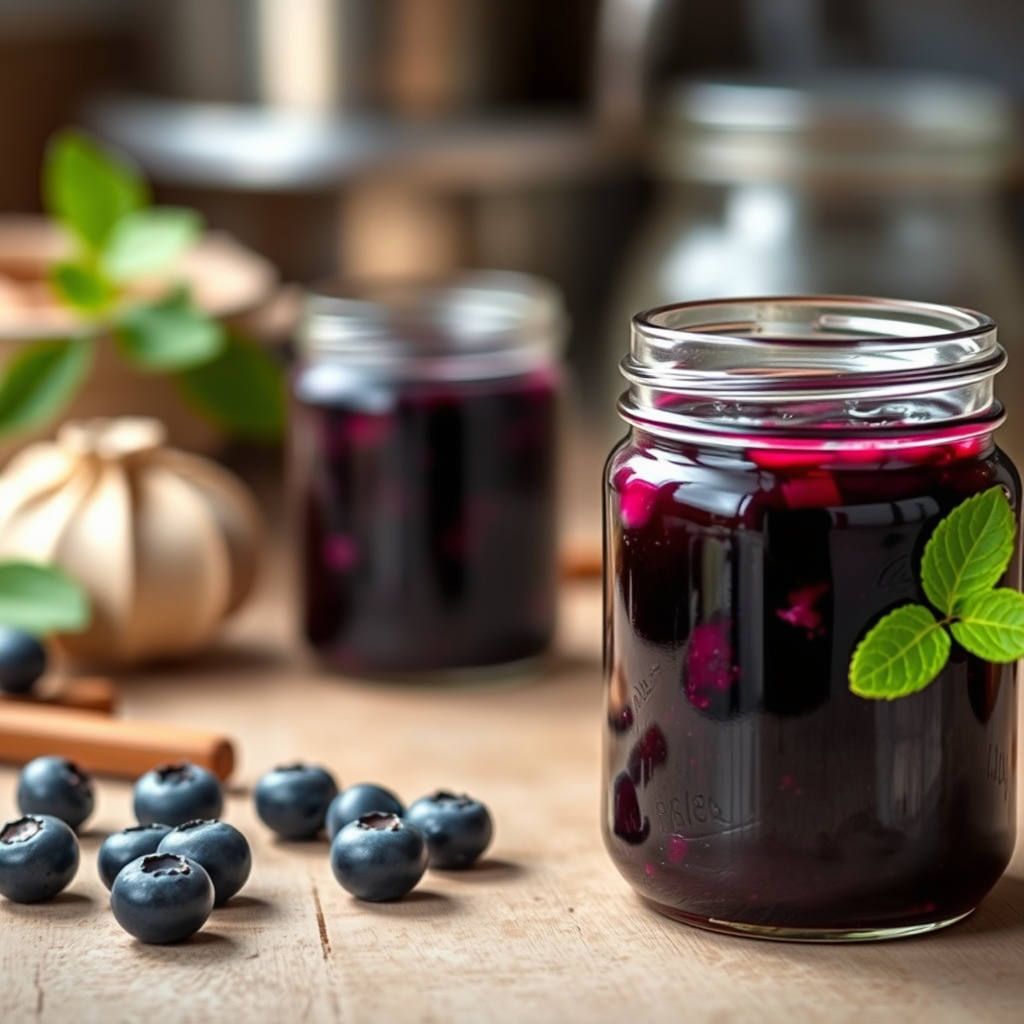
This guide is intended for home canners and cooking enthusiasts eager to create fruit preserves without pectin. Readers should possess a basic understanding of canning processes, including the sterilization of jars and the importance of proper food safety techniques. It is particularly suited for those looking to produce homemade, all-natural preserves while minimizing added sugars and additives.
The Step-by-Step Protocol
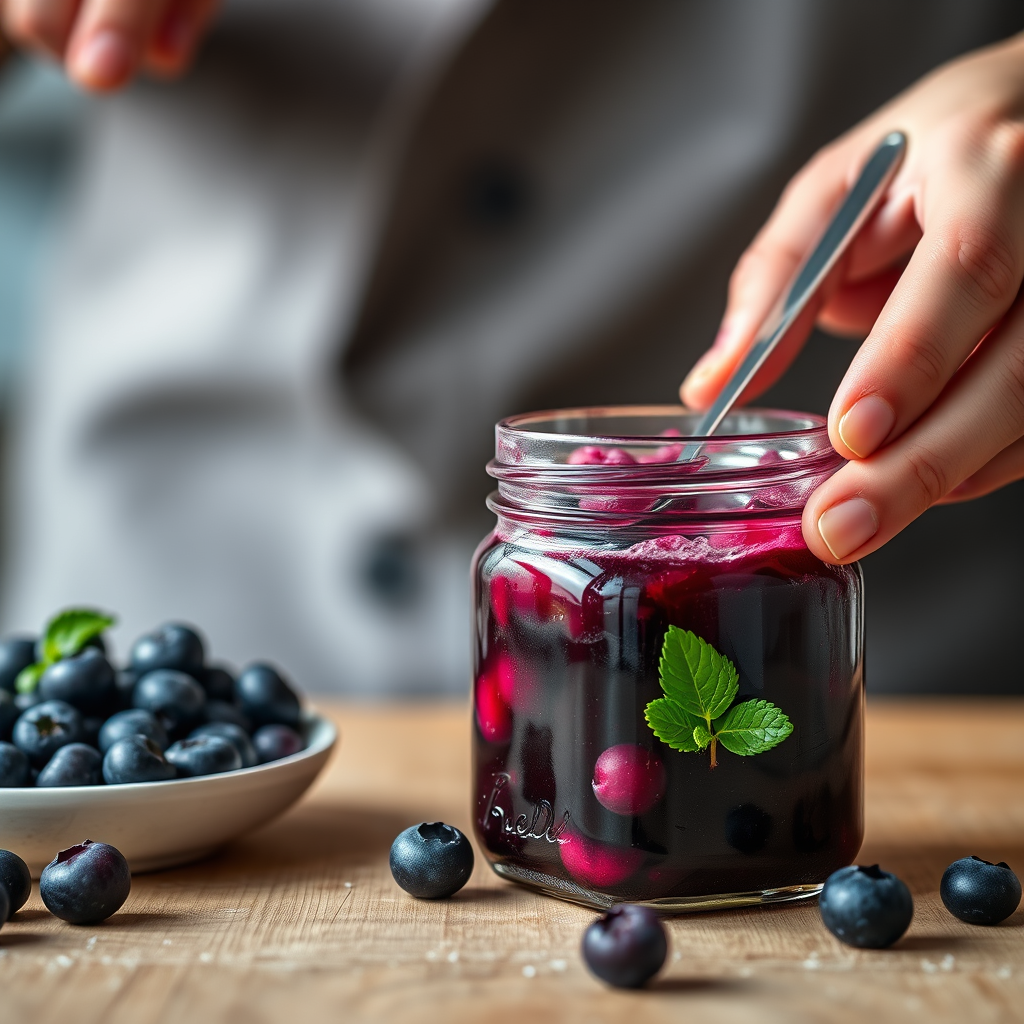
1. Gather Ingredients: Start by collecting the necessary ingredients—4 cups of fresh blueberries, 1.5 cups of granulated sugar, and the juice of 1 lemon. The lemon juice serves a dual purpose: it adds acidity, which is vital for preservation, and enhances the flavor of the jam.
2. Prepare Blueberries: Rinse the blueberries under cold water to remove any dirt or residues. Remove any stems or leaves, then place the blueberries in a large pot. Use a potato masher or fork to lightly mash the berries, just enough to release their juices, but not so much that they turn to complete mush.
3. Cook the Mixture: Add the granulated sugar and lemon juice to the pot with the mashed blueberries. Heat the mixture over medium-high heat, stirring continuously. Bring it to a rolling boil, characterized by large bubbles that cannot be stirred down. This process typically takes around 10 to 15 minutes.
4. Test for Consistency: After boiling for about 15-20 minutes, it is essential to test the consistency of the jam. Perform a ‘plate test’ by placing a spoonful of the jam on a chilled plate and allowing it to cool for about one minute. Run your finger through the jam on the plate; if it holds its shape and does not run, it is ready for canning. If it remains too runny, continue boiling and test again in a few minutes.
5. Fill Jars: Once the jam has reached the desired consistency, pour it into pre-sterilized jars. Leave approximately 1/4 inch of headspace at the top of each jar to allow for expansion during processing. Before sealing, wipe the rim of each jar with a clean cloth to ensure a tight seal.
6. Process Jars: Place the filled jars in a boiling water bath. Ensure that the jars are fully submerged in water, with at least an inch of water above them. Process the jars for 10 minutes to ensure proper sealing and preservation. After processing, allow the jars to cool at room temperature for 12-24 hours. Check the seals by pressing down in the center of each lid; if it does not pop back, the jar is sealed.
Warning Signs: When Not to Follow This
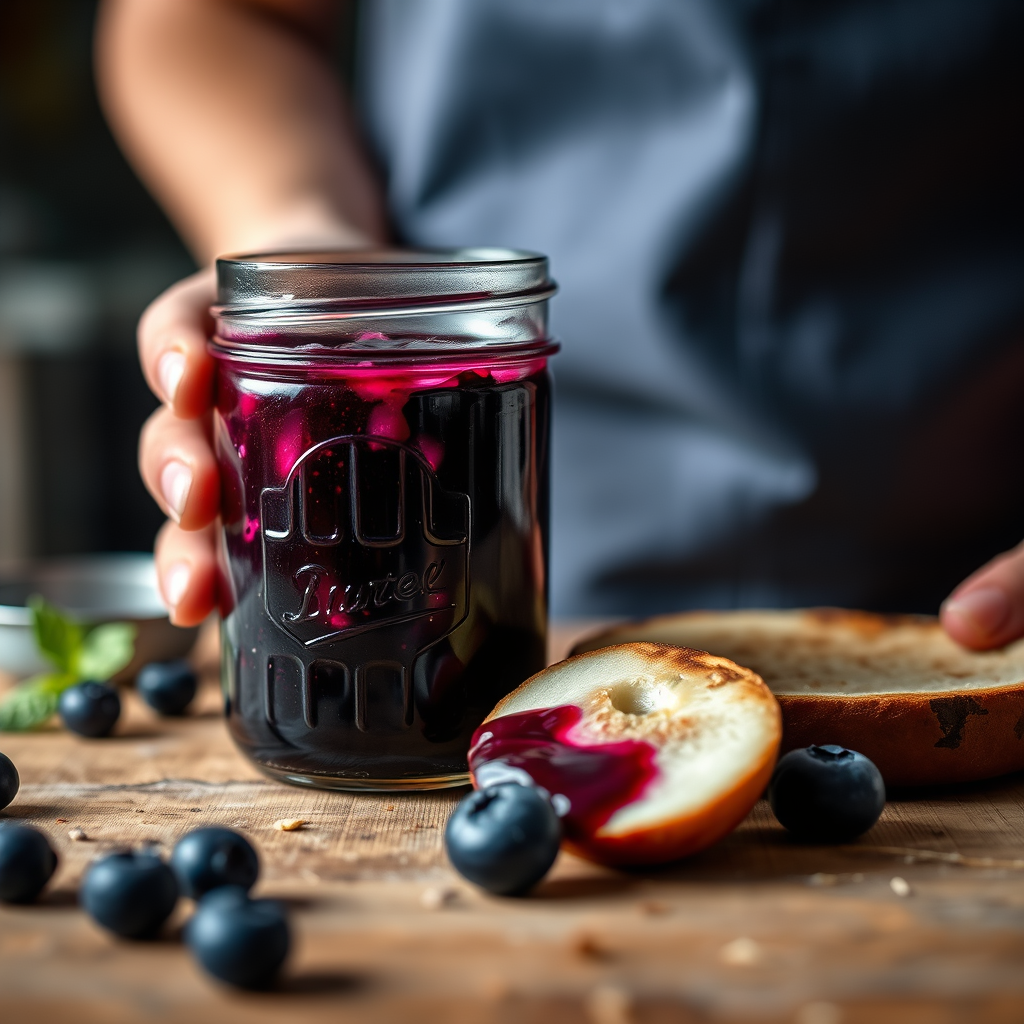
– Avoid this recipe if you are using overripe or moldy blueberries, as they can lead to spoilage and unsafe jam. Always choose firm, ripe blueberries without blemishes.
– If you have not properly sterilized your jars or equipment, do not attempt to make the jam, as this increases the risk of contamination and foodborne illness.
– Do not follow this protocol if you have dietary restrictions that conflict with the ingredients, such as a sugar intolerance or citrus allergy.
The Most Common Mistakes (And Their Consequences)
– Failing to Measure Sugar Accurately: Sugar is crucial for both flavor and gelling. Under-measuring can result in a runny consistency that will not set properly.
– Skipping the Lemon Juice: The acidity from the lemon juice is essential not only for flavor but also for food safety. Omitting it can lead to a jam that lacks flavor and has an increased risk of spoilage.
– Not Boiling the Jam Long Enough: Insufficient boiling time can leave the jam too thin. Always ensure that the mixture reaches the proper viscosity before canning, as this affects both texture and shelf stability.
Special Cases That Need a Different Approach
– If you are using frozen blueberries, ensure they are completely thawed and any excess liquid is drained before following the recipe. This prevents additional moisture, which can interfere with the gelling process.
– For those with low-sugar diets, consider using less sugar; however, be aware that this may affect the texture and shelf-life of the jam. A lower sugar content can lead to spoilage if not properly balanced with acidity.
– If making large batches (more than 8 cups), process the jam in multiple rounds to ensure consistent cooking and safety. Overcrowding the pot can lead to uneven cooking and inadequate sealing during the canning process.
When You Need a Professional
– Consult a food preservation expert if you notice any signs of spoilage, such as bubbling, unusual odors, or jars that do not seal properly. These could indicate fermentation or contamination.
– If you are unsure about the safety of your canning techniques—especially if it’s your first time—seeking guidance from a certified home economist can help prevent foodborne illness.
– If you wish to experiment with alternative sweeteners or preservatives that may affect the safety of the jam, professional advice is recommended to ensure that safety standards are met.
Sources and Further Reading
– USDA Complete Guide to Home Canning, which provides detailed safety guidelines for home canning practices.
– The National Center for Home Food Preservation website, a reputable source for safe food preservation methods and recipes.
– “Blueberry Jam: A Step-by-Step Guide” by the University of Georgia, offering insights into the science behind jam-making and proper preservation techniques.
By following these guidelines, you can create a delicious batch of blueberry jam without pectin, ensuring a safe and enjoyable canning experience. Enjoy the satisfaction of your homemade preserves!
Frequently Asked Questions
What ingredients do I need for a blueberry jam recipe without pectin?
To make blueberry jam without pectin, you will need fresh blueberries, granulated sugar, lemon juice, and a pinch of salt. The sugar acts as a natural preservative, while the lemon juice helps to balance the sweetness and enhances the jam’s flavor.
How do I make blueberry jam without pectin step by step?
Start by washing and mashing the blueberries in a large pot. Add sugar and lemon juice, then bring the mixture to a boil over medium heat, stirring frequently. Allow it to simmer for about 20-30 minutes until the jam thickens, then test its consistency by placing a spoonful on a cold plate. Once it’s reached your desired thickness, pour it into sterilized jars and seal.
Why is pectin not necessary for making blueberry jam?
Pectin is not necessary for making blueberry jam because blueberries naturally contain their own pectin, which helps thicken the jam as it cooks. Additionally, the combination of sugar and acid from lemon juice can create a gel-like consistency without the need for added pectin.
What is the best way to store homemade blueberry jam without pectin?
The best way to store homemade blueberry jam without pectin is to refrigerate it in airtight containers or sterilized jars. For long-term storage, you can also freeze the jam in freezer-safe containers. Always make sure to leave some space at the top of the jar or container to allow for expansion.
Which tools do I need to prepare blueberry jam without pectin?
To prepare blueberry jam without pectin, you’ll need a large pot for cooking, a potato masher or fork for mashing the blueberries, measuring cups for accuracy, and sterilized jars for storage. A candy thermometer can also be useful for checking the jam’s temperature to ensure it reaches the right consistency.
References
- Fruit preserves
https://en.wikipedia.org/wiki/Jam - https://www.uga.edu/extension/food_safety/preserving_fruits.html
https://www.uga.edu/extension/food_safety/preserving_fruits.html - https://www.extension.iastate.edu/publications/pm1095.pdf
https://www.extension.iastate.edu/publications/pm1095.pdf - https://www.oregon.gov/ode/students-and-family/child-nutrition/Documents/jam.pdf
https://www.oregon.gov/ode/students-and-family/child-nutrition/Documents/jam.pdf - https://www.fs.usda.gov/treesearch/pubs/31356
https://www.fs.usda.gov/treesearch/pubs/31356 - https://www.nal.usda.gov/sites/nal.usda.gov/files/Blueberry%20Jam%20Recipe.pdf
https://www.nal.usda.gov/sites/nal.usda.gov/files/Blueberry%20Jam%20Recipe.pdf - https://www.nal.usda.gov/legacy/food-preservation/blueberry-jam-recipe
https://www.nal.usda.gov/legacy/food-preservation/blueberry-jam-recipe - Google Scholar Google Scholar
https://scholar.google.com/scholar?q=blueberry+jam+recipe+without+pectin - Google Scholar Google Scholar
https://scholar.google.com/scholar?q=homemade+blueberry+jam+recipe - Google Scholar Google Scholar
https://scholar.google.com/scholar?q=blueberry+jam+preservation+methods