Crafting bacon jam recipes safely requires precision and a thorough understanding of food safety protocols. This expert guide delves into the essential techniques and best practices for creating delicious bacon jam while ensuring that your culinary creations are safe to enjoy. By adhering to these guidelines, you not only enhance the flavor but also protect your health and that of your guests.
What This Guide Covers (And What It Doesn’t)

This guide focuses specifically on various bacon jam recipes, detailing the ingredients, preparation techniques, and safe preservation methods. You’ll learn how to craft a delicious bacon jam that perfectly balances sweet and savory notes, alongside essential tips for ensuring food safety throughout preparation and storage. It does not cover general jam-making techniques unrelated to bacon or delve into discussions about non-bacon-based condiments. This guide is tailored for home cooks eager to expand their culinary repertoire with a unique twist on traditional jam. However, readers seeking information on bacon alternatives or vegetarian substitutes for bacon jam may find this guide less applicable.
Who Should Read This
This guide is designed for adventurous home cooks who possess a basic understanding of cooking techniques and food safety principles. It targets individuals with experience in making condiments or jams but who have yet to explore the realm of bacon-based recipes. Food enthusiasts interested in gourmet or artisanal foods, particularly those who appreciate the sweet and savory combination of bacon jam, will find valuable insights here. Conversely, those lacking cooking knowledge or experience in food preservation may find this guide too advanced without additional foundational resources.
The Step-by-Step Protocol
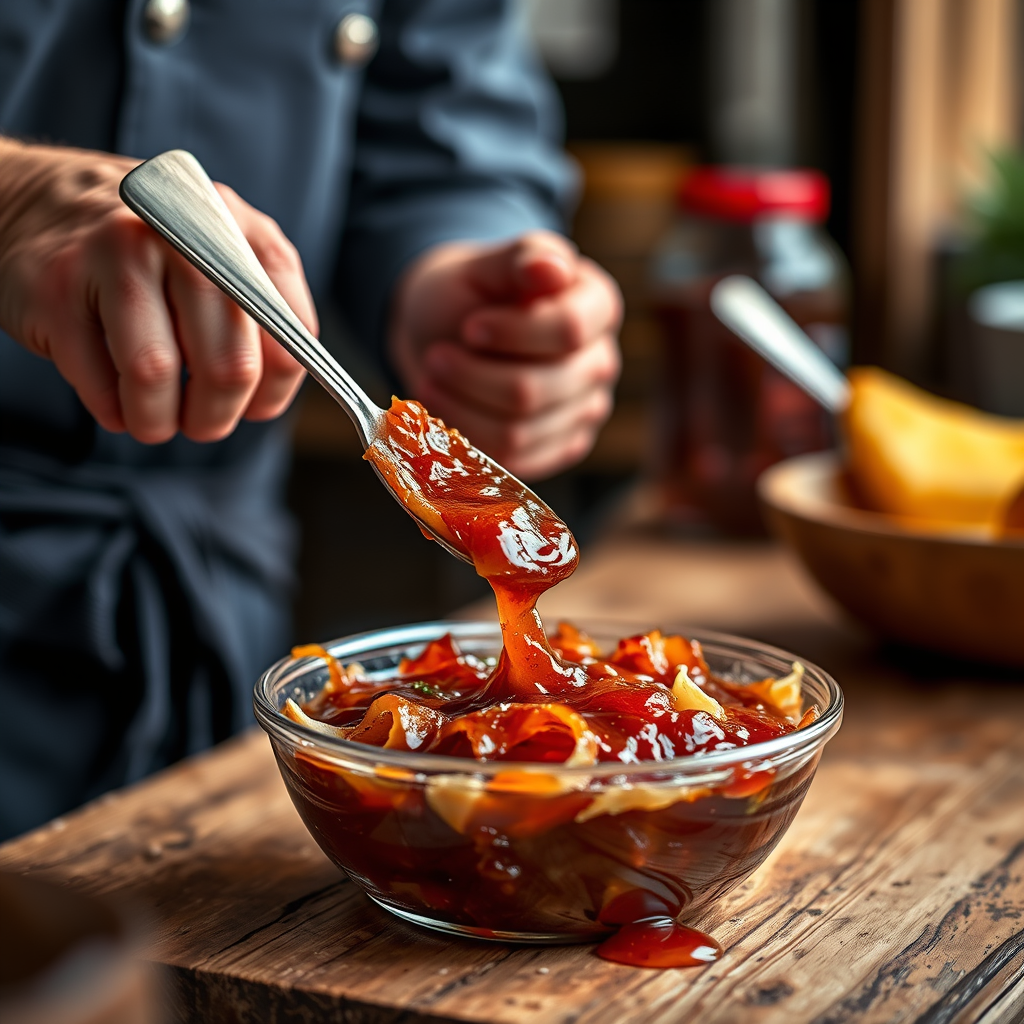
1. Gather Ingredients: Start with 1 pound of thick-cut bacon, 1 medium onion, 1 cup of brown sugar, 1 cup of apple cider vinegar, and 1 tablespoon of freshly cracked black pepper. Ensure that all ingredients are fresh for the best flavor outcome.
2. Cook the Bacon: In a large skillet over medium heat, cook the bacon until crispy, which should take about 10 to 15 minutes. Once cooked, drain the excess fat, reserving 2 tablespoons for the next step.
3. Sauté Onions: In the same skillet, add the reserved bacon fat and sauté the chopped onion until it becomes translucent, which will take approximately 5 to 7 minutes. Stir occasionally to avoid burning.
4. Combine Ingredients: Add the cooked bacon, brown sugar, apple cider vinegar, and black pepper to the skillet. Stir well to combine all ingredients, then bring the mixture to a gentle simmer. Cook for 20 to 30 minutes, stirring frequently, until the mixture thickens to a jam-like consistency.
5. Blend the Mixture: Once thickened, carefully use an immersion blender to blend the mixture to your desired consistency. If you prefer a chunkier jam, blend for a shorter time. If using a food processor, allow the mixture to cool slightly before transferring to avoid burns.
6. Jar and Store: Pour the bacon jam into sterilized jars while still hot, filling each jar to within 1/4 inch of the top. Seal immediately with sterilized lids and allow to cool at room temperature before refrigerating. Properly stored, the bacon jam can last in the refrigerator for up to one month.
Warning Signs: When Not to Follow This

Avoid making bacon jam if you have a sensitivity to high-fat foods, as the recipe contains a significant amount of bacon fat, which can exacerbate certain health conditions, particularly those related to the heart or digestive system. Do not attempt this recipe if you lack proper canning equipment and knowledge; improper sealing can lead to foodborne illnesses. If you cannot maintain a clean cooking environment, consider skipping this recipe to prevent contamination of the final product. Additionally, avoid this recipe if you are allergic to any ingredients, particularly bacon or vinegar, as substitutions may alter the final result significantly and could pose health risks.
The Most Common Mistakes (And Their Consequences)
– Overcooking the Bacon: Cooking bacon too long can lead to a dry, crumbly texture in the jam, making it less enjoyable as a spread. This can compromise the overall flavor and mouthfeel of the final product.
– Incorrect Ingredient Ratios: Failing to measure brown sugar and vinegar properly can result in an overly sweet or tangy jam that lacks balance. This imbalance can render the jam unappealing and unfit for serving.
– Neglecting Sterilization: Skipping the sterilization of jars can lead to spoilage, as bacteria can thrive in improperly stored bacon jam. This oversight can increase the risk of foodborne illnesses if consumed.
– Improper Blending: Not blending the mixture thoroughly can create an uneven texture, resulting in an unappealing product that may not spread well. This affects both the aesthetic and sensory qualities of the jam.
Special Cases That Need a Different Approach
– Smoky Flavor Preference: For those who enjoy a smoky flavor, consider using smoked bacon or adding a few drops of liquid smoke to the mixture during cooking to enhance the flavor profile.
– Low-Sugar Versions: For a lower sugar option, substitute brown sugar with a sugar alternative such as erythritol, adjusting quantities based on sweetness levels to achieve the desired flavor.
– Gluten-Free Needs: Ensure that all ingredients, especially vinegar, are labeled gluten-free for those with celiac disease or gluten sensitivities. This precaution is critical to avoid adverse reactions.
– Spicy Variations: For a kick, add diced jalapeños or a pinch of cayenne pepper during the cooking process, adjusting to taste. Be cautious with the amount, as it can quickly overpower the other flavors.
When You Need a Professional
In cases of severe food allergies, consult with an allergist before trying any new recipes that include potential allergens like bacon or vinegar. If you have existing health conditions requiring dietary restrictions, such as hypertension or metabolic disorders, seek advice from a registered dietitian or nutritionist before consuming bacon jam. If you are unfamiliar with the canning process and wish to store bacon jam long-term, consult a food preservation expert to ensure safety standards are met. When experimenting with ingredient substitutions that may affect the safety of the final product, consult a culinary professional for guidance.
Sources and Further Reading
– “The Science of Cooking: Every Question Answered to Perfect Your Cooking” by Stuart Farrimond provides foundational cooking principles essential for any culinary endeavor.
– USDA guidelines on safe canning practices for preserving homemade jams and jellies ensure food safety, which is vital for any home cook.
– “Bacon Jam: A Guide to Sweet and Savory Spreads” features various culinary blogs and cookbooks that provide inspiration and variations tailored to personal tastes.
– The National Center for Home Food Preservation offers in-depth resources on food safety and preservation techniques relevant to homemade jams, making it a reliable reference for best practices.
By following this guide, you can create a delicious bacon jam that not only elevates your culinary skills but also adheres to essential safety and preservation standards. Enjoy the rich flavors and unique applications of this gourmet condiment!
Frequently Asked Questions
What ingredients do I need for a basic bacon jam recipe?
A basic bacon jam recipe typically requires bacon, onion, garlic, brown sugar, balsamic vinegar, and a touch of maple syrup for sweetness. For added depth, consider including spices like black pepper or chili flakes. These ingredients combine to create a rich, savory spread that’s perfect for burgers, toasts, or cheese boards.
How long does homemade bacon jam last in the refrigerator?
Homemade bacon jam can last up to two weeks in the refrigerator when stored in an airtight container. For longer shelf life, consider canning it or freezing in small batches, which can extend its usability for several months. Always check for signs of spoilage before use, such as off smells or mold.
Why should I make bacon jam instead of buying it?
Making bacon jam at home allows you to control the ingredients and customize the flavor to your liking, offering a fresher and more satisfying experience than store-bought versions. Additionally, homemade bacon jam can be more economical, and the cooking process fills your kitchen with a delicious aroma, making it a rewarding culinary project.
What are the best uses for bacon jam?
The best uses for bacon jam include spreading it on toast or biscuits, pairing it with cheese for charcuterie boards, or using it as a topping for burgers and sandwiches. It also works well as a flavorful addition to savory dishes like omelets or as a glaze for roasted meats, enhancing your meals with its unique sweet and savory profile.
Which bacon is best for making bacon jam?
The best bacon for making bacon jam is thick-cut bacon, as it provides a meaty texture and rich flavor that holds up well during the cooking process. Choosing high-quality, uncured bacon can also enhance the taste, allowing the natural flavors to shine through without the interference of excessive preservatives.
References
- Bacon jam
https://en.wikipedia.org/wiki/Bacon_jam - Google Scholar Google Scholar
https://scholar.google.com/scholar?q=bacon+jam+recipes - https://pubmed.ncbi.nlm.nih.gov/?term=bacon+jam+recipes
https://pubmed.ncbi.nlm.nih.gov/?term=bacon+jam+recipes - Google Scholar Google Scholar
https://scholar.google.com/scholar?q=bacon+jam - https://www.bbc.com/food/recipes/bacon_jam_42040
https://www.bbc.com/food/recipes/bacon_jam_42040 - https://www.theguardian.com/food/2020/jan/24/how-to-make-bacon-jam-recipe
https://www.theguardian.com/food/2020/jan/24/how-to-make-bacon-jam-recipe - https://www.nytimes.com/2012/11/14/dining/bacon-jam-recipe.html
https://www.nytimes.com/2012/11/14/dining/bacon-jam-recipe.html - https://www.sciencedirect.com/topics/food-science/bacon-jam
https://www.sciencedirect.com/topics/food-science/bacon-jam - https://www.britannica.com/topic/jam
https://www.britannica.com/topic/jam - Page Not Found – Site Help – Mayo Clinic
https://www.mayoclinic.org/healthy-lifestyle/nutrition-and-healthy-eating/expert-answers/jam/faq-20057763