Master the art of making rhubarb jam with this complete expert guide, designed for both novice and seasoned cooks. This guide covers essential recipes, safe canning protocols, and tips to ensure your jam is both delicious and safe for consumption. Following the right procedures is crucial to avoid foodborne illnesses and achieve the perfect balance of tartness and sweetness. Dive in to elevate your jam-making skills and savor the vibrant flavors of rhubarb.
What This Guide Covers (And What It Doesn’t)
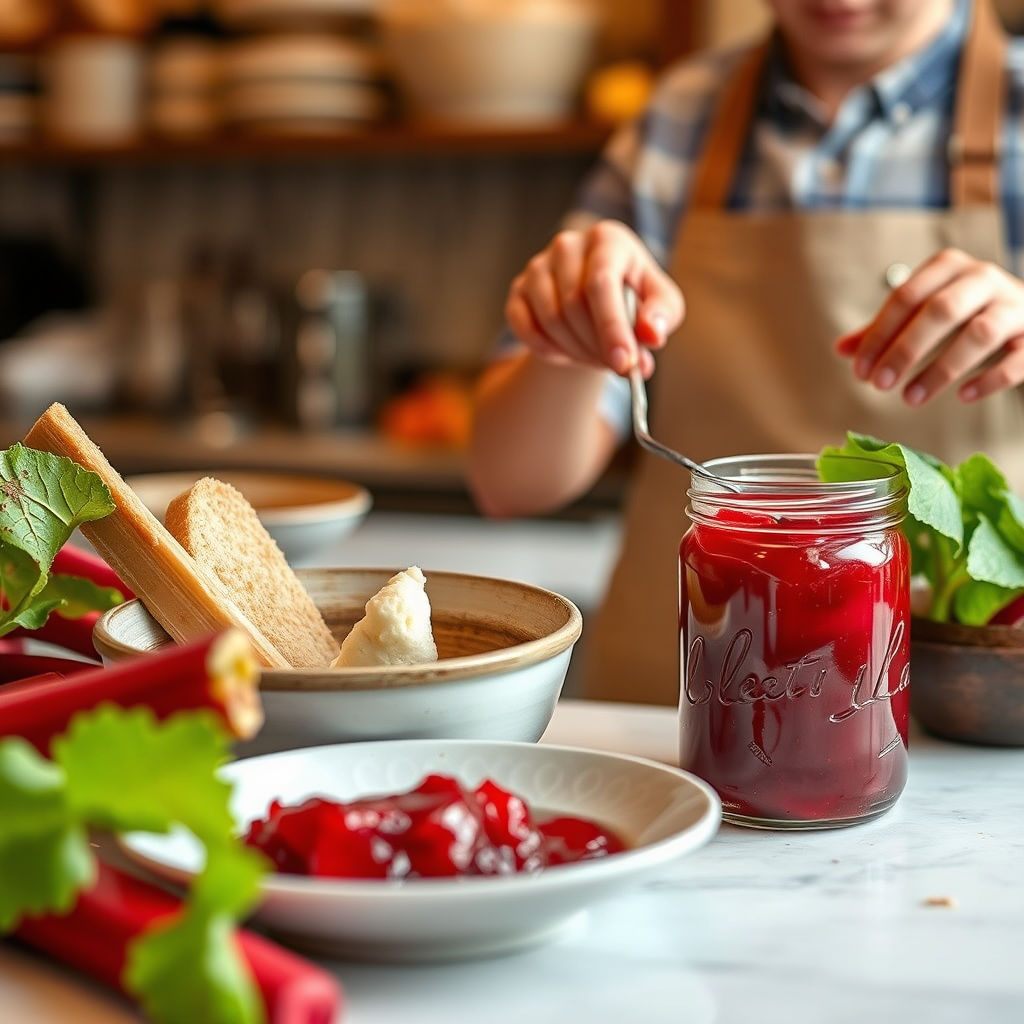
This guide provides in-depth instructions for safely making rhubarb jam, complete with detailed ingredient lists, precise cooking times, and effective sterilization methods. You will discover how to craft a sweet and tangy jam that captures the essence of seasonal rhubarb, making it perfect for spreading on toast or enhancing desserts. However, it does not delve into alternative uses for rhubarb or recipes for other preserves and jams, ensuring a focused approach solely on rhubarb jam. This guide is tailored for home cooks eager to preserve seasonal rhubarb safely and effectively, rather than for professional canners or those seeking commercial production techniques.
Who Should Read This
This guide targets home cooks of all skill levels who are interested in mastering the specifics of rhubarb jam-making, from beginners to seasoned preservers. A basic understanding of kitchen safety and food preservation techniques, such as boiling water canning and the significance of pH levels in jam making, is beneficial. Readers with a keen interest in seasonal cooking and preserving ingredients at their peak freshness will find this guide particularly valuable, as it emphasizes the use of fresh rhubarb.
The Step-by-Step Protocol
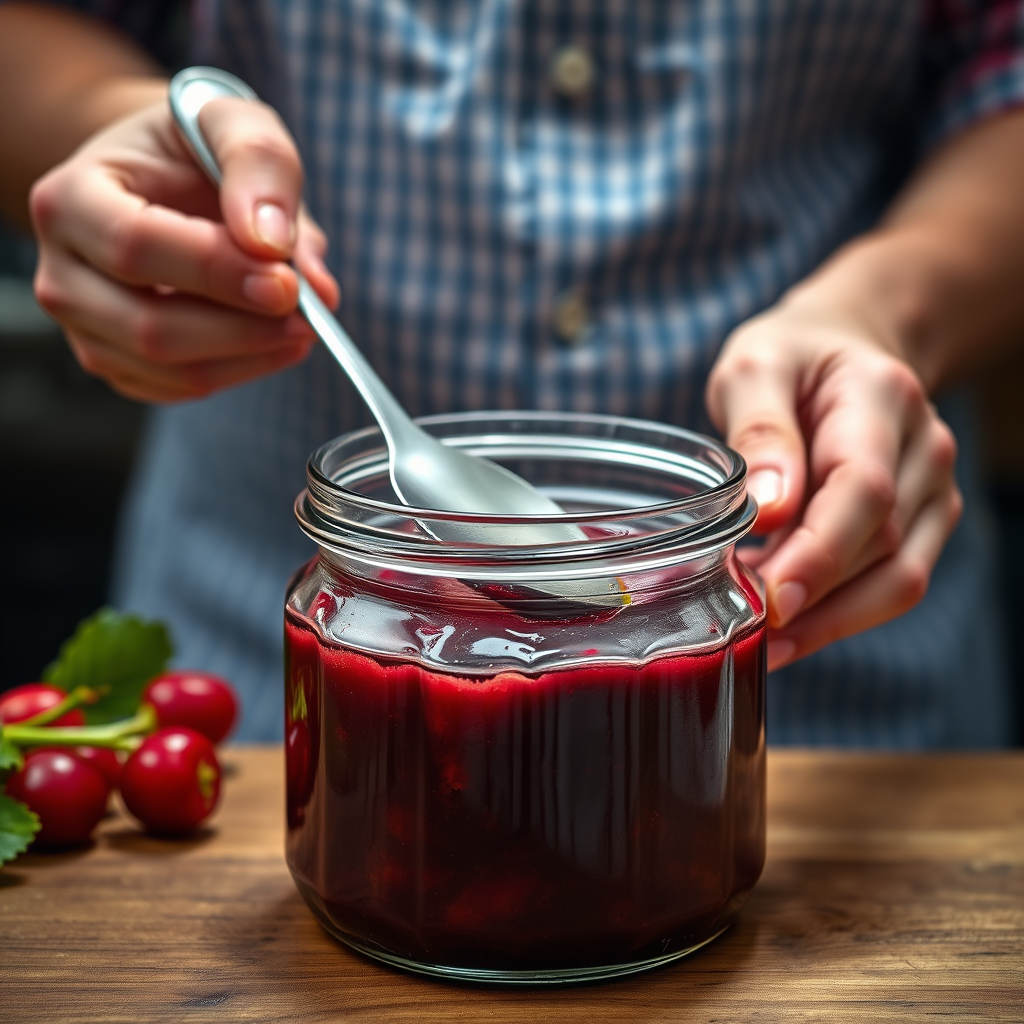
1. Gather Ingredients: Collect 4 cups of chopped fresh rhubarb, 1 cup of granulated sugar, and 1/4 cup of freshly squeezed lemon juice. The lemon juice not only enhances the flavor but also helps balance the acidity necessary for safe preservation.
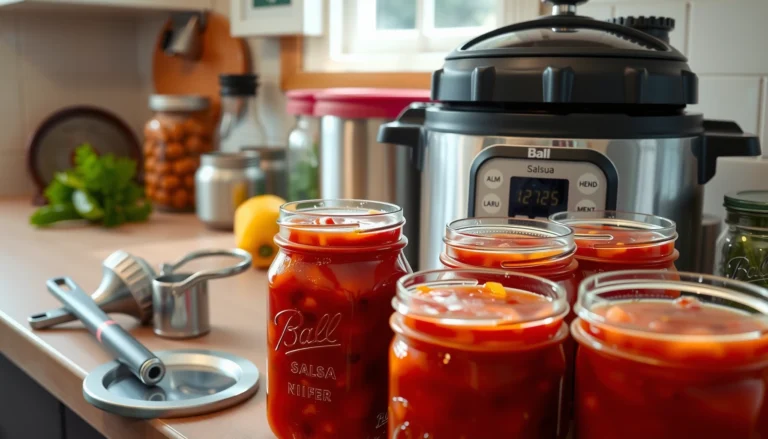
2. Prepare Equipment: Sterilize your canning jars and lids by boiling them in water for 10 minutes. This critical step eliminates any bacteria that could spoil the jam. Ensure that your canning pot is ready, complete with a rack at the bottom to keep jars off direct heat.
3. Cook the Jam: In a large, heavy-bottomed saucepan, combine the chopped rhubarb, sugar, and lemon juice over medium heat. Stir continuously until the sugar is fully dissolved. Once dissolved, increase the heat to bring the mixture to a rolling boil. Maintain this boil for 10 minutes, stirring occasionally to prevent sticking.
4. Check Consistency: After boiling, use a candy thermometer to check the temperature of the mixture. It should reach 220°F (104°C), indicating that it has reached the gel stage. To further confirm, perform the plate test: place a spoonful of jam on a chilled plate, let it sit for a minute, then run your finger through it. If it holds its shape and doesn’t run back together, it’s ready for bottling.
5. Fill Jars: Carefully ladle the hot jam into the sterilized jars, leaving approximately 1/4 inch of headspace at the top of each jar. This space is necessary for the jam to expand during processing. Wipe the rims of the jars with a clean cloth before sealing them with the sterilized lids to ensure a good seal.
6. Process the Jars: Place the filled jars in your boiling water bath canner, ensuring they are covered by at least an inch of water. Process the jars for 10 minutes to ensure they seal properly and remain safe from bacteria. Adjust processing time based on your altitude—add an additional minute for every 1,000 feet above sea level.
Warning Signs: When Not to Follow This
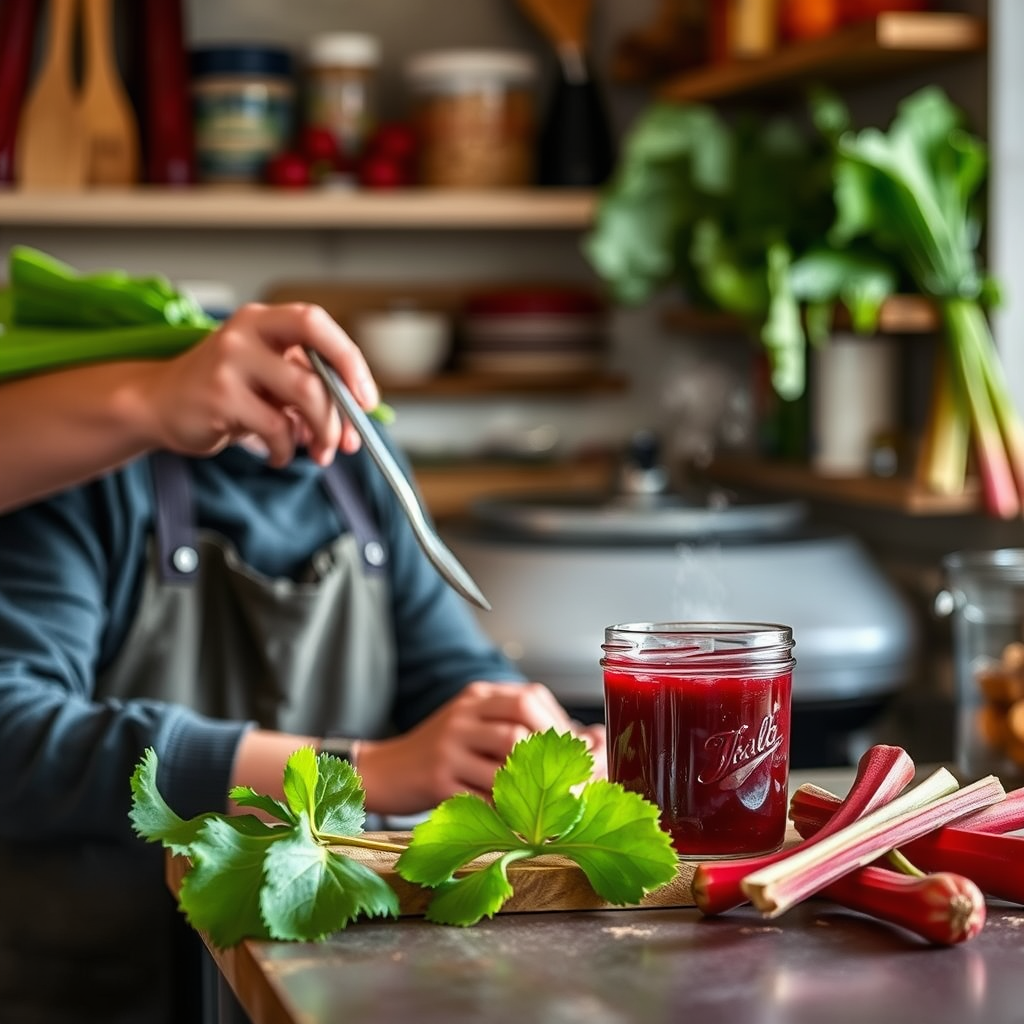
– If the rhubarb shows signs of spoilage, such as mold, discoloration, or an off smell, do not attempt to make jam, as it compromises the safety of the preserves.
– Avoid making jam if you do not have access to proper canning equipment, including a boiling water bath and sterilized jars, to ensure food safety.
– If you are allergic to any of the ingredients (rhubarb, sugar, lemon juice), do not follow this guide, as it may lead to adverse health effects.
The Most Common Mistakes (And Their Consequences)
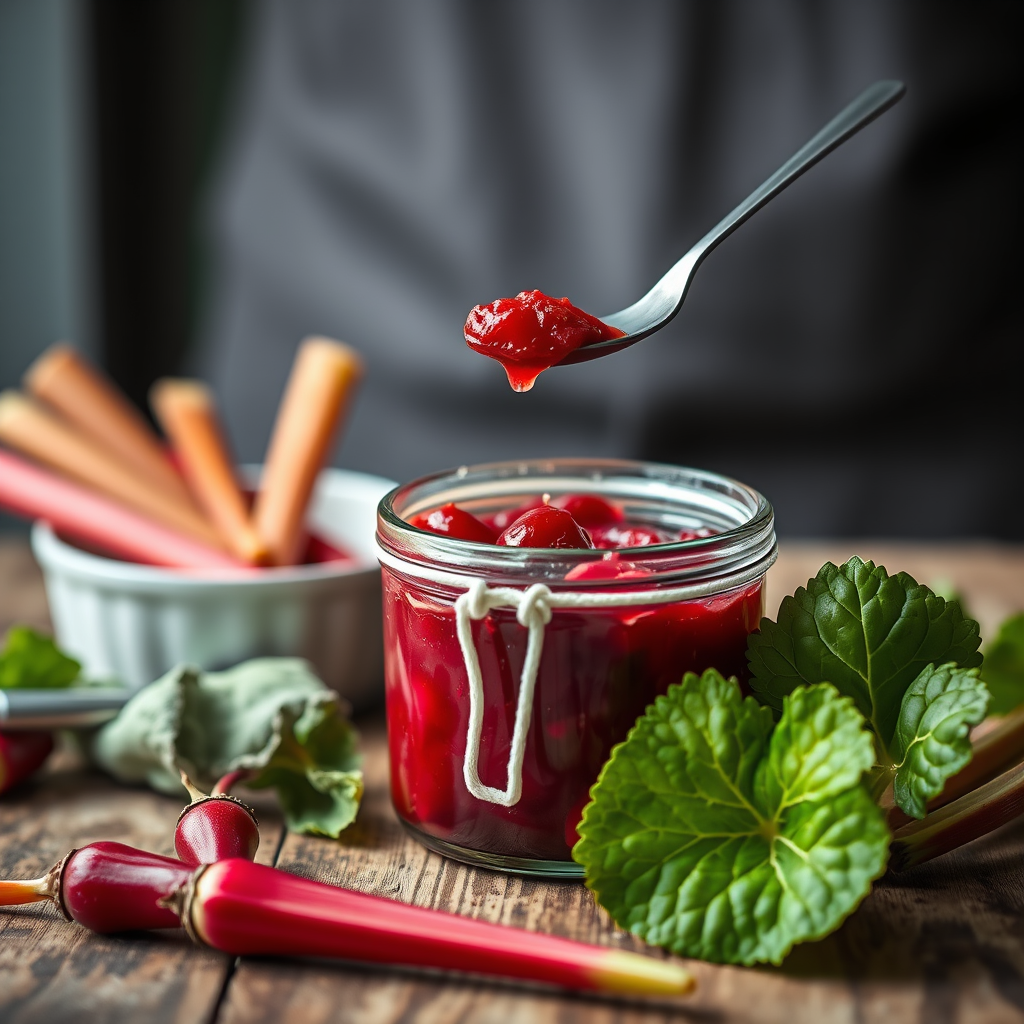
– Skipping the sterilization process can lead to bacterial growth in the jam, potentially causing foodborne illness. Always ensure that your jars and lids are sterilized.
– Not measuring the sugar accurately can result in a jam that doesn’t set properly, leaving you with a syrupy consistency instead of a thick spread. Accurate measurement is essential for the chemistry of jam making.
– Ignoring the pH balance by not adding enough acidity (like lemon juice) can lead to unsafe canning practices, increasing the risk of botulism, a serious and potentially fatal foodborne illness.
Special Cases That Need a Different Approach
– If using frozen rhubarb, thaw it completely and drain any excess liquid before proceeding with the recipe. This step is crucial to maintain the proper consistency of the jam.
– For those wishing to reduce sugar intake, consider using low-sugar pectin that requires less sugar. However, be aware that this may alter the texture and shelf life of the jam.
– If making rhubarb jam at high altitudes, consult local guidelines for adjusting cooking and processing times to ensure proper sealing and safety. For example, at 3,000 feet, you should process for 15 minutes instead of 10.
When You Need a Professional
– If you are unsure of your canning equipment’s functionality or if you have doubts about your ability to safely process the jam, consult a food safety expert or your local extension service.
– If you have specific dietary restrictions or health concerns, such as diabetes or allergies, seek advice from a registered dietitian before proceeding with the jam recipe.
– In the case of recurring issues with canning, such as jars not sealing properly, consider reaching out to a local food preservation expert or extension office for further guidance.
Sources and Further Reading
– The USDA Complete Guide to Home Canning offers authoritative guidelines on safe canning practices, including detailed information on the pH levels necessary for safe jam making.
– The National Center for Home Food Preservation provides research-based recommendations for preserving fruits and vegetables safely at home.
– Books such as “The Joy of Jams, Jellies, and Other Sweet Preserves” provide additional recipes and techniques for those interested in expanding their preserving skills beyond rhubarb jam.
By following the detailed steps outlined in this guide, you can successfully create rhubarb jam that is both delicious and safe for your family to enjoy. Approach the process with care and attention to detail to ensure the best results. Happy canning!
Frequently Asked Questions
What are the basic ingredients needed for rhubarb jam?
The basic ingredients for rhubarb jam include fresh rhubarb, sugar, and pectin. You may also want to add lemon juice for acidity, which helps balance the sweetness and enhances the flavor. Using high-quality, ripe rhubarb will yield the best results in your jam recipe.
How do I properly prepare rhubarb for jam making?
To prepare rhubarb for jam, start by washing the stalks thoroughly to remove any dirt. Trim off the ends and peel away any tough strings, then chop the rhubarb into small, even pieces to ensure even cooking. This preparation is crucial for achieving a smooth and delicious rhubarb jam.
Why is pectin important in rhubarb jam recipes?
Pectin is important in rhubarb jam recipes because it acts as a thickening agent that helps the jam set properly. Rhubarb is low in natural pectin, so adding commercial pectin ensures that your jam has the right consistency and doesn’t remain runny. This is especially important if you prefer a firmer texture in your preserves.
What is the best method for canning rhubarb jam?
The best method for canning rhubarb jam involves using the water bath canning technique. After cooking your jam, pour it into sterilized jars, leaving a little headspace, and seal them with lids. Process the jars in a boiling water bath for about 5 to 10 minutes to ensure they are preserved safely for long-term storage.
Which rhubarb jam recipes are most popular among home cooks?
Some of the most popular rhubarb jam recipes among home cooks include classic rhubarb-strawberry jam, rhubarb-orange jam, and rhubarb-ginger jam. These combinations not only highlight the tart flavor of rhubarb but also add complementary sweetness and depth. Exploring these variations can help you find your favorite rhubarb jam recipe.
References
- Rhubarb
https://en.wikipedia.org/wiki/Rhubarb - Rhubarb | Description, Plant, Leaves, Uses, & Facts | Britannica
https://www.britannica.com/plant/rhubarb - Google Scholar Google Scholar
https://scholar.google.com/scholar?q=rhubarb+jam+recipes - Google Scholar Google Scholar
https://scholar.google.com/scholar?q=rhubarb+preservation - Google Scholar Google Scholar
https://scholar.google.com/scholar?q=rhubarb+jam - https://www.nal.usda.gov/sites/default/files/fnic_uploads/rhubarb.pdf
https://www.nal.usda.gov/sites/default/files/fnic_uploads/rhubarb.pdf - https://www.ncbi.nlm.nih.gov/pmc/articles/PMC7315454/
https://www.ncbi.nlm.nih.gov/pmc/articles/PMC7315454/ - https://www.foodnetwork.com/recipes/articles/how-to-cook-with-rhubarb
https://www.foodnetwork.com/recipes/articles/how-to-cook-with-rhubarb - https://www.extension.purdue.edu/extmedia/HLA/HLA-600-W.pdf
https://www.extension.purdue.edu/extmedia/HLA/HLA-600-W.pdf - https://www.cdc.gov/nutrition/food-safety.html
https://www.cdc.gov/nutrition/food-safety.html