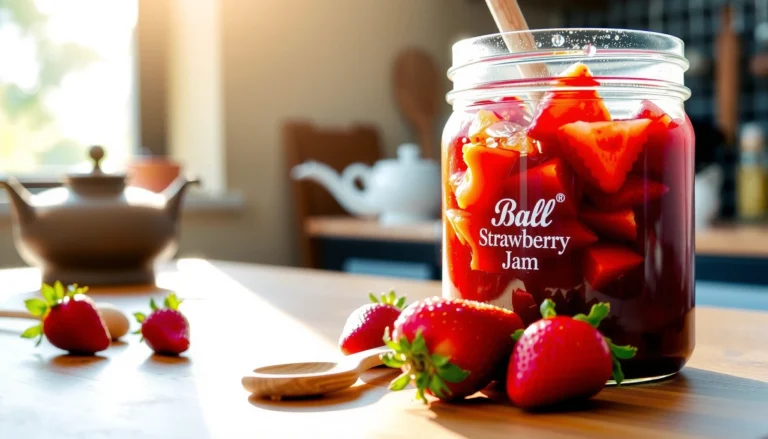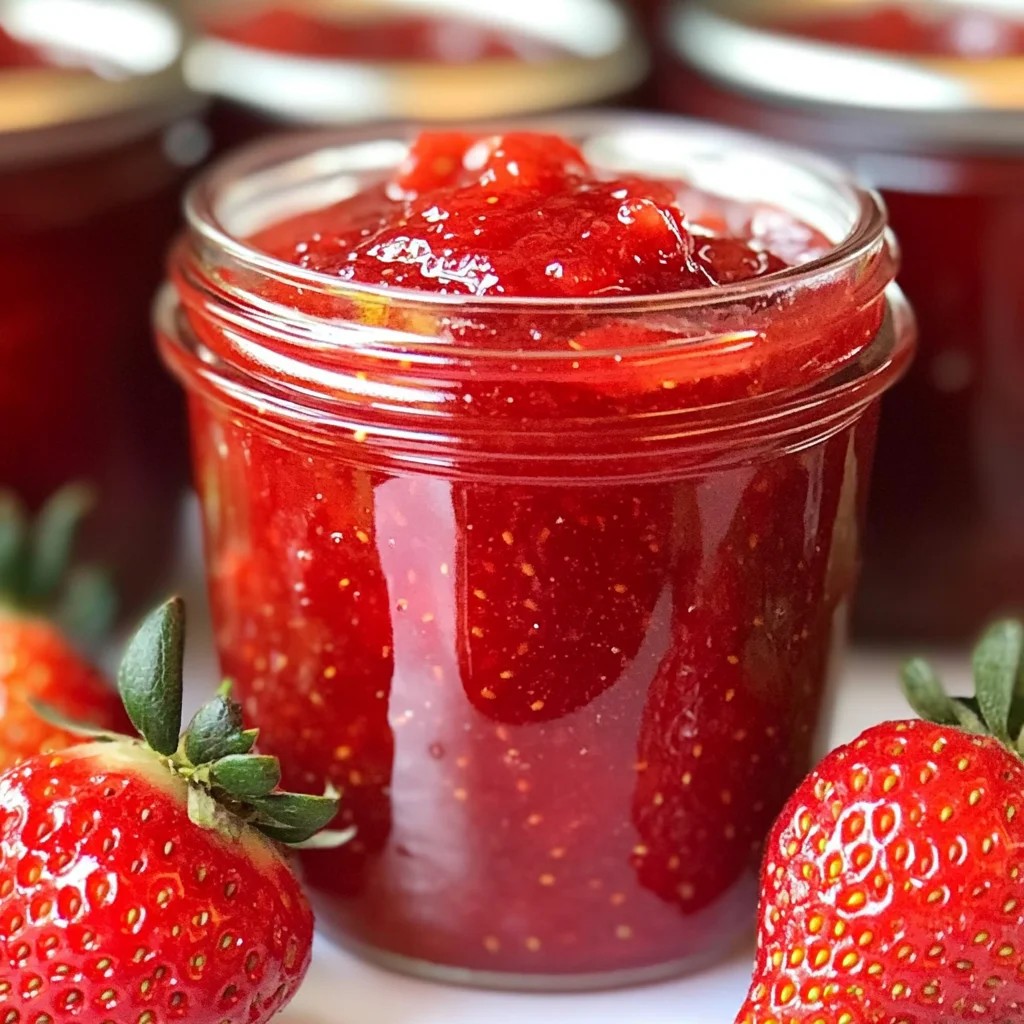
The Complete Expert Guide to Safely Making Freezer Strawberry Jam provides a step-by-step approach for creating delicious, homemade jam that preserves the freshness of strawberries while ensuring food safety. This guide is essential for both novice and experienced cooks who want to master the art of freezer jam without compromising quality. Following the correct procedures not only enhances flavor but also prevents spoilage, making your strawberry jam a delightful treat all year round.
What This Guide Covers (And What It Doesn’t)

This guide offers a thorough, step-by-step protocol for safely making freezer strawberry jam, featuring precise measurements, ingredient selections, and techniques to ensure optimal results. You will discover how to preserve the fresh taste of strawberries while steering clear of common pitfalls that can compromise the quality of your jam.
While the focus here is solely on the freezer version—perfect for those seeking a quick and easy alternative—it does not delve into traditional canning methods or cooked strawberry jam recipes. Instead, you can expect insights into common mistakes, contraindications, and special cases to consider, providing you with a comprehensive understanding of the process.
Who Should Read This

This guide is tailored for home cooks with basic kitchen skills, particularly those comfortable handling fruits and preparing simple recipes. It is especially beneficial for individuals looking to retain the fresh taste of strawberries without needing extensive canning equipment. Additionally, beginners who have never made jam before will find this straightforward, no-fuss approach to crafting delicious freezer strawberry jam particularly appealing.
The Step-by-Step Protocol
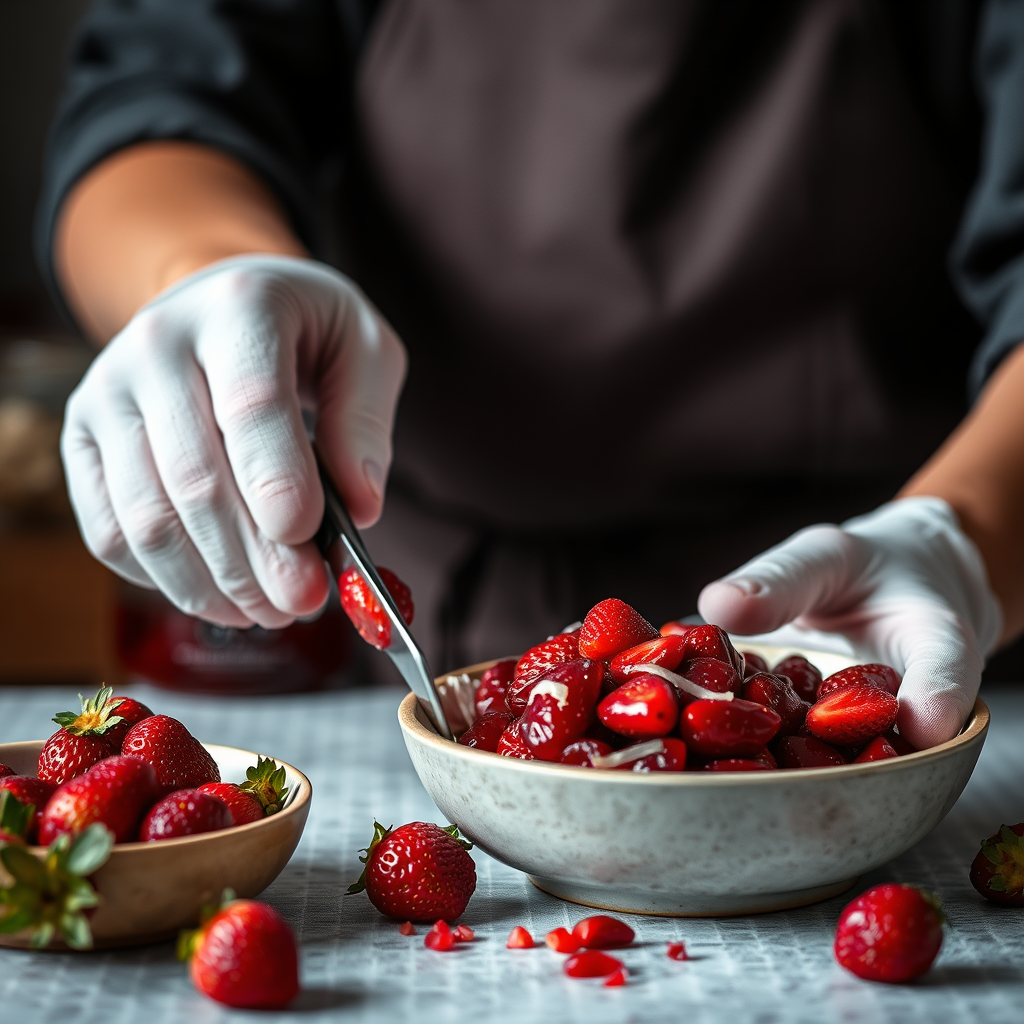
1. Gather Ingredients: You will need 2 pounds of fresh strawberries, 2 cups of granulated sugar, and 1/4 cup of fruit pectin (such as Sure-Jell). Ensure all ingredients are fresh and within their expiration dates for optimal results.
2. Prepare Strawberries: Wash the strawberries thoroughly under running water to remove any dirt or impurities. Hull them by removing the green tops and slice them into halves or quarters. Measure out 4 cups of prepared strawberries, ensuring you do not include any stems or leaves.
3. Combine Ingredients: In a large mixing bowl, combine the sliced strawberries with the sugar. Allow this mixture to sit for approximately 10 minutes, which will enable the sugar to draw out the strawberries’ natural juices. After this resting period, stir in the fruit pectin, ensuring it is evenly distributed throughout the mixture.
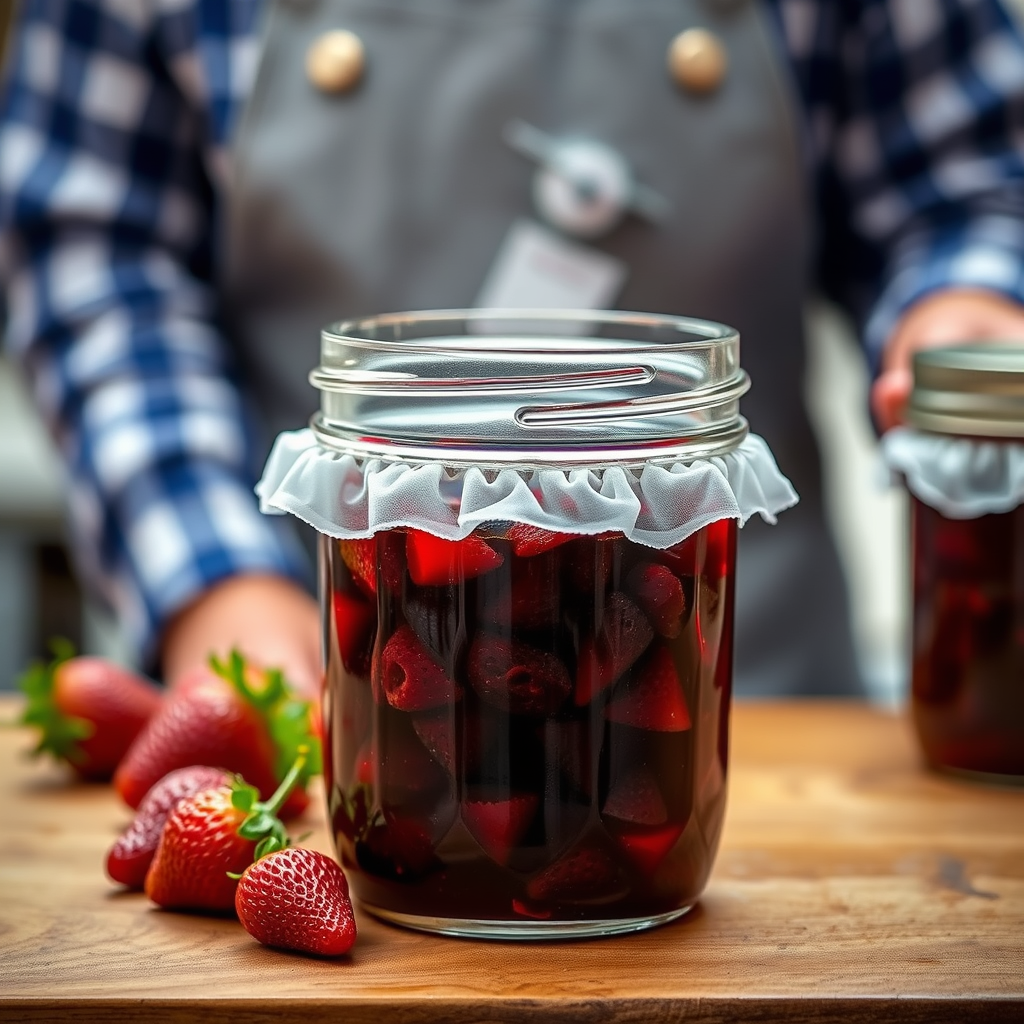
4. Stir and Fill Containers: Mix the strawberry and sugar mixture for about 3–4 minutes or until it is fully combined and the sugar is mostly dissolved. Pour the jam into clean, freezer-safe jars or containers, leaving 1/2 inch of headspace at the top. This allowance is crucial for preventing breakage during freezing due to the expansion of liquids.
5. Seal and Freeze: Securely seal each container with airtight lids. Label them with the date and contents. Place the jars in the freezer, where they can safely be stored for up to one year.
Warning Signs: When Not to Follow This
– If your strawberries show signs of mold, excessive bruising, or an off odor, do not use them; they can compromise the safety and quality of your jam. Spoiled fruit can lead to foodborne illness or spoilage of the entire batch.
– Avoid making freezer strawberry jam if you have not properly sanitized your containers. Bacteria can thrive in unclean containers, leading to spoilage of the jam during storage.
– If you have dietary restrictions or allergies related to sugar or pectin, this recipe may not be suitable without modifications. Consult a healthcare provider or nutritionist for alternatives.
The Most Common Mistakes (And Their Consequences)
– Skipping the Resting Period: Failing to allow the sugar to draw out the juices from the strawberries can result in a jam that is too runny. This essential step is necessary for achieving the desired consistency.
– Using Insufficient Pectin: Not incorporating the correct amount of pectin can lead to a jam that does not set properly. The final product may resemble syrup rather than a spreadable jam, which can be disappointing.
– Not Leaving Adequate Headspace: If you neglect to leave enough space at the top of your containers, the jars may break as the jam expands during freezing. This leads to wasted ingredients and a messy cleanup.
Special Cases That Need a Different Approach
– Using Frozen Strawberries: If you opt to use frozen strawberries instead of fresh, ensure they are fully thawed and drained of excess liquid before proceeding with the recipe. This prevents a watery consistency in your final product.
– Lower Sugar Options: For those who prefer to reduce sugar intake, consider using sugar substitutes specifically designed for jam-making. However, be sure to follow the manufacturer’s guidelines for both quantity and necessary adjustments to pectin.
– Adding Flavors: If you wish to enhance the flavor of your jam, you can add small amounts of lemon zest or vanilla. Start with 1 teaspoon of additional flavoring, as overdoing it can overpower the natural strawberry flavor.
When You Need a Professional
– If you notice any signs of spoilage in your jam after freezing or during thawing, consult a food safety expert immediately to avoid foodborne illnesses. Signs include off odors, discoloration, or mold growth.
– Should you have persistent issues with jam consistency despite following the instructions, reaching out to a culinary professional can provide tailored advice and solutions. They may offer insights on adjusting techniques or ingredient ratios.
– If you’re interested in preserving strawberries in ways other than freezer jam, such as traditional canning or alternative preservation methods, it’s advisable to consult a food preservation expert for guidance. They can offer valuable information and resources tailored to your needs.
Sources and Further Reading
– “So Easy to Preserve,” University of Georgia Cooperative Extension, provides in-depth resources on food preservation techniques, including freezing and jam-making. This is an essential reference for anyone looking to expand their knowledge on food preservation.
– The USDA’s “Complete Guide to Home Canning” offers guidelines on safe canning practices, beneficial for understanding the principles behind food preservation, even if you’re not canning.
– “The Joy of Cooking” includes recipes and techniques for making various types of jams and jellies, serving as a reliable reference for both novice and experienced home cooks.
By following this expert guide, you can confidently create delicious freezer strawberry jam that captures the essence of fresh strawberries. Enjoy your homemade jam on toast, in desserts, or as a delightful addition to various recipes.
Frequently Asked Questions
What ingredients do I need for a classic freezer strawberry jam recipe?
To make a classic freezer strawberry jam, you’ll need fresh strawberries, granulated sugar, and fruit pectin. Typically, about four cups of crushed strawberries are combined with one and a half cups of sugar and one package of pectin, which helps the jam set properly while maintaining a fresh strawberry flavor.
How do I prepare strawberries for a freezer jam recipe?
To prepare strawberries for a freezer jam, start by washing them thoroughly under cool water. Then, hull the strawberries by removing the green tops and any damaged parts, and crush them using a potato masher or food processor until you achieve your desired consistency, typically a chunky texture works best for jam.
Why is pectin important in a freezer strawberry jam recipe?
Pectin is a natural thickening agent that helps your freezer strawberry jam achieve the right consistency and prevents it from being too runny. Using pectin also allows the jam to set quickly without the need for cooking, making it perfect for a fresh and bright strawberry flavor.
What is the best way to store freezer strawberry jam?
The best way to store freezer strawberry jam is in clean, airtight containers or jars specifically designed for freezing. Make sure to leave some space at the top of each container to allow for expansion as the jam freezes, and label each jar with the date to keep track of freshness.
Which is the best method to thaw freezer strawberry jam?
The best method to thaw freezer strawberry jam is to transfer it from the freezer to the refrigerator and allow it to thaw overnight. If you need it more quickly, you can place the jar in a bowl of warm water for about 30 minutes, but avoid using a microwave as it can affect the texture and flavor of the jam.
References
- Fruit preserves
https://en.wikipedia.org/wiki/Jam - https://www.ars.usda.gov/ARSUserFiles/oc/np/recipes/Fruits/FreezerStrawberryJam.pdf
https://www.ars.usda.gov/ARSUserFiles/oc/np/recipes/Fruits/FreezerStrawberryJam.pdf - https://www.extension.purdue.edu/extmedia/FNR/FNR-507-W.pdf
https://www.extension.purdue.edu/extmedia/FNR/FNR-507-W.pdf - https://www.foodsafety.gov/food-safety-charts/jam-and-jelly
https://www.foodsafety.gov/food-safety-charts/jam-and-jelly - https://pubmed.ncbi.nlm.nih.gov/23414834/
https://pubmed.ncbi.nlm.nih.gov/23414834/ - https://www.sciencedirect.com/topics/agricultural-and-biological-sciences/jam
https://www.sciencedirect.com/topics/agricultural-and-biological-sciences/jam - Google Scholar Google Scholar
https://scholar.google.com/scholar?q=freezer+strawberry+jam+recipe - Google Scholar Google Scholar
https://scholar.google.com/scholar?q=strawberry+jam+making+techniques - Google Scholar Google Scholar
https://scholar.google.com/scholar?q=strawberry+preservation+methods - freezer strawberry jam recipe – Search results
https://en.wikipedia.org/wiki/Special:Search?search=freezer+strawberry+jam+recipe