Learn how to make easy strawberry jam safely with this complete step-by-step guide, designed for both beginners and seasoned cooks. This guide covers essential techniques, ingredient ratios, and safety protocols to ensure your homemade jam is delicious and safe to enjoy. Mastering these methods not only enhances flavor but also prevents spoilage, giving you the confidence to create perfectly preserved strawberry jam every time.
What This Guide Covers (And What It Doesn’t)
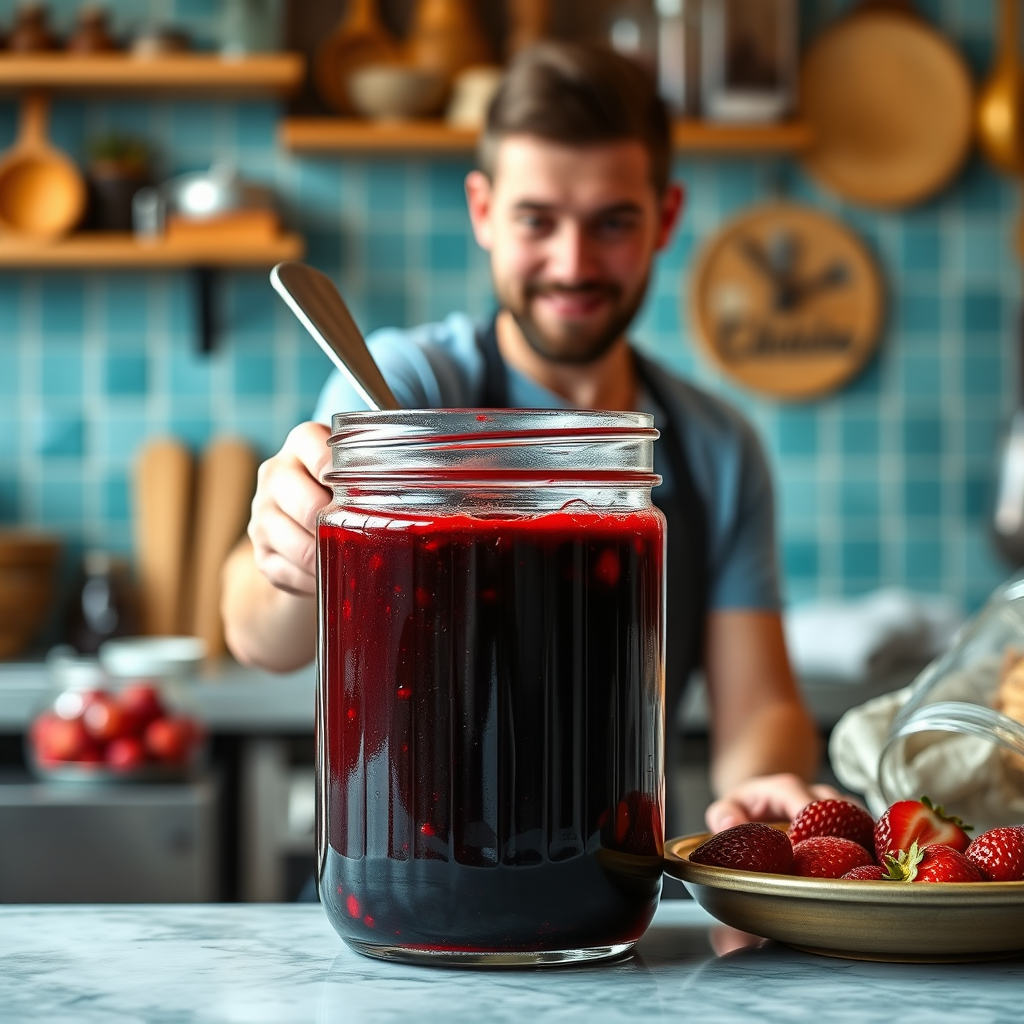
This guide provides a detailed, step-by-step recipe for making easy strawberry jam at home, including ingredient measurements, cooking methods, and safety tips. Focusing on fresh strawberries, sugar, and lemon juice, it outlines how to achieve the perfect consistency without the need for complex equipment or techniques. While this guide emphasizes a straightforward approach, it does not cover canning methods for long-term storage or alternative fruit jams.
Who Should Read This
This guide is designed for beginner home cooks with little to no experience in jam making, offering a simple and reliable recipe. Individuals who enjoy creating homemade preserves or wish to use fresh strawberries in a new way will find valuable insights here. Those with dietary restrictions or specific ingredient preferences should seek specialized guides that cater to low-sugar or pectin-free recipes.
The Step-by-Step Protocol
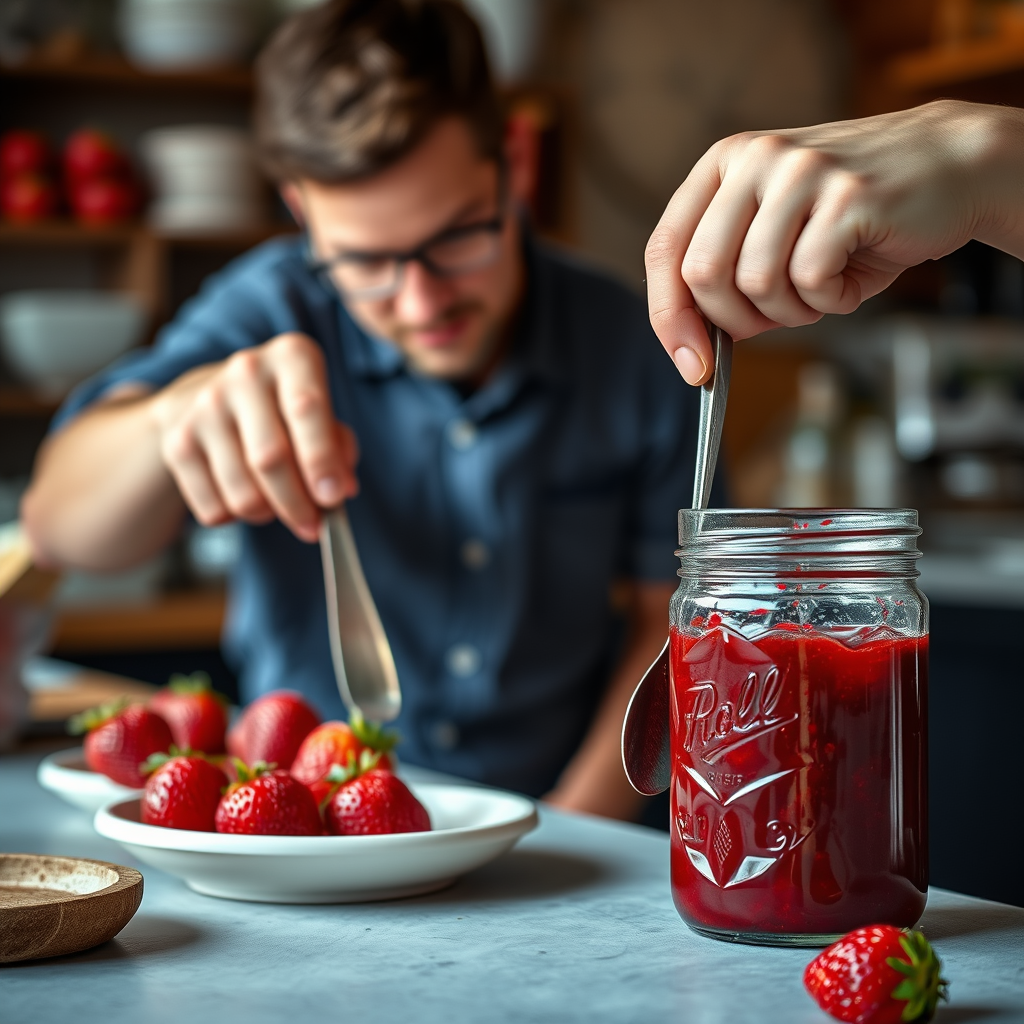
1. Gather the ingredients: You will need 2 pounds of fresh strawberries, 4 cups of granulated sugar, and 1/4 cup of freshly squeezed lemon juice. Ensure the strawberries are ripe, as this significantly enhances the flavor of your jam.
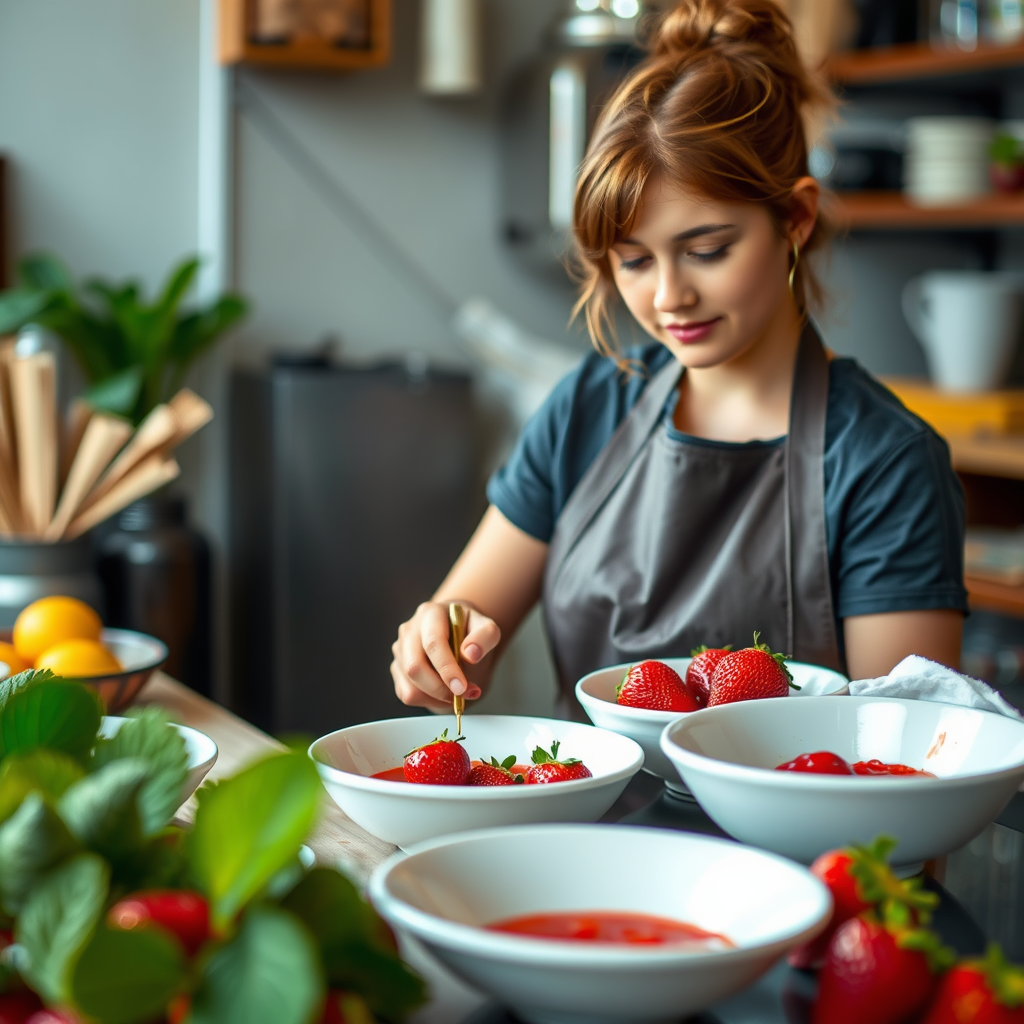
2. Prepare the strawberries: Wash the strawberries thoroughly under cold running water to remove any dirt or pesticides. Hull the green tops using a paring knife or a strawberry huller, and discard them. Cut the strawberries into quarters or halves, depending on your texture preference; smaller pieces yield a smoother jam.
3. Macerate the strawberries: In a large, heavy-bottomed pot, combine the prepared strawberries, the 1/4 cup of lemon juice, and half of the sugar (2 cups). Stir gently to blend the ingredients and let this mixture sit for about 10 minutes. This process allows the strawberries to release their natural juices, enhancing the flavor and aiding in the gelling process.
4. Cook the jam: After the strawberries have macerated, add the remaining 2 cups of sugar and stir until fully dissolved. Place the pot over medium-high heat and bring the mixture to a rolling boil. Stir continuously to prevent sticking and ensure even cooking.
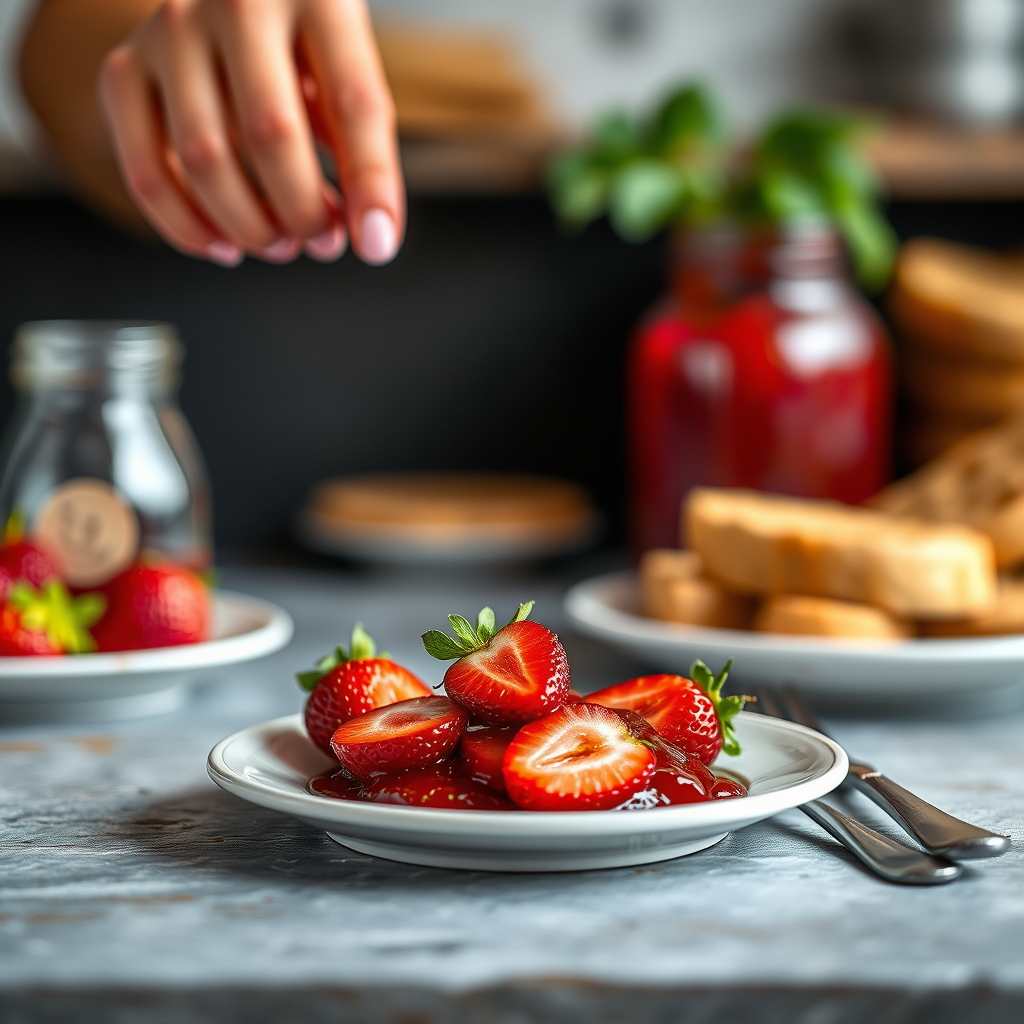
5. Check for consistency: Continue to boil the mixture for 10-15 minutes while stirring frequently. To check for the desired consistency, perform the plate test: Spoon a small amount of the jam onto a chilled plate and let it sit for a minute. Run your finger through the jam; if it holds its shape and wrinkles slightly, it’s ready. If it doesn’t, continue boiling and testing every minute until it reaches the desired thickness.
6. Cool and store: Once the jam has reached the right consistency, remove it from the heat and allow it to cool slightly for about 5 minutes. Carefully transfer the warm jam into sterilized jars, leaving about 1/4-inch headspace at the top. Seal the jars with lids and let them cool to room temperature. Store the jam in the refrigerator for up to three weeks.
Warning Signs: When Not to Follow This
Avoid following this protocol if you notice any signs of mold on the strawberries or if they are overly soft or bruised, as this can compromise the safety and quality of the jam. If you have allergies to any of the ingredients, such as strawberries or lemon, do not attempt this recipe without substituting with safe alternatives. Additionally, if you live in a high-altitude area, be cautious; adjustments in cooking times are necessary to ensure proper gelling and prevent spoilage.
The Most Common Mistakes (And Their Consequences)
One common mistake is inaccurate sugar measurement; using too little can result in a runny jam, while too much may lead to an overly sweet product that doesn’t set properly. Failing to properly macerate the strawberries will yield a less flavorful jam, as the sugars need time to draw out the natural juices from the fruit. Skipping the plate test can result in overcooking; if the jam is boiled too long, it may become too thick and lose its fresh strawberry flavor.
Special Cases That Need a Different Approach
If you prefer a lower sugar version for dietary reasons, consider using a sugar substitute formulated for canning, adjusting the quantity according to the product’s guidelines. For those desiring a smoother texture, blending the strawberries before boiling can yield a more uniform consistency but may require adjusting cooking times. If you have a large batch of strawberries, be prepared to modify cooking times and quantities, as boiling larger amounts can affect how quickly the mixture thickens.
When You Need a Professional
If you experience any adverse reactions to the jam after consumption, such as allergic responses or gastrointestinal issues, seek medical attention immediately. Should you have any doubts about the freshness and safety of your strawberries or other ingredients, consult a food safety expert or your local extension service for guidance. When attempting to can the jam for long-term storage, consider reaching out to a food preservation specialist to ensure proper techniques are followed to prevent spoilage.
Sources and Further Reading
– “The Complete Book of Home Preserving” by Ball – a comprehensive resource for safe canning practices and recipes.
– USDA Complete Guide to Home Canning – provides official guidelines on food preservation safety and methods.
– National Center for Home Food Preservation – offers research-based information on making jams and jellies, including troubleshooting tips and adjustments for different scenarios.
Making your own strawberry jam can be a rewarding experience, allowing you to savor the taste of fresh strawberries year-round. By following this guide, you can ensure that your jam is both delicious and safe to eat. Pay close attention to the details; they can make all the difference in the final product. Happy jam-making!
Frequently Asked Questions
What ingredients do I need for an easy strawberry jam recipe?
To make an easy strawberry jam, you will need fresh strawberries, granulated sugar, and lemon juice. Typically, for every pound of strawberries, you’ll use about 3/4 cup of sugar and the juice of one lemon. These simple ingredients come together to create a delicious, homemade jam that’s perfect for spreading on toast or using in desserts.
How do I prepare strawberries for making jam?
To prepare strawberries for jam, start by washing them thoroughly under cool running water. Remove the green tops and any damaged parts, then slice the strawberries into smaller pieces to help release their juices during cooking. This preparation step is crucial for achieving a smooth and flavorful strawberry jam.
Why is lemon juice important in an easy strawberry jam recipe?
Lemon juice plays a key role in strawberry jam recipes by providing acidity, which helps balance the sweetness of the sugar. It also acts as a natural preservative, enhancing the flavor and helping the jam set properly. Including lemon juice ensures your homemade jam has a bright, fresh taste and a good texture.
What is the best method for sealing jars when making strawberry jam?
The best method for sealing jars when making strawberry jam is to use the water bath canning technique. After filling sterilized jars with hot jam, wipe the rims clean and place the lids on, then process the jars in a boiling water bath for about 10 minutes. This method creates a vacuum seal, ensuring your jam stays fresh for months.
Which type of sugar is best for an easy strawberry jam recipe?
Granulated sugar is the best choice for an easy strawberry jam recipe, as it dissolves well and helps achieve the desired sweetness and texture. While you can experiment with alternatives like brown sugar or honey, they may alter the flavor and consistency of the jam. For the classic taste and color, stick with granulated sugar.
References
- Fruit preserves
https://en.wikipedia.org/wiki/Jam - https://www.verywellfit.com/how-to-make-strawberry-jam-4165042
https://www.verywellfit.com/how-to-make-strawberry-jam-4165042 - https://www.extension.purdue.edu/extmedia/FS/FS-25-W.pdf
https://www.extension.purdue.edu/extmedia/FS/FS-25-W.pdf - https://www.foodsafety.gov/keep/charts/jams.html
https://www.foodsafety.gov/keep/charts/jams.html - https://www.uga.edu/
https://www.uga.edu/ - https://pubmed.ncbi.nlm.nih.gov/24624612/
https://pubmed.ncbi.nlm.nih.gov/24624612/ - https://www.mayoclinic.org/healthy-lifestyle/nutrition-and-healthy-eating/in-depth/jam/art-20045705
https://www.mayoclinic.org/healthy-lifestyle/nutrition-and-healthy-eating/in-depth/jam/art-20045705 - https://www.healthline.com/nutrition/strawberry-jam
https://www.healthline.com/nutrition/strawberry-jam - Google Scholar Google Scholar
https://scholar.google.com/scholar?q=easy+strawberry+jam+recipe - Google Scholar Google Scholar
https://scholar.google.com/scholar?q=strawberry+preservation+methods