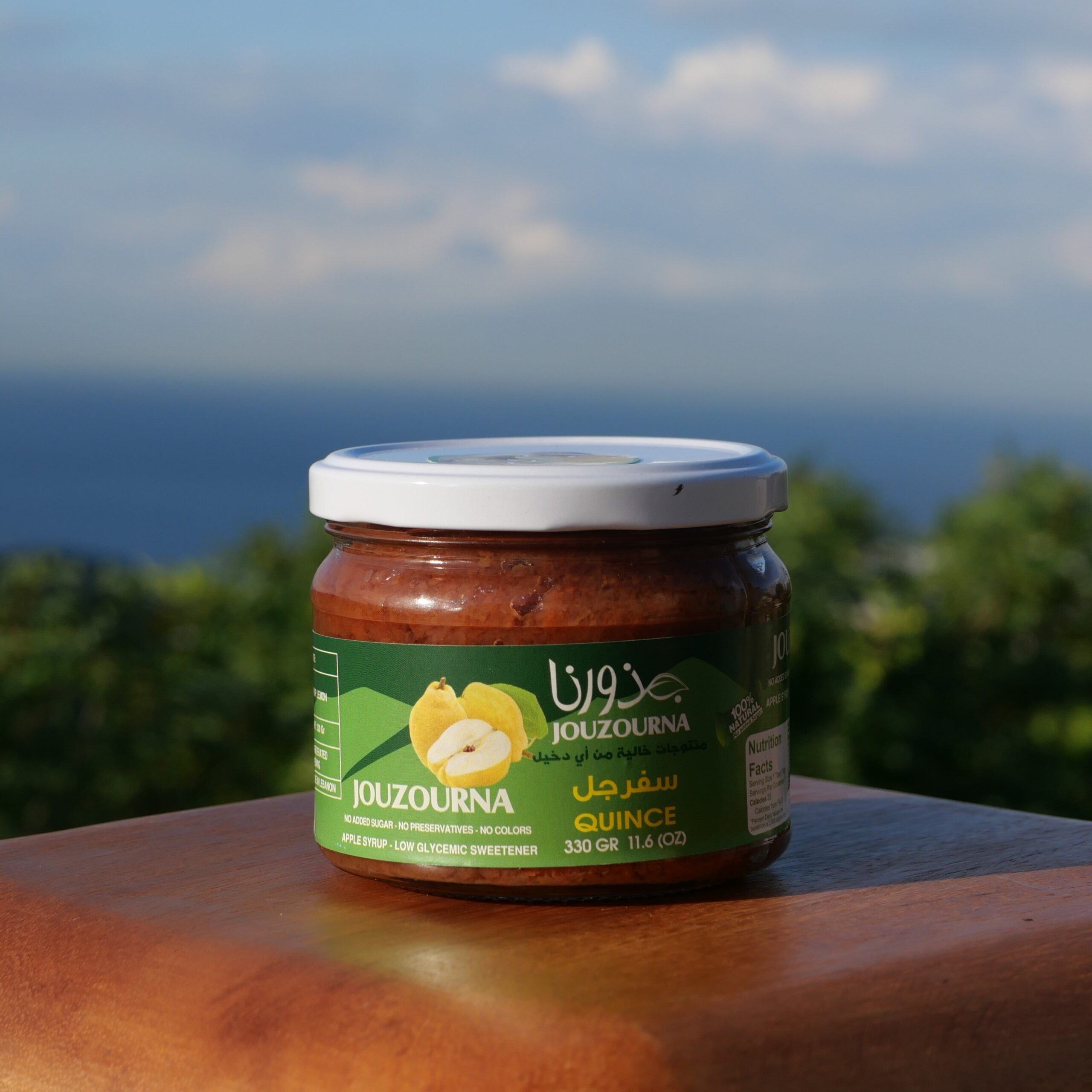
Master the art of making quince jam with this complete expert guide, designed for both novice and experienced cooks. This guide meticulously details the essential steps and safety protocols to ensure a delicious and safe end product. Understanding the proper techniques not only enhances flavor but also protects against common pitfalls in jam-making. Follow these expert insights for a perfect preserve every time.
What This Guide Covers (And What It Doesn’t)
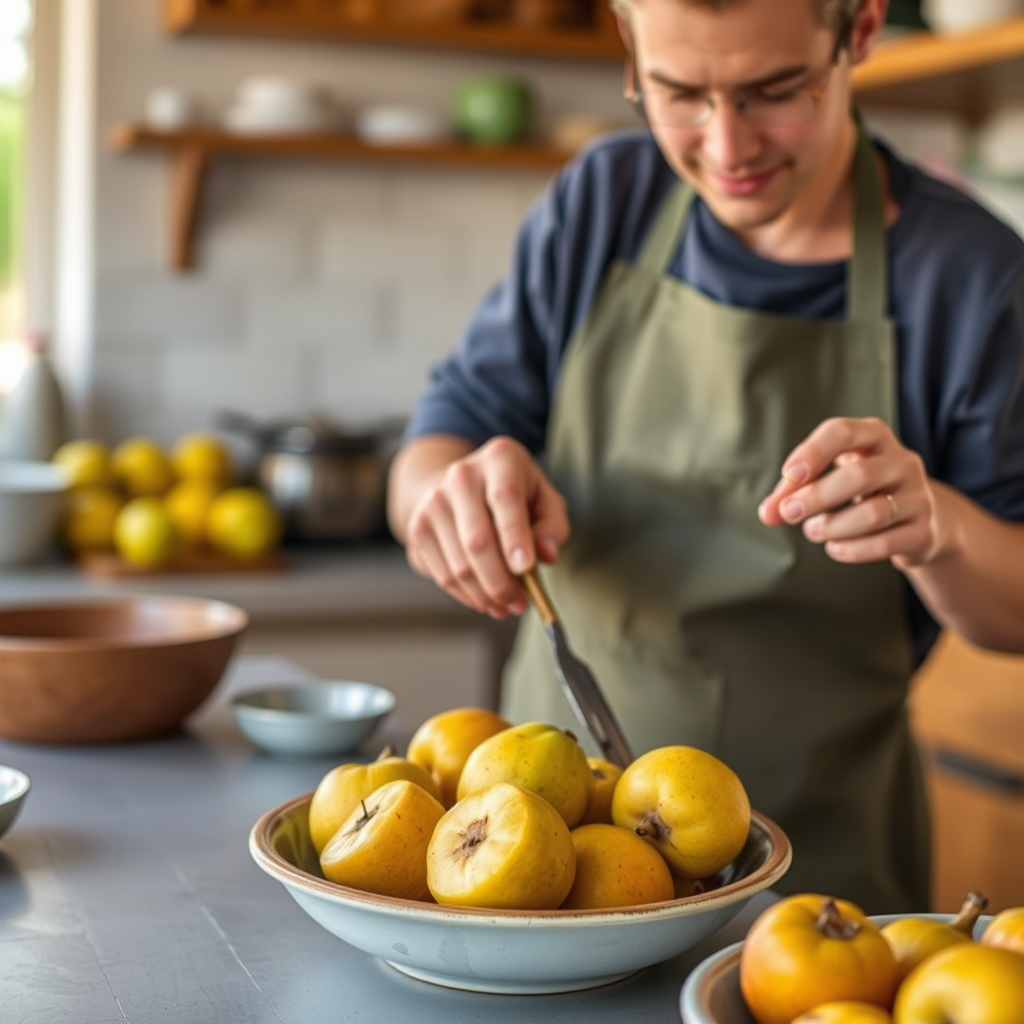
This guide provides a thorough recipe for making quince jam, detailing the necessary ingredients, precise measurements, and step-by-step instructions to ensure your preserve is a success. It also includes essential safety protocols for handling quinces, covering proper washing, peeling, and cooking processes that guarantee both food safety and quality. Aimed at home cooks with basic kitchen skills, this guide focuses specifically on mastering the art of quince jam; it does not cover recipes for other fruit jams or advanced canning techniques.
Who Should Read This
Home cooks with an intermediate understanding of basic cooking techniques will find this guide particularly beneficial. It caters to those eager to preserve fruits and craft jams from scratch, especially individuals who are passionate about seasonal produce and want to utilize quinces in various culinary applications. However, it is not intended for those who are unfamiliar with kitchen equipment or lack access to the necessary canning supplies, as these elements are critical for the safe production of quince jam.
The Step-by-Step Protocol
1. Gather Ingredients and Equipment: Start by collecting 4-5 pounds of ripe quinces, 2-3 cups of granulated sugar (adjust according to your personal sweetness preference), 1 lemon (juiced), and canning jars with lids. Ensure you have a large pot, a wooden spoon for stirring, a measuring cup, a candy thermometer, and a boiling water canner.
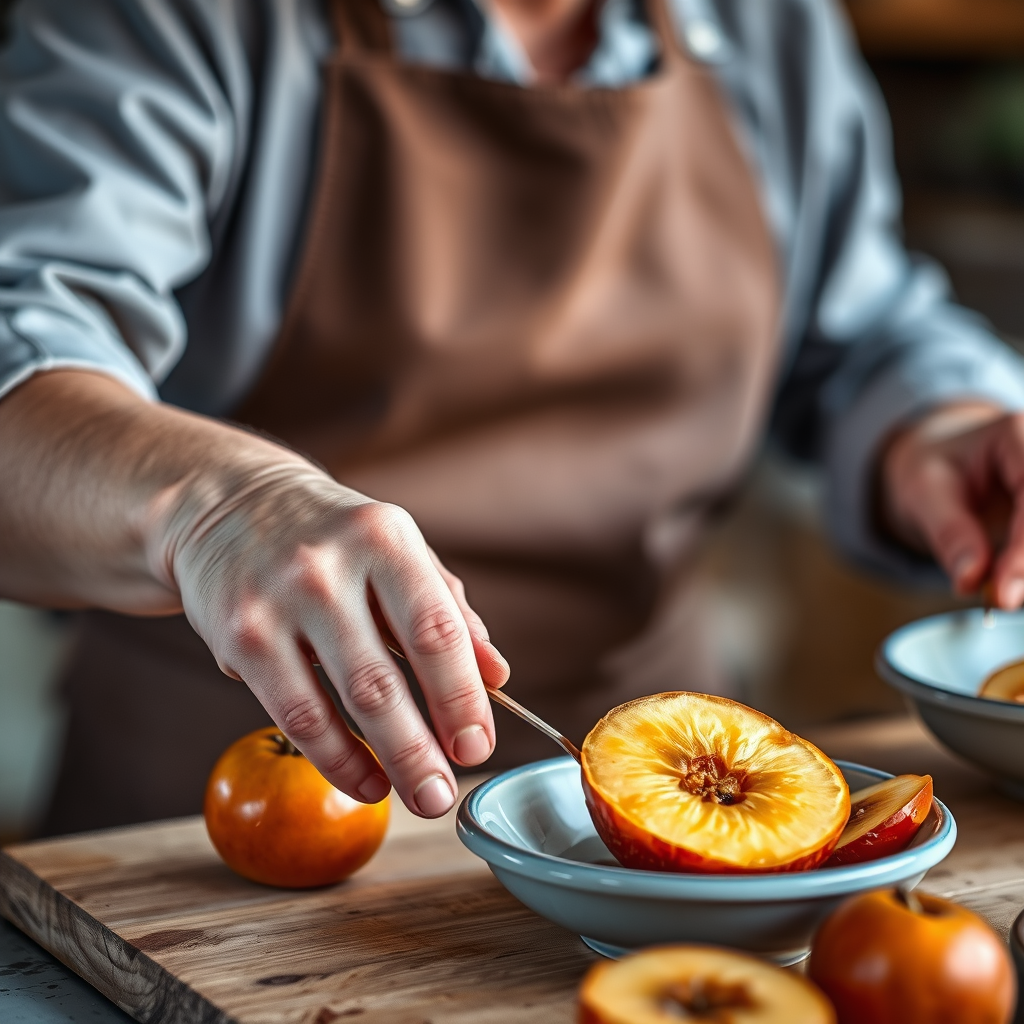
2. Prepare Quinces: Thoroughly wash the quinces under cold running water to remove any dirt or residues. Carefully peel the skins using a vegetable peeler, then cut the quinces in half to remove the cores. Chop the fruit into small chunks, approximately 1-inch pieces, to facilitate even cooking.
3. Cook the Mixture: In a large pot, combine the chopped quince pieces with the juice of one lemon and 1 cup of water. Bring this mixture to a boil over medium heat. Once boiling, reduce the heat to a simmer and cook for about 45 minutes, or until the quinces are tender and easily pierced with a fork.
4. Add Sugar and Boil: Once the quinces are tender, gradually add the sugar, stirring continuously until it has completely dissolved. Increase the heat to bring the mixture to a rolling boil. Cook for an additional 20-30 minutes, stirring frequently to prevent sticking, until the jam thickens. To check for thickness, use a candy thermometer to ensure the mixture reaches a temperature of 220°F, indicating it has achieved the proper consistency for jam.
5. Jar and Process: Pour the hot jam into sterilized canning jars, leaving about 1/4 inch of headspace at the top. Wipe the rims clean with a damp cloth to remove any residue. Place the sterilized lids on the jars and process them in a boiling water bath for 10-15 minutes. This crucial step creates a vacuum seal, helping to preserve the jam safely.
Warning Signs: When Not to Follow This

– Avoid using quinces that are overly soft, bruised, or moldy, as these can compromise both the quality and safety of the jam.
– If you detect any unusual odors during the cooking process or if the jam does not set after boiling, discard the batch immediately to prevent foodborne illness.
– Do not attempt to make quince jam if you lack the necessary canning equipment or do not understand safe canning practices; improper canning can lead to spoilage and contamination.
The Most Common Mistakes (And Their Consequences)
– Skipping the Initial Boiling Step: Neglecting to boil the quinces initially can result in a jam that is too watery. This step is essential for the quinces to release their natural pectin, ensuring the right consistency.
– Inaccurate Sugar Measurement: Not measuring the sugar precisely can yield a jam that is either excessively sweet or lacking the necessary preservation qualities. This imbalance may lead to spoilage if the sugar content is insufficient.
– Incorrect Jar Processing: Failing to process the jars properly in the boiling water bath can lead to jars that do not seal effectively. This oversight increases the risk of bacterial growth and food spoilage, potentially resulting in unsafe food.
Special Cases That Need a Different Approach
– Using Under-Ripe Quinces: If you use under-ripe quinces, consider adding additional pectin to achieve the desired jam consistency, as under-ripe fruit contains lower levels of natural pectin.
– Dietary Restrictions: For those with dietary restrictions, a sugar substitute may be used, but it is critical to follow the manufacturer’s guidelines for conversion to ensure proper texture and preservation. Be mindful that some substitutes may not provide the same preservation qualities as granulated sugar.
– Making Large Batches: If you plan to make large batches (over 10 pounds), consider processing the jam in smaller increments. This approach helps maintain temperature control and ensures that cooking times remain accurate for optimal results.
When You Need a Professional
– If you notice any signs of botulism, such as bulging lids or an off odor upon opening a jar, discard the jam immediately and consult a food safety expert. This is a serious condition that requires professional evaluation.
– When attempting to significantly adjust the recipe (such as incorporating herbs or spices), it is advisable to consult a food preservation expert to ensure that acidity levels remain adequate for safe canning.
– If you have health concerns related to food preservation or specific dietary needs, such as diabetes, seek advice from a registered dietitian or food scientist familiar with safe canning practices to tailor the recipe to your requirements.
Sources and Further Reading
– National Center for Home Food Preservation: Guidelines on canning fruit jams and jellies, including safety protocols and preservation methods.
– Ball Canning’s Complete Book of Home Preserving: A comprehensive resource on various canning techniques, including fruit preservation.
– USDA Complete Guide to Home Canning: Official guidelines and research-based information on safe canning practices to prevent foodborne illness.
With this guide in hand, you are well-equipped to embark on the rewarding journey of making quince jam. By meticulously following each step and adhering to safety protocols, you can create a delightful preserve that captures the unique flavor of quinces while ensuring quality and safety for you and your loved ones. Enjoy the fruits of your labor!
Frequently Asked Questions
What ingredients do I need for a basic quince jam recipe?
To make a basic quince jam, you will need 4 cups of peeled and chopped quinces, 2 cups of granulated sugar, the juice of one lemon, and 1 cup of water. These simple ingredients combine to create a deliciously fragrant jam that highlights the unique flavor of quinces.
How do I prepare quinces for making jam?
Preparing quinces for jam involves washing them thoroughly to remove any wax, peeling them, and chopping them into small pieces. It’s important to remove the core and seeds as well, as they are not edible. Cooking the quinces in water until they soften will also help release their natural pectin, essential for achieving the right consistency in your quince jam.
Why is my quince jam not setting properly?
If your quince jam is not setting, it could be due to insufficient cooking time or not enough natural pectin in the quinces. Ensure you cook the jam until it reaches a rolling boil and use a candy thermometer to check for the ideal temperature of around 220°F (104°C). Additionally, adding a bit of lemon juice can help increase acidity, which aids in achieving the perfect set.
What is the best way to store quince jam after making it?
The best way to store quince jam is in sterilized glass jars with airtight lids. After filling the jars, process them in a water bath for about 10 minutes to ensure they are sealed properly. Store the jars in a cool, dark place, and once opened, keep them refrigerated for up to three weeks.
Which spices can I add to enhance the flavor of quince jam?
To enhance the flavor of quince jam, consider adding spices such as cinnamon, cloves, or star anise. A small amount of grated ginger can also add warmth and complexity. Experimenting with these spices can elevate your quince jam, making it a delightful addition to toast, pastries, or cheese platters.
References
- Quince
https://en.wikipedia.org/wiki/Quince - https://www.bbc.co.uk/food/recipes/quince_jam_40515
https://www.bbc.co.uk/food/recipes/quince_jam_40515 - https://www.sciencedirect.com/topics/agricultural-and-biological-sciences/quince
https://www.sciencedirect.com/topics/agricultural-and-biological-sciences/quince - https://www.ncbi.nlm.nih.gov/pmc/articles/PMC5154418/
https://www.ncbi.nlm.nih.gov/pmc/articles/PMC5154418/ - https://www.ncbi.nlm.nih.gov/pmc/articles/PMC3499034/
https://www.ncbi.nlm.nih.gov/pmc/articles/PMC3499034/ - https://www.jstor.org/stable/10.1525/jm.2002.19.2.215
https://www.jstor.org/stable/10.1525/jm.2002.19.2.215 - Google Scholar Google Scholar
https://scholar.google.com/scholar?q=quince+jam+recipe - Google Scholar Google Scholar
https://scholar.google.com/scholar?q=quince+jelly+preservation - Google Scholar Google Scholar
https://scholar.google.com/scholar?q=quince+jam+health+benefits - https://www.foodnetwork.com/recipes/articles/how-to-make-jam
https://www.foodnetwork.com/recipes/articles/how-to-make-jam