Mastering quince jam recipes requires precise techniques to ensure safety and flavor. This expert guide equips you with essential protocols, ingredient selections, and step-by-step instructions to create delicious, shelf-stable quince jam. By following best practices, you not only enhance taste but also prevent spoilage, ensuring a rewarding canning experience.
What This Guide Covers (And What It Doesn’t)
This guide offers detailed, step-by-step instructions for making quince jam, emphasizing safe canning practices, precise ingredient ratios, and various flavor variations. It intentionally avoids delving into the historical context of quince or unrelated jam-making techniques, maintaining a clear focus on quince jam preparation. Designed for both novice and experienced home cooks, this guide prioritizes safety and best practices in preserving quince. Readers will not find information on other types of preserves or recipes that use quince outside of jam; the content is strictly dedicated to the art of quince jam preparation.
Who Should Read This
This guide is perfect for home cooks with a basic understanding of cooking who are eager to expand their skills into fruit preserves, specifically quince. It also caters to those who have previously made jams and wish to master the unique characteristics and requirements of quince. However, individuals with specific dietary restrictions, such as low-sugar or vegan diets, may find the recipes here less tailored to their needs, as the focus remains on traditional quince jam methods. Beginners without any knowledge of canning or preserving are encouraged to seek introductory resources before tackling quince jam preparation.
The Step-by-Step Protocol
1. Selecting Quince: Choose firm, unblemished quinces. Aim for about 4 pounds of fresh quinces for a small batch of jam. Look for fruit that is aromatic and free from blemishes.
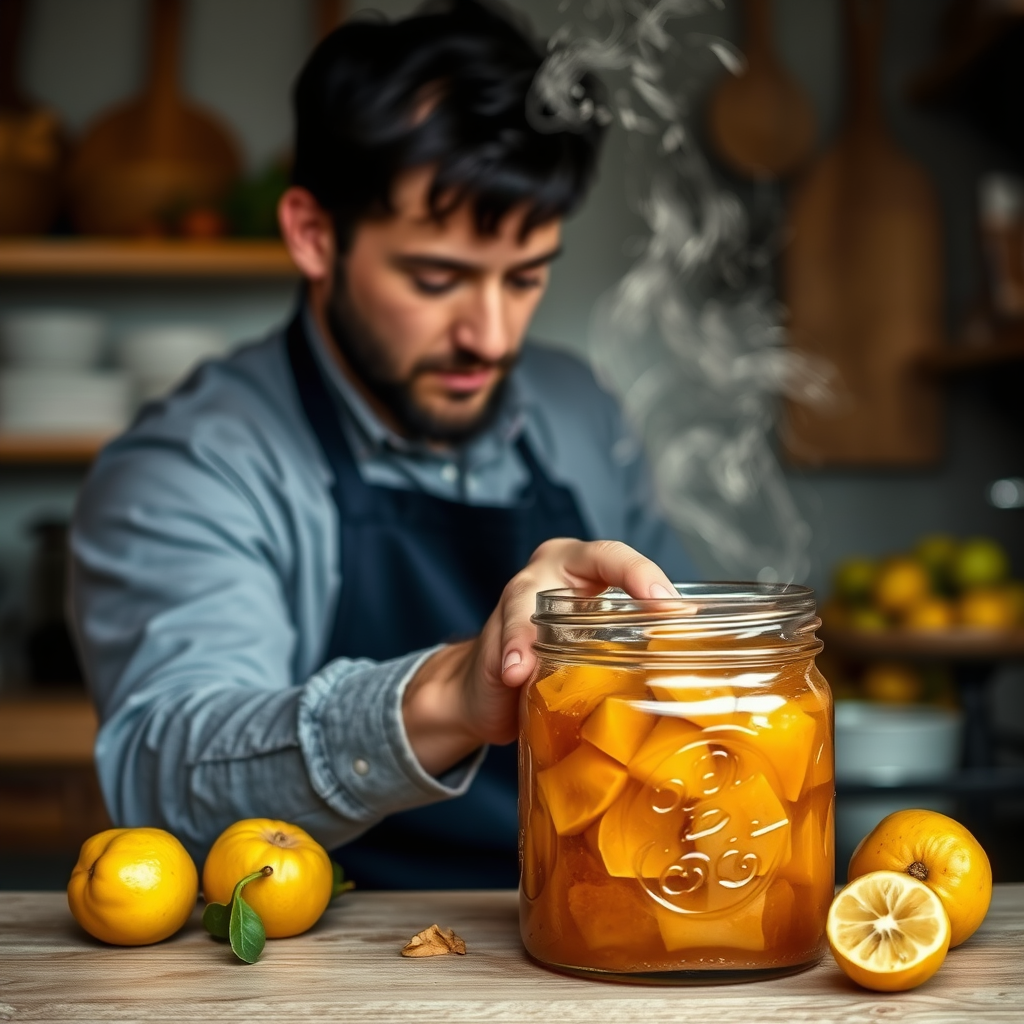
2. Preparing the Fruit: Wash, peel, and core the quinces. Cut them into quarters. Measure out 4 cups of prepared fruit for the jam. Remember that quinces are hard and may require a sharp knife and careful handling.
3. Cooking the Jam: In a large pot, combine the quince with 1 cup of water. Bring to a boil over medium-high heat, then reduce the heat and simmer until the fruit is tender, about 30-40 minutes. Stir occasionally to prevent sticking.
4. Adding Sugar and Acid: Stir in 3 cups of granulated sugar and the juice of 1 lemon (about 2 tablespoons). Cook over medium heat, stirring frequently until the mixture reaches 220°F (104°C), the gel stage for jam. Use a candy thermometer for accuracy, as reaching the correct temperature is crucial for proper consistency.
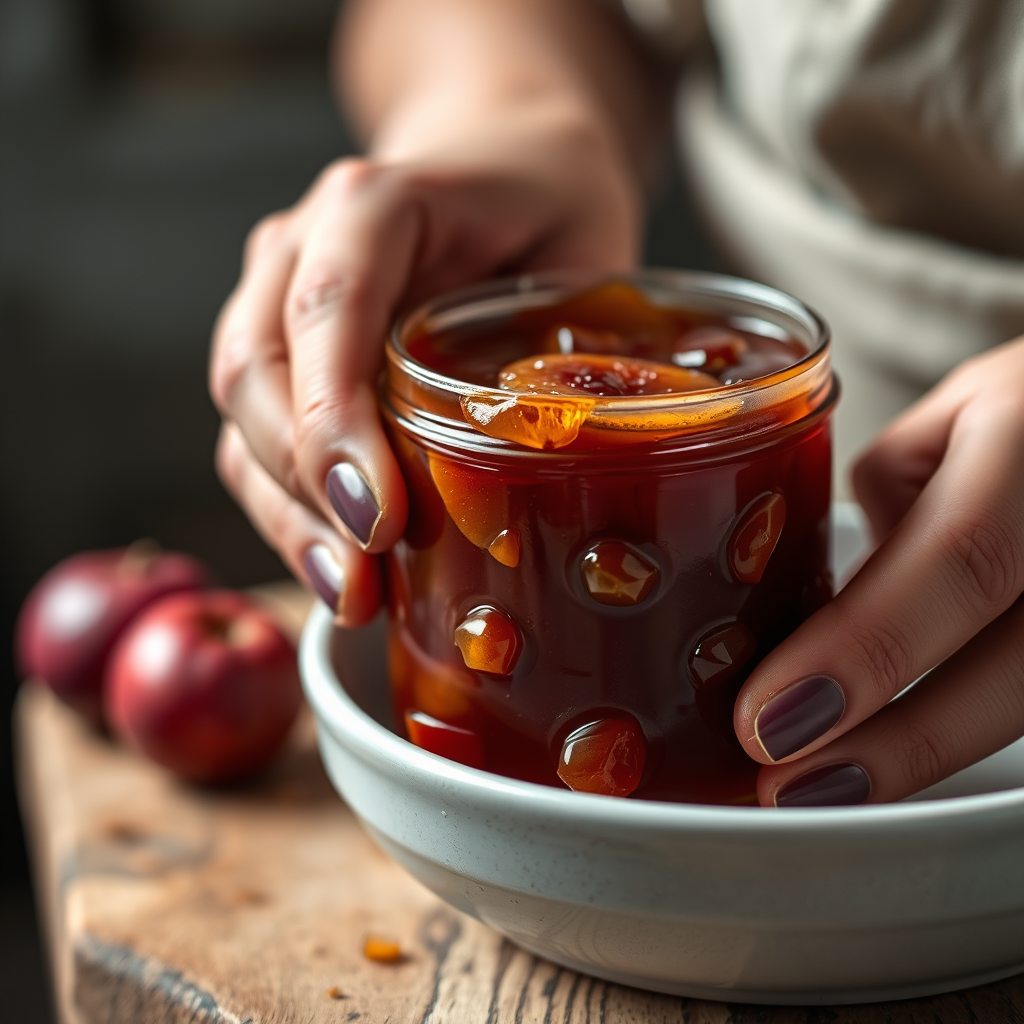
5. Canning Process: Sterilize jars and lids in boiling water for at least 10 minutes. Pour hot quince jam into jars, leaving a ¼-inch headspace. Wipe the rims to remove any residue, seal with the lids, and process in a boiling water bath for 10 minutes. Ensure the water covers the jars by at least an inch during processing.
Warning Signs: When Not to Follow This
– Do not proceed with this recipe if your quinces show signs of rot, such as soft spots or mold, as this can compromise the safety of the jam.
– If you lack proper canning equipment, such as a water bath canner, do not attempt to can quince jam, as this can lead to botulism and other foodborne illnesses.
– Avoid making quince jam if you have not properly sterilized your jars or if the sealing process cannot be ensured, as this increases the risk of spoilage.
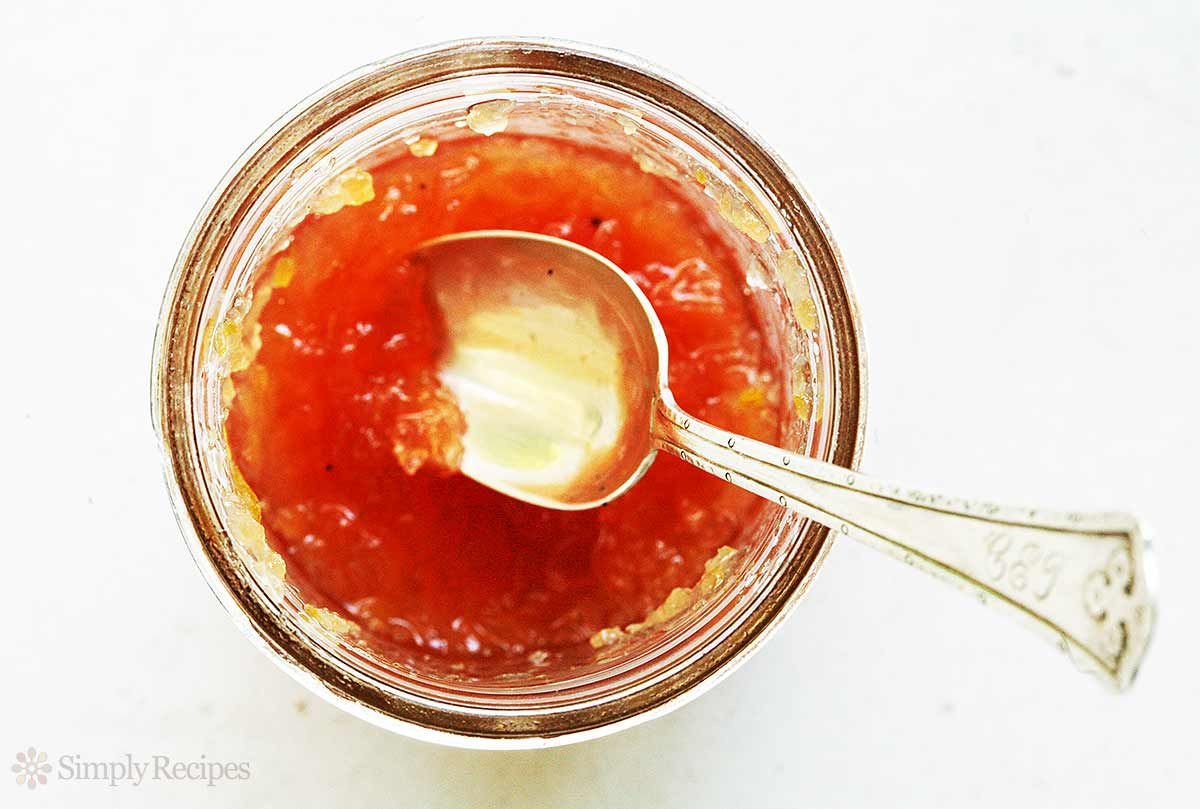
– If you are unfamiliar with the gel stage of jam-making, do not attempt this recipe until you understand how to test for doneness accurately. A simple plate test can help: place a spoonful of jam on a chilled plate and run your finger through it; if it holds its shape without running, it’s ready.
The Most Common Mistakes (And Their Consequences)
– Under-cooking the Fruit: Failing to fully cook the quince before adding sugar can result in a jam that is too runny and lacks the desired texture. Always ensure the fruit is soft and fully tender before proceeding.
– Incorrect Sugar Ratios: Using too little sugar can lead to spoilage, while too much can create an overly sweet jam that masks the quince’s natural flavor. The recommended ratio is crucial for both preservation and taste.
– Skipping the Lemon Juice: Omitting lemon juice can affect the acidity levels necessary for safe preservation, increasing the risk of foodborne pathogens. Acid is critical in preventing the growth of harmful bacteria.
– Inadequate Processing Time: Not processing the jam for the recommended time can lead to jars not sealing properly, resulting in spoilage and waste. Always adhere to the processing time based on your altitude and ensure a proper seal.
Special Cases That Need a Different Approach
– If you’re working with overly ripe quinces, consider making a quince jelly instead of jam to better capture the fruit’s flavor and achieve the correct texture. Jelly can be made by straining the juice from cooked quinces before adding sugar.
– For those living at high altitudes (above 1,000 feet), adjust the boiling water processing time by adding 1 additional minute for every 1,000 feet elevation. This adjustment is critical to ensure proper sealing and safety.
– If you have allergies to certain preservatives often used in store-bought jams, this guide provides a natural alternative, but you may need additional modifications for flavor balancing and preservation.
– Home cooks wishing to reduce sugar for health reasons can experiment with sugar substitutes, but it’s crucial to follow guidelines for safe canning when altering sugar content. Not all substitutes will preserve the jam safely.
When You Need a Professional
– If you experience any signs of spoilage, such as off smells or bulging lids in your canned quince jam, do not consume and consult a food safety expert immediately. Spoilage can indicate the presence of harmful bacteria.
– In cases where you have health concerns related to food preservation, particularly with compromised immune systems, seek advice from a registered dietitian or food safety professional before attempting home canning.
– If you plan on scaling up your quince jam production significantly, consider consulting a food processing expert to ensure you meet all safety regulations and guidelines.
– Should you wish to experiment with alternative canning methods, such as pressure canning, it’s essential to consult a professional familiar with these techniques to avoid safety hazards. Not all fruits can be processed the same way, and quince may require specific handling.
Sources and Further Reading
– “The USDA Complete Guide to Home Canning” offers detailed instructions on safe canning practices and can be accessed online.
– The National Center for Home Food Preservation provides evidence-based guidelines and recipes specifically tailored for fruit preserves and jams.
– Books such as “Preserving with Pomona’s Pectin” detail alternative pectin options and low-sugar recipes for fruit preserves, including quince.
– Local extension services often provide workshops and resources on canning and preserving, ensuring safe practices in home kitchens.
This guide serves as a comprehensive resource for safely making quince jam, enabling both novice and seasoned cooks to enjoy this unique fruit in a preserved form while adhering to best practices for safety and quality. As you embark on your quince jam-making journey, remember to prioritize safety and enjoy the rewarding experience of preserving this delightful fruit.
Frequently Asked Questions
What are the essential ingredients for making quince jam?
To make delicious quince jam, you’ll need ripe quinces, sugar, lemon juice, and water. The quinces should be peeled, cored, and chopped before cooking. The sugar acts as a preservative and helps to balance the tartness of the fruit, while lemon juice enhances flavor and aids in setting the jam.
How do I ensure my quince jam has the perfect consistency?
Achieving the perfect consistency for quince jam involves cooking the fruit mixture to the right temperature, typically around 220°F (104°C) for jelly-like thickness. It’s also important to use a candy thermometer and perform the “plate test,” where you drop a spoonful of jam on a cold plate to check if it sets properly. If it’s too runny, continue cooking for a few more minutes and test again.
Why is it important to use ripe quinces for jam?
Using ripe quinces is crucial because they contain more natural pectin, which helps the jam to set properly. Unripe quinces may lack flavor and the desired sweetness, resulting in a less enjoyable final product. Moreover, ripe quinces have a fragrant aroma that enhances the overall taste of your quince jam.
What is the best way to store homemade quince jam?
The best way to store homemade quince jam is in sterilized glass jars, sealed tightly with lids. Keep the jars in a cool, dark place like a pantry; once opened, store them in the refrigerator and consume within a few weeks for the best flavor. Properly canned quince jam can last for up to a year if stored correctly.
Which spices pair well with quince in jam recipes?
Spices like cinnamon, star anise, and cloves pair exceptionally well with quince in jam recipes, enhancing the fruit’s natural flavors. Ginger can also add a nice kick, while vanilla extract provides warmth and depth. Experimenting with these spices can elevate your quince jam to a delightful gourmet treat.
References
- Quince
https://en.wikipedia.org/wiki/Quince - https://www.bbc.co.uk/food/recipes/quince_jam_62021
https://www.bbc.co.uk/food/recipes/quince_jam_62021 - https://www.food.umn.edu/recipes/quince-jam
https://www.food.umn.edu/recipes/quince-jam - https://www.cooking.nytimes.com/recipes/1016209-quince-jam
https://www.cooking.nytimes.com/recipes/1016209-quince-jam - https://www.sciencedirect.com/topics/food-science/quince
https://www.sciencedirect.com/topics/food-science/quince - https://pubmed.ncbi.nlm.nih.gov/?term=quince+jam+recipes
https://pubmed.ncbi.nlm.nih.gov/?term=quince+jam+recipes - Google Scholar Google Scholar
https://scholar.google.com/scholar?q=quince+jam+recipes - Google Scholar Google Scholar
https://scholar.google.com/scholar?q=quince+preservation - https://www.nature.com/articles/s41598-020-76295-8
https://www.nature.com/articles/s41598-020-76295-8 - Quince | Description, Fruit, & Uses | Britannica
https://www.britannica.com/plant/quince