Master the art of making frozen strawberry jam with this comprehensive guide designed for both novice and experienced home preservers. This expert resource provides step-by-step instructions, essential safety protocols, and tips for achieving the perfect texture and flavor. Ensuring proper methods not only enhances taste but also guarantees food safety, making your homemade jam a delightful and secure treat.
What This Guide Covers (And What It Doesn’t)
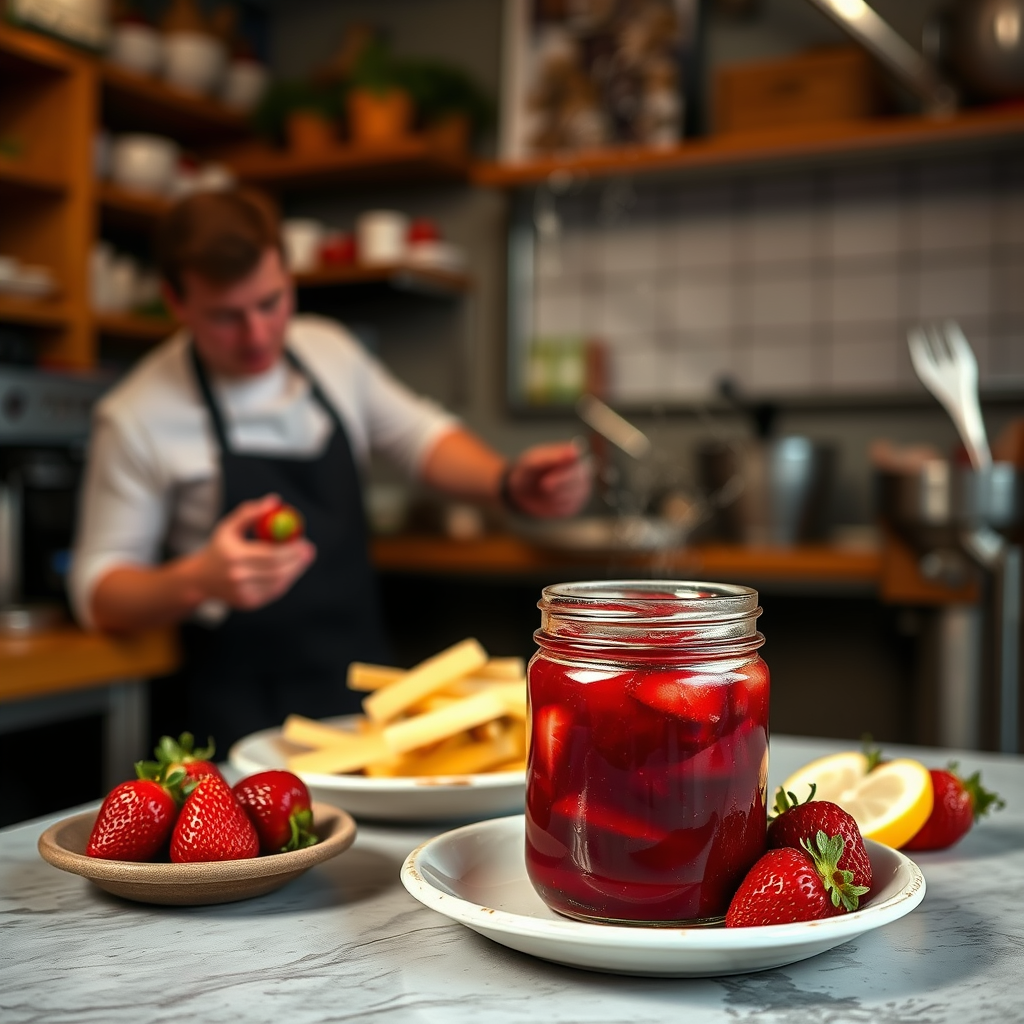
This guide offers a comprehensive, step-by-step recipe for making frozen strawberry jam, detailing essential ingredients, equipment, and preservation techniques. You will discover how to select the best strawberries, prepare them for freezing, and utilize optimal storage methods to preserve flavor and quality. Additionally, the guide addresses safety protocols related to food handling and storage, ensuring that your jam remains safe for consumption.
While this guide includes topics such as ingredient substitutions, variations in sweetness, and how different strawberry types affect the final product, it does not cover traditional canning methods or non-frozen jam recipes. The focus here is solely on the frozen approach.
Who Should Read This
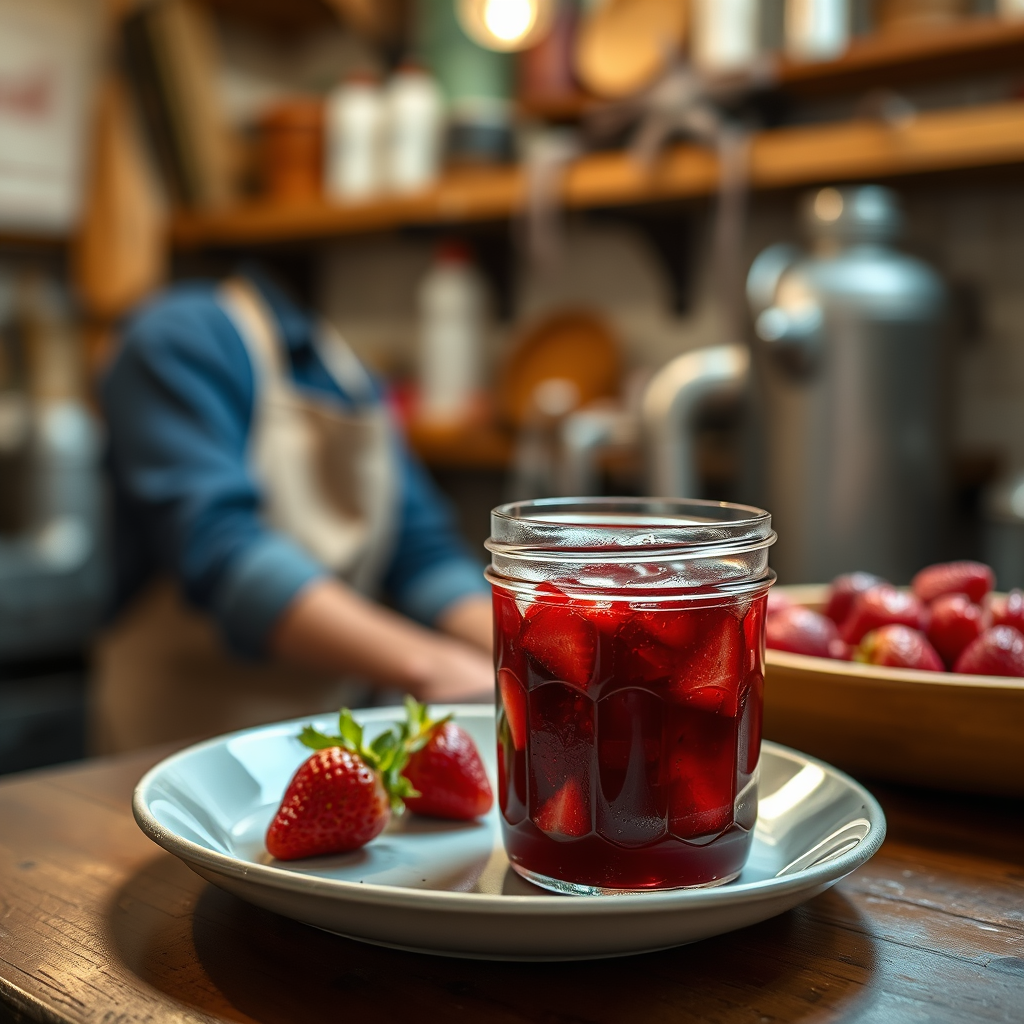
Home cooks eager to preserve strawberries while retaining their flavor and nutritional value will find this guide particularly valuable. Beginners who want to make their own jam without delving into complex canning techniques will appreciate the straightforward, no-cook method outlined here. Those seeking healthier alternatives to store-bought jams, which often contain preservatives and added sugars, will find practical, actionable information. Moreover, individuals with allergies or dietary restrictions that limit commercial options will discover a safe and customizable recipe for homemade strawberry jam.
The Step-by-Step Protocol
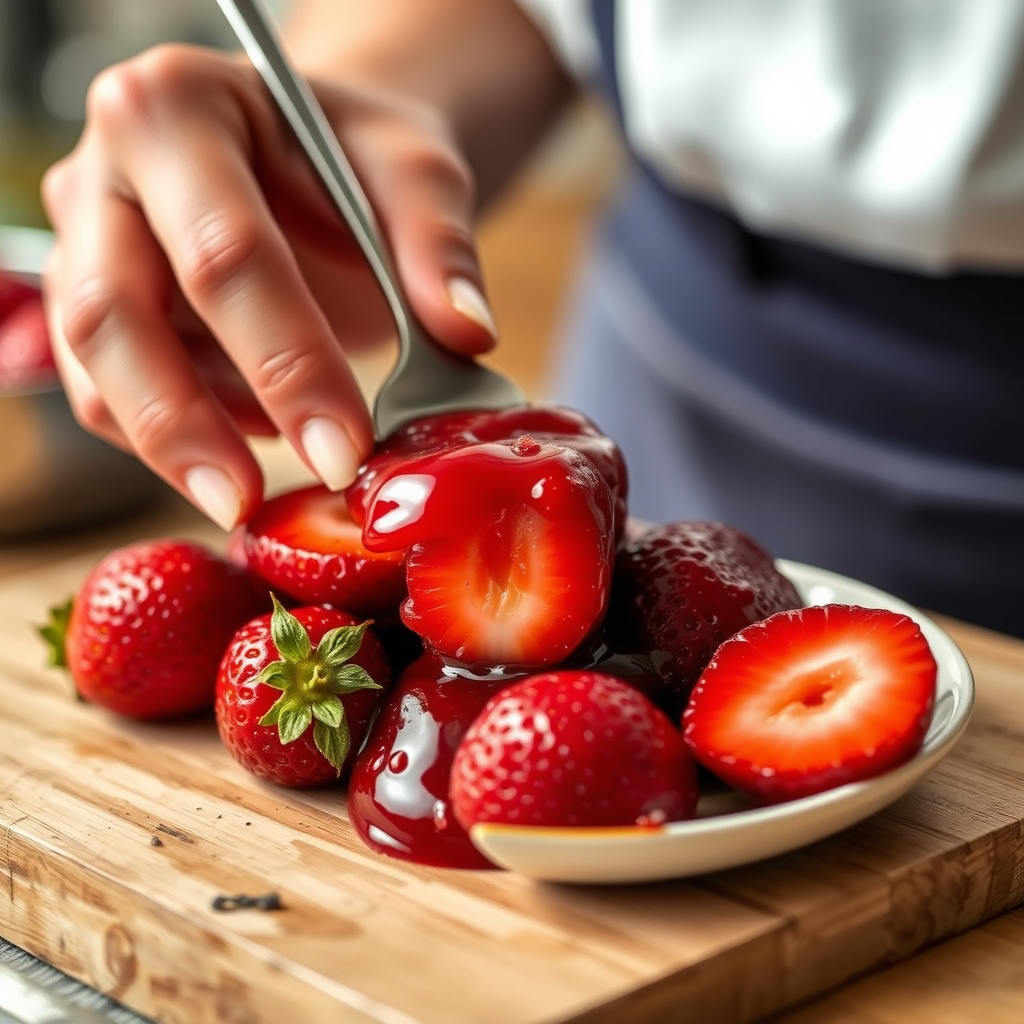
1. Gather Ingredients: To start, you will need 4 cups of fresh strawberries, 1 cup of granulated sugar, and 2 tablespoons of lemon juice. Select strawberries that are ripe, vibrant red, and free from bruises or soft spots. The quality of your fruit directly impacts the final taste and texture of the jam.
2. Prepare Strawberries: Wash the strawberries thoroughly under cold running water to remove any dirt or pesticide residues. Remove the green stems and chop the berries into quarters. This cutting helps release the natural pectin during the freezing process, which is essential for achieving the desired jam consistency.
3. Mix Ingredients: In a large mixing bowl, combine the chopped strawberries, granulated sugar, and lemon juice. Stir the mixture vigorously until the sugar is fully dissolved, which typically takes about 10 to 15 minutes. The sugar not only sweetens the jam but also acts as a preservative, drawing moisture out of the strawberries and enhancing their flavor.
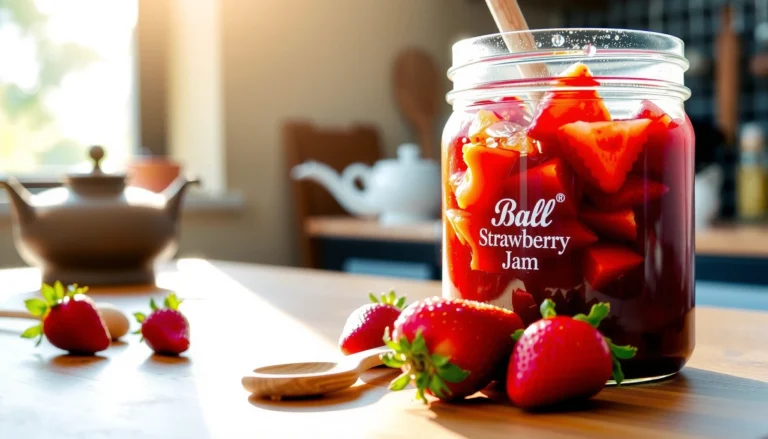
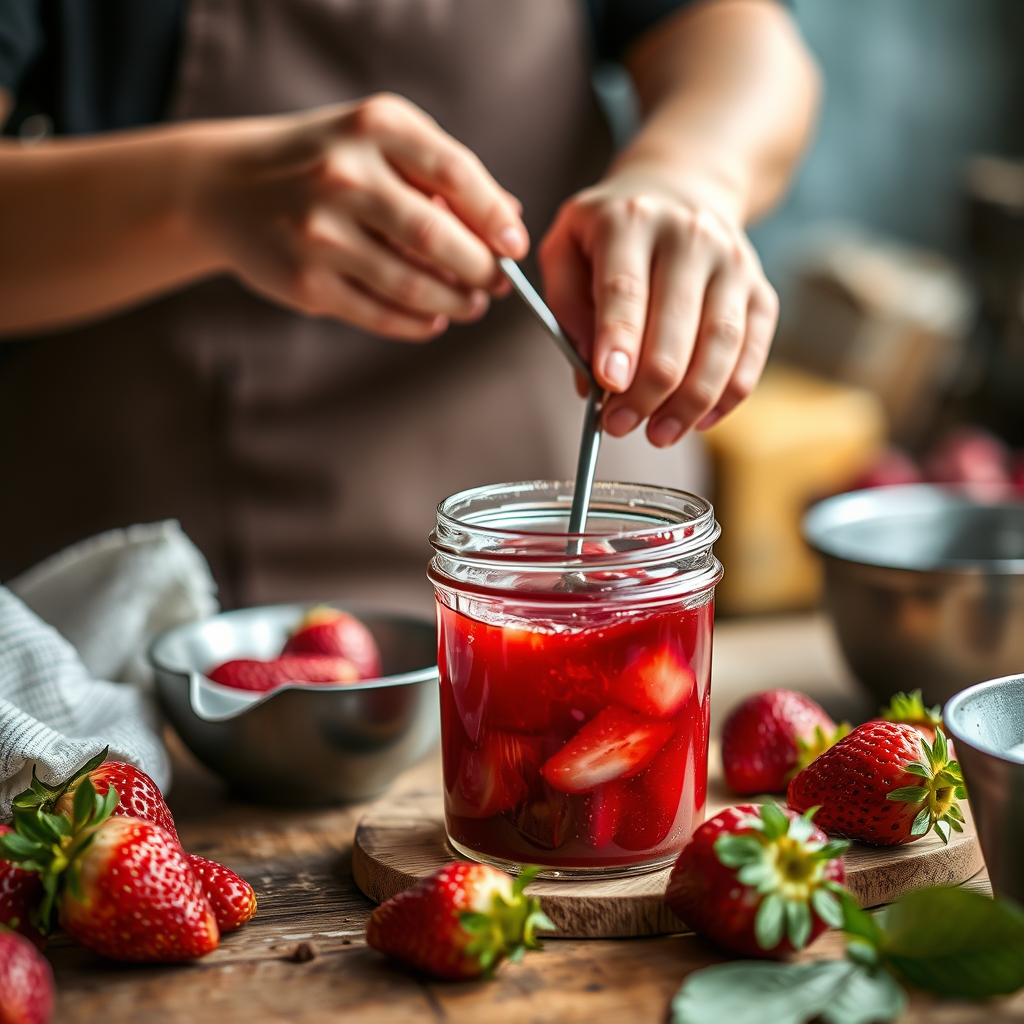
4. Pack for Freezing: Carefully transfer the strawberry mixture into freezer-safe jars or bags. Be sure to leave about 1 inch of headspace at the top of the container to accommodate the mixture’s expansion as it freezes. Seal the containers tightly and label them with the date for easy identification later.
Warning Signs: When Not to Follow This
Avoid attempting this recipe if your strawberries are overripe, moldy, or show any signs of spoilage, as these can compromise both the safety and flavor of your jam. If you have allergies to any of the ingredients or are unsure about the source of your strawberries, it’s best to steer clear of this recipe, as it may lead to foodborne illnesses. Additionally, do not proceed if you lack access to proper freezing facilities; the jam must be kept at or below 0°F (-18°C) to prevent spoilage. If you have previously experienced adverse reactions to homemade preserves, consult with a healthcare provider before trying this recipe.
The Most Common Mistakes (And Their Consequences)
– Using frozen strawberries instead of fresh: This mistake can result in a watery consistency; frozen strawberries release excess moisture as they thaw, adversely affecting the jam’s texture and overall quality.
– Not allowing enough time for the sugar to dissolve: If the sugar is not fully dissolved, the final product will have a gritty texture rather than the smooth consistency desired in jam.
– Failing to leave adequate headspace in containers: Not allowing enough room can lead to bursting jars during freezing, causing mess and waste.
– Overlooking the importance of labeling jars with the date: This oversight can result in consuming jam that has been stored too long, risking both quality and safety. Proper labeling helps you track freshness and manage your inventory effectively.
Special Cases That Need a Different Approach
– Sugar reduction: For those looking to reduce sugar intake, consider using sugar substitutes specifically designed for preserves. Follow the guidelines on the packaging for best results, as these can vary significantly.
– Herb infusion: If you wish to incorporate fresh herbs like basil or mint, add a small amount (1-2 tablespoons) after the sugar has dissolved to infuse flavor without compromising the jam’s consistency.
– Vegan alternatives: Vegetarians or vegans interested in a pectin-free jam can use chia seeds as a thickener. Add 1/4 cup of chia seeds to the strawberry mixture after the sugar has dissolved. Allow the mixture to sit for about 15 minutes to let the chia seeds absorb moisture before freezing.
– Humidity considerations: In high humidity conditions, consider storing jam in a vacuum-sealed bag to prevent ice crystals from forming during freezing, which can alter the texture and flavor upon thawing.
When You Need a Professional
If you have concerns about the safety of your strawberries due to potential pesticide residues or quality issues, consider consulting with a local agricultural extension office for guidance. Seek professional advice if you plan to significantly alter the recipe, especially if you introduce new ingredients that may affect acidity and preservation. If you experience any symptoms of foodborne illness after consuming homemade jam, consult a healthcare professional immediately to address potential food safety issues. For large-scale production or selling homemade strawberry jam, contact a food safety consultant to ensure compliance with local health regulations and proper food handling practices.
Sources and Further Reading
For those interested in expanding their knowledge on food preservation and safety, the following resources may be beneficial:
– USDA Complete Guide to Home Canning, which provides guidelines for safe food preservation methods, including freezing.
– “The Ball Book of Canning and Preserving” for in-depth knowledge about fruit preservation and alternative recipes.
– Research articles from the Journal of Food Science detailing the effects of freezing on fruit quality and safety.
– Local university extension programs that offer resources on food preservation and safety, providing specific guidance tailored to your region.
By following this expert guide, you can create delicious and safe frozen strawberry jam that captures the essence of summer, ready to enjoy long after the season has passed.
Frequently Asked Questions
What ingredients do I need for a frozen strawberry jam recipe?
To make frozen strawberry jam, you will need fresh strawberries, granulated sugar, and fruit pectin. Typically, you will use about 2 cups of crushed strawberries, 2 cups of sugar, and 1 package of fruit pectin to achieve the perfect balance of sweetness and texture. This simple combination allows the natural flavor of the strawberries to shine through.
How do I properly freeze strawberry jam?
To freeze strawberry jam, first prepare the jam according to your recipe, ensuring it reaches the proper consistency. Once cooled, pour the jam into clean, airtight containers or freezer bags, leaving some headspace for expansion. Seal tightly and label with the date before placing them in the freezer, where they can last up to a year.
Why is pectin important in a frozen strawberry jam recipe?
Pectin is crucial in a frozen strawberry jam recipe because it acts as a thickening agent that helps the jam set properly. Without pectin, your jam may end up too runny and not achieve the desired spreadable consistency. Additionally, using pectin can enhance the flavor and preserve the vibrant color of the strawberries.
What is the best method for thawing frozen strawberry jam?
The best method for thawing frozen strawberry jam is to transfer it from the freezer to the refrigerator and let it thaw overnight. This slow thawing process helps maintain the texture and flavor of the jam. For quicker thawing, you can place the sealed container in a bowl of cold water, changing the water every 30 minutes until fully thawed.
Which types of strawberries are best for making frozen strawberry jam?
The best types of strawberries for making frozen strawberry jam are ripe, sweet varieties like June-bearing or everbearing strawberries. Look for berries that are bright red, firm, and fragrant, as these qualities ensure maximum flavor and sweetness in your jam. Avoid overripe or mushy strawberries, as they can negatively affect the texture and taste of the final product.
References
- Fruit preserves
https://en.wikipedia.org/wiki/Jam - https://www.oregon.gov/oweb/Pages/recipe_frozen_strawberry_jam.aspx
https://www.oregon.gov/oweb/Pages/recipe_frozen_strawberry_jam.aspx - https://www.cdc.gov/nutrition/resources-publications/healthy-eating.html
https://www.cdc.gov/nutrition/resources-publications/healthy-eating.html - https://www.health.harvard.edu/staying-healthy/the-health-benefits-of-strawberries
https://www.health.harvard.edu/staying-healthy/the-health-benefits-of-strawberries - https://www.ncbi.nlm.nih.gov/pmc/articles/PMC7071332/
https://www.ncbi.nlm.nih.gov/pmc/articles/PMC7071332/ - Google Scholar Google Scholar
https://scholar.google.com/scholar?q=frozen+strawberry+jam+recipe - Google Scholar Google Scholar
https://scholar.google.com/scholar?q=frozen+jam+recipes - Google Scholar Google Scholar
https://scholar.google.com/scholar?q=strawberry+preservation+methods - https://www.extension.purdue.edu/extmedia/HHS/HHS-796-W.pdf
https://www.extension.purdue.edu/extmedia/HHS/HHS-796-W.pdf - https://www.nutrition.gov/topics/food-safety/preservation-and-canning/recipes-jams-and-jellies
https://www.nutrition.gov/topics/food-safety/preservation-and-canning/recipes-jams-and-jellies