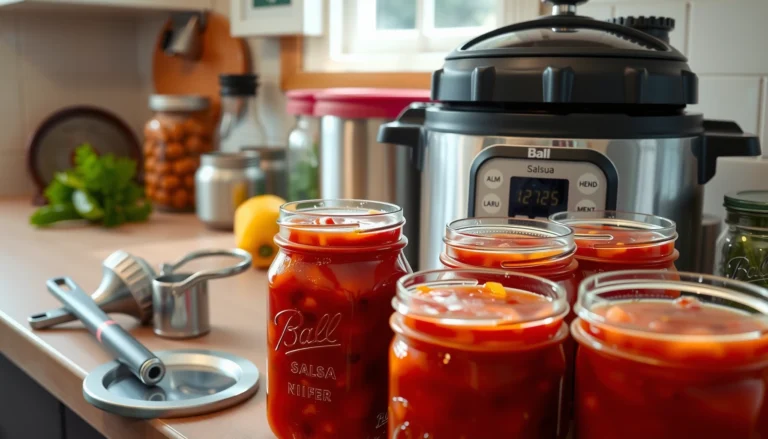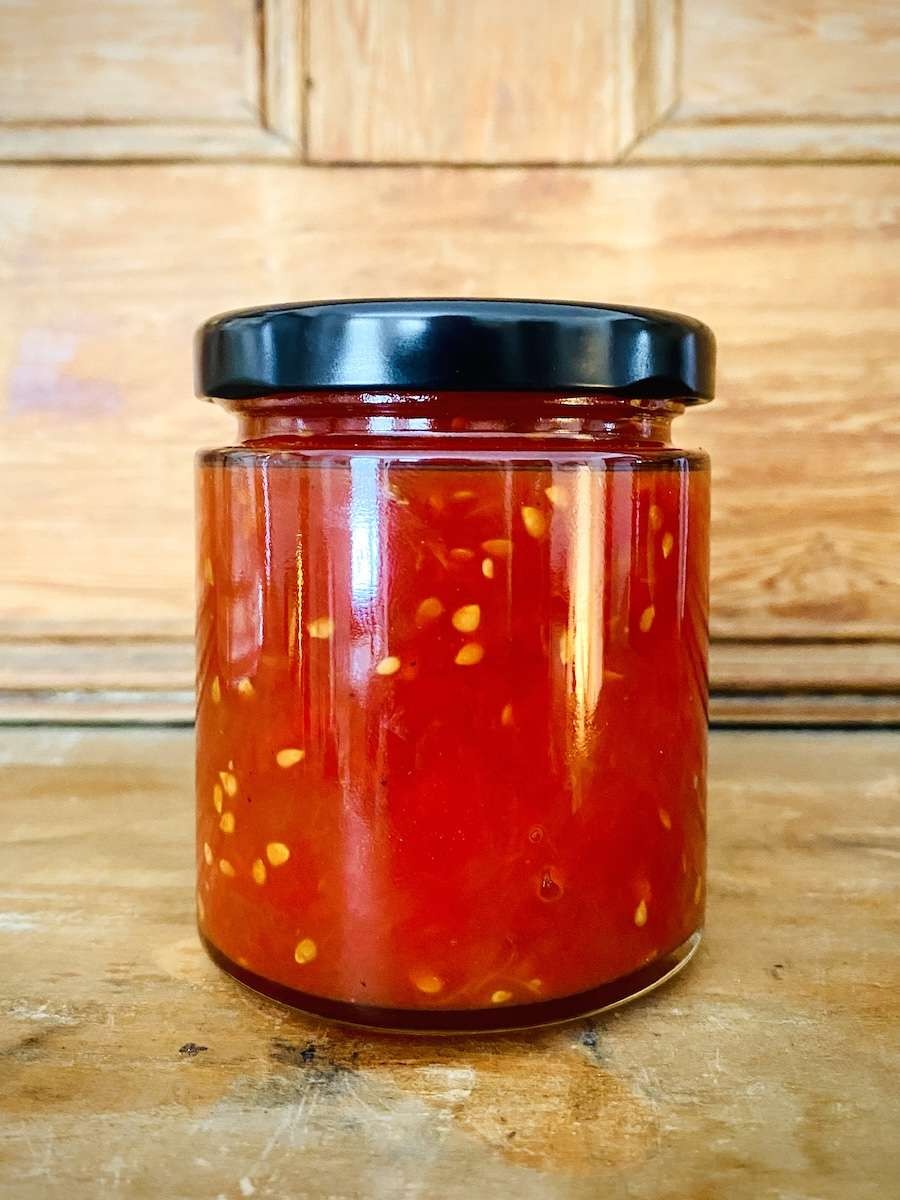
Making tomato jam safely requires a precise step-by-step protocol to preserve flavor and ensure food safety. This comprehensive guide is tailored for home cooks seeking to create delicious, shelf-stable tomato jam without the risk of spoilage or contamination. Following the correct methods not only enhances taste but also protects against harmful bacteria, making it essential for every passionate cook. Dive into the expert techniques that will elevate your canning skills and result in a perfect batch of tomato jam.
What This Guide Covers (And What It Doesn’t)

This guide offers a thorough, step-by-step protocol for making tomato jam, detailing the necessary ingredients, cooking techniques, and safe canning practices. It emphasizes USDA-recommended methods to ensure the final product is safe for long-term storage. However, this guide does not explore variations of tomato jam, such as spicy or herb-infused versions, nor does it address alternative preservation methods like freezing or drying. It is geared towards home cooks eager to learn how to safely preserve tomato jam. Readers seeking quick recipes or non-canning approaches may find the content overly detailed or technical for their needs.
Who Should Read This
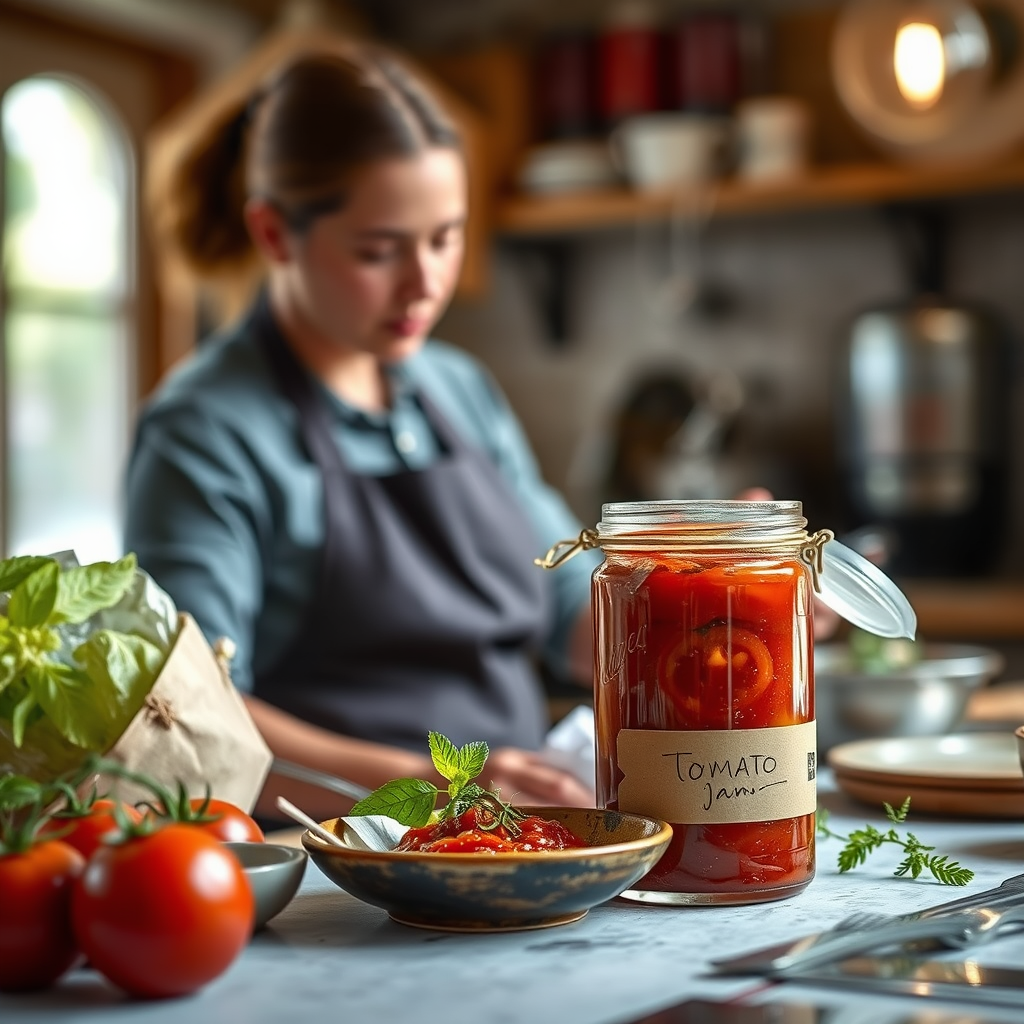
This article targets home cooks who possess a basic understanding of canning and food preservation, along with a grasp of kitchen safety. It is ideal for those who have previously canned fruits or vegetables but are new to making tomato jam specifically. Moreover, individuals intrigued by the science behind canning and safe food preservation will find this information particularly beneficial. However, this guide may not suit complete beginners in the kitchen or those lacking access to the necessary canning equipment.
The Step-by-Step Protocol
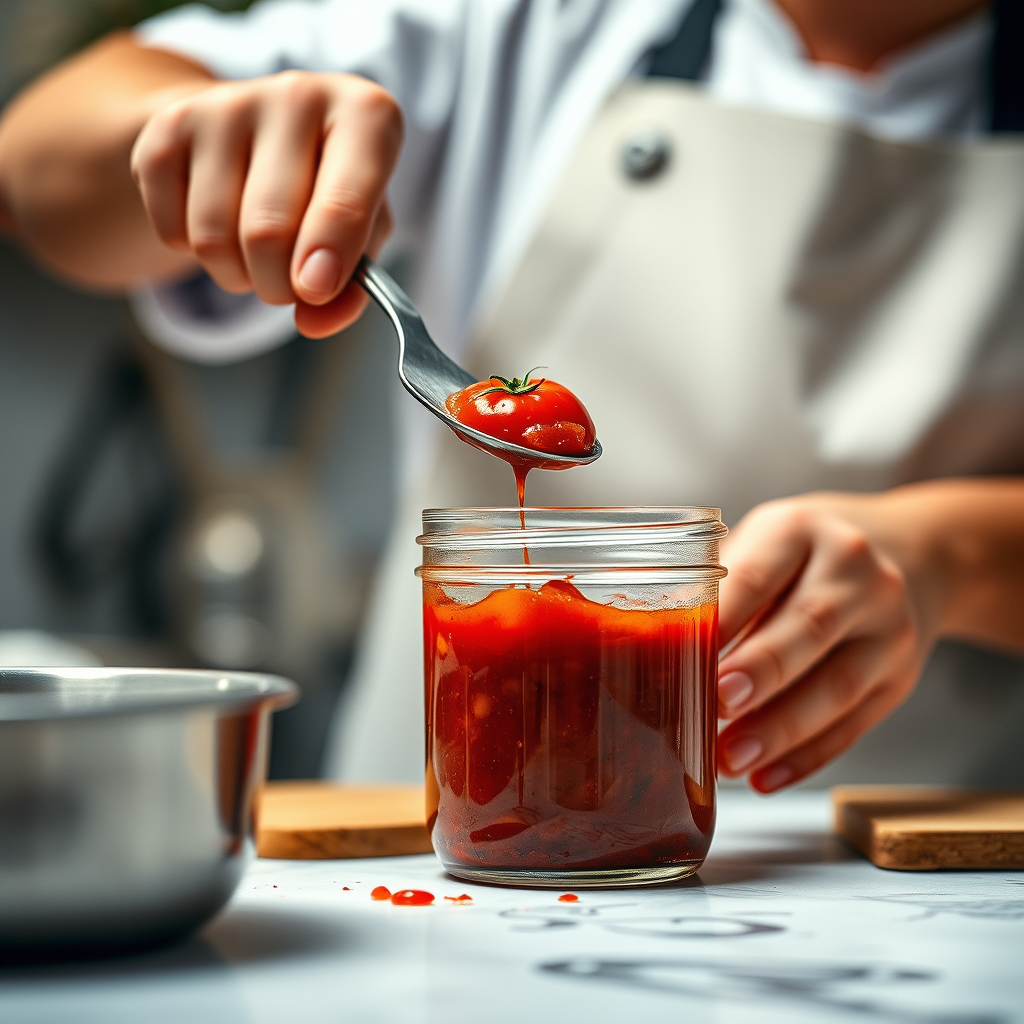
1. Gather Ingredients and Equipment: Start by assembling the following ingredients and equipment:
– 4 pounds of ripe tomatoes
– 1 ½ cups of granulated sugar
– 1 tablespoon of lemon juice (bottled lemon juice is recommended for consistent acidity)
– ½ teaspoon of salt
– Sterilized canning jars (pint-sized or half-pint-sized are ideal)
– A water bath canner
– A ladle
– A large pot
– A cutting board and knife
2. Prepare Tomatoes: Begin by washing the tomatoes thoroughly under running water to remove any dirt or residues. Score the bottom of each tomato with an “X” using a sharp knife to facilitate easy peeling. Blanch the scored tomatoes in boiling water for 30 seconds. After blanching, immediately transfer them to an ice bath (a large bowl filled with ice and cold water) to halt the cooking process and make peeling easier. Once cooled, peel the skins off the tomatoes and discard them.
3. Cook the Jam: Chop the peeled tomatoes into small pieces. In a large pot, combine the chopped tomatoes, granulated sugar, lemon juice, and salt. Stir the mixture well to ensure the sugar is evenly distributed. Place the pot over medium-high heat and bring it to a boil, stirring frequently to prevent sticking. Once boiling, reduce the heat to medium and continue to cook the jam, stirring often, until the mixture thickens significantly. This process will take approximately 1 hour. The jam is ready when it reaches a consistency that holds its shape on a spoon.
4. Canning Process: Once the jam has thickened, prepare for canning. Ladle the hot jam into sterilized jars, leaving about 1/4-inch headspace at the top of each jar, which is crucial for proper sealing. Wipe the rims of the jars with a clean cloth to remove any residue that may interfere with the seal. Place the sterilized lids on the jars and screw on the metal bands until they are fingertip-tight. Carefully process the jars in a boiling water bath for 15 minutes, ensuring that the water covers the jars by at least an inch. Adjust the processing time if you are at a higher altitude (see special cases for guidelines).
Warning Signs: When Not to Follow This
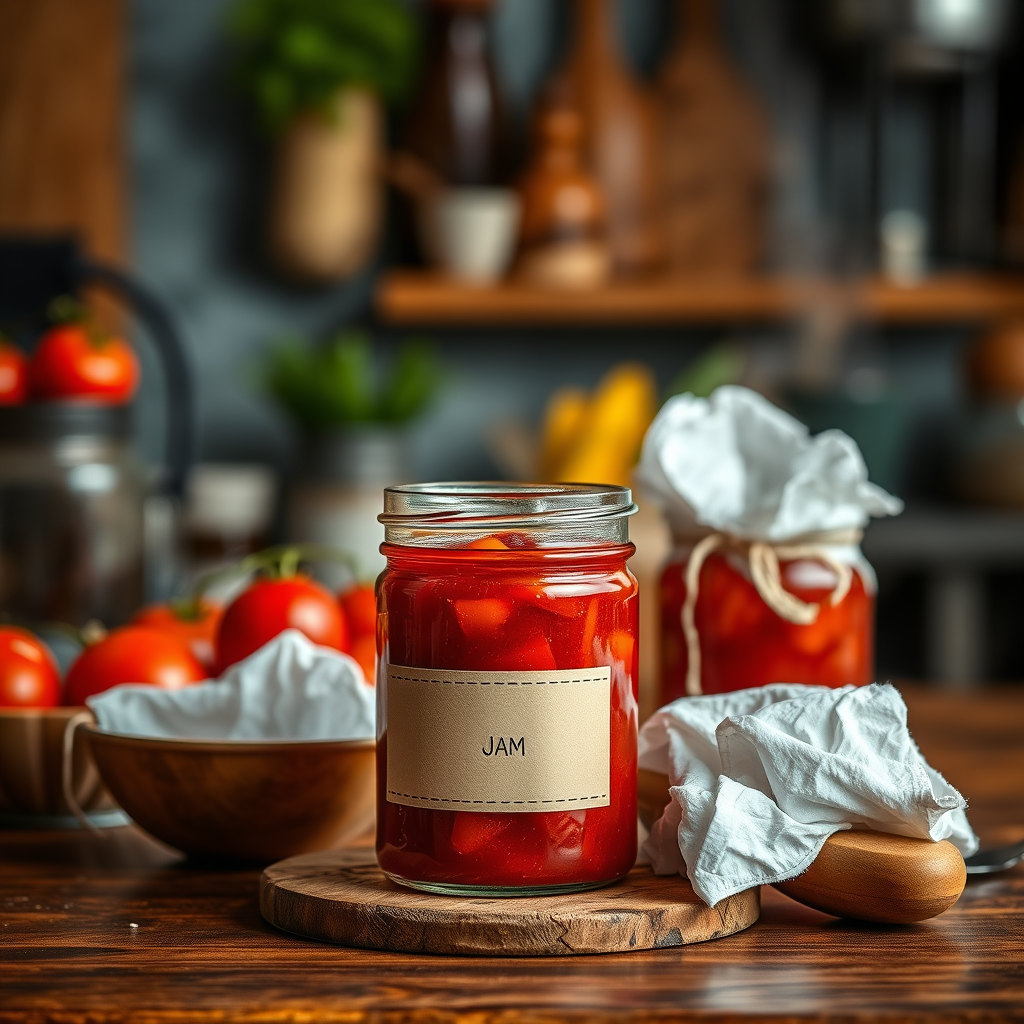
– Do not attempt this recipe if you have not properly sterilized your jars and tools, as this increases the risk of bacterial contamination, including botulism.
– Avoid using under-ripe or overripe tomatoes, as they may affect the texture and safety of the jam. Ideally, tomatoes should be fully ripe and free of blemishes.
– Do not proceed if your tomatoes show signs of mold, spoilage, or any off-smells, as this can lead to foodborne illness.
– If you are unsure about the acidity levels of your tomatoes, do not skip the lemon juice. Insufficient acidity can lead to botulism, a serious and potentially fatal foodborne illness.
The Most Common Mistakes (And Their Consequences)
– Many home cooks fail to use the correct amount of sugar, leading to a jam that does not set properly or tastes overly acidic. Sugar not only adds sweetness but also helps preserve the jam.
– Skipping the water bath process can result in improperly sealed jars, increasing the risk of spoilage and foodborne pathogens. Always follow proper canning guidelines.
– Not measuring headspace accurately can lead to overflow during processing, which may prevent jars from sealing correctly, ultimately resulting in spoilage or contamination.
– Ignoring signs of spoilage in tomatoes can lead to unsafe final products. Always inspect your ingredients carefully to avoid food safety risks.
Special Cases That Need a Different Approach
– If using heirloom or hybrid tomato varieties, be aware that different types may require adjustments in sugar or acid content to ensure safe preservation. Conduct small tests if unsure about the proportions.
– For those living at high altitudes (above 1,000 feet), adjust processing times according to altitude guidelines. Generally, increase processing time by 5 minutes for every additional 1,000 feet above sea level.
– If you wish to make a lower-sugar version, research specific recipes designed for reduced sugar, as they may require additional pectin to achieve the desired consistency and safety.
– For individuals with dietary restrictions, consider using alternative sweeteners. However, be aware that this may affect the consistency and safety of the jam, so consult reliable resources for guidance.
When You Need a Professional
– If you are uncertain about the safety of your canning process, or if you have experienced any issues with previous batches, consult a food preservation expert or your local extension office. They can provide tailored advice based on your specific circumstances.
– Individuals with medical concerns, such as compromised immune systems or specific allergies, should seek professional advice on safe canning practices tailored to their health needs.
– If you notice any signs of spoilage, such as bulging lids or off-smells, do not taste the jam; dispose of it immediately and consult a food safety expert.
– For large-scale canning operations or commercial production, it’s essential to work with a licensed food preservation specialist to ensure compliance with local regulations and safety standards.
Sources and Further Reading
– USDA Complete Guide to Home Canning – Provides detailed information on safe canning techniques and guidelines.
– National Center for Home Food Preservation – Offers research-based information on home food preservation methods, including recipes and troubleshooting tips.
– “So Easy to Preserve” by Georgia Cooperative Extension – A comprehensive resource for home canning, including tomato jam recipes and safety information.
– Local extension offices or community college courses focused on food preservation can provide additional resources and hands-on training opportunities.
By diligently following this guide, you will create delicious and safely preserved tomato jam, allowing you to savor the fresh taste of summer tomatoes throughout the year.
Frequently Asked Questions
What ingredients are needed for a basic tomato jam recipe?
A basic tomato jam recipe typically requires ripe tomatoes, sugar, lemon juice, and spices such as cinnamon or ginger for added flavor. You may also include salt to enhance the taste. Using fresh, high-quality tomatoes will significantly improve the overall flavor of your jam.
How do you make tomato jam from scratch?
To make tomato jam from scratch, start by peeling and chopping ripe tomatoes, then combine them with sugar and lemon juice in a pot. Cook the mixture over medium heat, stirring regularly until it thickens, which usually takes about 30-40 minutes. Once thickened, you can add spices to taste and bottle the jam for storage.
Why is my tomato jam not thickening properly?
If your tomato jam isn’t thickening, it could be due to using tomatoes with high water content or not cooking it long enough. To remedy this, continue simmering the jam until it reaches the desired consistency or add a natural thickener, such as pectin, to help it set.
What is the best way to store homemade tomato jam?
The best way to store homemade tomato jam is in sterilized glass jars with airtight lids. You can keep it in the refrigerator for up to two weeks or process the jars in a water bath for longer shelf life, allowing you to enjoy your tomato jam for several months.
Which dishes pair well with tomato jam?
Tomato jam pairs wonderfully with a variety of dishes, including grilled meats, cheeses, and charcuterie boards. It also works well as a condiment on sandwiches or burgers, and can add a unique touch to savory pastries and appetizers.
References
- Fruit preserves
https://en.wikipedia.org/wiki/Jam - NYT Cooking – Recipes and Cooking Guides From The New York Times
https://www.nytimes.com/recipes/1019803/tomato-jam - Google Scholar Google Scholar
https://scholar.google.com/scholar?q=tomato+jam+recipe - Google Scholar Google Scholar
https://scholar.google.com/scholar?q=tomato+preservation - https://pubmed.ncbi.nlm.nih.gov/24698175/
https://pubmed.ncbi.nlm.nih.gov/24698175/ - https://www.ncbi.nlm.nih.gov/pmc/articles/PMC5619275/
https://www.ncbi.nlm.nih.gov/pmc/articles/PMC5619275/ - https://www.sciencedirect.com/science/article/pii/S2212670816301968
https://www.sciencedirect.com/science/article/pii/S2212670816301968 - https://www.ars.usda.gov/ARSUserFiles/oc/np/foodprocessing/tomato.pdf
https://www.ars.usda.gov/ARSUserFiles/oc/np/foodprocessing/tomato.pdf - https://www.verywellfit.com/tomato-jam-recipe-4689344
https://www.verywellfit.com/tomato-jam-recipe-4689344 - Google Scholar Google Scholar
https://scholar.google.com/scholar?q=recipe+of+tomato+jam