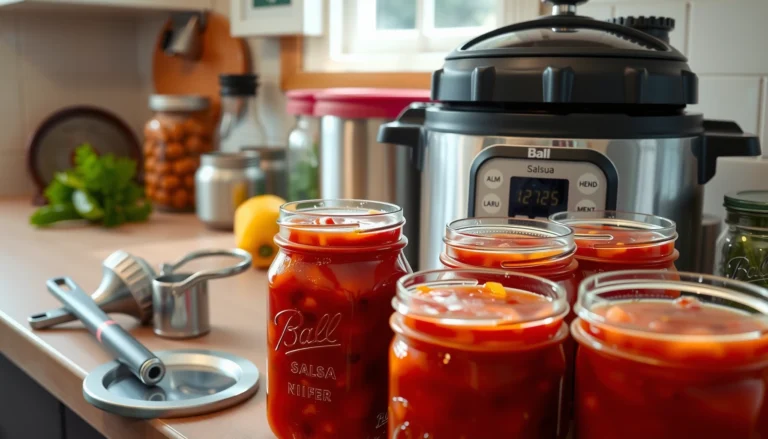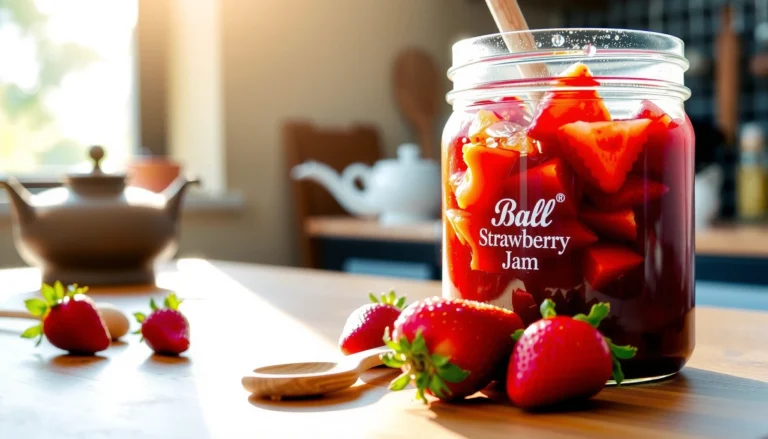
Master the art of making strawberry jam with pectin through this expert guide, designed for both novice and seasoned preservers. This comprehensive resource details precise techniques, ingredient ratios, and safety protocols essential for achieving a perfect, shelf-stable jam. Adhering to these guidelines not only enhances flavor but also ensures food safety, making your homemade preserves a delicious and reliable addition to your pantry.
What This Guide Covers (And What It Doesn’t)
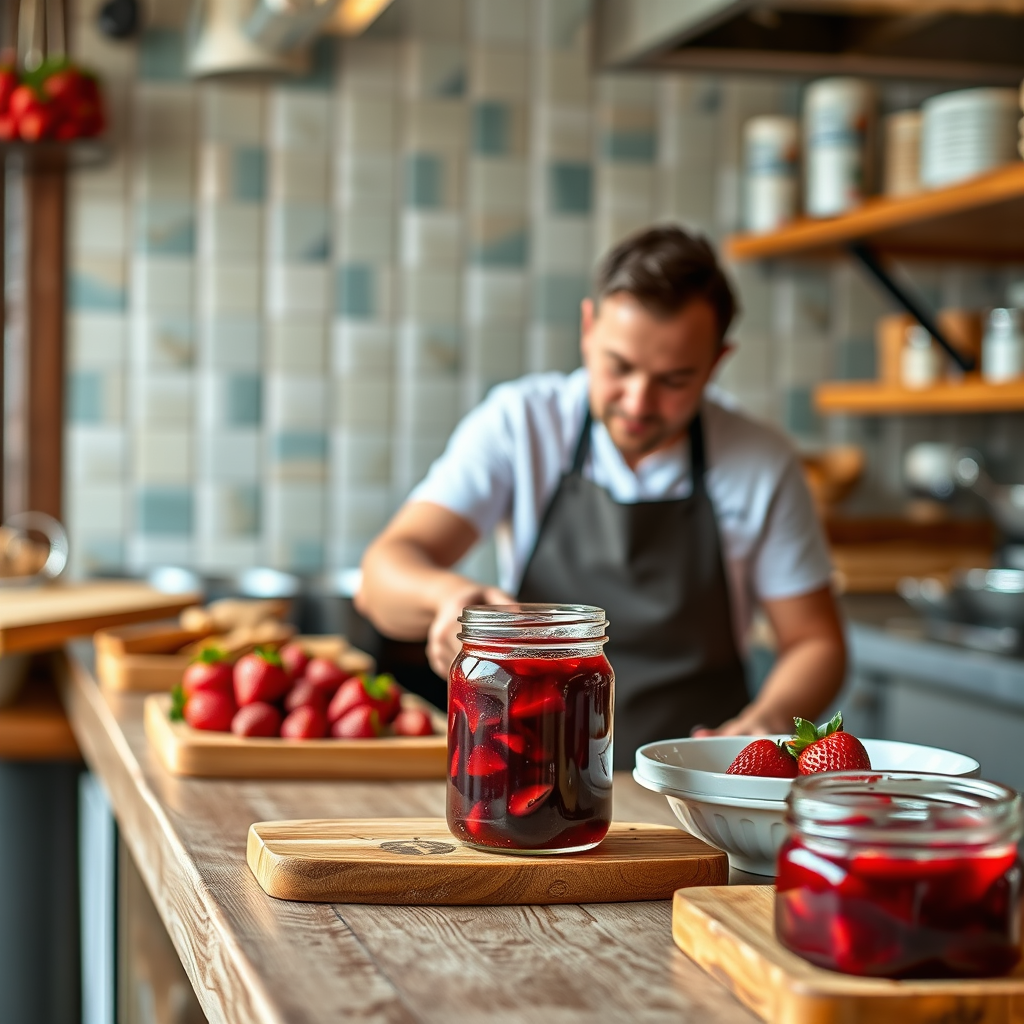
This guide offers a thorough, step-by-step recipe for crafting strawberry jam with pectin, highlighting the role of each ingredient, the significance of pectin, and the preservation methods critical for safe canning. By focusing specifically on the pectin method, it ensures the jam remains stable and shelf-safe.
However, this guide does not delve into alternative jam-making techniques that exclude pectin, such as low-sugar or no-sugar recipes, nor does it cover other fruit varieties outside of strawberries. It is tailored for home cooks eager to safely transform strawberries into jam while adhering to established canning and storage safety standards.
Who Should Read This
This guide is aimed at novice and intermediate home canners who possess basic kitchen skills and wish to enhance their food preservation techniques, specifically for strawberry jam. It particularly benefits individuals or families who frequently buy strawberries and wish to preserve them for year-round enjoyment. Additionally, those interested in food safety and proper canning practices will find valuable insights here. However, advanced canners seeking gourmet or specialized jam recipes may find this guide too elementary for their needs.
The Step-by-Step Protocol
1. Gather all necessary ingredients: You will need 2 quarts of fresh strawberries, 4 cups of granulated sugar, 1 box (1.75 oz) of pectin (such as Sure-Jell), and 1/4 cup of lemon juice. The lemon juice is crucial for providing acidity, which helps in preserving the jam.
2. Prepare the strawberries: Begin by washing the strawberries thoroughly under cool running water. Remove the green tops (hulling) and then quarter the strawberries. Measure out 2 quarts into a large mixing bowl. Using fresh, ripe strawberries is essential for optimal flavor and gelling properties.
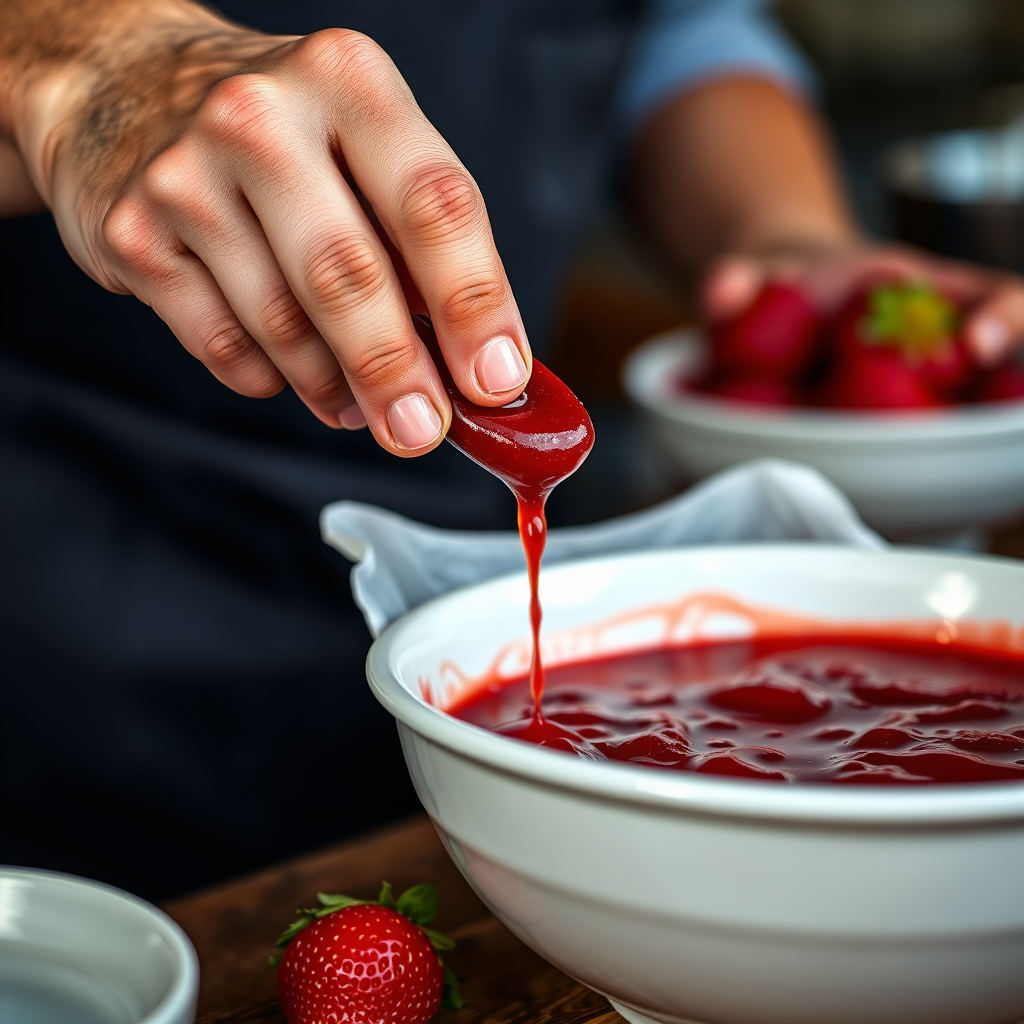
3. Crush the strawberries: In a separate pot, combine the prepared strawberries with the 1/4 cup of lemon juice. Using a potato masher, crush the berries until you achieve a chunky consistency. This step is important as it allows the pectin to interact properly with the fruit.
4. Mix in the pectin: Once the strawberries are crushed, add the pectin to the mixture. Place the pot on the stove over medium heat and bring the mixture to a boil, stirring constantly until the pectin is fully dissolved. This should take approximately 1-2 minutes. Ensure that there are no lumps of pectin remaining.
5. Add the sugar: After the mixture comes to a rolling boil, add all 4 cups of granulated sugar at once. Stir continuously until the sugar is completely dissolved and the mixture returns to a rolling boil. At this point, boil the mixture for exactly 1 minute. Timing is critical here; boiling for too long can affect the gelling process.
6. Remove from heat: After boiling, promptly remove the pot from the heat. Skim off any foam that forms on the surface with a spoon. This foam can affect the appearance of the finished jam and may create an undesirable texture.
7. Jar the jam: Carefully pour the hot jam into sterilized jars, leaving 1/4 inch of headspace at the top of each jar. This headspace is necessary for the jam to expand as it cools. Seal the jars with sterilized lids and bands, ensuring they are fingertip-tight but not overly tightened.
8. Process in a boiling water bath: Place the sealed jars in a boiling water bath canner. Ensure that the jars are covered by at least 1 inch of water. Process the jars in the boiling water for 10 minutes. This step is crucial for destroying any potential bacteria and ensuring a proper seal.
Warning Signs: When Not to Follow This
Do not attempt this recipe if your strawberries show signs of mold, spoilage, or an off odor. Using compromised fruit can jeopardize the safety and quality of your jam.
Avoid using homemade pectin or substitutes that are not tested for safety in canning, as this can lead to improper gel formation and spoilage. Additionally, if you have underlying health conditions that affect your immune system, such as diabetes or other chronic illnesses, it is wise to consult a professional before attempting home canning.
The Most Common Mistakes (And Their Consequences)
– Skipping the boiling water bath step: This can result in unsealed jars, leading to spoilage and potential foodborne illness from unsafe bacteria growth. Always adhere to the recommended processing times and methods.
– Using incorrect ratios of fruit to sugar: This may lead to poor gel formation, resulting in a runny jam that lacks the desired texture and sweetness. Precision in measurements is essential for achieving the right consistency.
– Not properly sterilizing jars and lids: Failing to sterilize can introduce bacteria, risking contamination and spoilage of the finished product. Always ensure that your canning equipment is thoroughly cleaned and sterilized prior to use.
Special Cases That Need a Different Approach
– Organic strawberries: If you are using organic strawberries, you may want to adjust sugar levels slightly due to their natural sweetness. Start with 3 1/2 cups of sugar instead of 4, and taste the mixture before processing to ensure it meets your sweetness preference.
– Large batch processing: If you intend to make a large batch exceeding 9 pints, it may be necessary to process in multiple smaller batches. This ensures even heating and proper sealing for all jars.
– Sugar restrictions: Individuals with sugar restrictions should utilize specific low-sugar pectin formulas. Be sure to consult the pectin packaging for tailored instructions to accommodate your dietary needs.
When You Need a Professional
If you notice any signs of spoilage, such as bulging lids, leaking jars, or off smells after processing, it is crucial to discard the jam and consult a food safety expert. Consuming spoiled products can lead to serious health risks.
For those with allergies to certain ingredients, such as strawberries or sugar substitutes, who wish to modify the recipe, it is advisable to consult a nutritionist or food safety professional to ensure modifications are safe.
Lastly, when experimenting with alternative fruits or flavors that significantly alter the acidity or sugar content of the recipe, seek guidance from a certified canning expert to ensure safety. Proper acidity levels are vital for safe preservation.
Sources and Further Reading
– USDA Complete Guide to Home Canning: A definitive resource for safe canning practices and preserving techniques.
– National Center for Home Food Preservation: This organization offers research-based guidelines for home canning, including specific instructions for pectin use.
– Ball Blue Book Guide to Preserving: A classic reference for canning recipes, safety measures, and troubleshooting tips for home preservation.
By following this expert guide, you can confidently embark on the journey of making delicious and safe strawberry jam with pectin. Embrace the process, and savor the delightful results of your canning efforts!
Frequently Asked Questions
What ingredients do I need for a strawberry jam recipe with pectin?
To make strawberry jam with pectin, you’ll need fresh strawberries, granulated sugar, lemon juice, and pectin (either liquid or powdered). Using ripe strawberries ensures the best flavor, while pectin helps achieve the perfect jelly-like consistency without long cooking times.
How do I properly prepare strawberries for making jam with pectin?
Start by washing the strawberries under cold water and removing the green tops. Next, hull the strawberries by cutting off the leafy caps and any white parts. You can then mash the strawberries with a fork or potato masher to your desired consistency for the jam.
Why is pectin important in a strawberry jam recipe?
Pectin is a natural thickening agent that helps your strawberry jam set properly, giving it a smooth, spreadable texture. When used in conjunction with sugar and acid, pectin creates a gel-like consistency that prevents the jam from being runny, ensuring it holds its shape when spread on bread.
What is the best method for canning strawberry jam with pectin?
The best method for canning strawberry jam with pectin is to use the water bath canning technique. After cooking your jam, pour it into sterilized jars, leaving appropriate headspace. Seal the jars with lids and process them in a boiling water bath for the recommended time to ensure a proper seal and safe storage.
Which type of pectin is better for strawberry jam, liquid or powdered?
Both liquid and powdered pectin can be used for strawberry jam, but powdered pectin is often preferred for its versatility and ease of use. It typically requires slightly less sugar and can create a firmer set, while liquid pectin might be better for recipes that need a softer texture. Choose based on your desired outcome and follow the specific instructions on the package for best results.
References
- Fruit preserves
https://en.wikipedia.org/wiki/Jam - https://www.uga.edu/extension/publications/PNW-55.pdf
https://www.uga.edu/extension/publications/PNW-55.pdf - https://extension.unh.edu/resource/strawberry-jam-recipe-pectin
https://extension.unh.edu/resource/strawberry-jam-recipe-pectin - Latent infection by Fusarium circinatum influences susceptibility of monterey pine seedlings to p…
https://www.fs.usda.gov/treesearch/pubs/44672 - https://www.oregon.gov/ode/students-and-family/child-nutrition/Documents/preserving/jams-jellies.pdf
https://www.oregon.gov/ode/students-and-family/child-nutrition/Documents/preserving/jams-jellies.pdf - https://www.nal.usda.gov/legacy/legacy/preserving-fruits-jams-and-jellies
https://www.nal.usda.gov/legacy/legacy/preserving-fruits-jams-and-jellies - https://www.nationalhomegardeningclub.com/strawberry-jam-recipe/
https://www.nationalhomegardeningclub.com/strawberry-jam-recipe/ - Google Scholar Google Scholar
https://scholar.google.com/scholar?q=strawberry+jam+recipe+with+pectin - Google Scholar Google Scholar
https://scholar.google.com/scholar?q=making+jam+with+pectin - Google Scholar Google Scholar
https://scholar.google.com/scholar?q=strwberry+jam+recipe+food+preservation