Master the art of creating rhubarb jam with this expert guide, designed for both novice and seasoned cooks. This step-by-step protocol outlines essential techniques and safety measures to ensure a delicious and safe preserve. Understanding the proper process not only enhances flavor but also guarantees food safety, making your homemade jam a true delight. Dive in to elevate your culinary skills and enjoy the unique tang of rhubarb in every jar.
What This Guide Covers (And What It Doesn’t)
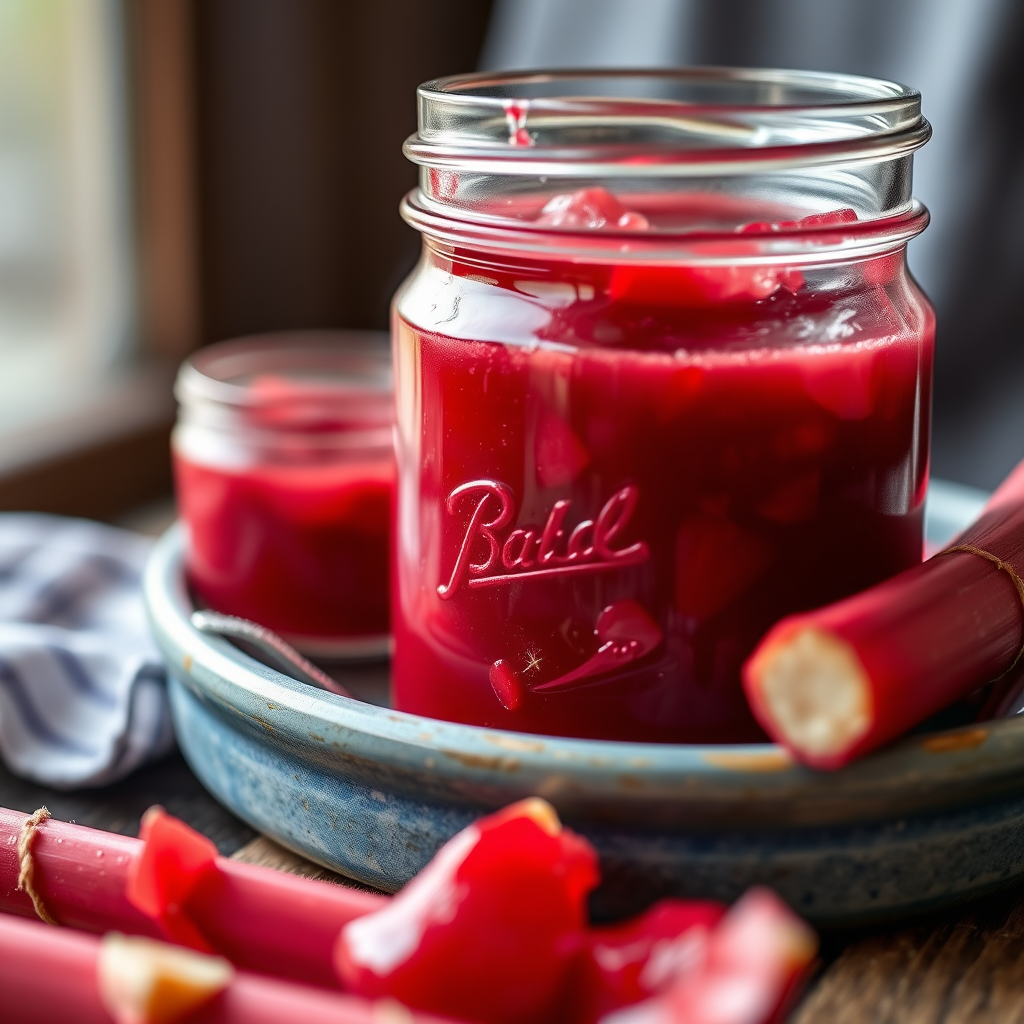
This guide offers a detailed, step-by-step protocol for making homemade rhubarb jam, complete with specific ingredient quantities, cooking times, and preservation methods. It emphasizes food safety standards and proper canning techniques to ensure that your rhubarb jam is both safe for consumption and suitable for long-term storage. However, the guide does not cover other jam recipes or preservation methods unrelated to rhubarb, nor does it include recipes featuring additional fruits or flavorings.
Who Should Read This
This guide is designed for home cooks with basic culinary skills who want to craft rhubarb jam from scratch while adhering to safe food preservation practices. Readers should possess a general understanding of kitchen equipment and should be able to follow precise measurements and instructions for the best results. It may not be suitable for complete beginners, as it assumes some familiarity with kitchen tools and techniques.
The Step-by-Step Protocol
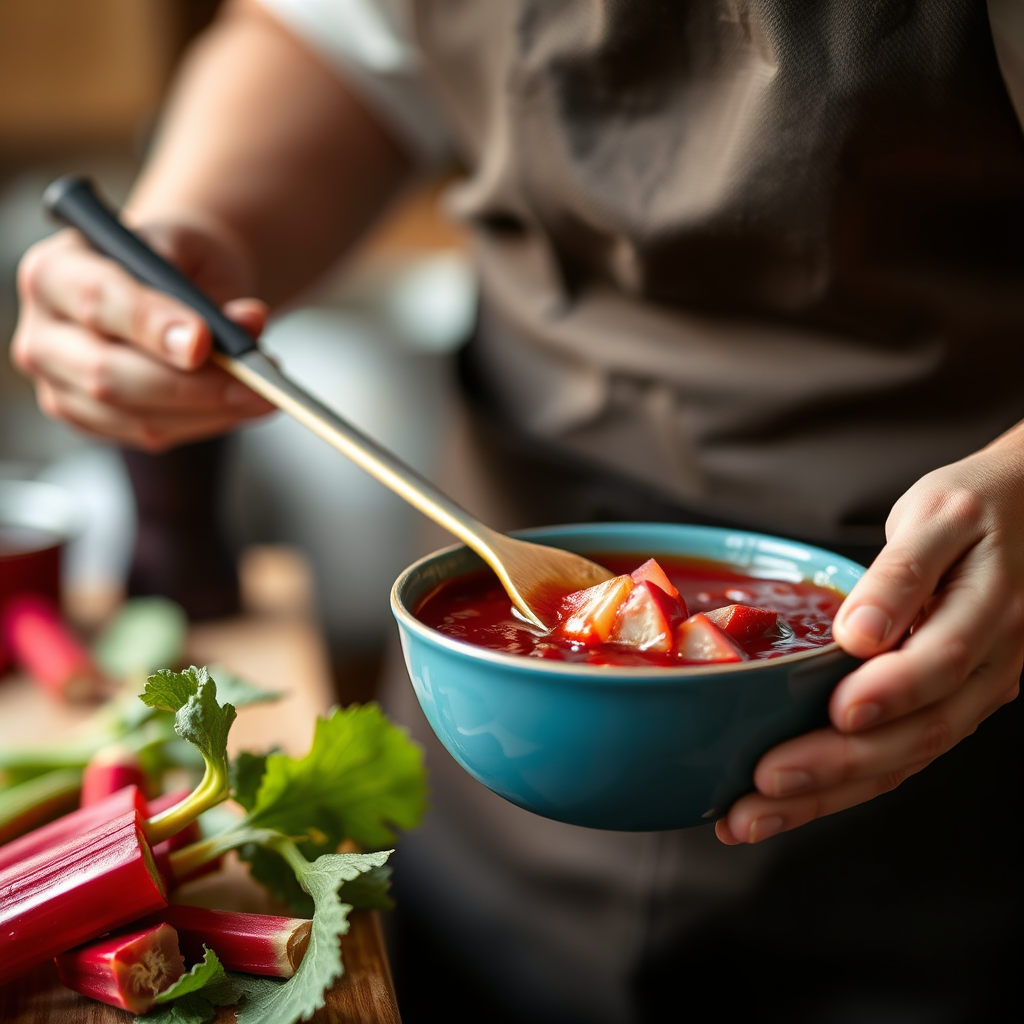
1. Gather Ingredients: Collect the following ingredients: 4 cups of fresh rhubarb, 2 cups of granulated sugar, 1/4 cup of lemon juice, and 1 packet of fruit pectin. Ensure all ingredients are fresh and within their expiration dates.
2. Prepare the Rhubarb: Rinse the rhubarb under cold water to remove any dirt or debris. Trim the ends, discarding any wilted or damaged sections, and chop the rhubarb into 1-inch pieces. Measure out precisely 4 cups of the chopped rhubarb to maintain the recipe’s balance.
3. Cook the Mixture: In a large, heavy-bottomed pot, combine the chopped rhubarb, sugar, and lemon juice. Place the pot over medium heat, stirring continuously until the sugar dissolves—this should take about 10 minutes. Once the mixture reaches a boil, maintain a gentle boil.
4. Add Pectin: After the mixture is boiling, gradually add the fruit pectin while stirring continuously. Allow the mixture to return to a rapid boil, then cook for an additional 2 minutes. This step is crucial for proper gel formation, so be sure not to skip it.
5. Test for Set: To test the jam for set, drop a small spoonful of the mixture onto a cold plate. Let it sit for 1 minute, then run your finger through it. If the jam holds its shape and does not immediately run back together, it is ready for canning. If it remains runny, continue boiling for another minute and retest.
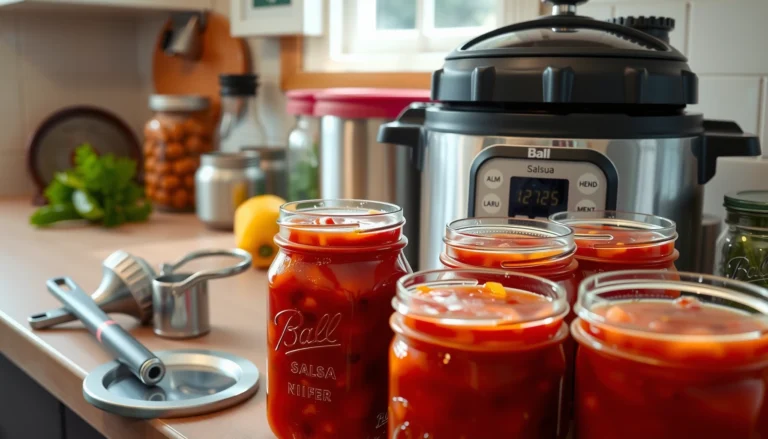
6. Canning Process: Sterilize your jars and lids by submerging them in boiling water for 10 minutes. Carefully remove them using tongs. Fill each sterilized jar with the hot rhubarb jam, leaving a 1/4-inch headspace at the top. Wipe the rims of the jars with a clean cloth to remove any residue, then seal with the sterilized lids.
7. Process the Jars: Place the filled jars back into the boiling water bath, ensuring that the jars are covered by at least 1 inch of water. Process the jars for 10 minutes. This step is essential for creating a vacuum seal and eliminating any potential bacteria.
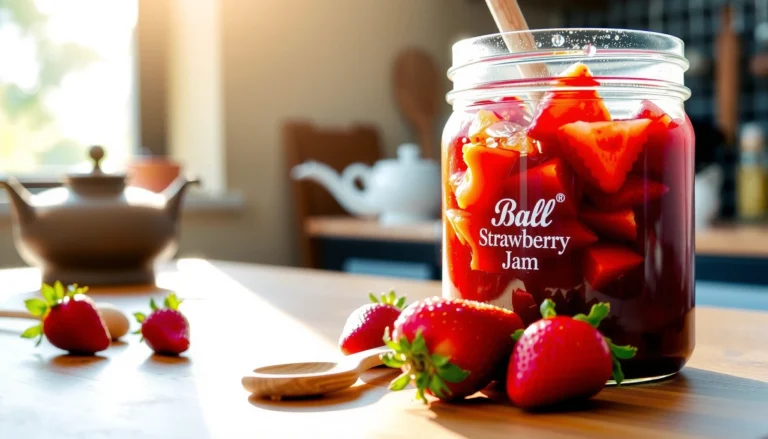
8. Cool and Store: After processing, carefully remove the jars from the water bath and place them on a clean kitchen towel. Allow them to cool completely at room temperature. After 24 hours, check the seals by pressing down in the center of each lid. If it does not bounce back, the jar is sealed properly. Store sealed jars in a cool, dark place. Unsealed jars should be refrigerated and used within a few weeks.
Warning Signs: When Not to Follow This
Do not attempt this recipe if you are allergic to rhubarb or any of the ingredients, as it could lead to severe allergic reactions. Avoid making rhubarb jam if the rhubarb appears wilted, discolored, or has an off-putting odor, as these may indicate spoilage. Refrain from using untested or altered proportions of sugar or pectin, as this could result in unsafe preservation conditions and spoilage.
The Most Common Mistakes (And Their Consequences)
A common mistake is failing to measure the rhubarb accurately, leading to an imbalance in acidity and sugar that can compromise the jam’s consistency and safety. Skipping the boiling water bath can result in inadequate sealing, allowing bacteria to enter the jars and potentially causing foodborne illness. Not properly testing for the gel stage may lead to a runny jam, making it less enjoyable and less likely to be preserved effectively.
Special Cases That Need a Different Approach
If you are using frozen rhubarb, ensure it is thoroughly thawed and drained before measuring, as excess liquid can alter the jam’s consistency and preservation. For those with dietary restrictions, consider using low-sugar pectin and reducing the sugar content, but be aware that this may affect the jam’s shelf stability. If you’re using organic rhubarb, be cautious of any pesticide residues; wash thoroughly and consider using it immediately after harvesting for the best results.
When You Need a Professional
Consult a food safety expert if you feel uncertain about the canning process or if this is your first experience with preserving fruits, particularly high-acid foods like rhubarb. If you notice any signs of spoilage, such as bubbling, off-smells, or mold, do not consume the jam and seek advice from a food preservation professional. Should you experience any adverse reactions after consuming homemade jam, contact a healthcare provider for immediate guidance and support.
Sources and Further Reading
– “The USDA Complete Guide to Home Canning” – A comprehensive resource providing up-to-date canning guidelines and techniques.
– “Ball Complete Book of Home Preserving” – Offers a variety of jam recipes and safety tips specific to fruit preservation.
– Centers for Disease Control and Prevention (CDC) – Information on food safety practices and guidelines for home canning.
By following this authoritative guide, you can safely enjoy the sweet and tangy goodness of homemade rhubarb jam, preserving not only the flavor but also the joy of cooking with fresh ingredients.
Frequently Asked Questions
What ingredients do I need for a basic rhubarb jam recipe?
For a basic rhubarb jam recipe, you will need fresh rhubarb, granulated sugar, lemon juice, and pectin. The rhubarb provides a tart flavor, while sugar balances it out. Lemon juice enhances the acidity and helps the jam set properly, and pectin acts as a thickening agent to achieve the desired consistency.
How do I make rhubarb jam without using pectin?
To make rhubarb jam without pectin, combine chopped rhubarb with sugar and let it sit for a few hours to draw out moisture. Then, cook the mixture over medium heat, stirring consistently until it thickens, usually about 20-30 minutes. The natural pectin in the rhubarb will help the jam set, so be sure to test the consistency before removing it from heat.
Why is my rhubarb jam too runny, and how can I fix it?
If your rhubarb jam is too runny, it may be due to insufficient cooking time or not enough sugar. To fix it, return the jam to a pot and simmer it over low heat, allowing it to cook down further. You can also add a small amount of cornstarch mixed with water to thicken it if needed, but be sure to cook it for a few additional minutes to avoid a starchy taste.
What is the best way to store homemade rhubarb jam?
The best way to store homemade rhubarb jam is in sterilized glass jars, sealed tightly with lids. Keep the jam in a cool, dark place such as a pantry or cupboard for up to a year. Once opened, store the jar in the refrigerator and consume it within a few weeks for optimal freshness and flavor.
Which rhubarb varieties are best for making jam?
The best rhubarb varieties for making jam are typically ‘Victoria,’ ‘Crimson Red,’ and ‘German Wine.’ These varieties are known for their sweet-tart flavor and vibrant color, which enhance both the taste and appearance of your jam. Choosing fresh, young stalks will also yield the best results, as they are more tender and flavorful.
References
- Rhubarb
https://en.wikipedia.org/wiki/Rhubarb - Rhubarb, raw nutrition facts and analysis.
https://www.nutritionvalue.org/Rhubarb%2C_raw_nutritional_value.html - https://www.sciencedirect.com/topics/agricultural-and-biological-sciences/rhubarb
https://www.sciencedirect.com/topics/agricultural-and-biological-sciences/rhubarb - https://www.healthline.com/nutrition/rhubarb-benefits
https://www.healthline.com/nutrition/rhubarb-benefits - https://www.ncbi.nlm.nih.gov/pmc/articles/PMC7010431/
https://www.ncbi.nlm.nih.gov/pmc/articles/PMC7010431/ - https://www.journalofethics.ama-assn.org/article/rhubarb-health-benefits-and-risks/2019-01
https://www.journalofethics.ama-assn.org/article/rhubarb-health-benefits-and-risks/2019-01 - Google Scholar Google Scholar
https://scholar.google.com/scholar?q=rhubarb+jam+recipe - Google Scholar Google Scholar
https://scholar.google.com/scholar?q=rhubarb+preservation - Google Scholar Google Scholar
https://scholar.google.com/scholar?q=rhubarb+nutritional+benefits - rhubarb jam recipe – Search results
https://en.wikipedia.org/wiki/Special:Search?search=rhubarb+jam+recipe