To make delicious donut holes at home, you only need a few simple ingredients and a bit of time. This easy donut hole recipe will guide you through the process, ensuring you end up with fluffy, sweet treats perfect for any occasion. Get ready to impress your family and friends with these homemade delights!
Homemade donut holes are not just a culinary treat; they also provide a delightful bonding experience in the kitchen. By following this step-by-step guide, you will learn to create these delectable bites from scratch, allowing you to customize flavors and toppings to suit your preferences. Whether you choose to fry or bake, the end result will be a batch of fluffy, sweet donut holes that are sure to satisfy your cravings.
Ingredients You’ll Need

To begin your donut hole-making journey, gather these essential ingredients:
– All-purpose flour: This is the backbone of your donut holes, providing the necessary structure and lightness. Using all-purpose flour ensures a fluffy texture, allowing the donut holes to rise beautifully during cooking.
– Sugar: Sugar not only sweetens the donut holes but also enhances the overall flavor. It contributes to that quintessential sweetness we associate with donuts and helps create a beautiful golden-brown exterior when cooked.
– Baking powder: This crucial leavening agent ensures your donut holes rise adequately, resulting in a light and airy texture. Without it, your donut holes may turn out dense and heavy.
Preparing the Dough

The preparation of the dough is a critical step in the donut hole-making process. Here’s how to do it successfully:
– Combine dry ingredients: Begin by sifting together the all-purpose flour, sugar, and baking powder in a large mixing bowl. This step is vital for even distribution, ensuring that the baking powder activates uniformly and the sugar is well integrated for balanced sweetness.
– Add wet ingredients gradually: Once your dry ingredients are well mixed, it’s time to introduce the wet components, which typically include eggs, milk, and vanilla extract. Start by adding the wet ingredients gradually while stirring with a spatula or wooden spoon. The goal is to achieve a soft dough that is moist but not overly sticky. If the dough feels too wet, you can add a little more flour until you reach the desired consistency.
Shaping the Donut Holes
Once your dough is prepared, it’s time to shape the donut holes:
– Use a small cookie scoop or your hands: Take small portions of dough, about one tablespoon each, and roll them into balls. If you prefer uniform sizes, a small cookie scoop works beautifully for this task.
– Ensure uniformity: Consistency in size is crucial, as it ensures even cooking. If the donut holes are all the same size, they will cook at the same rate, preventing some from being overdone while others are undercooked.
Frying vs. Baking
When it comes to cooking your donut holes, you have two primary options: frying or baking. Each method has its advantages.
– Frying: This traditional method gives your donut holes that classic crispy exterior and fluffy interior. However, it’s essential to monitor the oil temperature carefully. Ideally, the oil should be around 350°F (175°C). Frying for too long can lead to greasy, heavy donuts, while too short can result in undercooked centers.
– Baking: If you’re looking for a healthier alternative, baking is a great option. Baked donut holes tend to be lighter and less oily, making them an excellent choice for those who are health-conscious. Simply place the shaped donut holes on a parchment-lined baking sheet and bake at 375°F (190°C) for about 10-12 minutes or until golden brown.
Glazing and Toppings
The final touch to your donut holes comes in the form of glazing and toppings:
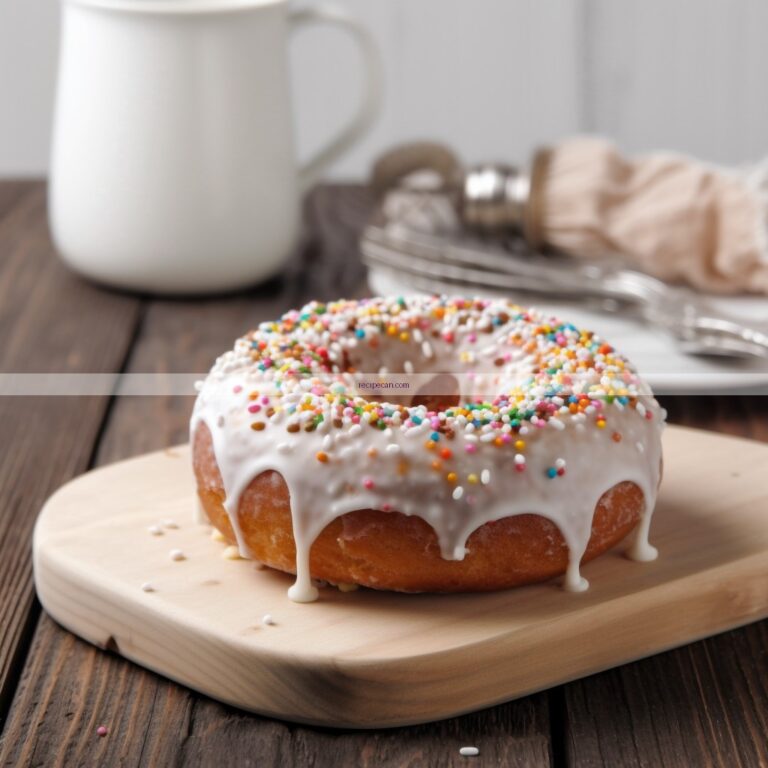
– Prepare a simple glaze: A classic glaze can be made using powdered sugar and milk. Combine one cup of powdered sugar with two tablespoons of milk and a splash of vanilla extract. Dip the warm donut holes into the glaze, letting the excess drip off for a beautiful finish.
– Consider additional toppings: For those looking to add a little flair, rolling the donut holes in cinnamon sugar or adding colorful sprinkles can elevate their appearance and taste. Cinnamon-sugar is a popular choice that adds warmth and depth to the flavor profile, while sprinkles offer a festive touch.
Storage Tips
To maintain the freshness of your homemade donut holes:
– Store in an airtight container: Once cooled, place your donut holes in an airtight container. They can last for up to three days at room temperature. For longer storage, consider refrigerating them.
– Reheat for best results: If your donut holes lose their fluffy texture, simply reheat them in an oven preheated to 350°F (175°C) for a few minutes. This will restore their lightness and warmth, making them enjoyable once again.
Variations to Try
One of the best aspects of making donut holes at home is the ability to experiment. Here are some variations to consider:
– Flavor experimentation: Incorporate different flavors into the dough by adding cocoa powder for chocolate donut holes or spices like nutmeg or cardamom for a fragrant twist. You can also use flavored extracts, such as almond or lemon, to infuse unique tastes.
– Stuffed donut holes: For an exciting surprise, consider stuffing your donut holes with jam, cream, or chocolate. Simply flatten a portion of dough, add a teaspoon of your filling of choice, and then seal it up before rolling it into a ball.
Top 7 Ingredients for Homemade Donut Holes
| # | Ingredient | Quantity (per batch) | Calories |
|---|---|---|---|
| 1 | All-purpose flour | 2 cups | 910 |
| 2 | Sugar | 1/2 cup | 387 |
| 3 | Baking powder | 2 tsp | 6 |
| 4 | Eggs | 2 | 140 |
| 5 | Milk | 1/2 cup | 42 |
| 6 | Vanilla extract | 1 tsp | 12 |
| 7 | Salt | 1/4 tsp | 0 |
Flavor Variations for Donut Holes
Enjoy making these delightful donut holes and share them with your loved ones! Whether you’re hosting a party or just indulging yourself, these treats are sure to satisfy your sweet tooth. Try out this easy recipe today and let the deliciousness unfold!
Frequently Asked Questions
What ingredients do I need for a basic donut hole recipe?
A basic donut hole recipe typically requires flour, sugar, baking powder, milk, eggs, and butter. You can also add vanilla extract for flavor. For frying, vegetable oil is commonly used, but you can also bake them for a healthier alternative.
How do I make donut holes fluffy and light?
To achieve fluffy and light donut holes, ensure you properly measure your flour and avoid over-mixing the batter. Incorporating ingredients like baking powder and letting the dough rest can also help create a lighter texture. Frying at the right temperature (around 350°F) is crucial to prevent them from becoming dense.
Why are my donut holes greasy after frying?
Greasy donut holes can result from frying in oil that is not hot enough, causing them to absorb excess oil. To avoid this, use a thermometer to maintain the oil temperature at around 350°F. Additionally, ensure you drain them on paper towels immediately after frying to remove any excess oil.
What is the best way to flavor my homemade donut holes?
The best way to flavor your homemade donut holes is by adding spices like cinnamon or nutmeg directly into the batter. You can also mix in chocolate chips, fruit zest, or even a flavored extract such as almond or coconut. For a finishing touch, consider rolling them in powdered sugar or a glaze for added flavor.
Which types of toppings are popular for donut holes?
Popular toppings for donut holes include powdered sugar, cinnamon sugar, and chocolate glaze. You can also get creative with toppings like sprinkles, crushed nuts, or a drizzle of caramel sauce. Experimenting with different toppings can make your donut holes even more appealing and delicious!
References
- Doughnut
https://en.wikipedia.org/wiki/Doughnut - https://www.bbc.co.uk/food/recipes/doughnuts_61557
https://www.bbc.co.uk/food/recipes/doughnuts_61557 - https://www.sciencedirect.com/topics/food-science/doughnut
https://www.sciencedirect.com/topics/food-science/doughnut - https://pubmed.ncbi.nlm.nih.gov/19082685/
https://pubmed.ncbi.nlm.nih.gov/19082685/ - https://www.ncbi.nlm.nih.gov/pmc/articles/PMC4458031/
https://www.ncbi.nlm.nih.gov/pmc/articles/PMC4458031/ - https://www.ncbi.nlm.nih.gov/pmc/articles/PMC6073218/
https://www.ncbi.nlm.nih.gov/pmc/articles/PMC6073218/ - Google Scholar Google Scholar
https://scholar.google.com/scholar?q=donut+hole+recipe - Google Scholar Google Scholar
https://scholar.google.com/scholar?q=doughnut+holes+nutrition - Google Scholar Google Scholar
https://scholar.google.com/scholar?q=doughnut+hole+history - Doughnut | Definition, History, Types, & Origins | Britannica
https://www.britannica.com/topic/doughnut